
8 budget tricks that saved me $1,000 without cutting everything

When you’re trying to save money, it’s easy to feel like the only solution is to cut everything fun or live off rice and beans. But the truth is, you don’t have to go full survival mode to make real progress. I started small—tightening up what made sense, swapping a few habits, and putting guardrails on my spending.
Over a few months, I saved over $1,000 without giving up the things that matter to me. These tricks work because they’re realistic and sustainable. If you’re looking to cut back without going extreme, start here.
Track your spending for one month

Before you start cutting anything, figure out where your money’s actually going. It’s eye-opening. You might think you have a food problem when it’s really Target runs or impulse buys adding up.
I tracked every dollar for 30 days and realized I was spending more than I thought on little things that didn’t even add much value. Once you see the patterns, you can make smarter decisions without doing a full financial overhaul.
Switch to weekly spending caps instead of monthly

Breaking your budget into weekly chunks makes it easier to manage and helps you catch overspending before it spirals. If you give yourself $100 a week for groceries and fun instead of $400 a month, you’re less likely to blow it early and struggle later.
It feels more manageable, too. You can recover from a rough week faster without derailing your whole month. This one tweak helped me stay more consistent and avoid the guilt spiral that comes with mid-month panic.
Pick three areas you’re okay spending less on

You don’t need to cut everything. Just pick a few categories that matter less to you and start there. For me, it was subscription services, gas station snacks, and takeout coffee.
Instead of canceling everything or going full “no spend,” I made small adjustments—like pausing unused apps and making my own coffee a few days a week. It added up fast without making me feel like I was missing out on the things I care about.
Cap food waste before you cap food spending
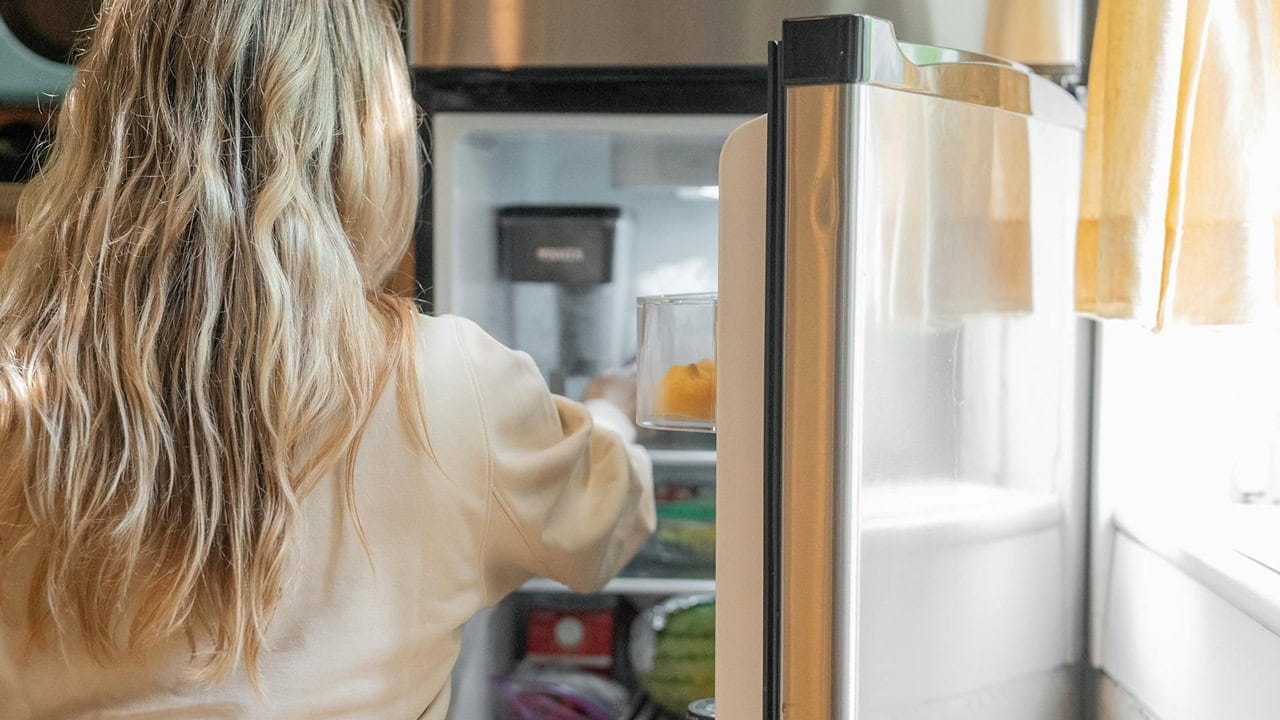
A lot of people try to slash the grocery budget without realizing how much they’re throwing away. The real savings often come from using what you already bought.
I started planning meals around what I had on hand first. Leftovers got repurposed instead of trashed. And suddenly, I was spending less without even trying to. Stretching what you already have is one of the fastest ways to cut costs without cutting enjoyment.
Only shop with a list—and stick to it
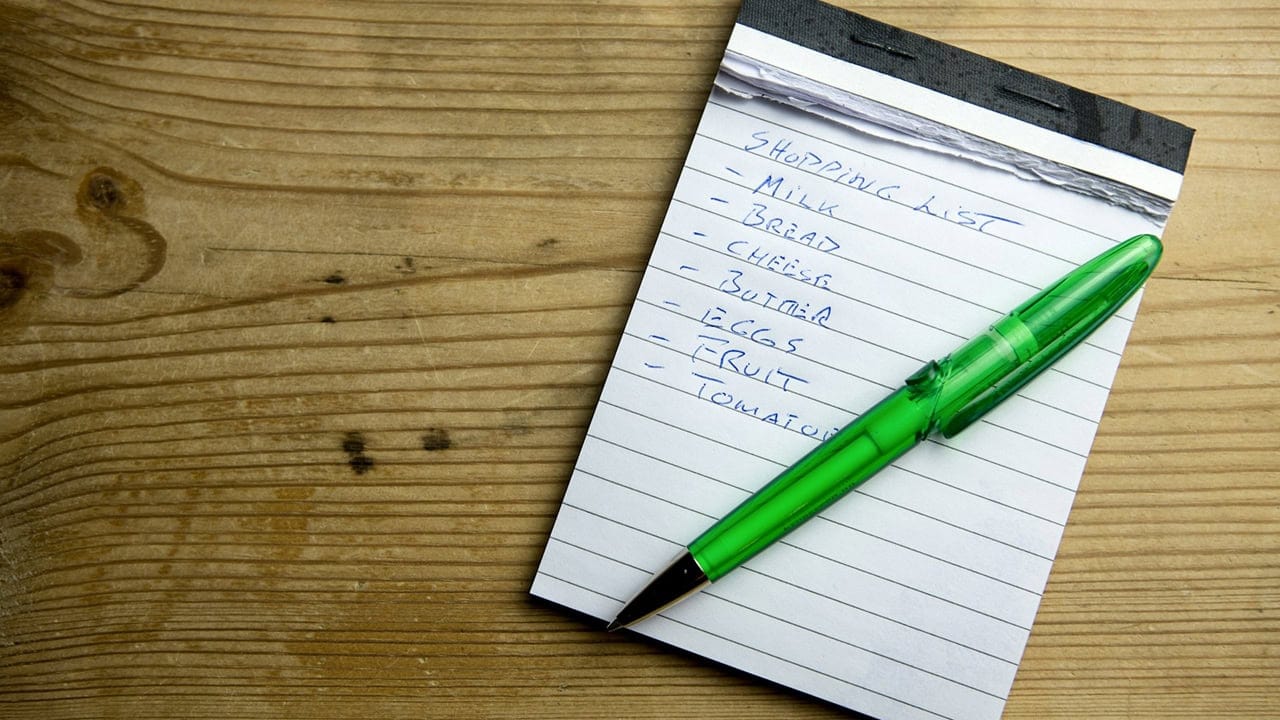
Impulse buys at the store will tank your budget faster than you think. Going in with a clear list—and actually sticking to it—makes a big difference.
I started treating the list like a contract. If it wasn’t on there, it didn’t go in the cart. That one rule alone saved me from dozens of “it’s only $5” moments that would’ve added up to way more by the end of the month.
Create a “cool-off” folder for wants

Instead of adding things to your cart or wish list, take a screenshot and save it to a folder. If you still want it in 30 days and it fits your budget, go for it.
Most of the time, I’d forget about it or decide I didn’t care enough to spend the money. This helped me separate what I actually wanted from what I was just tempted by in the moment. Delayed decisions turn into better decisions.
Only budget for income you already have

It’s easy to count money before it hits your account, especially if you freelance or work variable hours. But budgeting based on money you hope to earn leads to overspending fast.
I started budgeting based on what was already in the bank, not what was on the way. That forced me to live within real limits instead of imaginary ones. When more money came in, I adjusted. But I stopped making plans for it before it was mine.
Use cashback apps—but don’t shop extra

Cashback apps like Rakuten or store-specific rewards can help you save, but only if you’re already planning to buy. If you’re shopping because you get a few bucks back, you’re not saving anything.
I use rewards on groceries and essentials I was going to buy anyway. It’s passive money back, not a reason to spend more. Over a few months, I cashed out close to $100 this way—on stuff I was already buying—without chasing deals or overbuying.
*This article was developed with AI-powered tools and has been carefully reviewed by our editors.
Leave a Reply