
7 ways I built an emergency fund on a tight budget
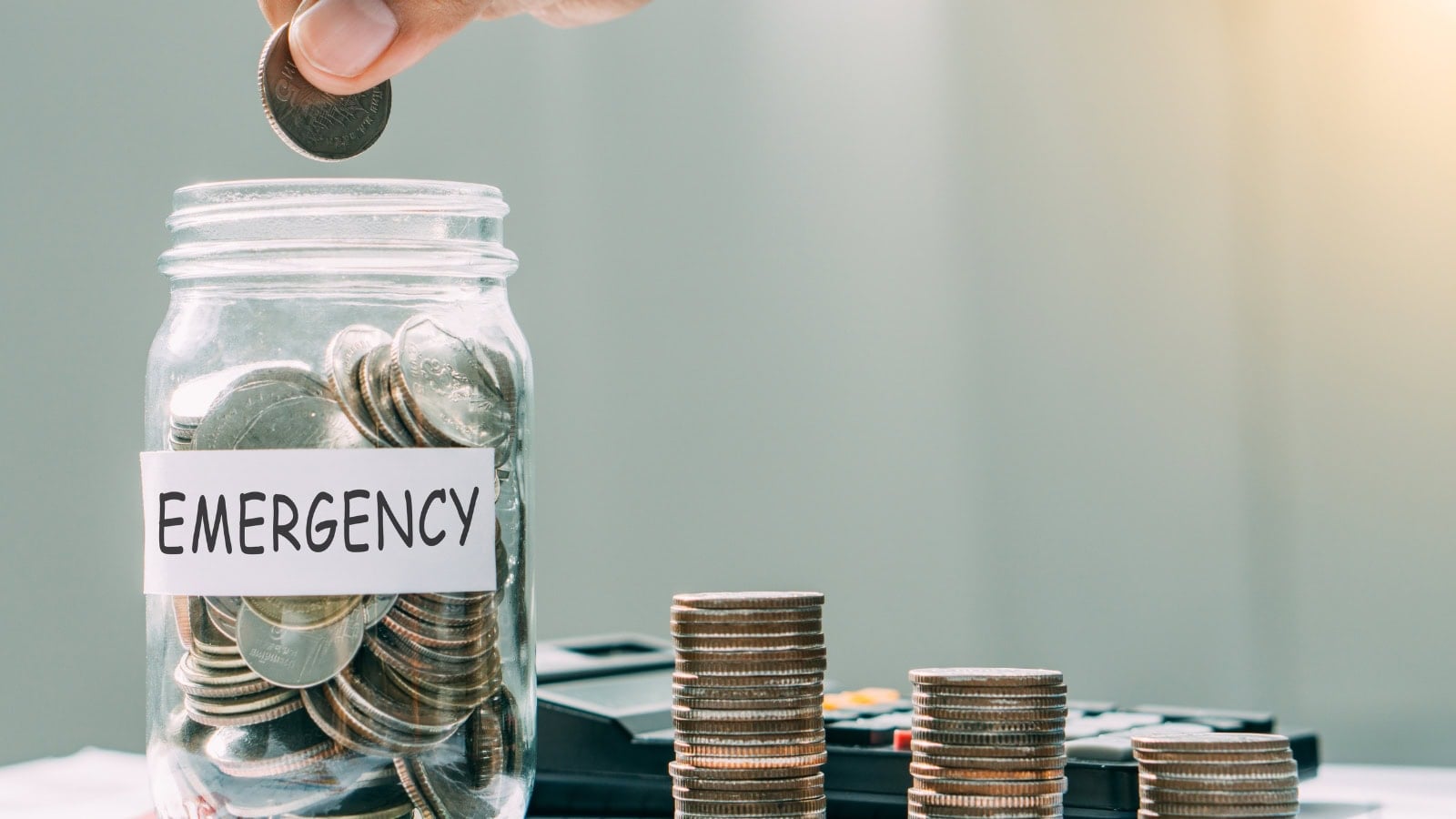
Building an emergency fund when money’s already tight can feel impossible. You’ve got bills to cover, groceries to buy, and maybe a paycheck that disappears the second it hits the account. But having even a small cushion can change everything when life throws a curveball.
You don’t need a big income to start—you just need a clear plan and some steady habits. Here are the daily choices and mindset shifts that helped me build up savings even when we didn’t have much breathing room.
I Treated It Like a Bill

If you wait until the end of the month to save, there’s usually nothing left. I started treating our emergency fund like a non-negotiable bill and paid it first—even if it was only $10 or $20.
That small shift made a big difference in mindset. When you take saving seriously, you’re less tempted to dip into it for random things. And over time, those small deposits start to stack up faster than you’d think.
I Opened a Separate Account

Keeping your emergency savings in the same account as your spending money is asking for it to disappear. I opened a totally separate savings account that I didn’t touch unless it was a true emergency.
Out of sight, out of mind helped a lot. It made spending that money feel like a bigger deal, which kept me from pulling from it for “little things” that didn’t actually count as emergencies.
I Sold What We Didn’t Use

You probably have more sellable stuff in your house than you realize. I started walking through each room with fresh eyes and listing anything we didn’t use regularly—baby gear, furniture, electronics, extra kitchen items.
Even small sales—$15 here, $30 there—went straight into the emergency fund. It gave me a head start without touching our budget, and it made the house feel less cluttered too.
I Used Cashback Apps Strategically

Every time I bought groceries or household essentials, I scanned the receipt with cashback apps like Fetch or Ibotta. It’s not life-changing money, but it does add up if you’re consistent.
Instead of letting that money sit in the app, I cashed it out as soon as I could and moved it into savings. It was a zero-effort way to trickle in extra funds without changing my spending habits.
I Turned Found Money Into Savings
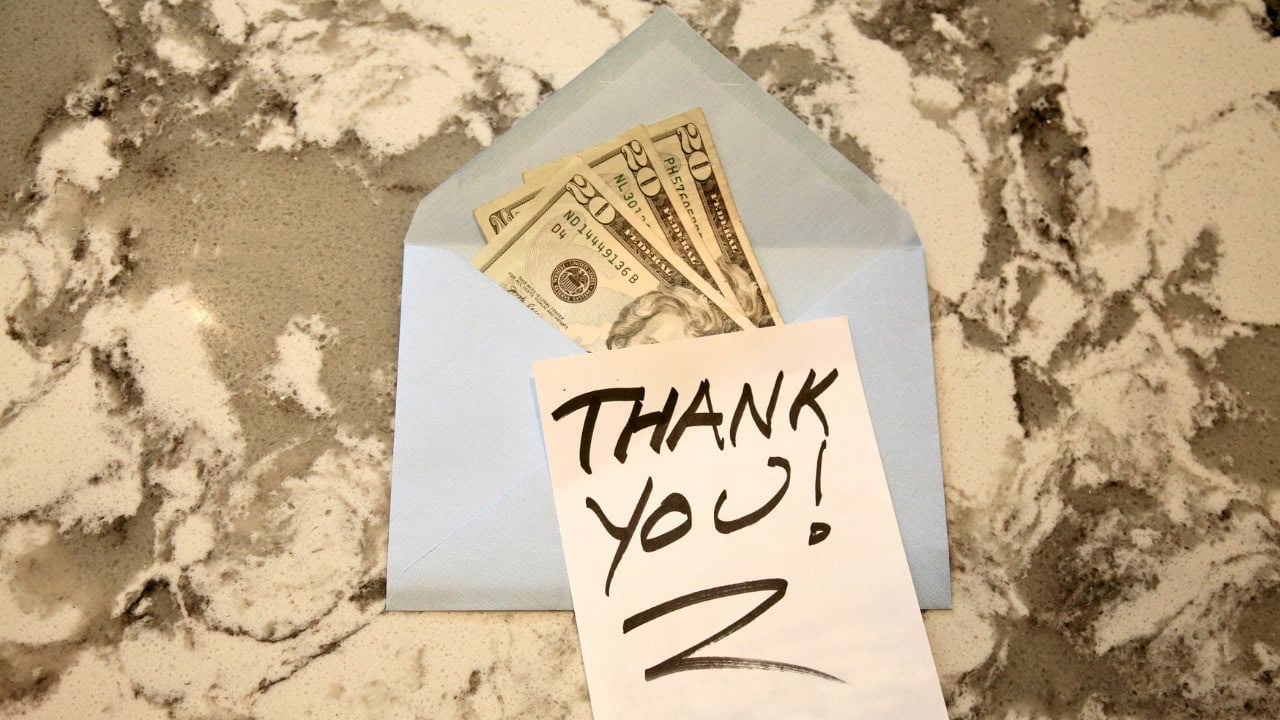
Tax refunds, birthday cash, rebate checks—anytime unexpected money came in, I resisted the urge to spend it. Even if it was small, I put all or part of it into the emergency fund.
It’s easier to save money you weren’t counting on than money you’ve already budgeted. Over time, those deposits helped me hit milestones faster without changing our day-to-day spending.
I Used Round-Up Transfers
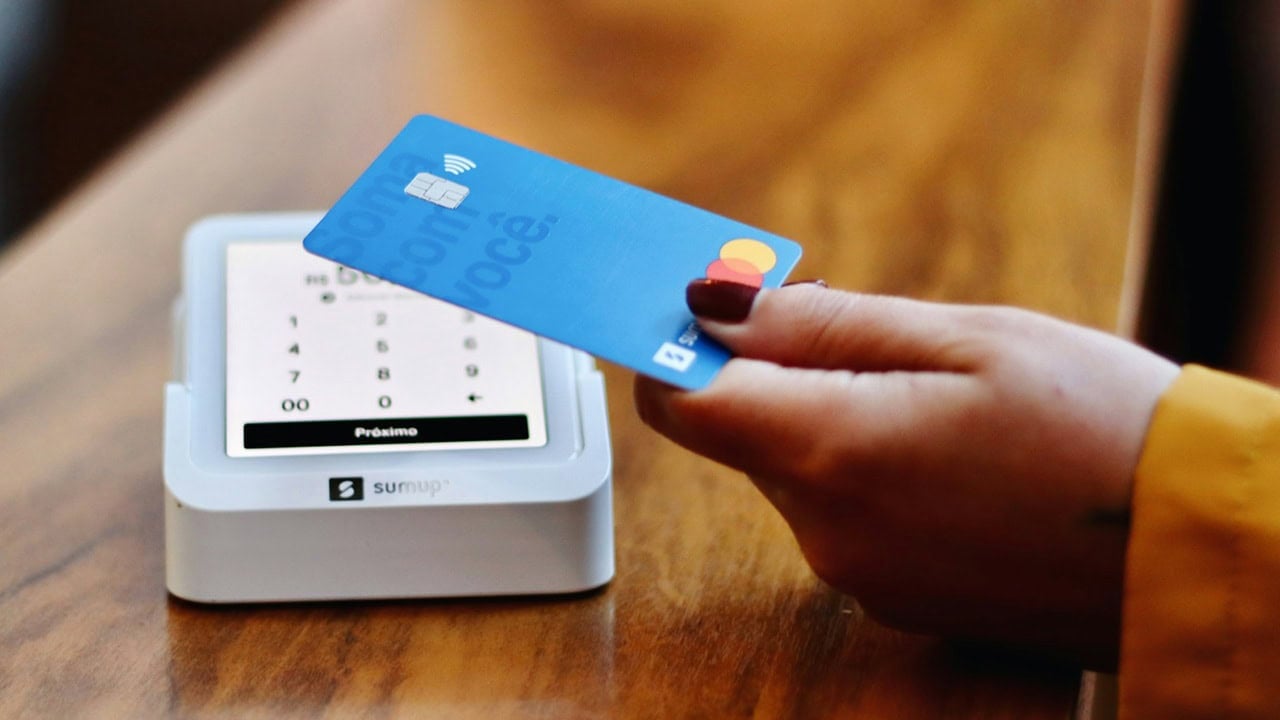
Some banks let you round up every debit card purchase and transfer the difference to savings automatically. It’s a tiny amount—maybe 30 to 80 cents at a time—but it builds up without you thinking about it.
This worked especially well for us during weeks when we couldn’t afford to move over a full $20 or $50. We still made progress, and that momentum kept me motivated to stick with it.
I Picked a Specific Goal
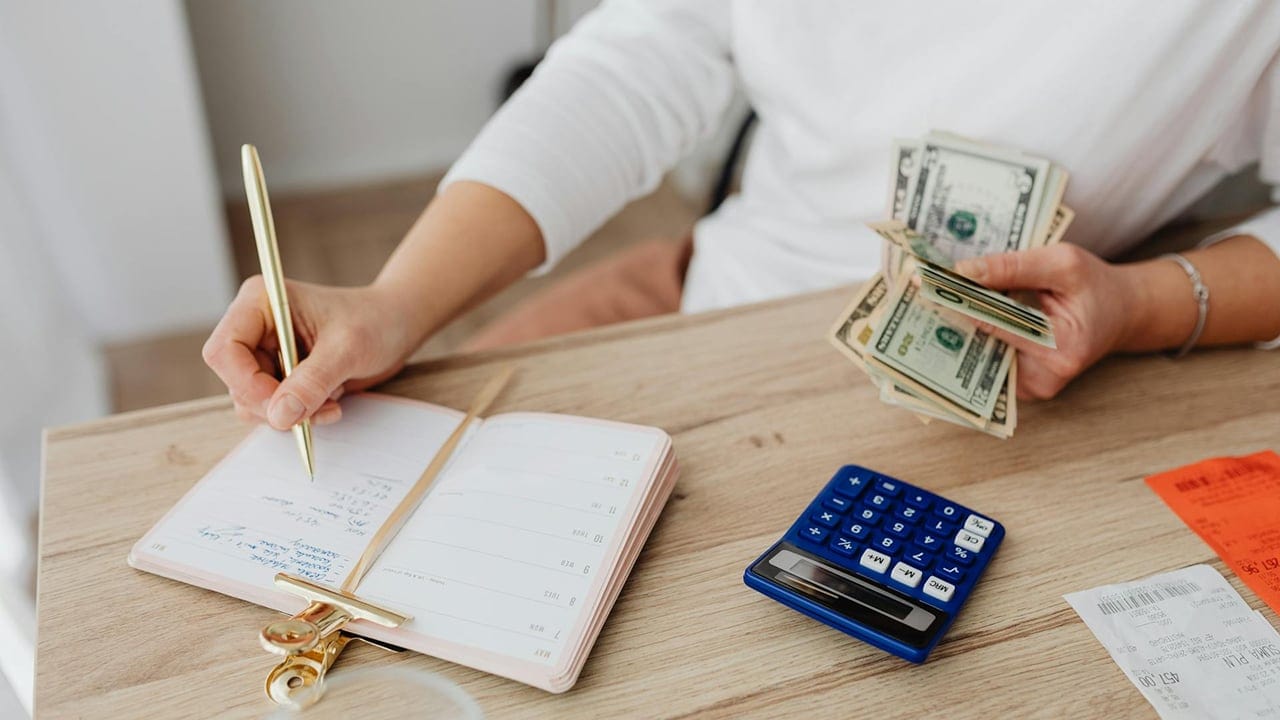
Saying “I want an emergency fund” is too vague to stay consistent. I gave ours a real goal—$1,000 to cover car repairs, surprise bills, or last-minute travel if something happened.
Having that number in mind gave me a finish line to work toward. Once we hit it, I raised the goal again. But starting with something realistic made it feel doable and helped me keep going when progress was slow.
*This article was developed with AI-powered tools and has been carefully reviewed by our editors.
Leave a Reply