
You’ve scrubbed the counters, mopped the floors, and lit a candle—but something still smells off. It’s one of the most frustrating things about cleaning: the house looks spotless, yet the air tells a different story.
That lingering odor usually isn’t from what you missed—it’s from where you didn’t think to look.
The garbage disposal is holding onto buildup
Even if you rinse it daily, the garbage disposal can trap old food bits that start to rot. Over time, that gunk coats the blades and the inside of the drain. When you turn it on, that smell gets released right into your kitchen.
You can fix it fast with a mix of baking soda and vinegar, followed by boiling water. Grinding up a few lemon peels helps too, but the real key is keeping it clean weekly—not only when it starts to stink.
The washing machine needs a deep clean
If your laundry smells musty right after washing, the machine is the problem. Detergent residue and lint can build up in the gasket or drum, trapping moisture that breeds bacteria and mildew.
Running a hot cycle with white vinegar or a washing machine cleaner once a month helps kill the smell. Also, leave the door cracked open between loads so the interior can dry out completely.
Your vacuum is spreading smells instead of cleaning
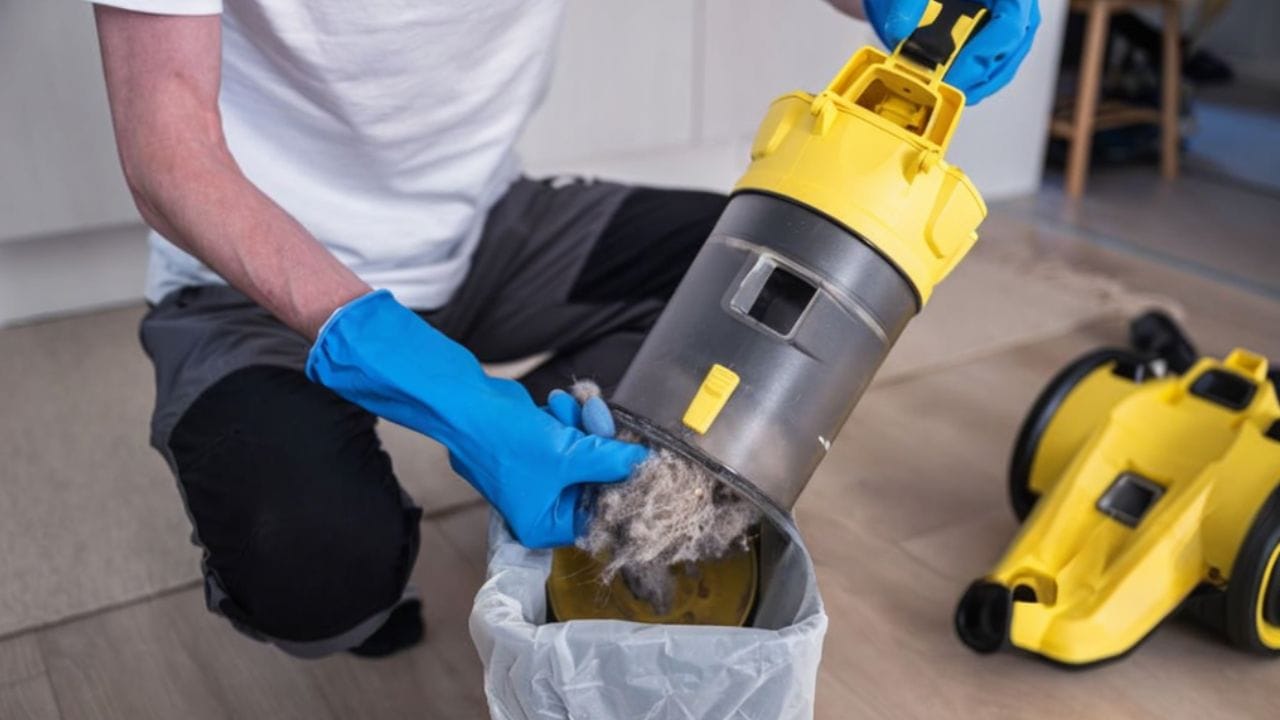
Vacuuming should make the house feel fresher, but if the filter or bag hasn’t been changed in a while, it’s doing the opposite. Pet hair, dust, and moisture create an odor that blows right back into the air every time you vacuum.
Clean or replace the filter, empty the canister often, and sprinkle baking soda on carpets before vacuuming. It’ll absorb smells instead of redistributing them.
The fridge drip pan is overdue for a wipe-down
There’s a hidden tray under most refrigerators that catches condensation and spills. Over time, it becomes a perfect home for mold, mildew, and even bacteria from old food leaks.
Slide the fridge out and check the pan. A quick clean with vinegar water or dish soap makes a huge difference. It’s one of those “out of sight, out of mind” areas that can make a whole kitchen smell sour.
Fabric and soft surfaces are holding odor
Couches, curtains, and rugs act like sponges. They absorb smells from cooking, pets, and daily life, and regular surface cleaning doesn’t get deep enough to release them.
Try washing removable covers, vacuuming upholstery, or using an enzyme-based spray that targets odor-causing bacteria. It’s not about masking—it’s about breaking down what’s actually trapped in the fibers.
The air vents are dirty
If the smell seems to move from room to room, it might be in your ductwork. Dust, pet dander, and even mold can collect in vents and circulate whenever the system runs.
Remove vent covers and vacuum inside, or replace your HVAC filters if they’re due. In older homes or ones with pets, a professional duct cleaning can make the air smell dramatically better.
Moisture is hiding where you least expect it
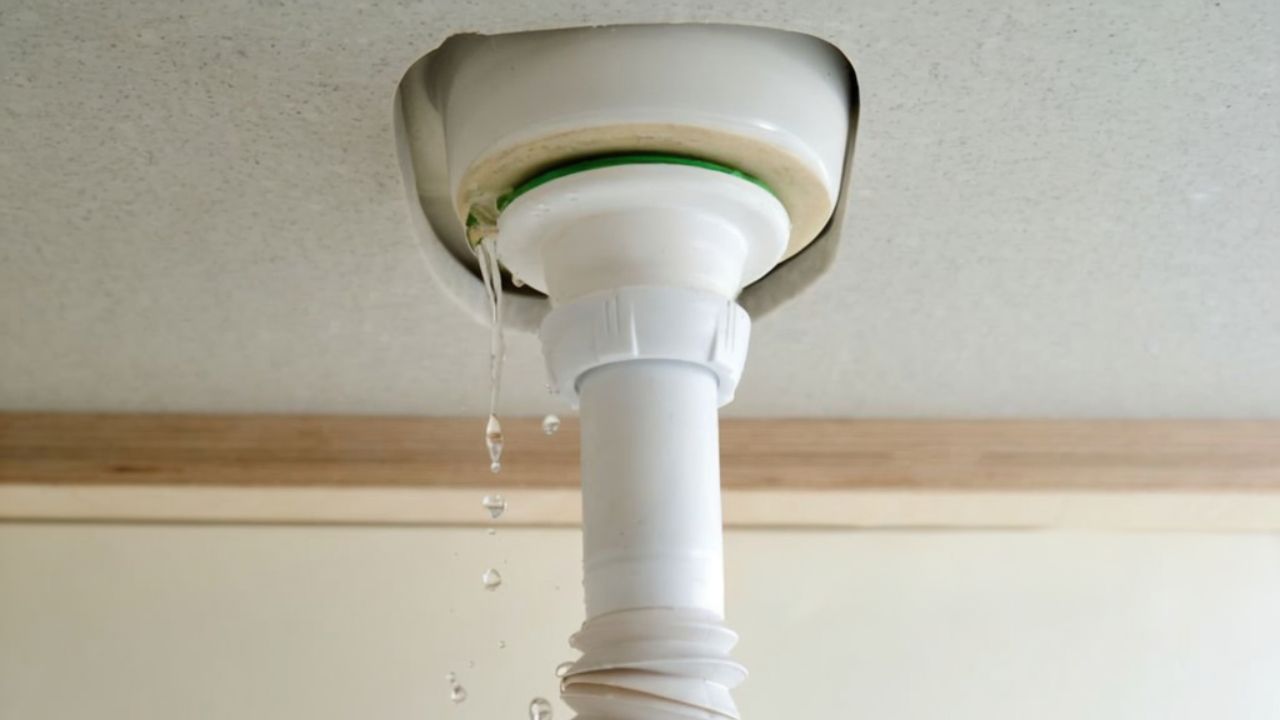
Bathrooms, basements, and kitchens are prime spots for hidden dampness. A tiny leak under a sink or behind an appliance can create that “wet” or musty smell long before you see the damage.
If the air smells earthy or stale after cleaning, check for slow leaks or spots that never fully dry. Fixing the source—rather than covering it with candles or sprays—is what keeps your home actually smelling clean.
Once you track down where that odor’s hiding, you’ll realize your house wasn’t “dirty”—it just needed attention in the places most people forget.
*This article was developed with AI-powered tools and has been carefully reviewed by our editors.
Leave a Reply