
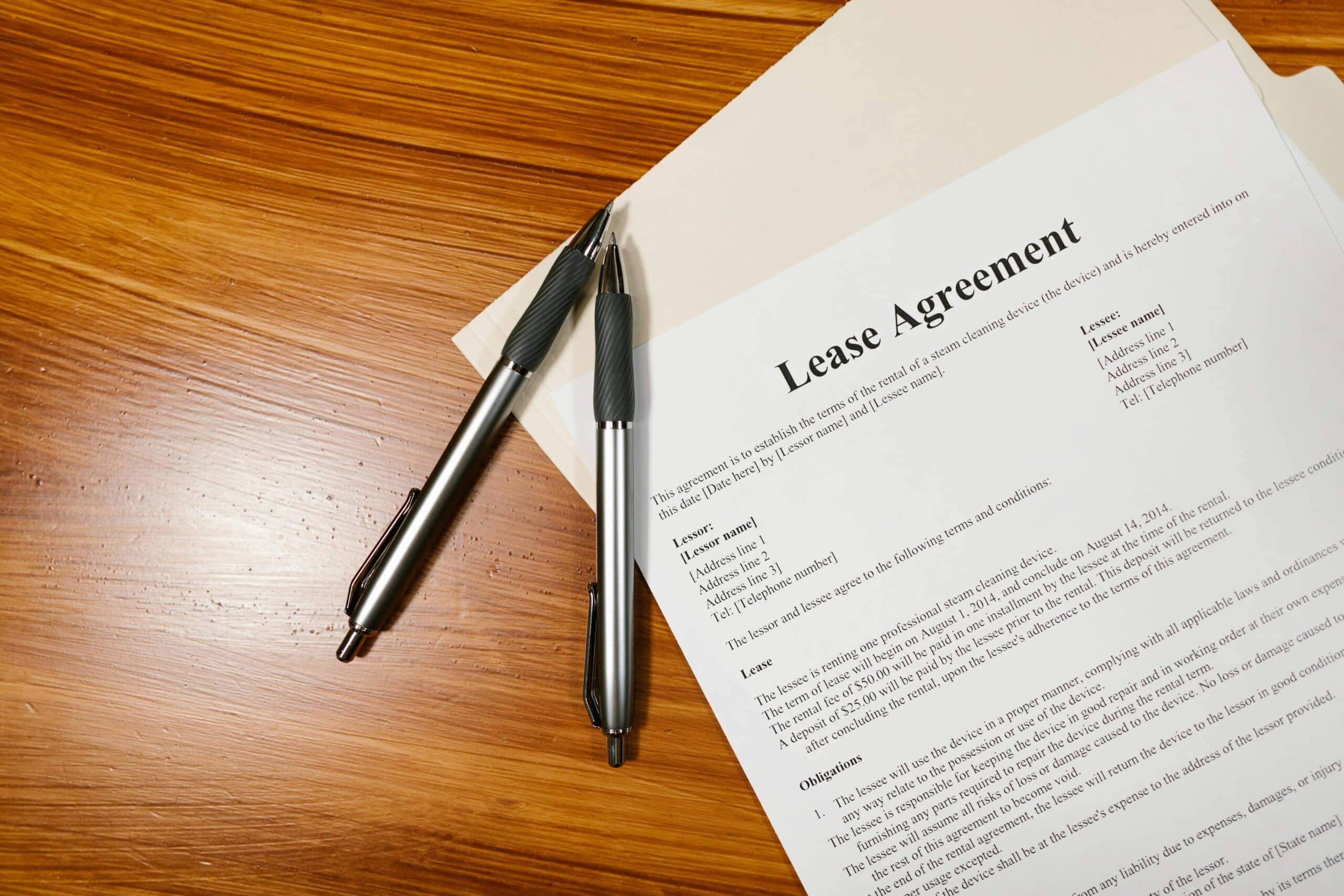
Most renters look at the big numbers: monthly rent, deposit, move-in date. The sneaky part is buried deeper in the lease. Certain clauses build in yearly increases and extra fees, and once you’ve signed, you’ve basically agreed to them.
You can’t avoid every increase—taxes and costs go up—but you can stop being surprised by them. Here are the lease sections worth reading twice before you hand over a pen.
1. Rent escalation clauses
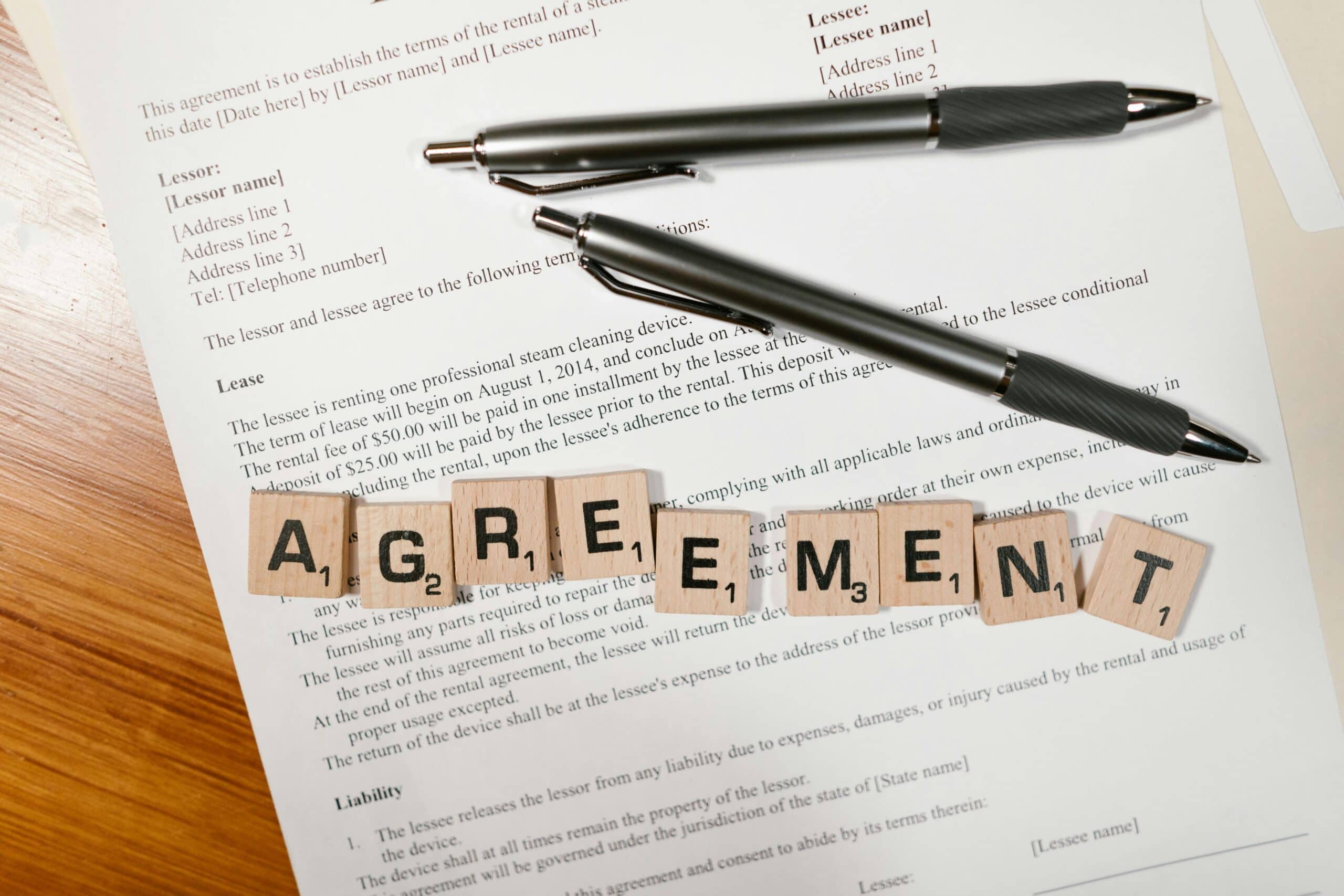
A rent escalation clause is basically permission for your landlord to bump the rent up automatically—by a set dollar amount, a percentage, or tied to something like inflation or “market rate.”
Sometimes it looks harmless: “$50 per year” or “3% annually.” That doesn’t sound like much until you’ve been there four years and you’re suddenly paying hundreds more. If you see this, ask how often it’s applied, if there’s a cap, and if it’s negotiable before you sign.
2. Automatic renewal with built-in increases

Automatic renewal can sound convenient until you realize the “new term” renews at a higher rate by default. Some leases say they’ll renew unless you give written notice 30–90 days before the end—and the renewal rate will follow a listed schedule or whatever the landlord posts as their current rate.
If you miss the notice window, you might roll into another full term or a pricey month-to-month rate. Look for language about renewal, notice deadlines, and what your rent becomes after that date. Put those dates in your phone the day you move in.
3. “Market rate” or “at landlord’s discretion” language

Anytime you see “market rate,” “prevailing rate,” or “at landlord’s discretion,” your rent is tied to a number you can’t actually see in the lease. That gives the landlord wiggle room to jump more than a simple 2–3% cost-of-living bump.
That doesn’t automatically mean they’ll jack it sky-high, but it does mean you don’t have a clear ceiling to plan around. Ask if they’re willing to list a max increase per year or per renewal so you’re not guessing.
4. Utility billing add-ons and RUBS
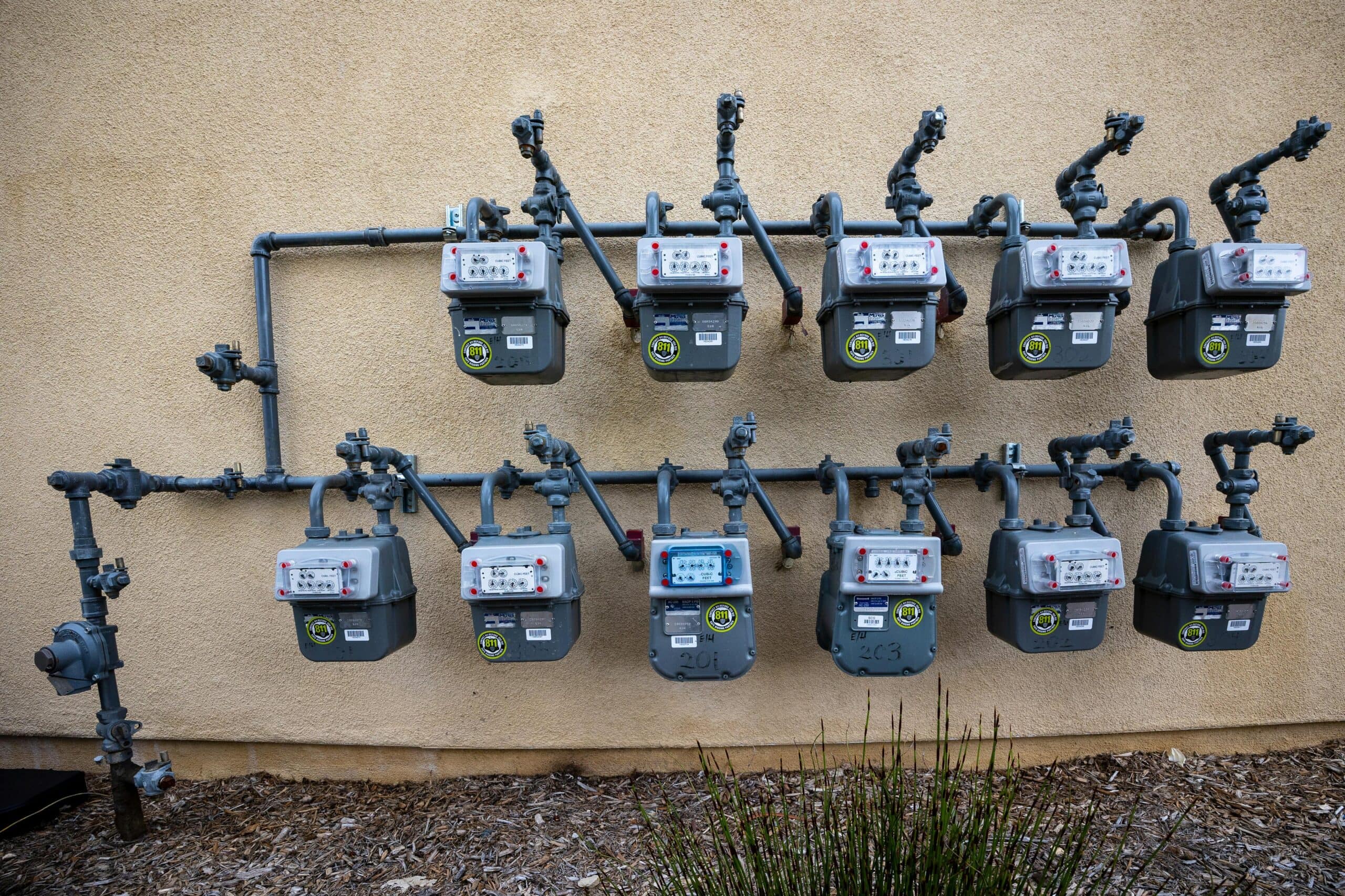
Your rent might look reasonable until you add in “utility admin fees,” flat utility charges, or RUBS (Ratio Utility Billing System), where you’re paying a share of a building-wide bill based on unit size or head count—not what you personally use.
In some buildings, the base rent is low because they make their money on utilities. Ask: Are utilities submetered (you pay what you use) or allocated? Are there monthly admin or billing fees added on top? That extra $40–$80 a month adds up over a year.
5. Pet rent, pet fees, and “pet admin” charges

Pet deposits and one-time fees are annoying, but predictable. The real long-term cost is pet rent—an extra monthly charge just for having an animal in the unit, sometimes plus a nonrefundable upfront fee.
Add $35–$75 a month for 2–3 years and you’ve basically bought a new appliance and handed it to the landlord. If you have pets, compare buildings on total pet costs, not just rent. And always separate pet fees (one-time) from pet rent (monthly).
6. Convenience and payment processing fees
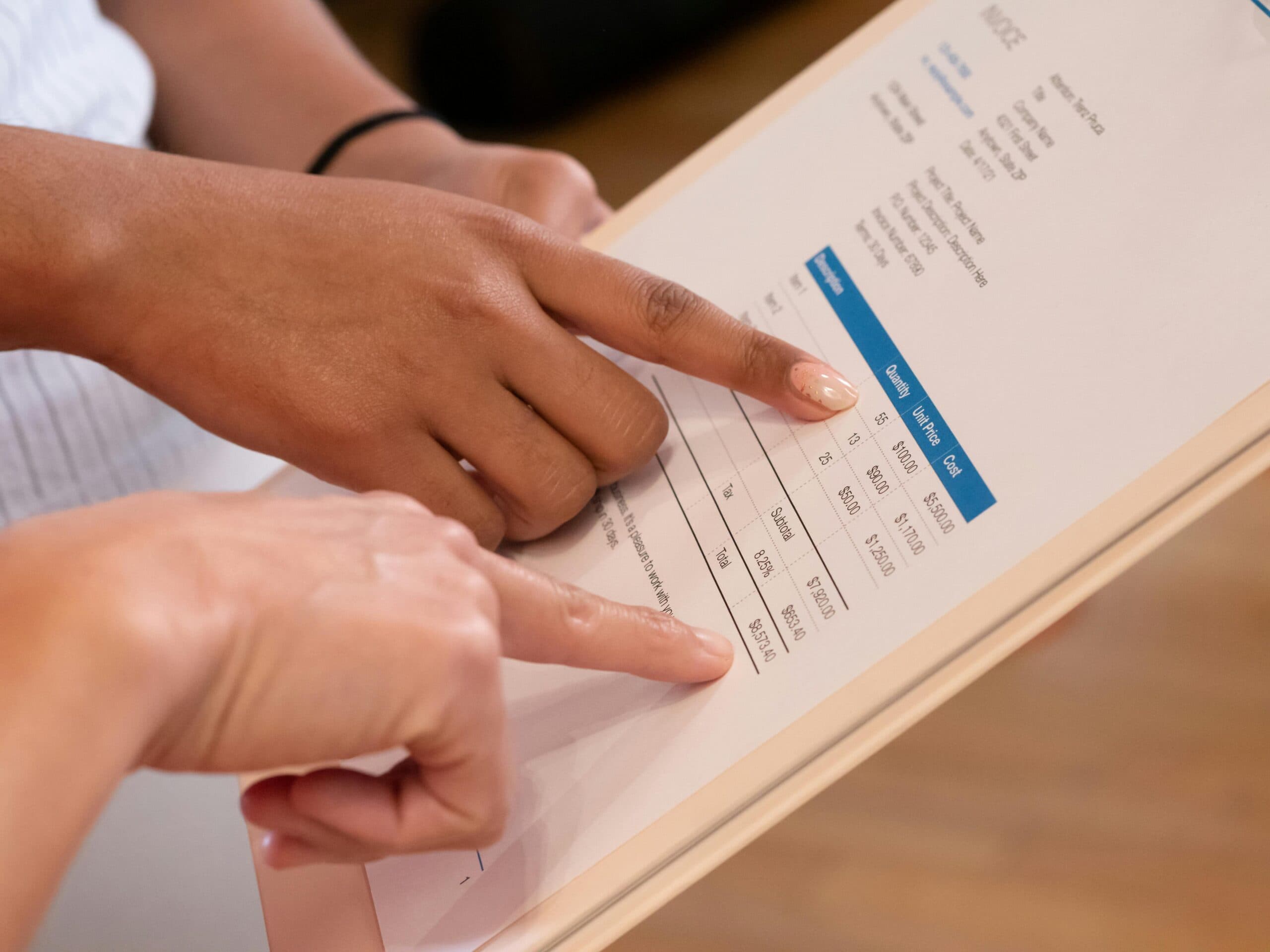
A lot of places quietly pass credit card processing fees onto tenants—2.5–3% or more for paying “the easy way” online. Some even charge “convenience” fees for certain portals or payment types.
That means a $1,500 rent could cost an extra $37–$45 a month if you’re not using the “no-fee” option. Ask what the cheapest payment method is (often ACH or online check) and build a routine around that instead.
7. Fee schedules tucked into “house rules”

Some leases have a separate “rules and regulations” or addendum where they slide in admin fees, notice fees, key fees, parking registration charges, or even “paper billing” fees.
Those papers are part of the contract, not optional reading. Look for anything with a dollar sign and ask, “How often does this apply? Under what conditions?” Getting clear now can save you from a slow drip of $25–$150 surprises later.
Quick note: This isn’t legal advice—just a cheat sheet for what to look for. Laws vary by state, so if something feels off, it’s worth reading your local tenant-rights site or talking to a pro.
*This article was developed with AI-powered tools and has been carefully reviewed by our editors.
Leave a Reply