
A dishwasher is supposed to make your life easier, not make your kitchen smell worse. But if you’ve noticed a musty or sour odor every time you open the door, it’s a sign something inside isn’t as clean as it looks.
Most of the time, that smell doesn’t come from the machine itself—it comes from how it’s being used. A few small habits can turn your dishwasher into a breeding ground for bacteria, and fixing them is easier than you’d think.
You’re not cleaning the filter often enough
That little filter at the bottom of your dishwasher catches food particles, grease, and gunk every single wash. When it’s not cleaned regularly, that trapped food starts to rot—and that’s usually the first place to check when you smell something foul.
Pull the filter out once a week and give it a good rinse with warm, soapy water. Use an old toothbrush to scrub any sticky buildup. It takes less than five minutes, and it’s the single biggest step toward keeping your dishwasher from smelling like spoiled leftovers.
You’re pre-rinsing the dishes too much
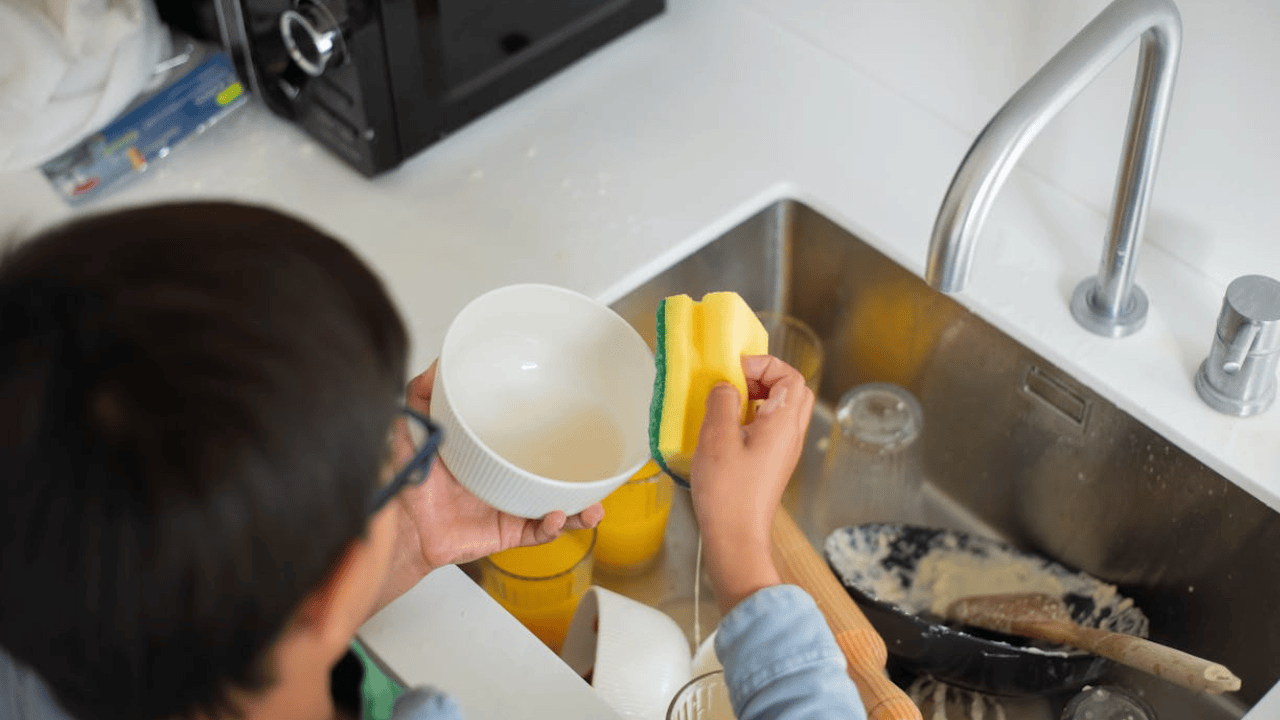
It sounds backward, but scraping and rinsing your dishes completely clean before running the dishwasher can actually make odors worse. Dishwashers are designed to sense how dirty the water is and adjust the cycle accordingly. When there’s nothing left to detect, it doesn’t use enough water or heat to wash properly.
Instead, scrape off large bits of food but leave a thin layer of residue. That gives your dishwasher something to “read,” helping it run at the right strength and temperature. You’ll end up with cleaner dishes—and a fresher machine.
The drain hose is holding stagnant water
If your dishwasher smells more like sewage than old food, the problem might be the drain hose. When water sits too long in the hose or it’s installed incorrectly, bacteria start to grow. That odor gets pushed back into the machine every time you open the door.
Make sure the hose has a proper high loop or air gap to prevent backflow, and check for kinks that could be trapping water. If it’s been years since it was installed, it might be worth disconnecting and flushing it out completely.
You’re closing the door right after every cycle
After a wash, the inside of your dishwasher is still warm and damp—basically a perfect environment for mildew. Closing the door right away traps all that moisture inside.
Crack the door open after each load to let the steam escape and air circulate. Even ten minutes of ventilation helps prevent that sour smell from forming. If your kitchen gets humid, leaving it open longer or running a fan nearby helps too.
You’re skipping monthly deep cleans

A regular wash doesn’t clean the dishwasher itself. Over time, detergent residue, grease, and hard water buildup cling to the walls and spray arms, creating that sour, musty odor you can’t seem to get rid of.
Once a month, run an empty cycle with a dishwasher cleaner or a cup of white vinegar placed on the top rack. For extra cleaning power, sprinkle baking soda on the bottom and run a short hot cycle afterward. It keeps everything fresh, deodorized, and working more efficiently.
You’re using the wrong detergent—or too much of it
Using too much detergent might make you feel like you’re getting a deeper clean, but it does the opposite. Extra soap creates buildup inside the machine and traps moisture in the corners, which quickly turns into a breeding ground for bacteria and mold.
Stick to the recommended amount for your water type and load size, and avoid mixing brands or adding “a little extra for good measure.” If you’ve already been overdoing it, run a few empty hot cycles to flush out the excess.
Once you fix these small habits, that funky smell will disappear fast. A clean dishwasher doesn’t just mean cleaner dishes—it keeps your whole kitchen smelling fresh, the way it should after a good wash.
*This article was developed with AI-powered tools and has been carefully reviewed by our editors.
Leave a Reply