
It happens to everyone—you grab what feels like “healthy” or “smart” groceries, only to find them wilting, molding, or smelling strange a week later.
Some foods simply don’t last as long as we expect, and others have better alternatives that stretch your money further without sacrificing quality or convenience. Here’s where most people go wrong and what you should be buying instead.
Fresh herbs
Fresh herbs look great in the cart, but unless you cook daily, they’re one of the fastest things to rot in the fridge. A few days in, that bright cilantro or parsley turns to mush, leaving you feeling guilty for tossing it.
Instead, buy freeze-dried or frozen herbs. Brands like Litehouse or Dorot keep flavor without the waste, and you can portion out only what you need. Another option is growing your own small pot of herbs—basil, parsley, and chives do well on a sunny windowsill and stay fresh far longer.
Bagged salad
Bagged salad mixes are convenient, but they have a short shelf life. The greens start wilting as soon as you open the bag, and even before that, condensation can speed up spoilage. You end up throwing out half a bag of soggy lettuce that cost you $5.
Try buying whole heads of romaine, green leaf, or butter lettuce instead. They last longer when stored unwashed in the crisper drawer, and you can tear off what you need for each meal. If you really like the convenience, a salad spinner makes prep fast and helps greens last days longer.
Avocados
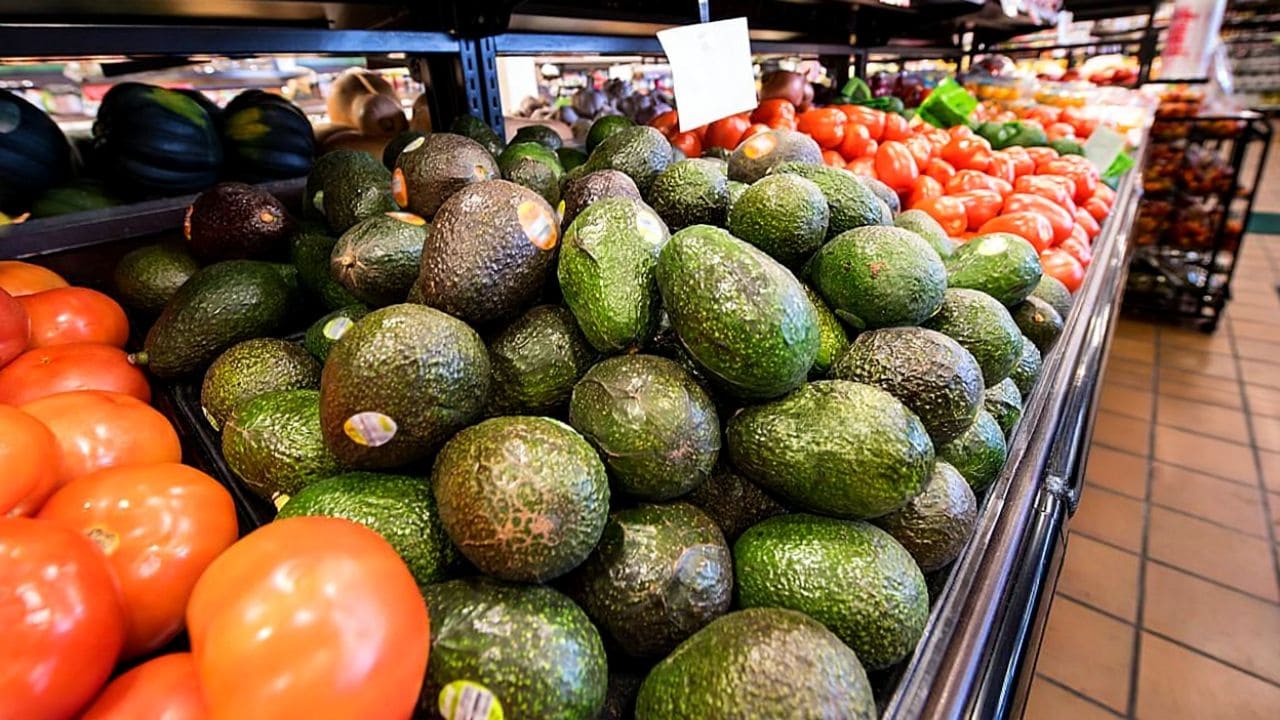
Avocados are tricky—they’re either rock hard or suddenly brown and mushy. Unless you plan your meals around them, they tend to go bad before you can use them all.
Instead, keep frozen avocado chunks on hand. They’re perfect for smoothies, toast, or guacamole, and you won’t waste money throwing away half a fruit. You can also slow down ripening by refrigerating avocados once they start to soften.
Berries
Berries are one of the most perishable foods in your fridge. Within days, mold starts forming, especially if there’s moisture trapped in the container. It’s frustrating when you spend $6 on raspberries only to toss them by midweek.
Frozen berries are the better buy for most people. They’re picked at peak ripeness, and they work great for oatmeal, baking, or desserts. If you prefer fresh, rinse them only right before eating and line the container with paper towels to soak up moisture.
Fresh bread
If you don’t eat a lot of bread quickly, it’s easy for loaves to go stale or moldy long before you reach the end. Homemade or bakery bread, especially, has a shorter shelf life since it lacks preservatives.
Instead, buy half loaves or slice and freeze what you won’t use right away. Frozen bread toasts beautifully, and you’ll waste less. For sandwich bread, store-brand versions with longer shelf lives can make more sense for small households.
Specialty sauces or condiments
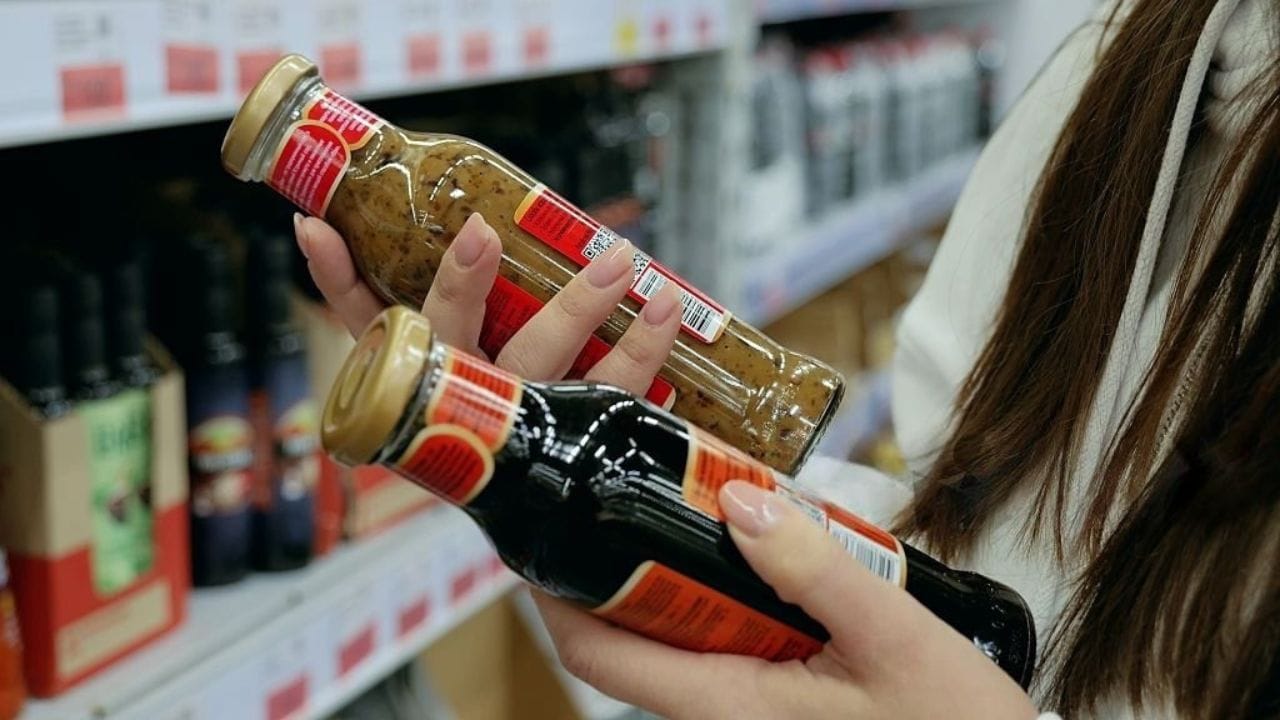
You know that bottle of fancy dressing, stir-fry sauce, or marinade that’s been sitting half-empty for six months? Condiments often seem like a smart buy, but they expire faster than you think—and most people only use them once or twice.
Look for multipurpose sauces you can use across different meals, like olive oil with seasoning, or make smaller batches at home. You’ll save space, money, and cleanup. If you find a store brand you love, check the expiration date before you stock up—some last only a few weeks once opened.
A lot of wasted grocery money comes from good intentions. You want to eat healthier or try something new, but those fresh or specialty items have a short window. By switching to versions that last longer—frozen, dried, or multi-use—you’ll waste less, spend less, and still eat well.
*This article was developed with AI-powered tools and has been carefully reviewed by our editors.
Leave a Reply