
12 things I wish I’d known before becoming a parent

Nothing really prepares you for parenthood, no matter how many books you read or how much advice you get. Once you’re in it, you quickly realize there are things you wish someone had told you upfront—the details that don’t always make it into parenting guides. These aren’t about scaring you or making it harder, but about being realistic. Parenting is full of surprises, and knowing a few truths early on can save you a lot of frustration and self-doubt.
Sleep Deprivation Is Different Than You Think

People will warn you about sleepless nights, but living through it feels completely different. Interrupted sleep takes a toll in ways you can’t anticipate until you’re there. It affects your mood, patience, and even basic decision-making.
Knowing this ahead of time helps you plan for backup support. Naps, sharing shifts with your partner, or asking family to step in make a big difference when exhaustion sets in.
You’ll Second-Guess Yourself Constantly

Even confident people find themselves questioning every decision once a baby arrives. From feeding choices to bedtime routines, it feels like every move carries weight.
The truth is, there isn’t one perfect way to parent. Realizing that doubt is normal makes it easier to focus on what works for your family instead of chasing someone else’s idea of perfect.
The Cost Adds Up Fast

Diapers, formula, clothes, and gear pile up in ways you don’t fully grasp until you’re buying them regularly. Even small expenses like wipes or pacifiers add up month after month.
Budgeting ahead and accepting secondhand items helps soften the blow. Knowing what’s worth splurging on versus what you can skip keeps your finances steadier in the long run.
Every Child Is Different
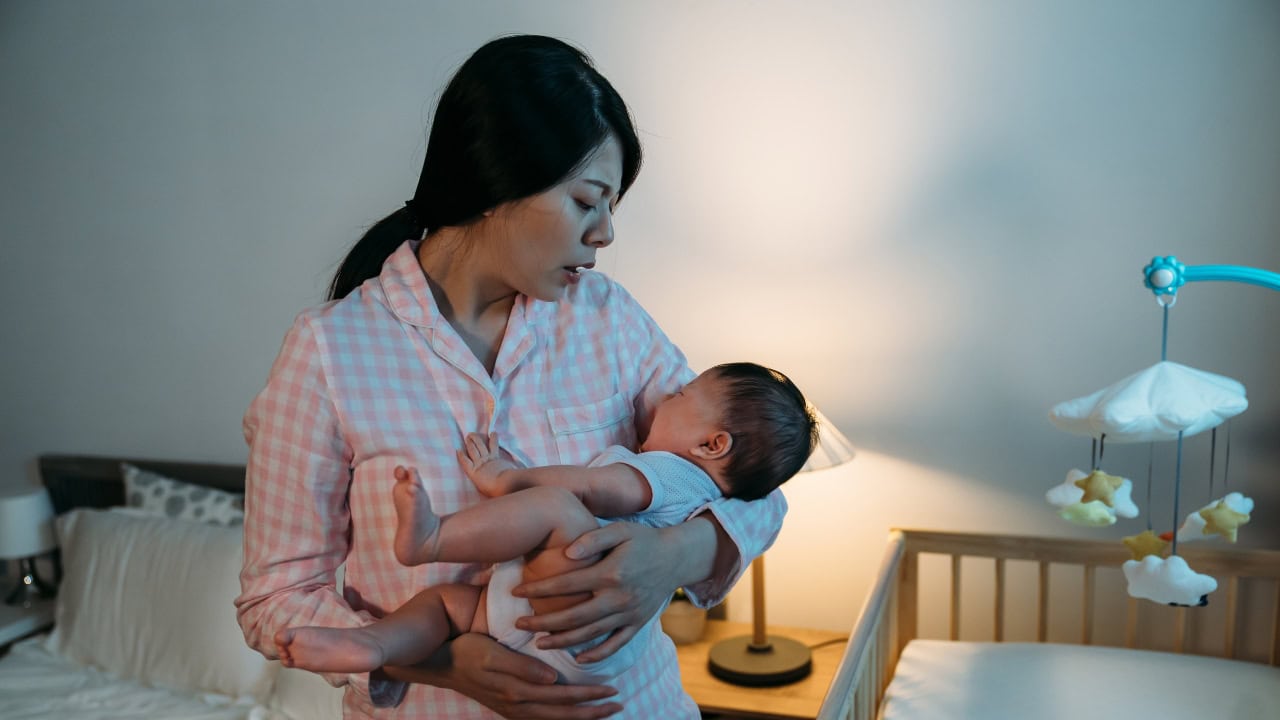
What works for one child might completely fail with another. You can follow the same schedule, same approach, and still end up with two totally different outcomes.
This matters most when you start comparing yourself to other parents. Accepting that your child has their own pace and personality makes parenting less stressful and a lot more rewarding.
Relationships Shift More Than Expected

Becoming a parent doesn’t just change your relationship with your child—it changes your relationship with your partner, family, and friends. Priorities shift, free time shrinks, and dynamics evolve quickly.
Knowing this helps you adjust expectations. Keeping communication open and carving out time for connection, even in small ways, keeps relationships stronger during the transition.
You Won’t Have Time for Everything

Before kids, you think you’ll be able to juggle parenthood alongside hobbies, social events, and career goals without missing a beat. In reality, time gets tighter than you expect.
The sooner you accept that some things will wait, the less guilt you’ll carry. It’s not about giving up forever—it’s about adjusting priorities during certain stages.
Parenting Advice Will Conflict Constantly

The amount of conflicting advice you’ll get is overwhelming. One expert says one thing, another says the opposite, and relatives will chime in with their own opinions.
Learning to filter advice is crucial. Take what’s useful, ignore the rest, and remember that your family’s needs matter more than meeting someone else’s standards.
Kids Need Less Stuff Than You Think

The baby industry markets endless products, making you feel like you need every gadget to be a good parent. In reality, your child needs far less than what’s sold to you.
Focusing on the basics—safe sleep space, car seat, feeding supplies, and love—covers most of it. Everything else is extra and often ends up unused.
Your Patience Will Be Tested Daily

Even if you think of yourself as a patient person, parenting stretches that limit in new ways. Tantrums, messes, and endless questions will push your buttons.
Recognizing this ahead of time helps you find coping strategies. Deep breaths, short breaks, or tag-teaming with a partner can keep you steady when patience runs thin.
The Hard Stages Don’t Last Forever

It’s easy to feel stuck in the middle of a tough phase, whether it’s teething, sleep regressions, or tantrums. But every stage eventually passes.
Keeping that perspective makes the hard parts easier to handle. It also helps you notice the sweet moments along the way, which can be just as fleeting.
*This article was developed with AI-powered tools and has been carefully reviewed by our editors.
Leave a Reply