
12 things I do every payday to stay ahead

Payday doesn’t fix everything unless you’re being intentional with how you use it. Without a plan, money slips through fast and you’re right back in the same spot two weeks later.
The things I do on payday aren’t complicated, but they keep me from scrambling between checks or wondering where all the money went. These habits help me stay a few steps ahead instead of always playing catch-up—and the peace of mind makes a bigger difference than you’d think.
Look at the Calendar Before Spending Anything

Before you pay bills or make plans, glance at the calendar. What’s coming up before your next check? Any birthdays, annual renewals, travel, or school expenses? Those are the things that quietly wreck a budget if you don’t account for them early.
When you know what’s ahead, you can adjust right away. Maybe you hold off on takeout or transfer a little less to savings to cover something unexpected. Either way, checking the calendar keeps you grounded in reality instead of guessing your way through the month.
Pay All Known Bills First
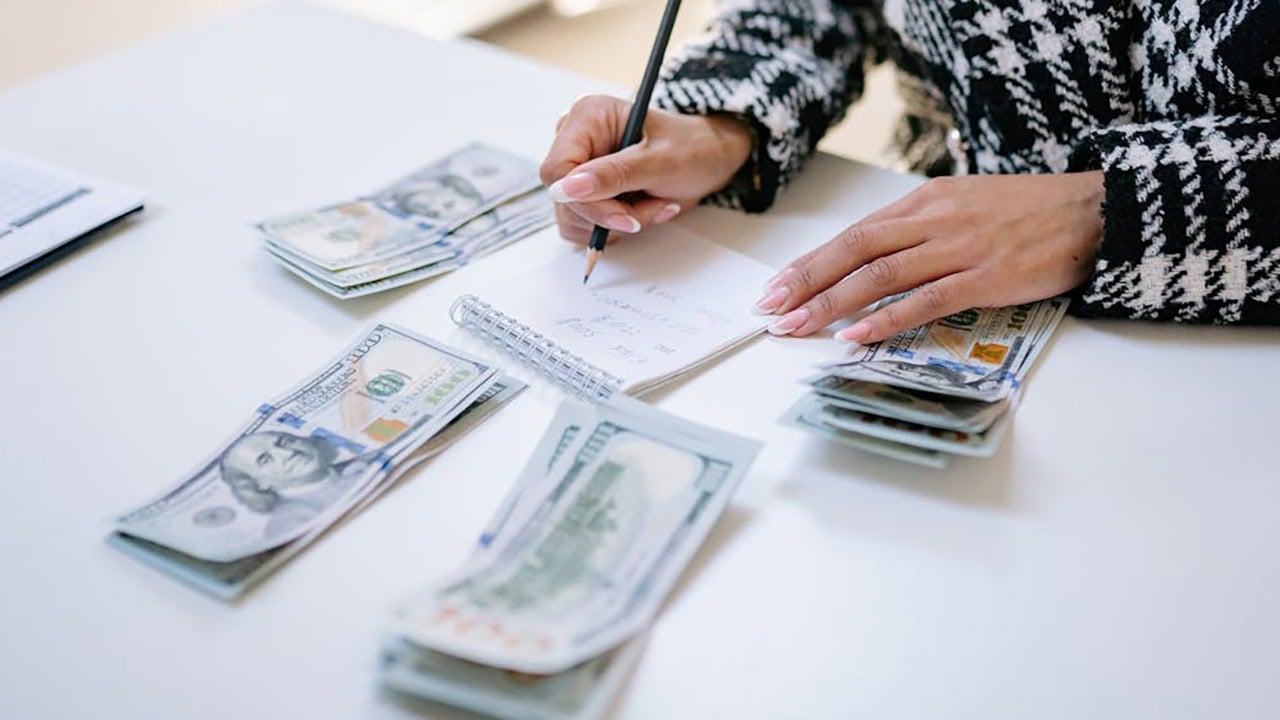
The first thing to do with your paycheck is pay the bills you know are due. Don’t wait until they’re breathing down your neck. Knock them out early so you aren’t tempted to use that money elsewhere.
Start with the essentials—mortgage or rent, utilities, car payment, insurance—and anything with a fixed due date. If you have leftover bills scheduled to auto-draft later in the pay period, go ahead and leave that amount in your account untouched.
Refill Sinking Funds

Sinking funds are the secret weapon to not being broke when bigger expenses hit. Every payday, I top off categories like car maintenance, Christmas, birthdays, and medical.
It doesn’t have to be a lot—even $20 or $50 adds up fast. When those expenses pop up, you’ll be ready without blowing your regular budget. Skipping this step is what leads to panic spending and extra stress.
Reassign Leftover Money From Last Check

If there’s money leftover from the last paycheck, don’t let it float. Give it a job. You can roll it into savings, use it to cover a larger bill, or put it toward a goal.
Letting it sit without direction usually means it’ll disappear without anything to show for it. Reassigning every dollar keeps your finances tight and intentional—and it feels good to see progress instead of drift.
Grocery Budget Gets Its Own Transfer

I never lump my grocery money in with regular spending. It gets transferred into its own spot so I don’t accidentally spend it on other things.
It’s way too easy to blow through your food budget if it’s sitting in the same place as your everyday spending. Separate it out, and you’ll be more likely to stick to the plan and stop wondering where the money went halfway through the week.
Fund One Future Goal, Even If It’s Small

Every payday, I try to put something toward a future goal—travel, home upgrades, bigger savings. Even $25 matters. Skipping this step makes it too easy to push goals off month after month.
You don’t have to go big every time. The habit is what keeps momentum going. When the time comes to use that money, you’ll be glad you kept showing up for it—even in small amounts.
Check Your Spending from the Last Pay Period

It’s not fun, but it’s helpful. Take five minutes to scroll through your last pay period and look at where the money went. Patterns show up fast.
If you overspent somewhere or kept swiping without thinking, it’s easier to course correct when you actually see it in black and white. You don’t need guilt—you need awareness so you don’t repeat it again this time.
Refresh Your Budget Categories

Your budget shouldn’t stay the same every single check. Life changes, and your categories need to reflect that. On payday, I tweak anything that needs adjusting.
If I know a month is going to be heavy on gas or lighter on eating out, I move things around. It keeps my budget working for me instead of forcing me to fit a mold that doesn’t match real life.
Set Spending Boundaries for the Week

Even with a budget, it helps to set specific limits on what you’re comfortable spending between now and your next check. This is where you stop impulse buying before it starts.
You can say, “I’m only spending $40 on takeout this week,” or “I’m not buying anything extra until Friday.” That mental boundary gives you a way to say no to things that don’t matter so you can say yes to what does.
Make Sure Savings Gets Something
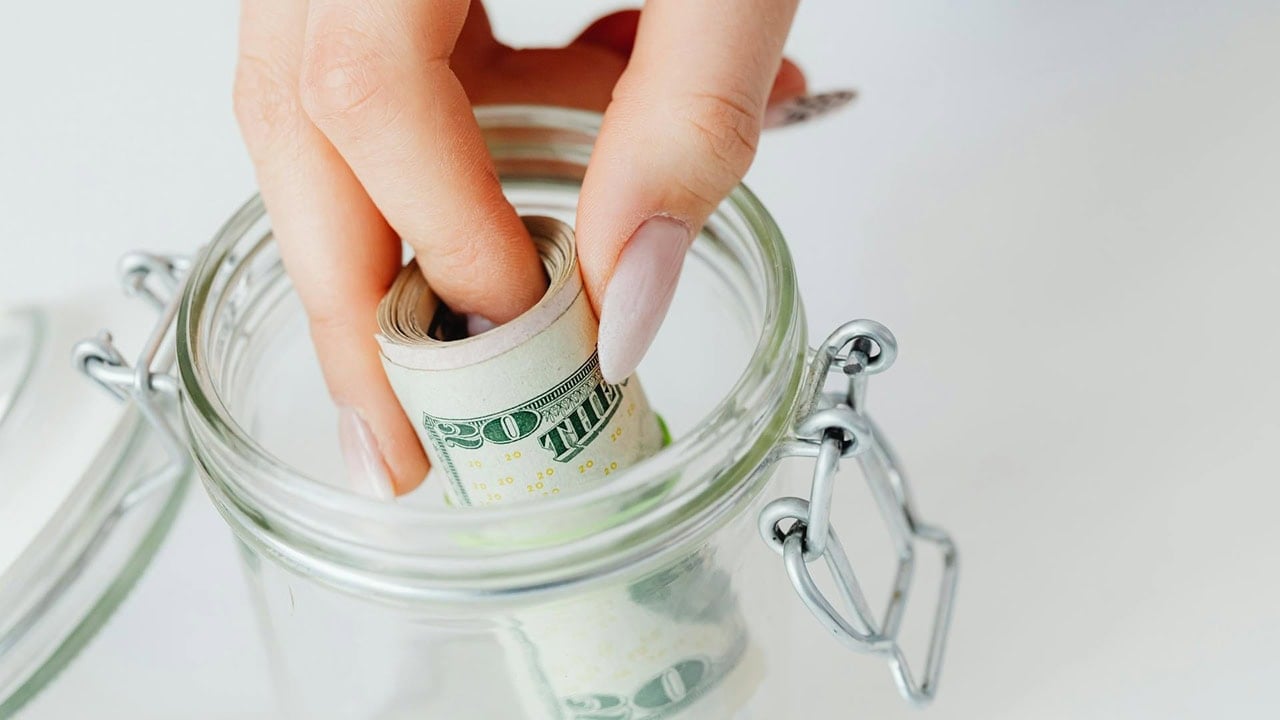
No matter how tight things feel, I always try to send something to savings. It doesn’t have to be big. Even $10 or $20 keeps the habit alive.
Skipping it altogether trains your brain to believe there’s never “enough.” But building savings slowly, even during tight months, helps reinforce that saving is part of your normal, not something you only do when things are perfect.
Clear Out Pending Transactions

Before making new purchases, I check what’s still pending. Sometimes there are holds or charges that haven’t gone through yet, and they’ll mess up your actual balance.
Looking at what’s pending helps you avoid overdrafts, surprise shortages, or accidentally thinking you have more to spend than you do. It’s a simple step that prevents a lot of mistakes.
Log Out of Temptation

After I’ve done all the budgeting and planning, I log out of shopping apps and unsubscribe from any email lists that keep me browsing. Payday is when spending temptation is at its highest.
If you’re someone who scrolls when you’re bored, this helps more than you think. You’ve already done the hard work to stay ahead—don’t let boredom or habit unravel it before the week even gets going.
*This article was developed with AI-powered tools and has been carefully reviewed by our editors.
Leave a Reply