
12 self-care habits that cost $0 but changed my routine

Taking care of yourself doesn’t have to cost anything. Some of the most effective self-care habits don’t require fancy products, expensive memberships, or a budget at all. What they do take is a little consistency and a willingness to slow down long enough to notice what you actually need.
When you make these habits part of your routine, you’ll see real benefits—less stress, better focus, and more energy—without spending a dime.
Step Outside for Fresh Air

Getting outside, even for ten minutes, makes a noticeable difference in how you feel. Fresh air, sunlight, and a quick walk can reset your mood and clear mental fog better than another scroll through your phone.
You don’t need a park or trail nearby—stepping into your yard, porch, or even opening a window can help. Making it a daily habit turns it into a free, built-in break that keeps your day from feeling overwhelming.
Drink More Water Throughout the Day

Hydration is one of the most overlooked forms of self-care, yet it affects everything from your energy to your skin. Instead of reaching for more coffee, try keeping a water bottle nearby and refilling it often.
The difference in how your body feels adds up quickly. You’re less likely to get afternoon headaches, and you recover faster from stress when you’re hydrated. It costs nothing but pays off in how steady and refreshed you feel.
Stretch Before Bed

You don’t need a yoga studio or a long routine to feel the benefits of stretching. Spending five minutes loosening your muscles before bed helps your body relax and improves the quality of your sleep.
This small step also reduces the stiffness that comes from sitting too long or carrying stress in your shoulders. Making it a nightly habit signals to your body that it’s time to wind down, giving you a smoother transition into rest.
Write Down Your Thoughts

Journaling doesn’t have to be complicated or time-consuming. A notebook you already have at home is enough to let you process what’s on your mind. Even writing a few sentences can help you let go of stress and keep your thoughts organized.
When you put your feelings on paper, you’re less likely to carry them around in your head. Over time, this habit gives you perspective and helps you spot patterns you might not notice otherwise.
Declutter a Small Space

Tidying up a drawer, countertop, or even your car can instantly lighten your mental load. Clutter adds stress, even if you don’t realize it. Clearing one small area makes your environment feel calmer without requiring money or extra tools.
This habit doesn’t have to take hours. A few minutes each day is enough to keep chaos under control and create a sense of order that makes the rest of life feel easier to manage.
Breathe Intentionally

It sounds almost too simple, but focusing on your breath can quickly reduce stress. A few slow, deep breaths send signals to your body that it’s safe to relax, which lowers tension and clears your head.
You don’t need an app or timer—just a quiet moment to pause. Practicing this regularly helps you handle stressful situations better because you train your body to reset instead of staying on edge.
Take Breaks from Screens
Giving yourself breaks from constant notifications and scrolling does wonders for your focus and mood. Even setting aside 30 minutes without screens can calm your mind and help you feel more present.
You’ll find that your energy lasts longer when you’re not glued to a device. This habit also makes space for other activities—reading, talking with family, or simply resting—that restore you instead of draining you.
Connect with Someone You Care About

Self-care isn’t only about being alone. Reaching out to a friend or family member can lift your mood instantly, and it doesn’t cost anything but a few minutes of your time.
A quick call or text exchange can make you feel supported and less isolated. Making this a habit strengthens relationships and builds a safety net you can lean on when life gets harder.
Go to Bed on Time

Sleep is one of the most powerful forms of self-care, yet it’s often the first thing we sacrifice. Creating a habit of going to bed at a consistent time helps your body and mind recover.
Even if you can’t get a full eight hours every night, a steady routine improves the quality of the sleep you do get. That consistency makes you less groggy in the morning and more able to handle stress throughout the day.
Move Your Body Daily
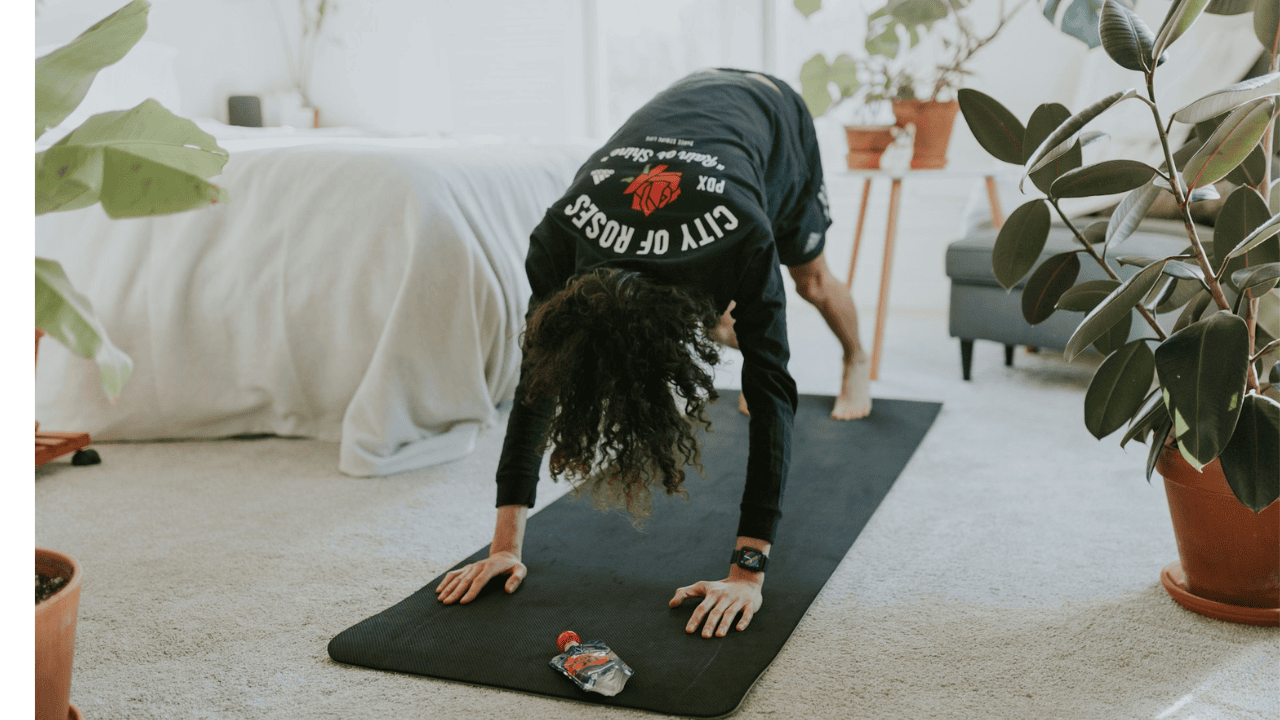
You don’t need a gym membership or equipment to stay active. A walk around the block, bodyweight exercises at home, or even dancing in your kitchen counts. The key is making movement a part of your daily rhythm.
Regular activity boosts your mood and keeps your energy up. By keeping it free and doable, you’re more likely to stick with it, and the benefits build over time without costing you anything.
Spend Time in Quiet

Silence is underrated, especially when life feels loud and busy. Taking a few minutes to sit in quiet—without music, TV, or background noise—helps your brain rest and reset.
This habit makes you more aware of what you need in the moment, whether that’s rest, focus, or problem-solving. Over time, it gives you a stronger sense of calm that carries into the rest of your day.
Practice Gratitude Daily

Shifting your focus to what’s going well is one of the simplest ways to improve your mental state. You don’t need a special journal—just noting three things you’re grateful for each day can change your perspective.
This habit trains your brain to notice positives instead of dwelling only on stress. Over time, it makes challenges feel less overwhelming because you’re already in the practice of looking for what’s good.
*This article was developed with AI-powered tools and has been carefully reviewed by our editors.
Leave a Reply