
12 pregnancy symptoms nobody told me were normal

Pregnancy comes with plenty of well-known changes, but there are also a lot of strange symptoms no one bothers to mention. You may find yourself experiencing things that feel unusual or even worrying, only to learn later that they’re perfectly normal. Hormones are shifting, your blood volume is increasing, and your body is adjusting in ways you’ve never felt before. Knowing what’s common—even if it isn’t often talked about—can make the journey less stressful and remind you that you’re not alone in these surprises.
Metallic Taste in Your Mouth

Many women notice a strange metallic taste during pregnancy, especially in the first trimester. It can make foods taste off and linger even when you’re not eating. This happens because of hormonal changes, particularly the rise in estrogen, which can affect how your taste buds respond.
The sensation is temporary but frustrating. Chewing sugar-free gum, sucking on citrus candies, or drinking cold water can help reduce the odd taste. For most, it fades as hormone levels balance out in later months.
Extra Saliva Production

It might sound odd, but some women experience excessive saliva during early pregnancy. Known as ptyalism, it’s linked to hormonal changes and nausea. You may feel like you need to spit more often or that your mouth is constantly watery.
While it’s not harmful, it can be uncomfortable. Sipping water throughout the day, chewing gum, or using mints can make it easier to handle. Thankfully, this symptom usually eases as you move out of the first trimester.
Nosebleeds Become More Common

Pregnancy increases blood flow, and the small vessels in your nose can become more fragile. That’s why nosebleeds are more frequent, even if you’ve never had them before. Dry air or blowing your nose too hard can make them worse.
It can feel alarming at first, but most nosebleeds are harmless and stop quickly. Using a humidifier and staying hydrated helps reduce how often they happen. If they’re heavy or very frequent, it’s worth checking in with your doctor.
Congestion Without a Cold

Many women develop nasal congestion during pregnancy even when they aren’t sick. This is called pregnancy rhinitis, and it’s caused by increased blood flow and swelling in nasal passages. You may feel stuffy for weeks or months at a time.
It’s not dangerous, but it can be annoying, especially at night. Sleeping with your head slightly elevated, using a saline spray, or running a humidifier can help relieve the pressure until your body adjusts.
Sensitive or Bleeding Gums
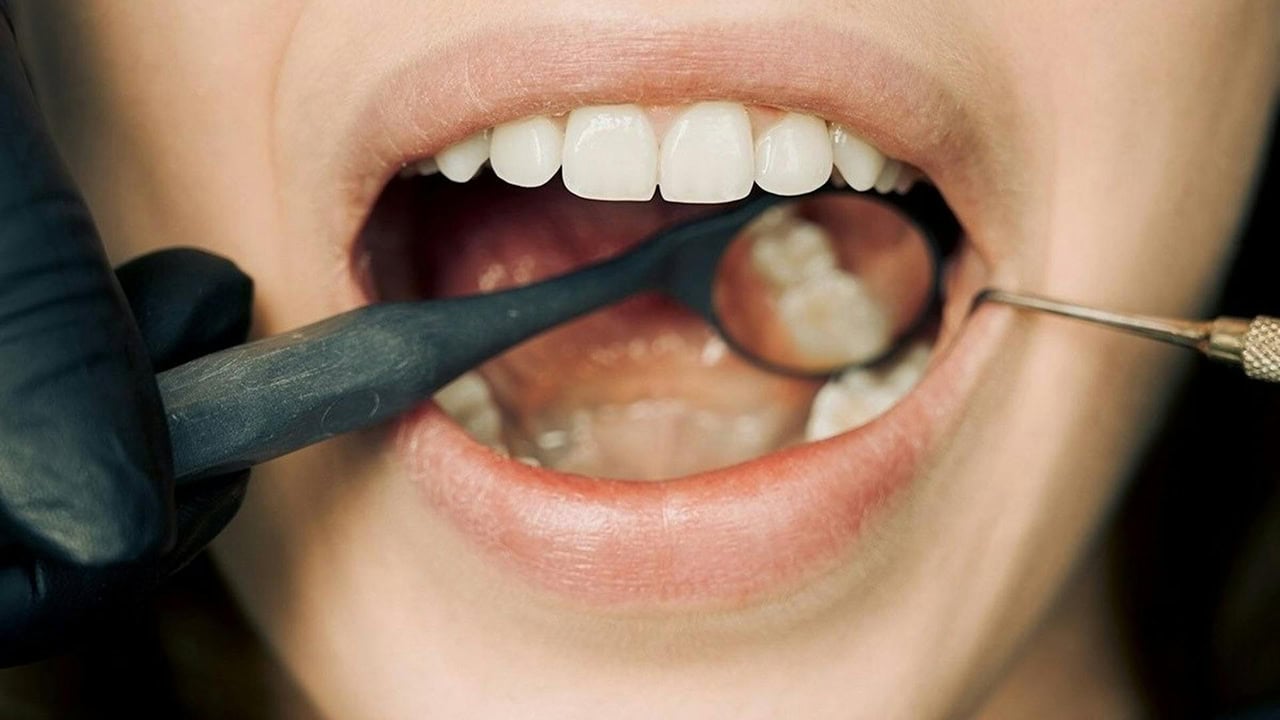
Your gums may bleed more easily during pregnancy due to hormonal changes that make them more sensitive to plaque. Even gentle brushing or flossing can cause bleeding. This condition, often called pregnancy gingivitis, is surprisingly common.
Maintaining good dental hygiene and visiting your dentist can help keep your gums healthy. Using a soft-bristled toothbrush and flossing gently can reduce irritation while still protecting your teeth. This symptom often improves after delivery.
Weird Skin Darkening

Some women notice darker patches of skin during pregnancy, particularly on the face, belly, or inner thighs. This is called melasma or the “mask of pregnancy,” and it’s triggered by hormone shifts that increase pigmentation.
While it’s completely normal, it can feel surprising if it appears suddenly. Wearing sunscreen and avoiding long sun exposure can help keep it from getting darker. Most of the discoloration fades after pregnancy, though it may linger for a while.
Random Leg Cramps

Leg cramps, often striking at night, are another normal but unexpected symptom. They’re thought to be caused by changes in circulation, extra weight, or even dehydration. These cramps can be painful enough to wake you from sleep.
Stretching before bed, staying active during the day, and keeping hydrated can make them less frequent. If cramps are severe or constant, talking with your healthcare provider ensures nothing else is contributing.
Vivid and Strange Dreams

Many women report unusually vivid or bizarre dreams during pregnancy. Hormonal changes and disrupted sleep cycles are the main reasons. These dreams can feel so real that you wake up unsettled or emotional.
While they may catch you off guard, they’re a common part of the pregnancy experience. Keeping a calming bedtime routine and jotting down dreams in a journal can help clear your mind before rest. They often lessen once sleep patterns stabilize.
Restless Legs at Night

Some women experience an irresistible urge to move their legs when lying down, often called restless legs syndrome (RLS). It’s linked to changes in circulation and sometimes low iron levels during pregnancy.
This can make it hard to fall asleep and adds to nighttime discomfort. Staying active during the day, stretching before bed, and making sure you’re getting enough iron can help. If it’s severe, your provider can check for underlying causes.
Skin Itching Without a Rash

Itchy skin during pregnancy is often caused by stretching and dryness as your belly grows. Hormonal changes can also make your skin more sensitive. Even without a visible rash, the itchiness can be irritating.
Moisturizing regularly, wearing loose clothing, and avoiding long hot showers can help ease the discomfort. While mild itching is normal, intense or widespread itching should be discussed with your doctor to rule out rare conditions.
*This article was developed with AI-powered tools and has been carefully reviewed by our editors.
Leave a Reply