
12 little changes that saved our stuff from wearing out
Taking care of what you already own goes a long way toward saving money. Most things don’t wear out overnight—it’s the little daily habits that either extend their life or shorten it.
Once you start paying attention to how you use and maintain things, you realize a few small changes can keep furniture, clothes, appliances, and even flooring lasting years longer. Here are twelve changes that helped keep our stuff in good shape and saved us from replacing things sooner than we needed to.
Taking shoes off at the door
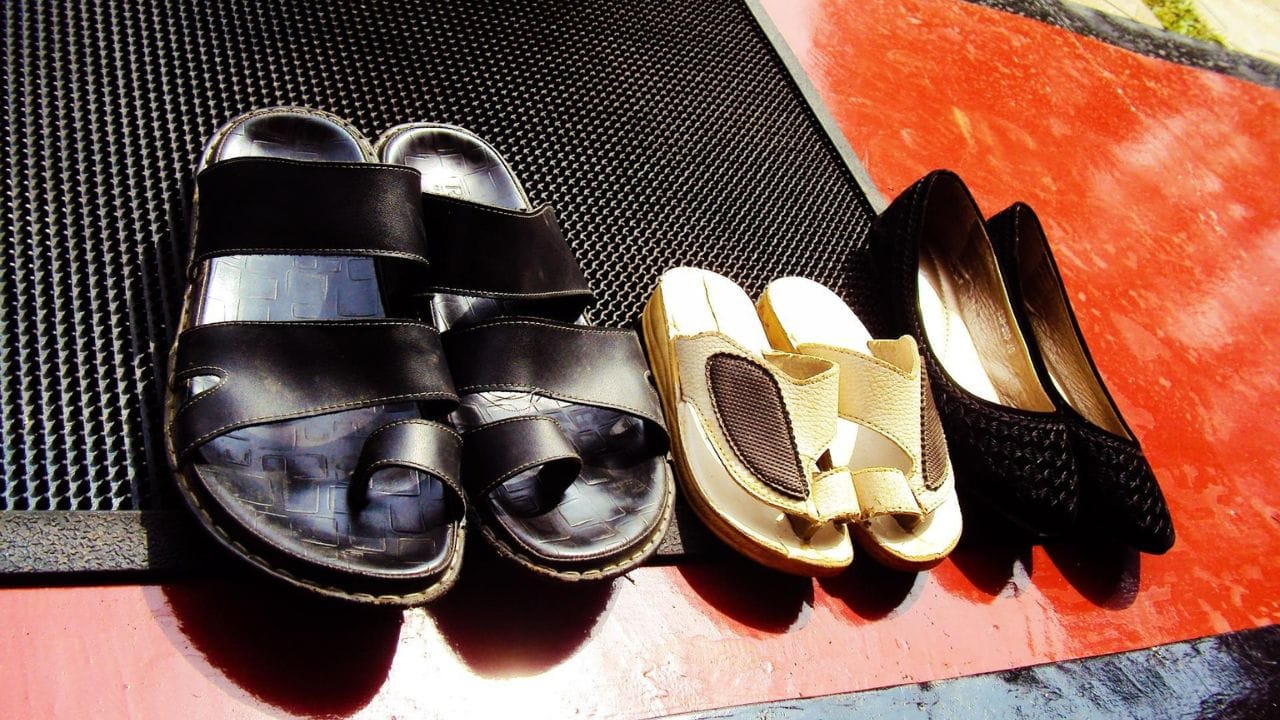
Shoes carry in dirt and grit that grind into floors and carpets. Leaving them at the door cuts down on wear and makes cleaning easier.
It also protects rugs and reduces scuffing on hardwood or vinyl. Over time, this one habit makes a big difference in how long flooring looks good.
Using coasters and placemats
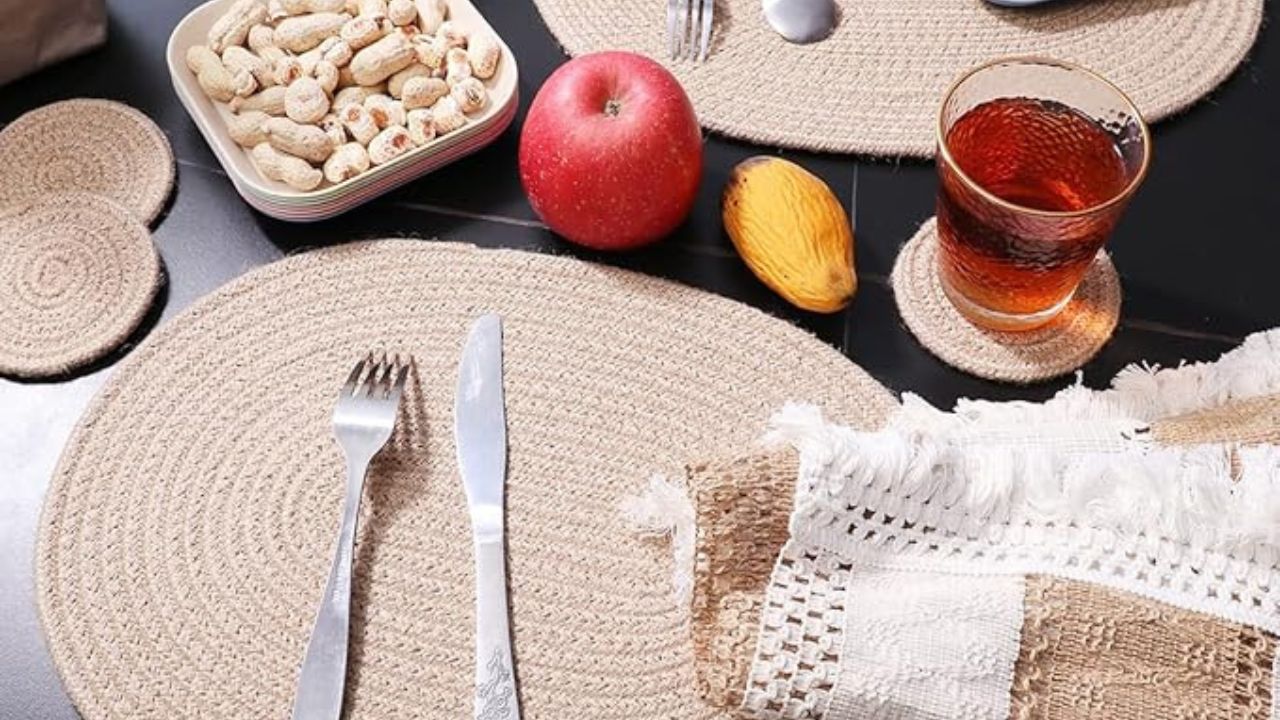
Water rings and scratches on tables add up quickly when you don’t use protection. Coasters and placemats stop most of the damage before it starts.
It doesn’t take much effort, but it keeps furniture looking newer for longer. You avoid the need to sand or refinish surfaces down the road.
Washing clothes in cold water
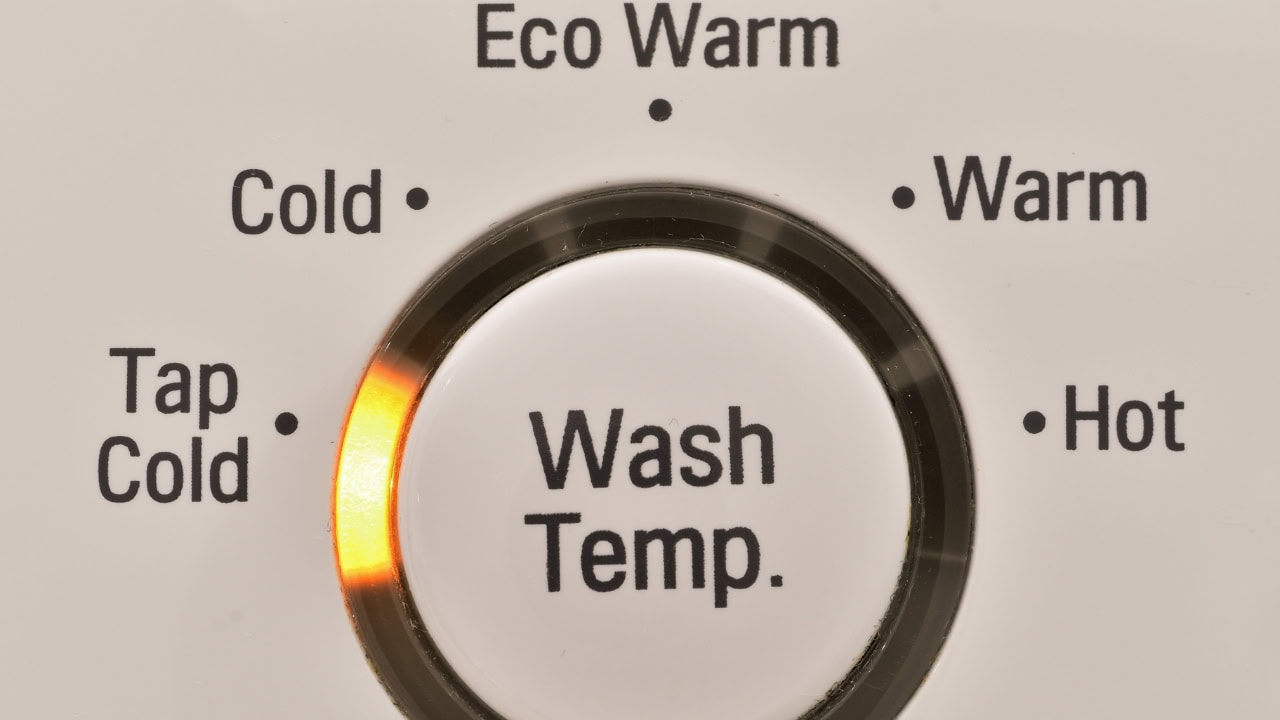
Hot water fades fabrics faster and can break down elastic. Switching to cold washes is gentler and still gets clothes clean.
This also lowers your energy bill, which is a bonus. Over time, your clothes keep their color and shape instead of wearing out early.
Rotating couch cushions

Sitting in the same spot every day wears cushions unevenly. Rotating them helps the stuffing and fabric break down more slowly.
It keeps the couch looking balanced and comfortable instead of lopsided. That little change can stretch the life of your furniture by years.
Cleaning appliance filters
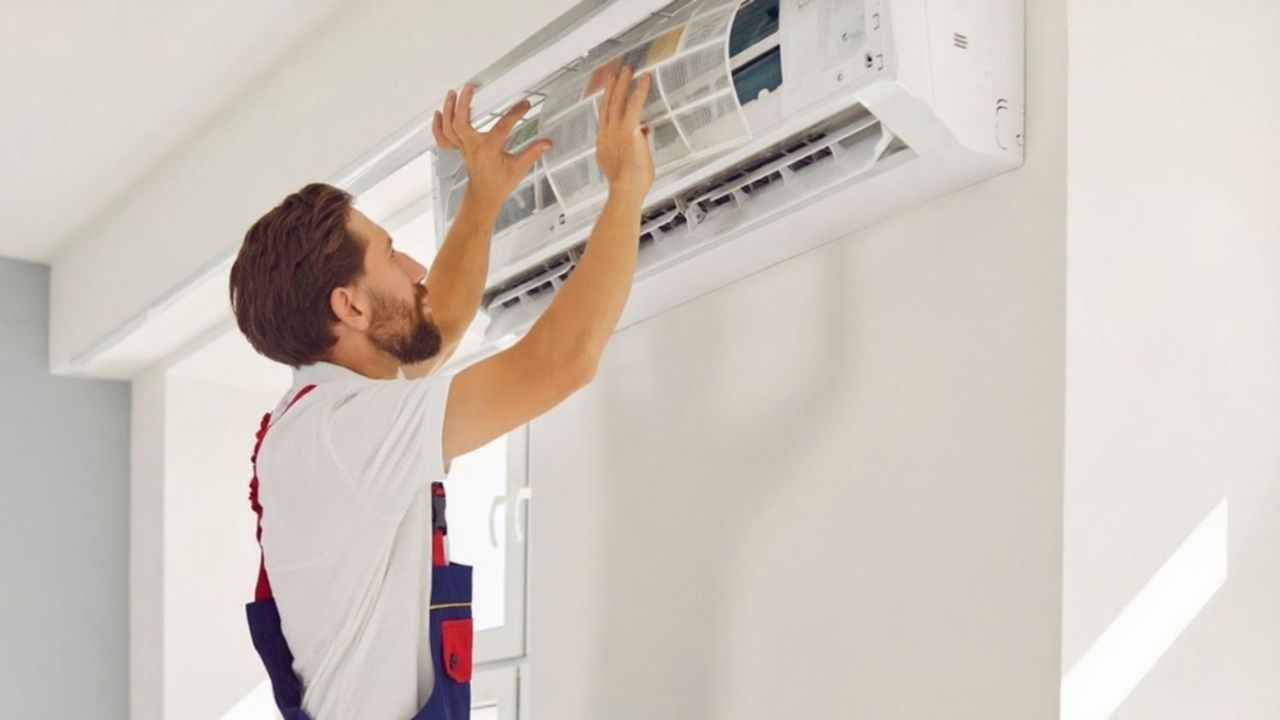
Clogged filters make appliances like vacuums, dryers, and HVAC systems work harder. Cleaning them regularly keeps the machines running smoothly.
It also prevents breakdowns and overheating that shorten their lifespan. A few minutes of maintenance can keep big-ticket items from failing too soon.
Hanging clothes to dry

The dryer beats up fabrics, shrinking some and thinning others. Hanging clothes to dry—even if it’s just part of the load—cuts down on that damage.
This habit especially helps with workout gear, jeans, and anything with elastic. Your clothes stay looking and feeling better much longer.
Polishing and conditioning leather
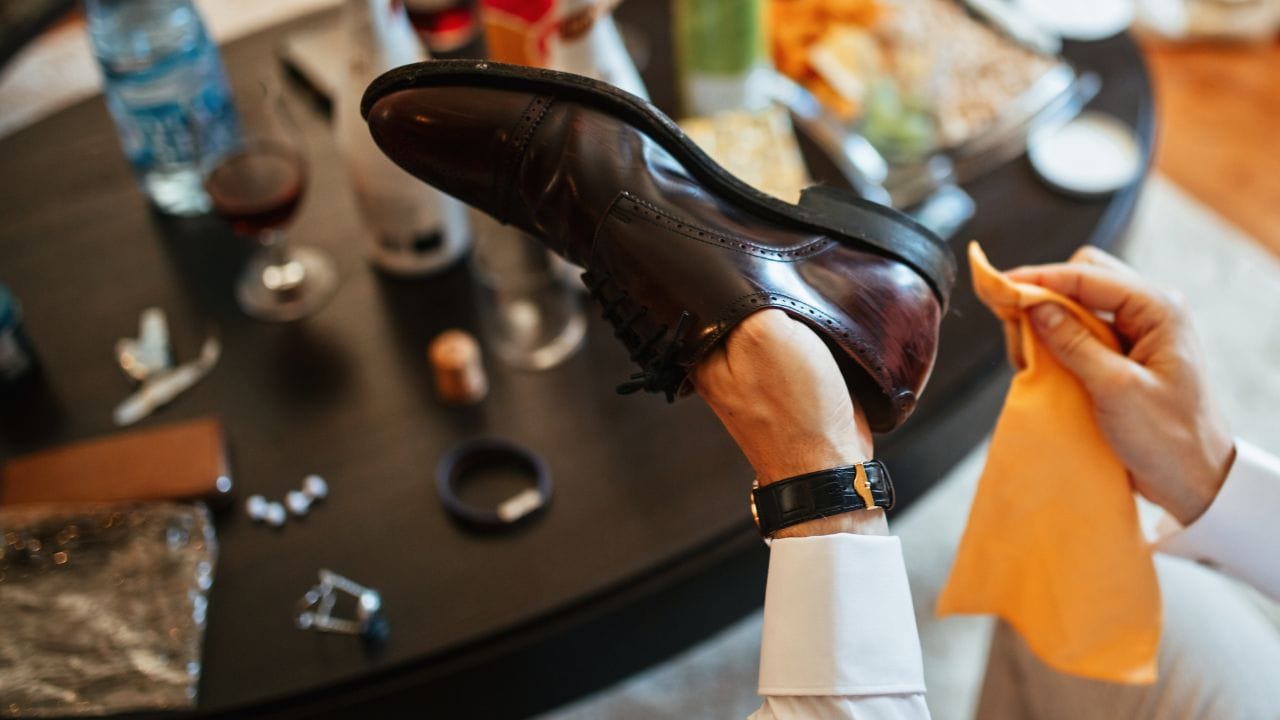
Leather cracks and dries out without care. Using a good conditioner every so often keeps it supple and prevents peeling.
This goes for shoes, belts, and furniture. Taking the time to maintain leather pieces means they can last for decades instead of a few years.
Putting pads under furniture legs
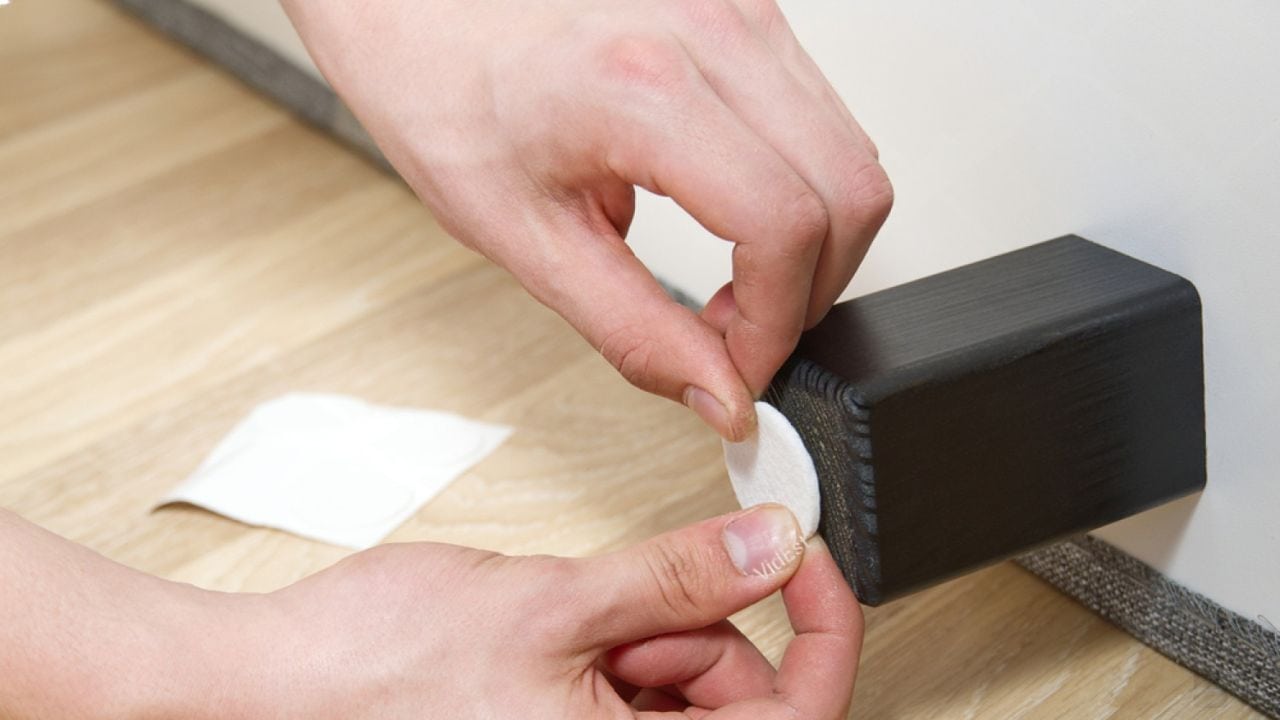
Furniture legs can dig into floors and leave dents or scratches. Felt pads or protectors stop that damage before it starts.
They’re inexpensive and easy to replace as they wear down. That small step saves you from costly floor repairs later.
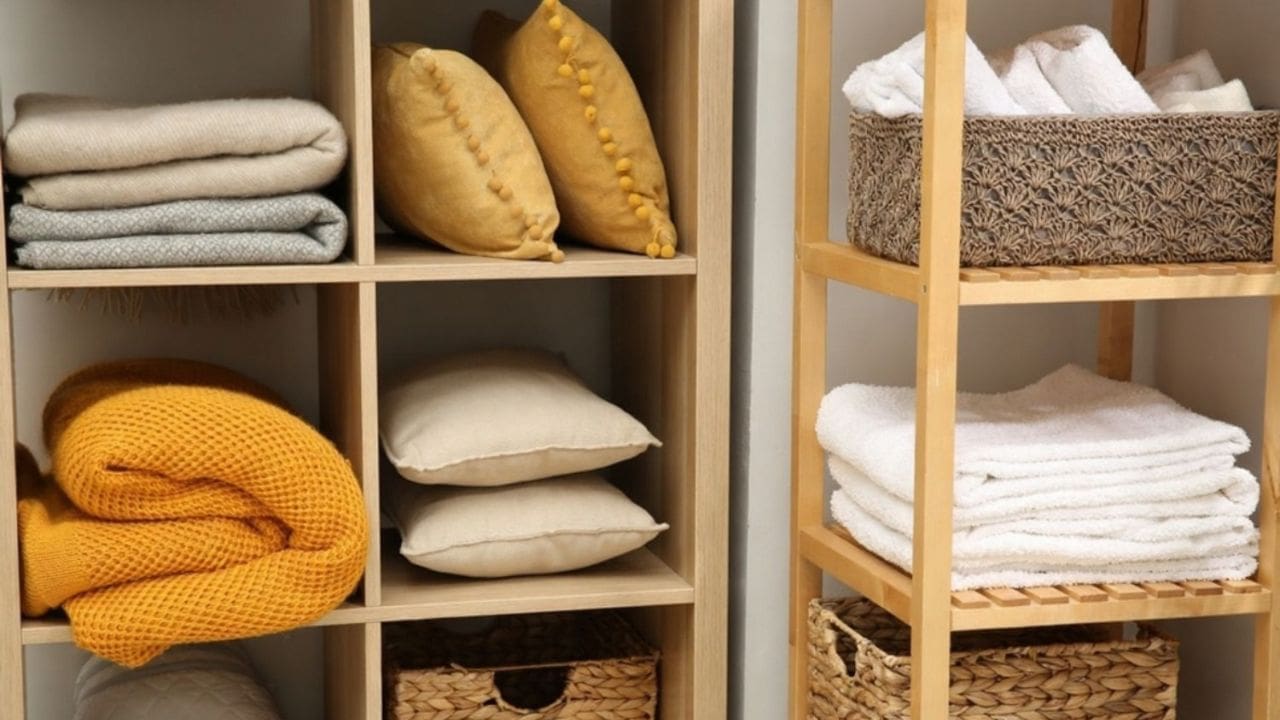
Folding blankets and towels properly
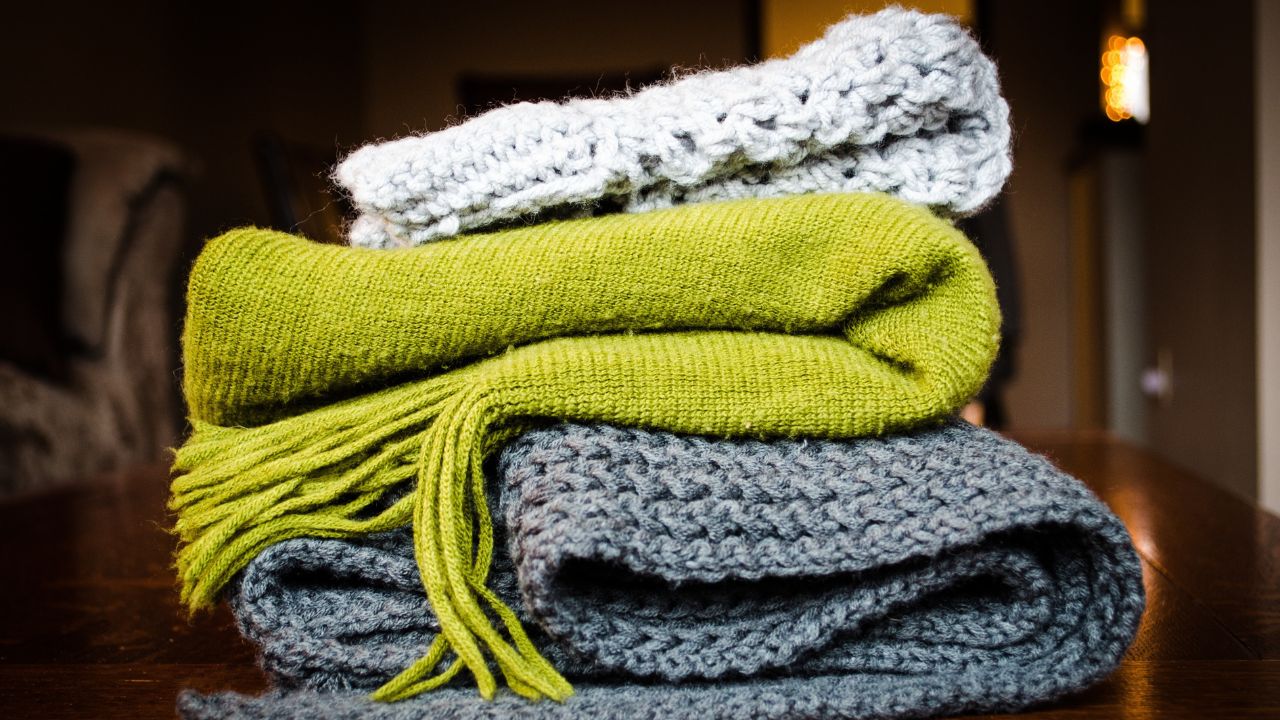
Stuffing blankets or towels on a shelf stretches and weakens the fabric. Folding them neatly helps them keep their shape.
It also prevents fraying edges and makes them last through more wash cycles. A little care in how you store them goes a long way.
Keeping things out of direct sunlight

UV rays fade fabric, wood, and even plastic over time. Keeping items out of constant direct sunlight helps them hold up.
Closing blinds during peak hours or rearranging furniture slightly can prevent fading. It’s an easy habit that keeps things looking newer.
Tightening screws before they loosen
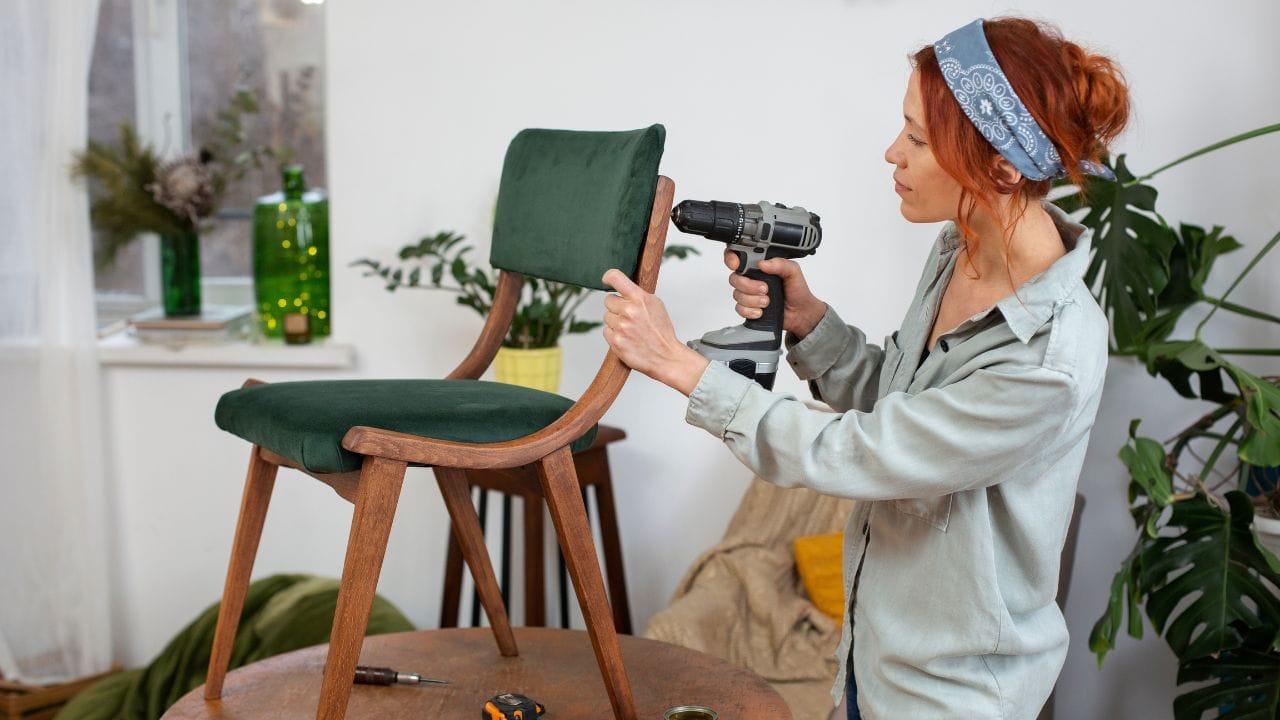
Chairs, tables, and shelves wobble because screws slowly loosen with use. Tightening them before they get bad keeps joints sturdy.
Catching it early prevents cracks and breaks that can ruin the furniture altogether. It’s a two-minute fix that saves hours of repairs later.
Using cutting boards
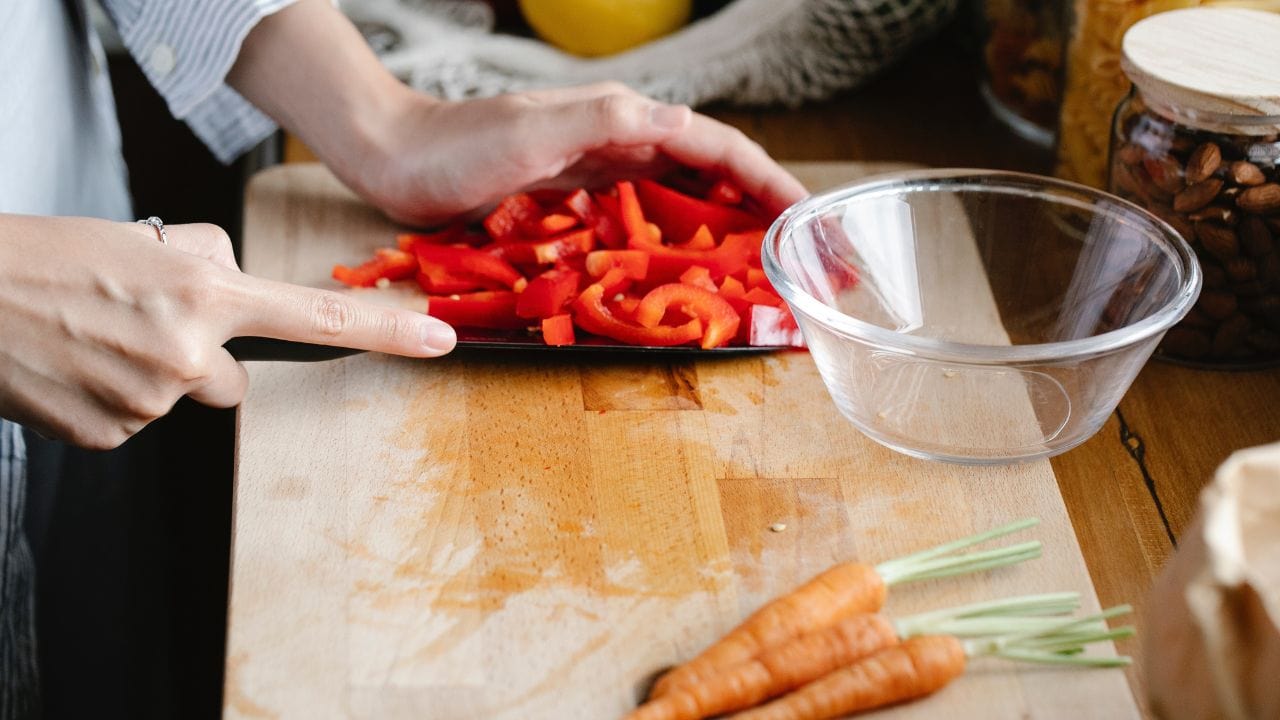
Cutting directly on counters dulls knives and damages the surface. Using a cutting board prevents both problems in one step.
It’s easier to clean and replace a board than to fix scratched-up countertops. That one switch helps both your tools and surfaces last longer.
*This article was developed with AI-powered tools and has been carefully reviewed by our editors.
Leave a Reply