

Groceries cost more than ever, which means making $150 last a full week takes a little more intention than it used to. Over time, I’ve found that the biggest difference comes from small habits that keep meals simple, reduce waste, and stretch ingredients further. It’s not about extreme budgeting or eating the same thing every day—it’s about shopping and cooking in a way that actually works long term. These routines helped us avoid extra grocery trips and cut down on takeout when the week got busy. If you’re trying to make one grocery haul cover all your meals, these are the habits that make it doable.
I shop my pantry and freezer before I go
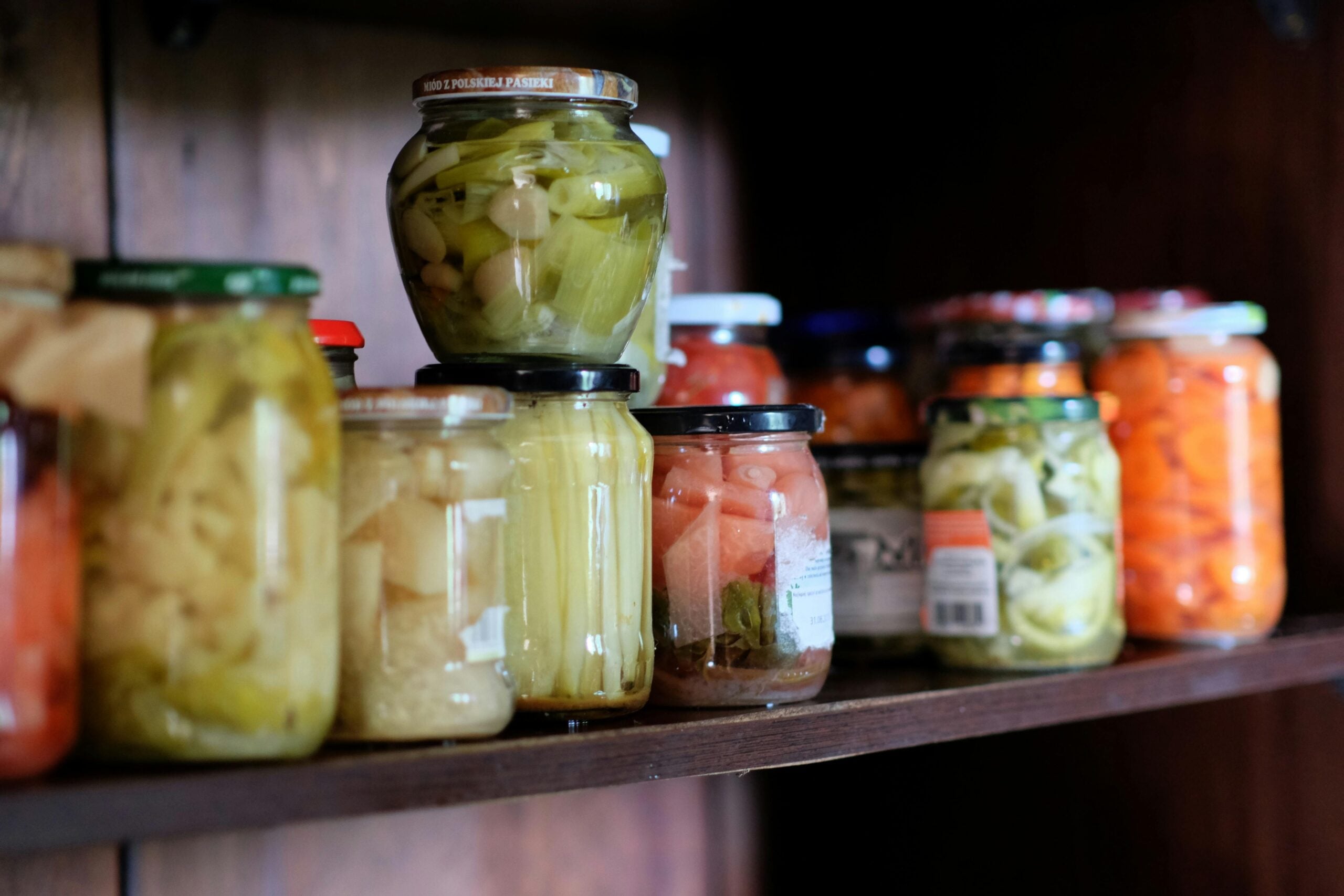
A lot of things I used to grab every week were already sitting in the back of my cabinets or freezer. Before I head to the store, I do a quick check of what we already have and build my list around that.
It might mean skipping meat that week because we’ve got frozen chicken or using canned beans instead of buying fresh. It cuts the list down and helps make the most of the food that’s already paid for.
I don’t let produce sit untouched
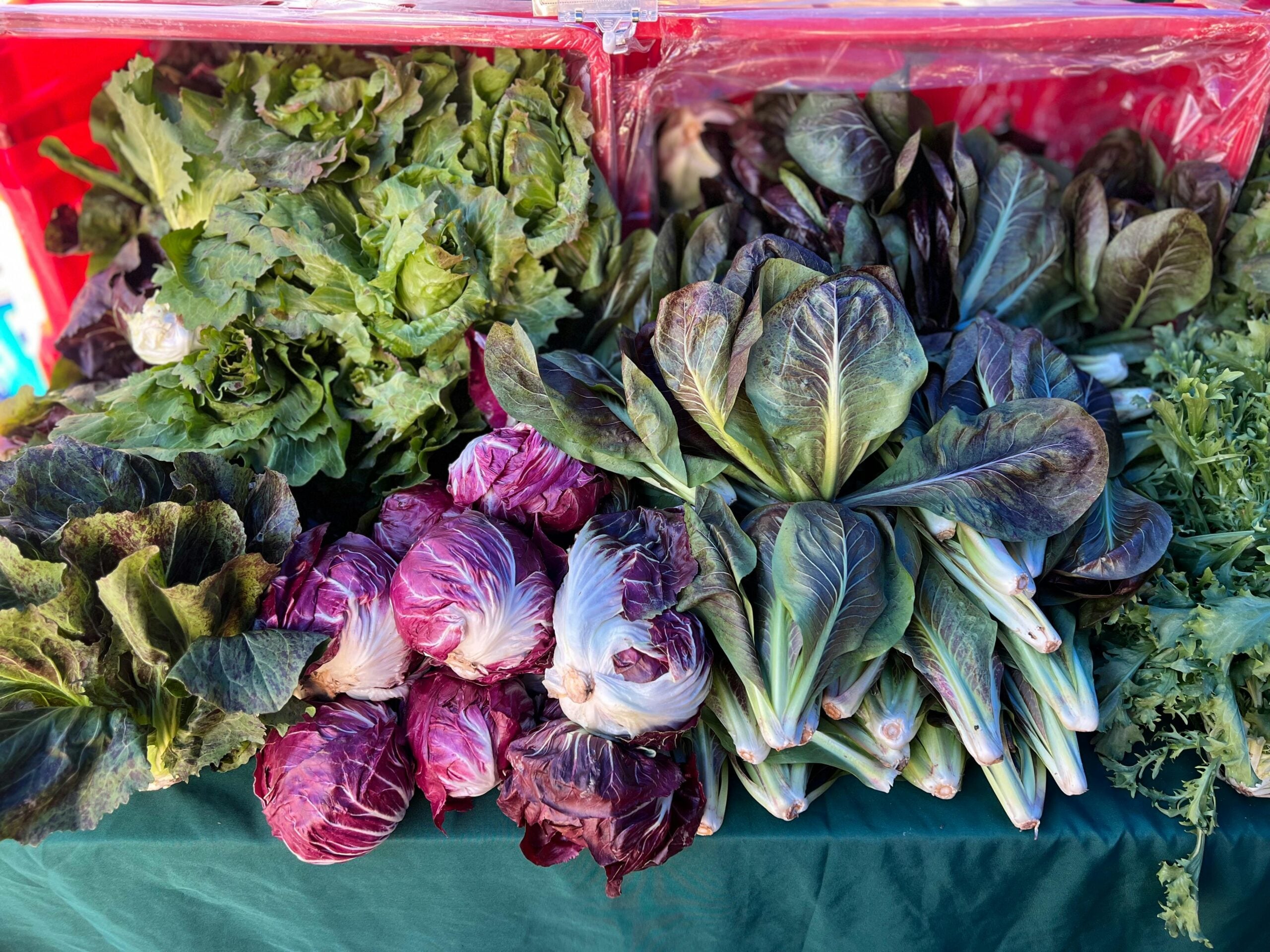
If I wait until day five to use produce, it’s already starting to go bad. So I either cook it early in the week or prep and freeze it. Bell peppers, spinach, onions—they all hold up fine cooked into something or frozen for later.
This one habit keeps me from tossing a bag of wilted greens or moldy strawberries every week. If I know I won’t use it fresh, it gets cooked or frozen the day I buy it.
I always start with a rough meal plan
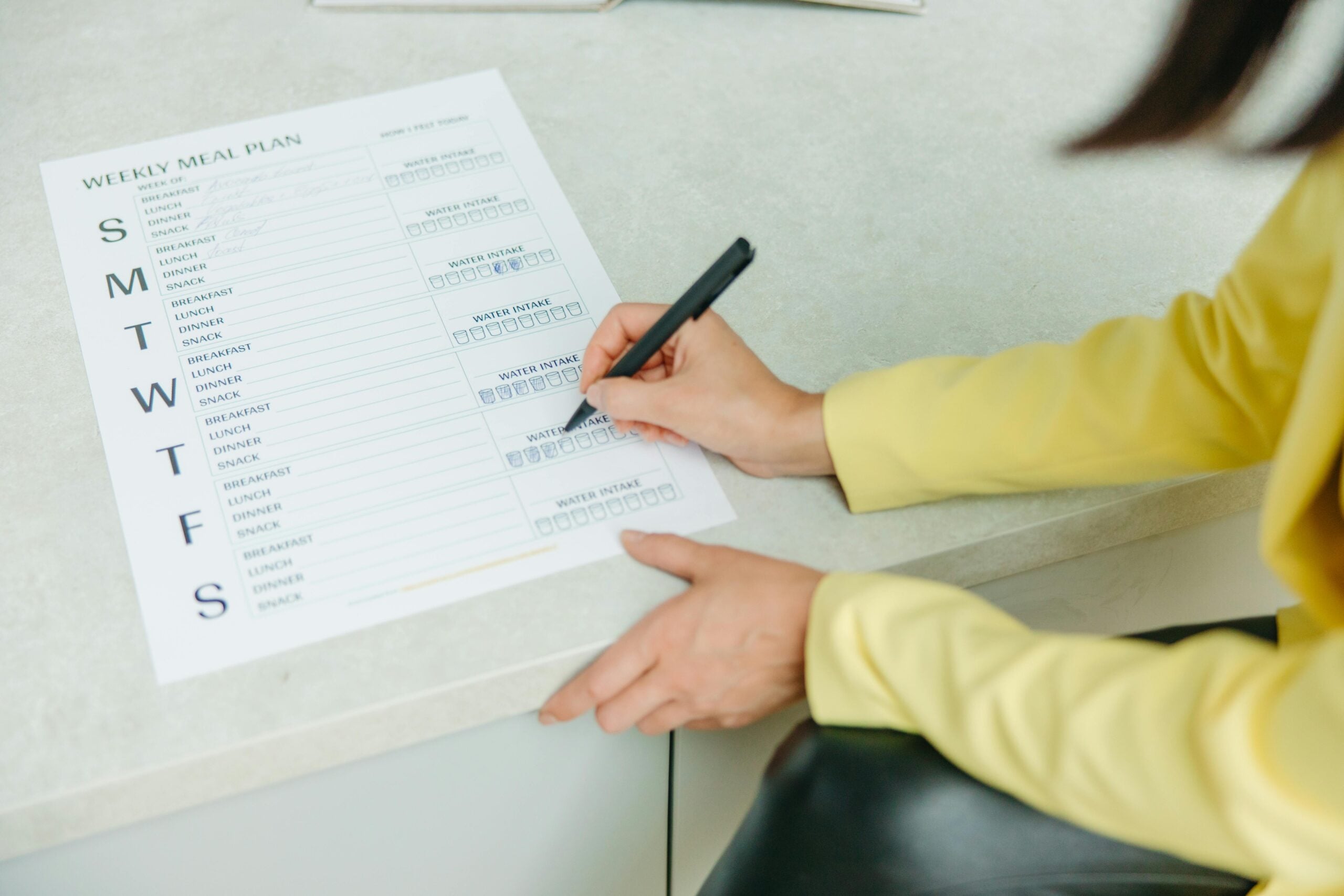
You don’t need a color-coded board, but a loose idea of what you’re cooking makes a big difference. When you know you’re using ground beef for tacos one night and a pasta dish another, you’re not guessing and overspending at the store.
It also helps you waste less. If you need a veggie for two meals, you’ll use the whole pack instead of letting half rot in the fridge. That alone has saved me more than I realized.
I stretch meat with other ingredients
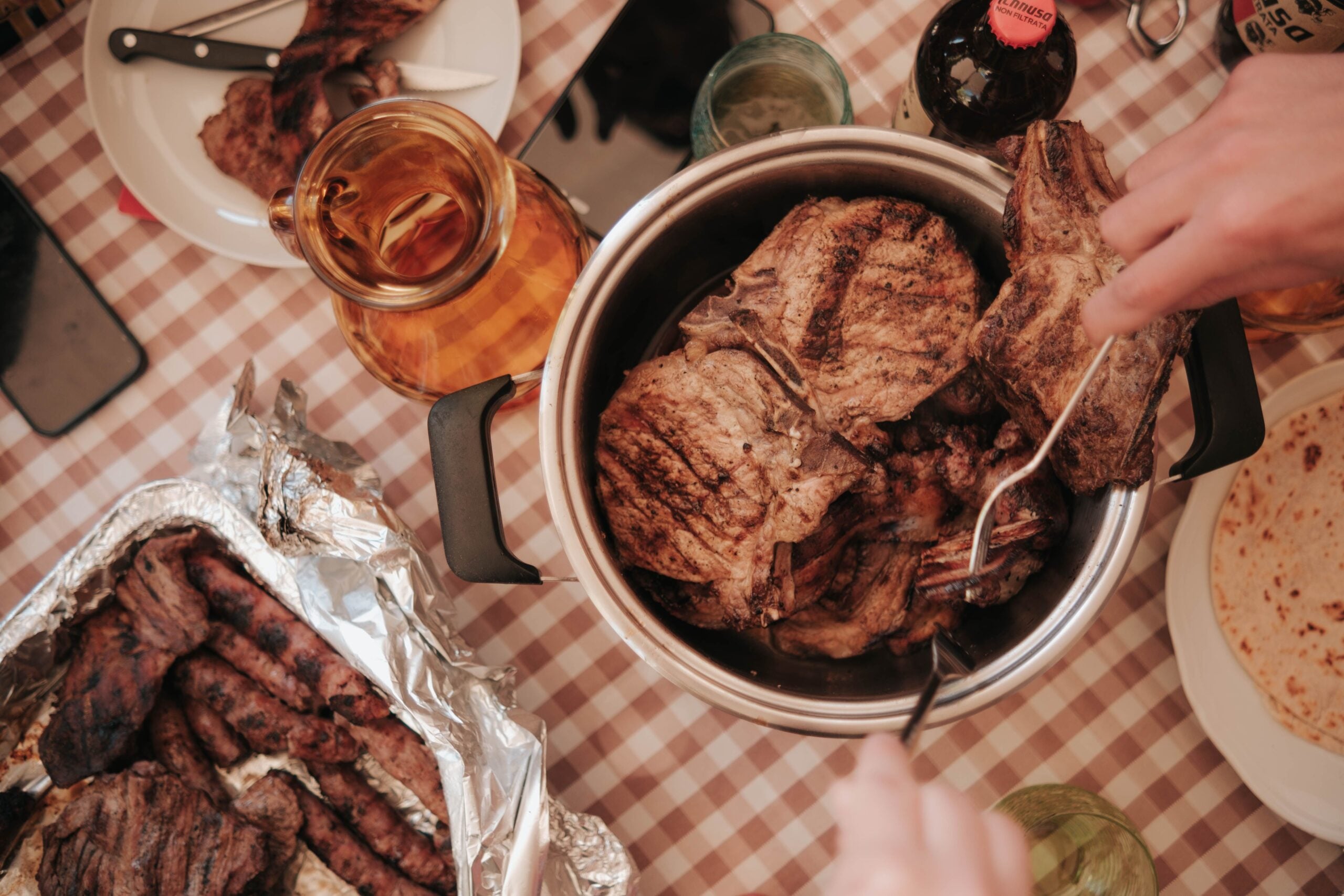
Meat’s one of the most expensive parts of the grocery bill. So when I cook with it, I stretch it with things like beans, rice, lentils, or chopped veggies. Ground beef in tacos gets bulked up with black beans. Chicken gets shredded and spread across two meals.
It makes a pack of meat last longer without feeling like you’re cutting corners. And nobody in my house has ever noticed the difference—if anything, meals feel more filling.
I reuse ingredients across multiple meals
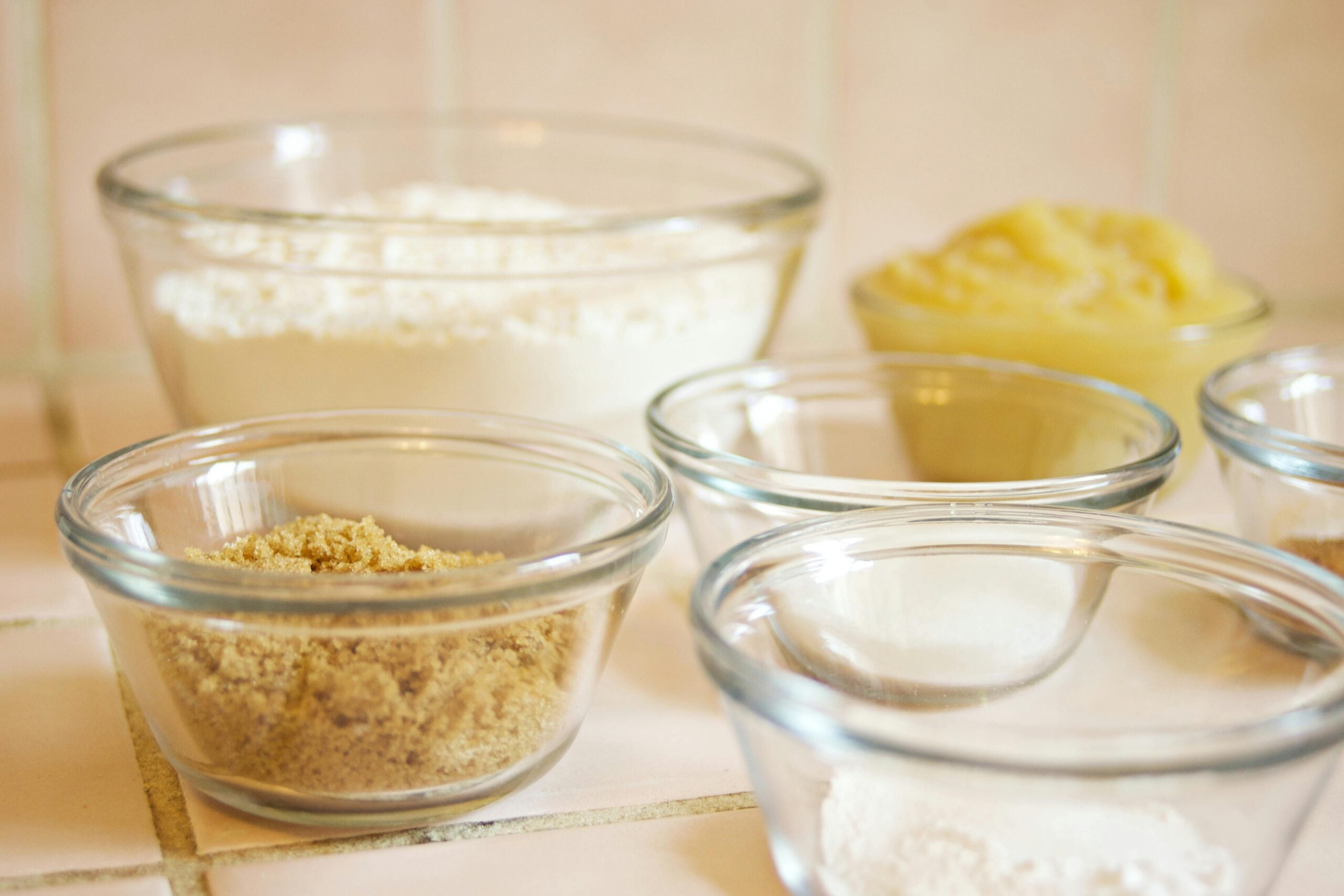
Instead of buying a whole bunch of different ingredients, I buy fewer things and use them in several ways. A bag of shredded cheese works for quesadillas, baked potatoes, and egg bakes. A bunch of cilantro shows up in tacos and rice bowls.
It makes the cart smaller and keeps things moving so nothing sits in the fridge unused. That habit alone helped me stop wasting the little things that used to go bad way too fast.
I check dates and store food better
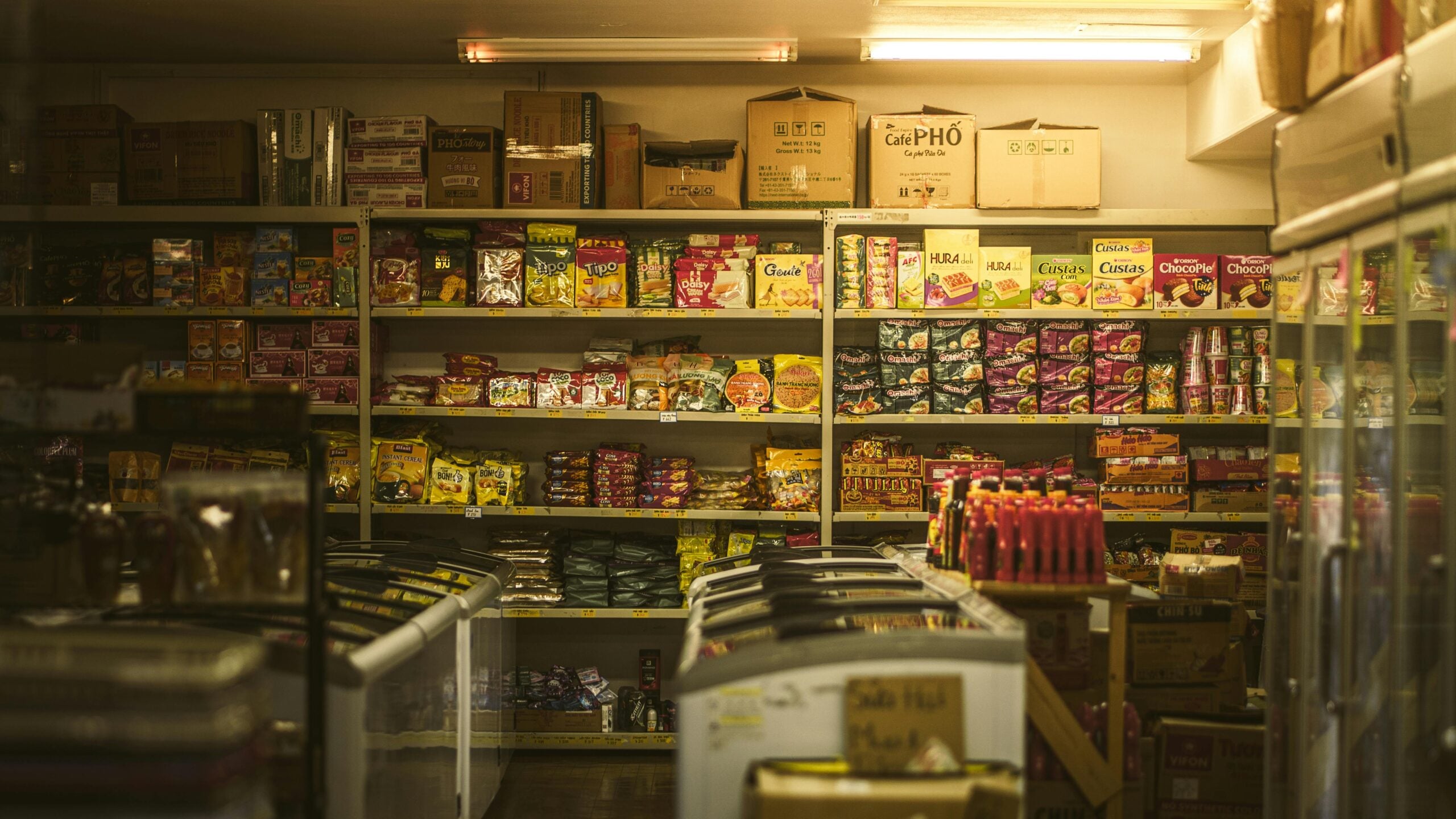
Throwing out food before you even get to it is one of the fastest ways to blow through your grocery budget. I’ve learned to check expiration dates when I shop and to store things where they last longer.
Leafy greens get a paper towel in the bag to absorb moisture. Milk goes in the back of the fridge where it’s colder. It sounds small, but the more you can keep from spoiling, the more your grocery trip actually lasts the full week.
I freeze anything we won’t use in time
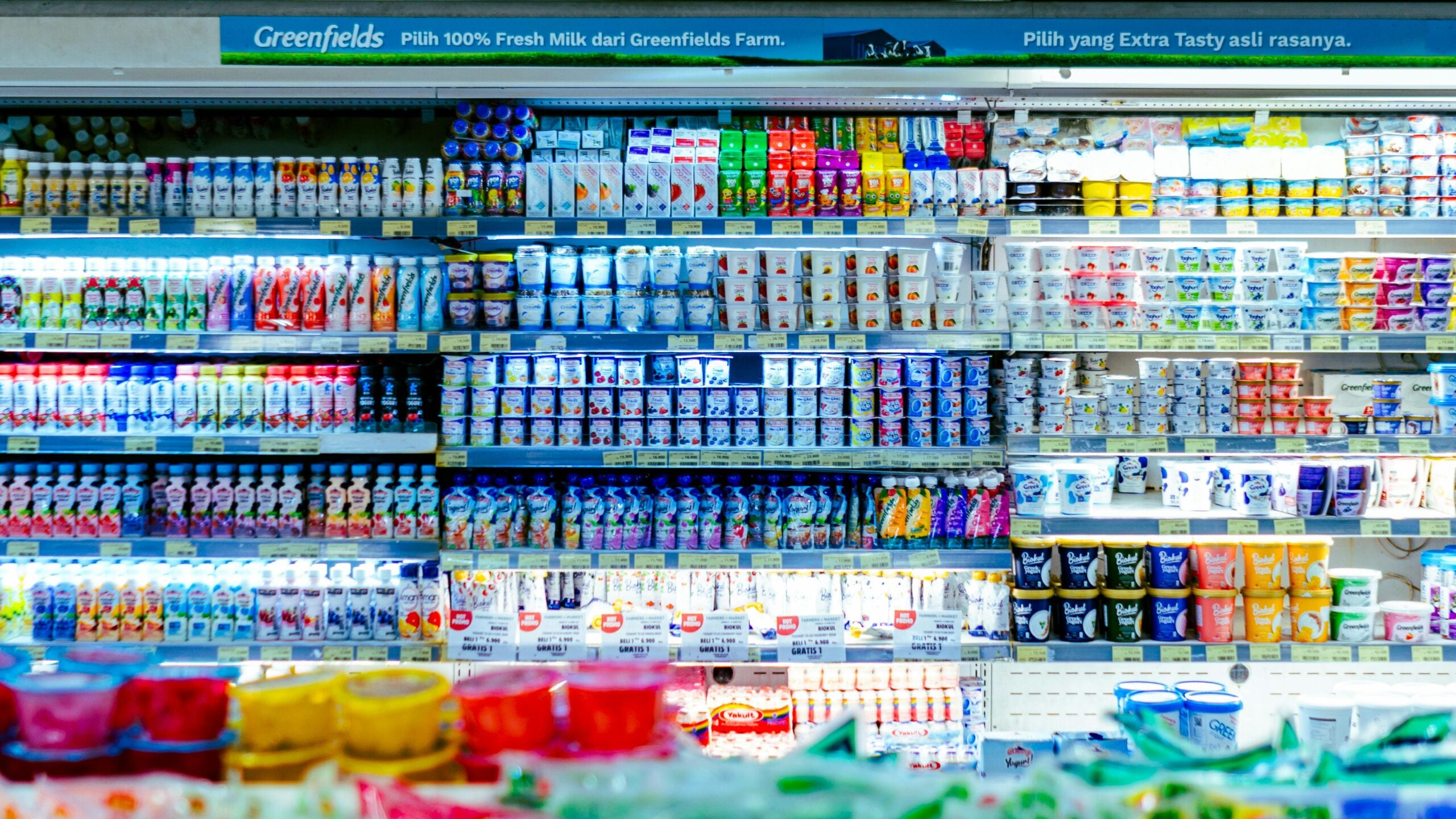
If we’re halfway through the week and I know we’re not going to eat something, I freeze it—whether that’s meat, bread, herbs, or leftovers. Even fruit that’s starting to soften gets tossed in the freezer for smoothies.
It helps avoid waste, gives me backup ingredients for future weeks, and stretches what we’ve already paid for. Freezing early instead of waiting until it’s too late made a huge difference.
I prep a few things ahead of time
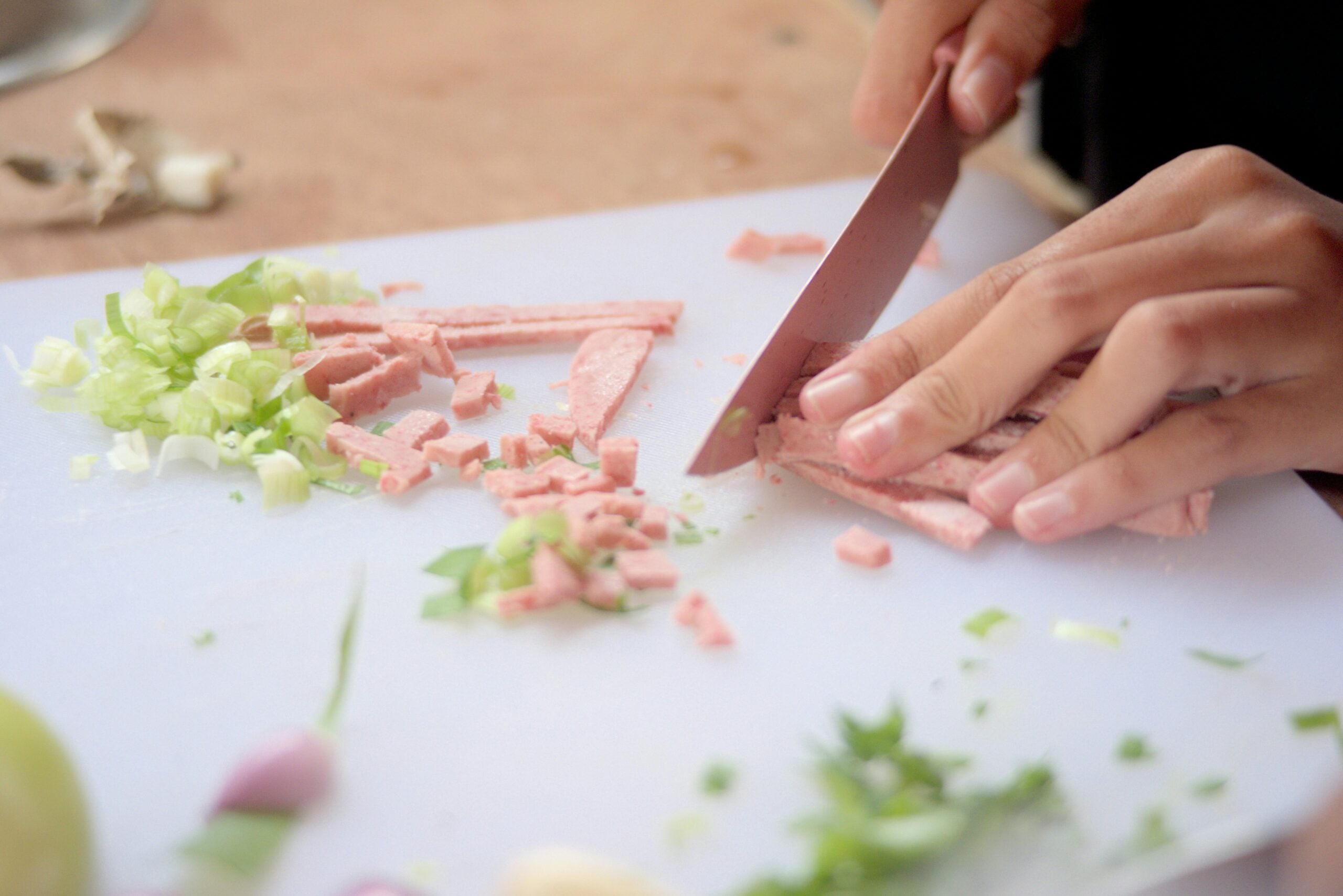
You don’t have to do full meal prep, but even chopping a few things or cooking rice ahead helps the rest of the week go smoother. It keeps us from reaching for takeout when we’re tired and short on time.
When the prep’s done, meals feel quicker and easier, which means I actually use the food I bought instead of wasting it. It doesn’t take long, and it makes the $150 stretch without stress.
I don’t rely on snack packs and extras
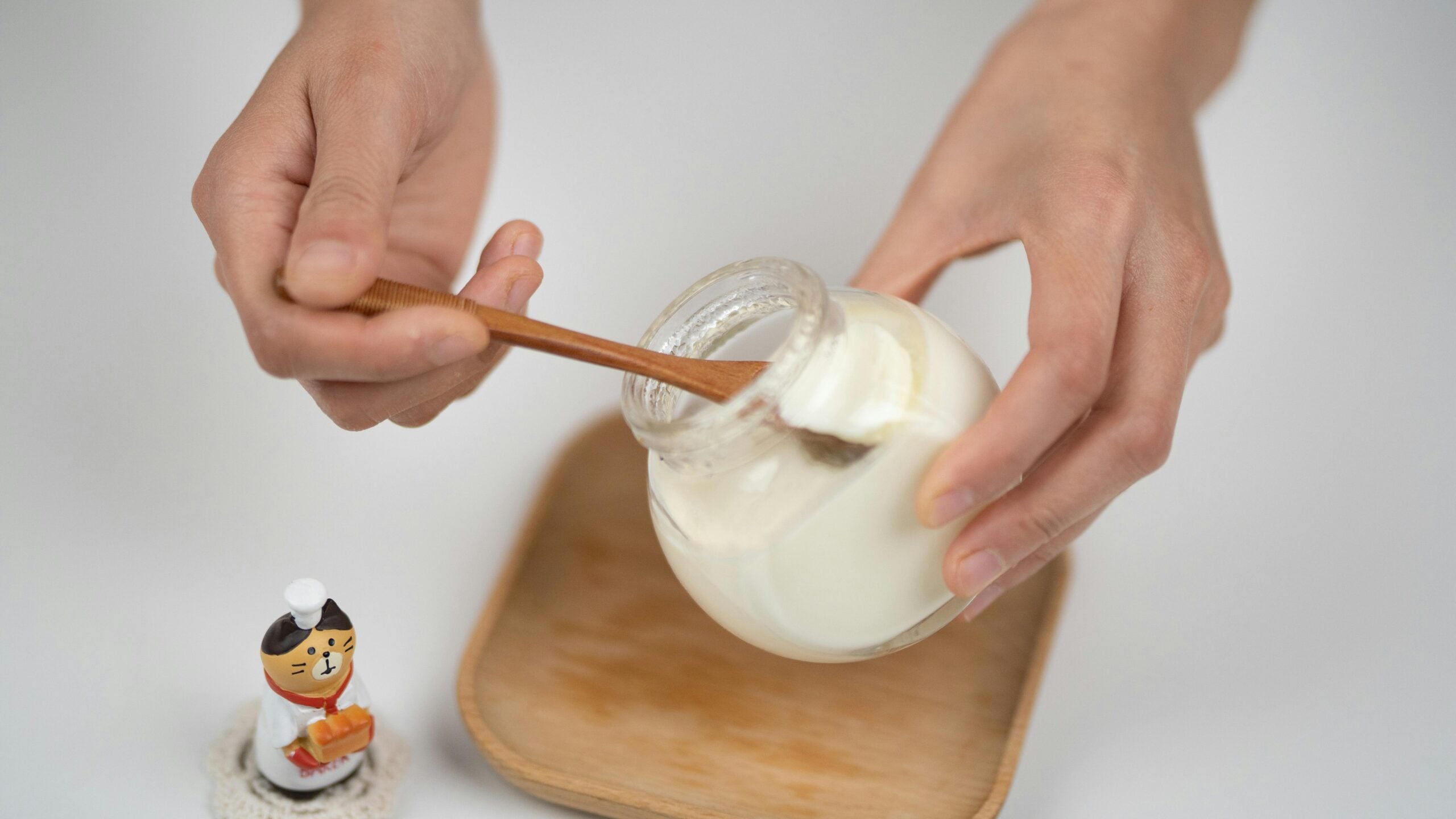
Those little packs of chips, yogurt, or trail mix add up fast and don’t go far. I’ve started skipping most of them and putting together snack options at home. A big tub of yogurt, a bag of popcorn kernels, or homemade trail mix lasts longer and costs less.
It’s a habit that feels small in the moment but cuts down a good chunk of the bill—and means I’m not restocking every few days.
I build meals around the cheap staples first
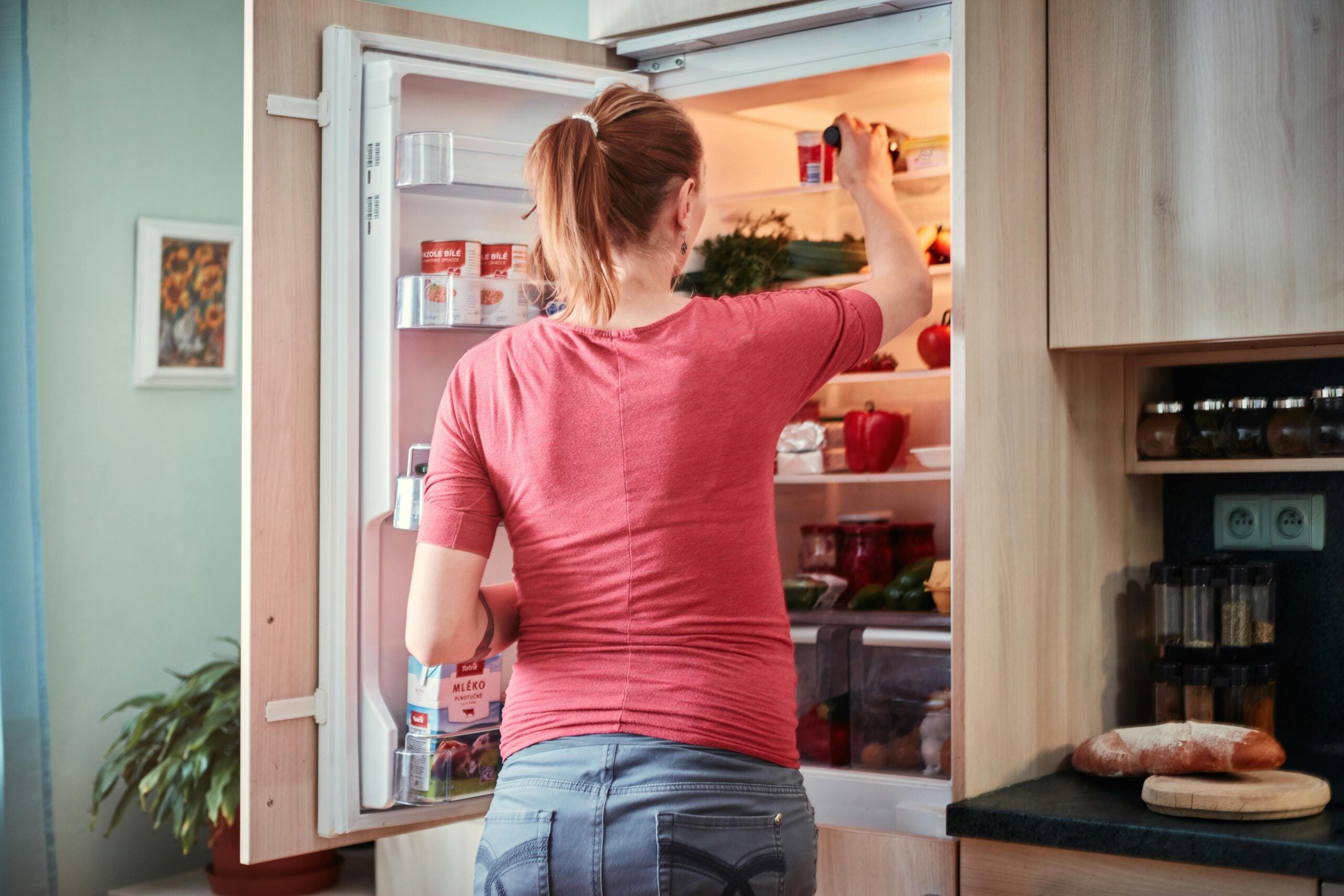
Instead of starting with meat or specialty items, I start with things like eggs, rice, beans, and pasta. They’re affordable and versatile, so I know I can build filling meals that don’t drain the budget.
Then I layer in smaller amounts of pricier things like cheese, meat, or sauces. This way, I still get full meals without making every dinner a $15 production.
I use leftovers on purpose
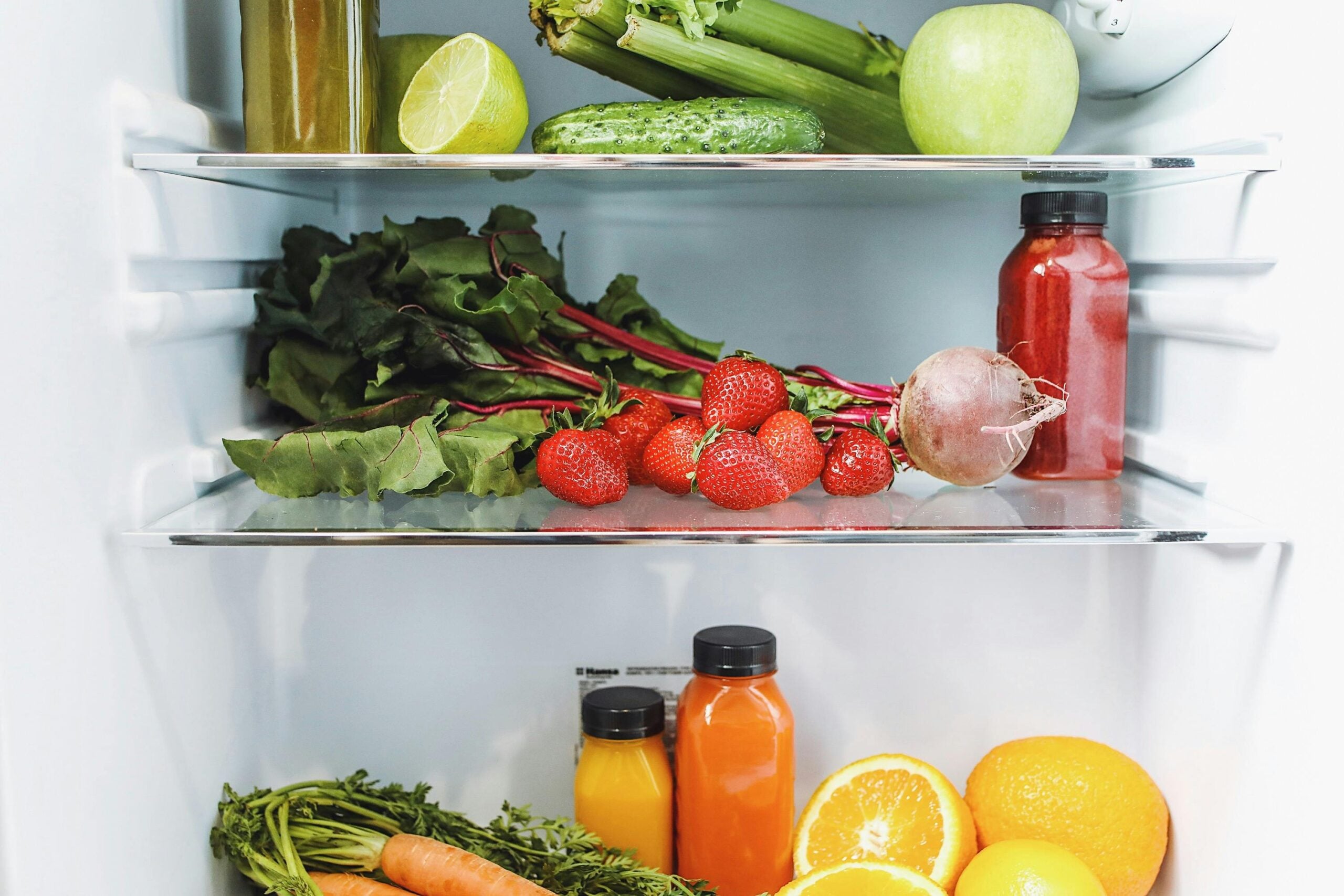
If I’m already cooking, I double up when I can. Leftover meat or cooked veggies turn into lunch wraps, breakfast scrambles, or another dinner. Leftover pasta becomes a bake. Cook once, eat twice.
It’s not about eating the same exact meal again—it’s about saving time and making the ingredients stretch. Planning for leftovers instead of being surprised by them changed how we use food during the week.
I keep one or two “fallback” dinners ready
Having a couple of cheap, low-effort meals as backup keeps me from panicking when things don’t go to plan. Breakfast for dinner, rice bowls, or frozen soup I made earlier all work.
Instead of ordering pizza when I’m too tired to cook what I planned, I heat up one of these. It saves the groceries I planned for that night and keeps the rest of the week on track.
*This article was developed with AI-powered tools and has been carefully reviewed by our editors.
Leave a Reply