
When the temperatures drop, most drivers fall into habits that feel helpful but actually burn more gas and add wear to your vehicle. A lot of winter “tricks” are leftovers from older cars that don’t apply to modern engines anymore.
Between unnecessary idling and overcompensating for the cold, it’s easy to waste both time and money all season long. Here’s what you might be doing that’s quietly working against your fuel economy—and how to fix it before winter really sets in.
idling too long to warm up

Modern engines don’t need more than 30 seconds to warm up. Anything beyond that burns fuel without doing much for your car’s performance.
If you want heat faster, start driving gently instead. The engine and cabin warm up quicker when the car’s moving, and you’ll use far less gas in the process.
using remote start every time

Remote start is convenient, but using it constantly means your car runs idle for several minutes every trip. That time adds up fast on your gas bill.
If you only use it when temps are dangerously cold—or when scraping ice is unavoidable—you’ll save fuel and reduce engine wear from unnecessary idling.
ignoring tire pressure

Tire pressure drops about one PSI for every 10°F decrease in temperature. Driving on underinflated tires makes your engine work harder, which hurts fuel efficiency.
Check your tires weekly in cold weather and refill them to the recommended level. Keeping them properly inflated also improves traction on icy or snowy roads.
blasting the defroster nonstop
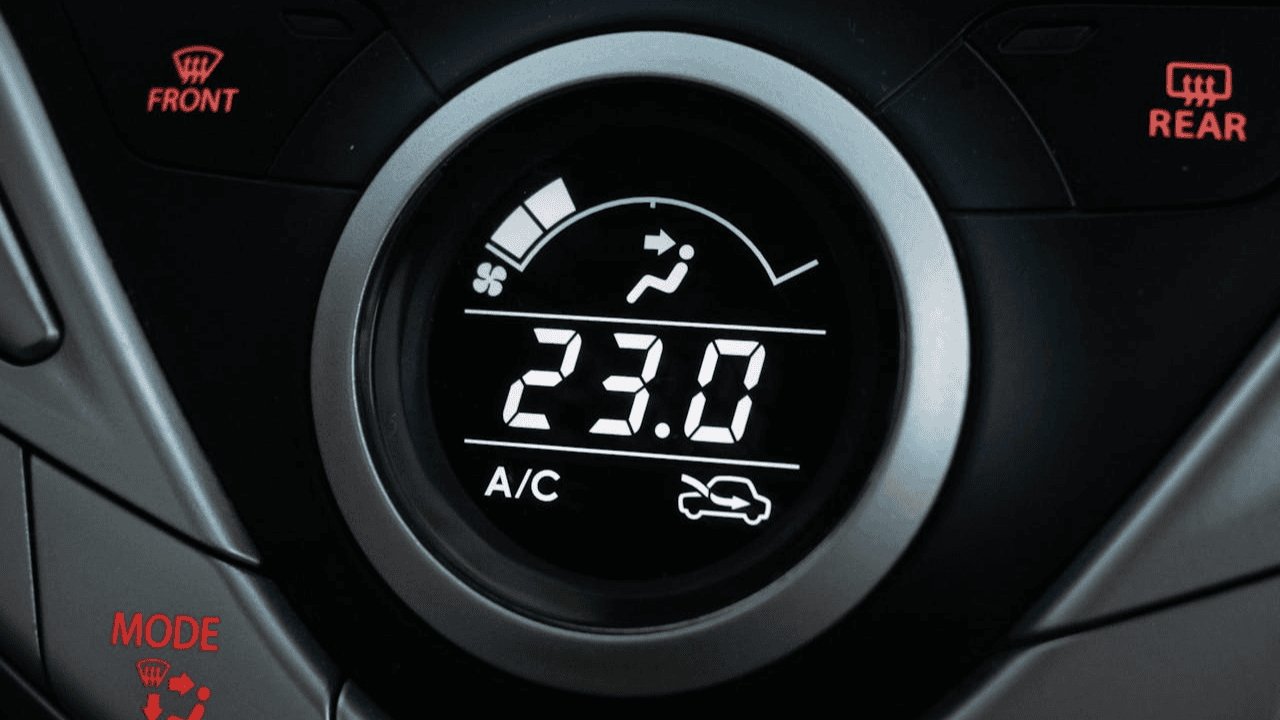
Your defroster is great for clearing fog, but running it constantly keeps your AC compressor engaged, which uses extra fuel.
Once your windows are clear, switch it off and use the regular heater instead. It keeps your car comfortable without wasting gas.
skipping scheduled maintenance
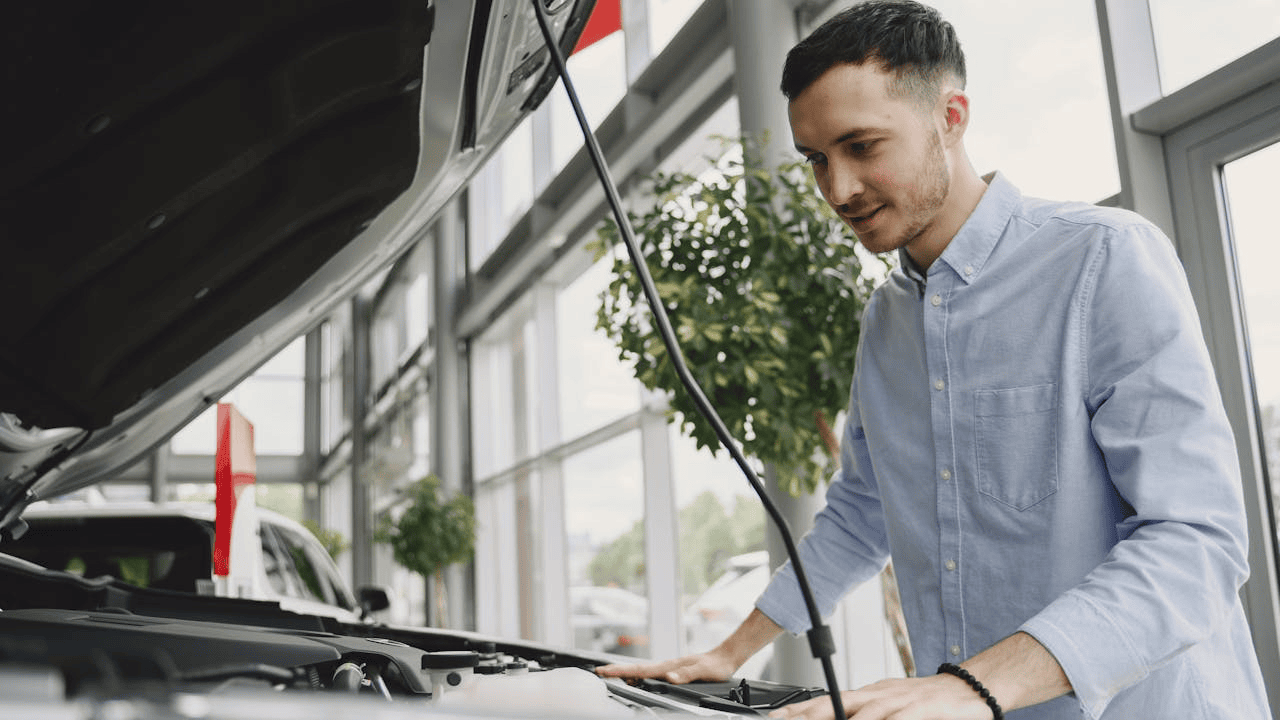
Winter’s hard on cars, and skipping oil changes or filter replacements can make your engine less efficient. Thicker, dirty oil and clogged filters force the engine to burn more fuel.
Stay on top of routine maintenance before winter hits. Fresh oil and clean filters help your car run smoother and save money at the pump.
carrying extra weight in the trunk
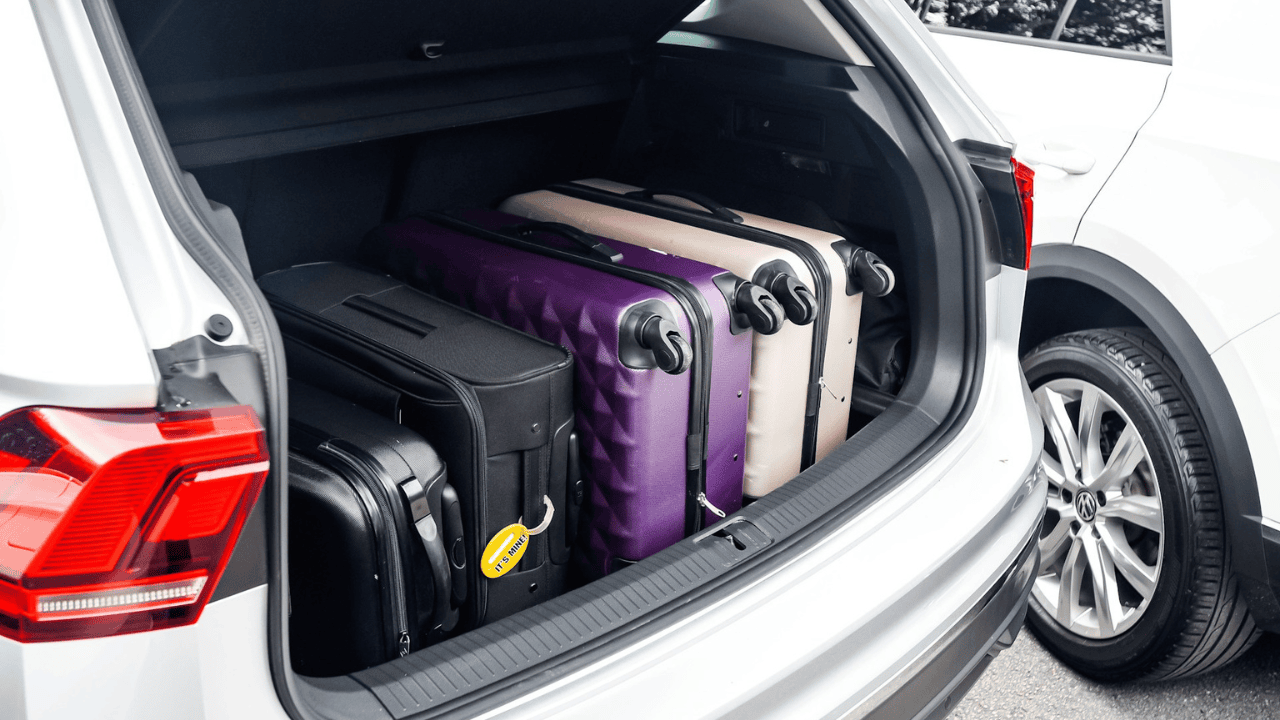
Keeping sandbags, emergency kits, and tools in the trunk makes sense—but too much weight drags down fuel economy.
Only store what you actually need for winter driving. Hauling around 100 extra pounds can reduce mileage by as much as 1–2 MPG.
flooring it on cold starts

Gunning the engine right after startup might feel like helping it “get going,” but cold oil hasn’t circulated fully yet. That puts strain on internal components and wastes fuel.
Give your car 30 seconds to stabilize, then ease into driving. Your engine will last longer, and you’ll burn less gas.
cranking the heat too high

Running the heat at full blast doesn’t make it warm up faster—it just drains energy and dries out your cabin air.
Set it to a moderate temperature and use the recirculate setting once the car’s warm. It keeps heat inside without forcing the system to work overtime.
skipping the snow brush and scraper

Letting snow and ice sit on your car forces the defroster and heater to do all the work. That burns extra fuel and takes forever.
Brush off your windshield, roof, and hood before driving. Your car warms faster and stays safer when you start with a clean surface.
taking short trips back to back

Cold engines are inefficient, and multiple short trips never give them time to warm up properly. That means more fuel burned for less distance.
Combine errands when you can. Driving longer in one stretch helps your car reach its most efficient temperature and saves gas in the long run.
*This article was developed with AI-powered tools and has been carefully reviewed by our editors.
Leave a Reply