
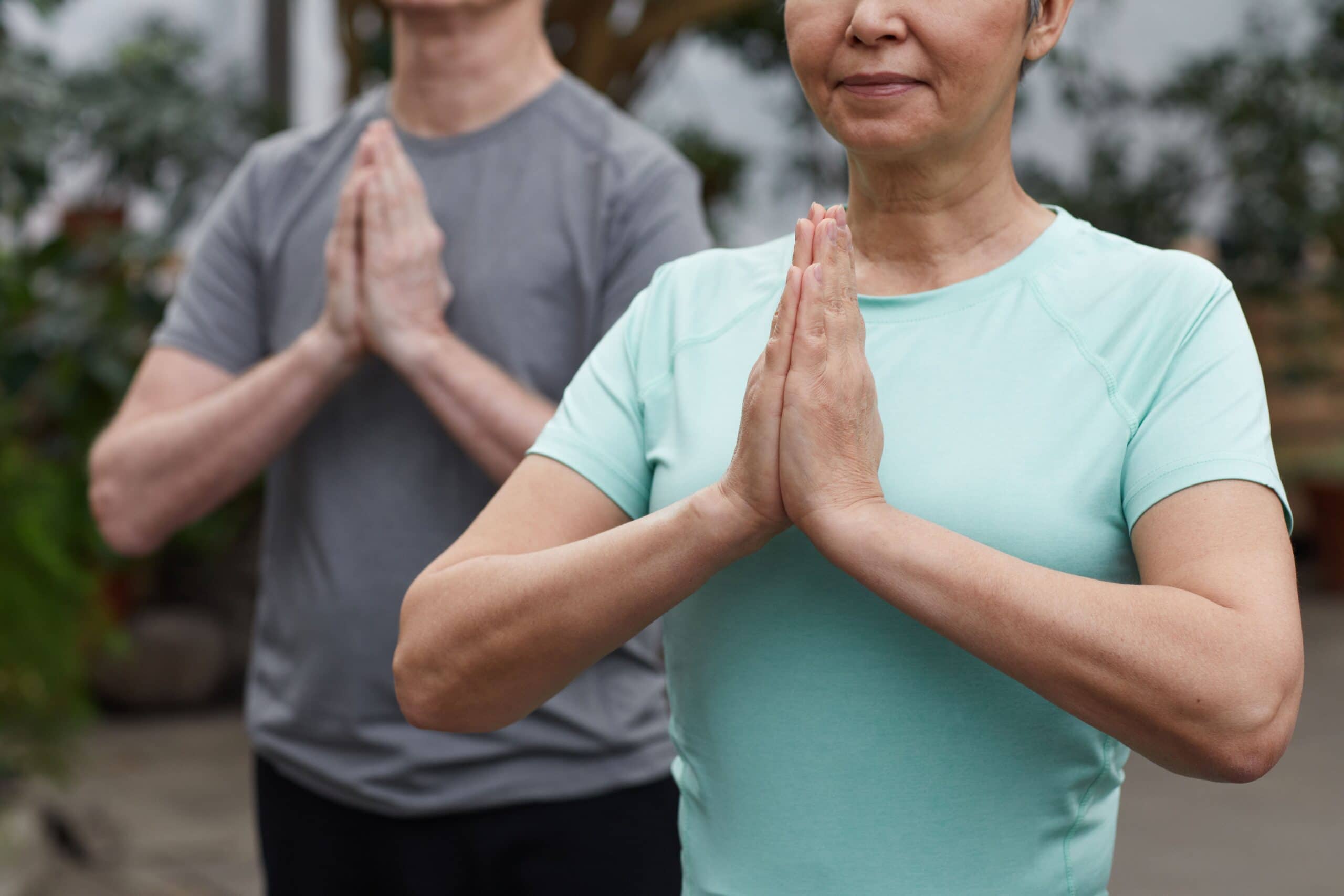
Every year, new wellness trends show up promising better energy, clearer thinking, and an overall healthier life. Some are genuinely helpful, but many don’t last because they’re too extreme, too expensive, or unrealistic to maintain. The problem is that a lot of these trends work in the short term but fall apart once real life gets busy again. Long-term wellness usually comes from simple, consistent habits—not complicated routines or expensive products. These are the wellness trends that tend to fade quickly and don’t hold up over time.
Here are ten wellness trends that might look helpful but rarely last long-term.
Extreme fasting

Intermittent fasting can have benefits for some people, but extreme versions—like skipping entire days of eating—can backfire. Going too long without food can mess with your hormones, energy, and focus.
Most people end up overeating later, which cancels out the supposed benefits. A more sustainable approach is eating at regular times with balanced portions instead of pushing your body into exhaustion.
Juice cleanses
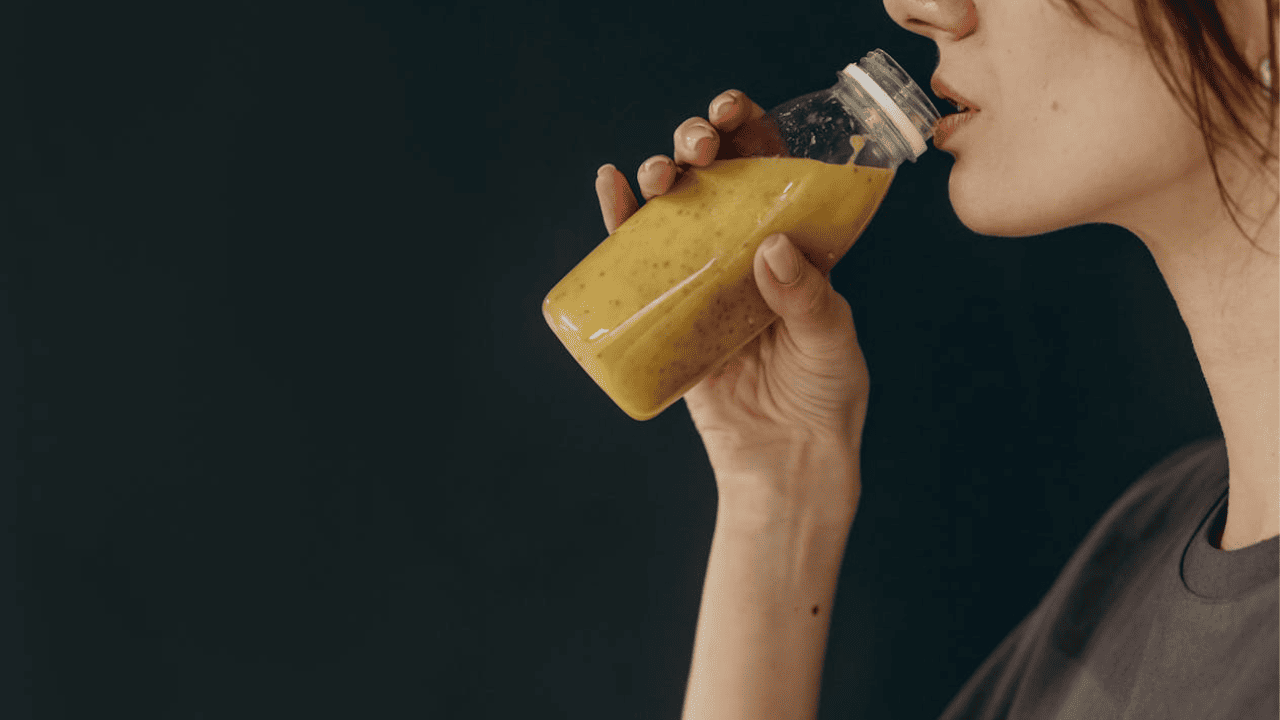
Juice cleanses seem like a quick way to “reset,” but they mostly drain your energy. Without enough protein or fiber, your blood sugar crashes, and you end up feeling sluggish and irritable.
Any weight loss that happens usually comes back once you start eating normally again. You’re better off supporting your body long-term with balanced meals that include whole fruits, vegetables, and enough nutrients to actually sustain you.
Overusing supplements
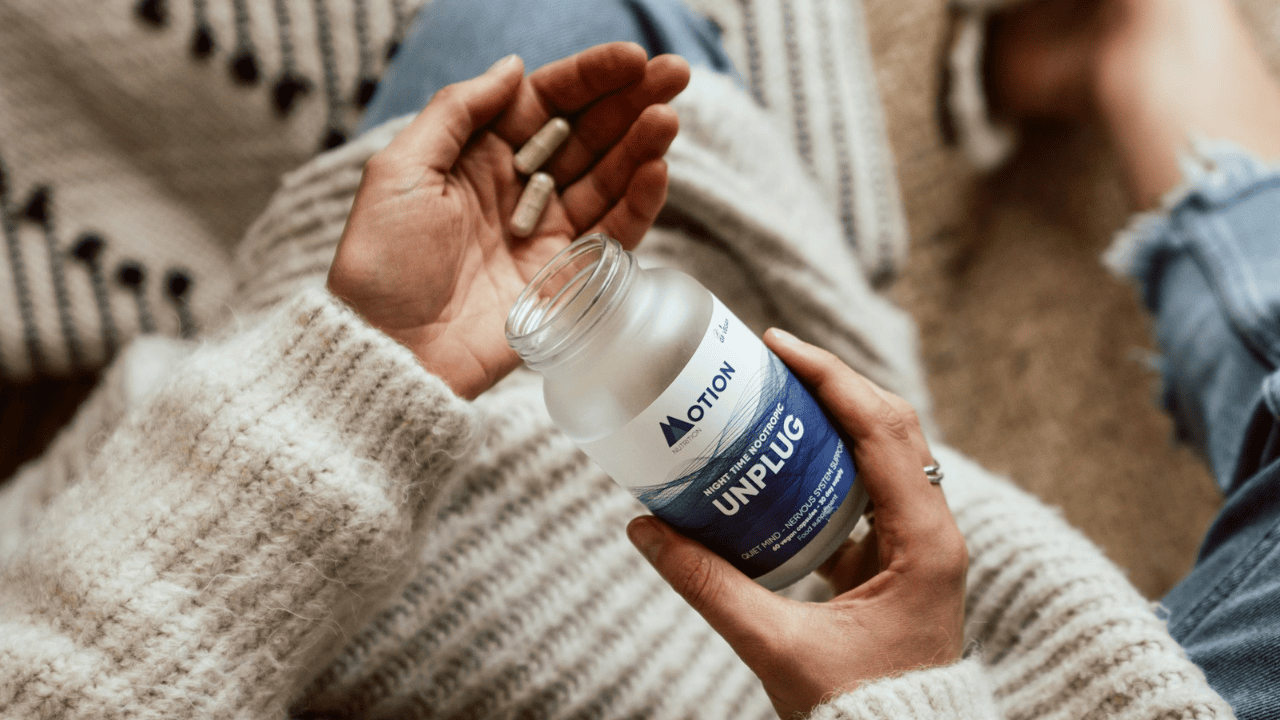
Wellness culture loves supplements, but most people don’t need nearly as many as they take. When your diet is balanced, your body gets what it needs naturally.
Taking too many pills or powders can overload your system or interact with other medications. It’s smarter to focus on nutrition first and use supplements only when recommended by your doctor.
Excessive workouts
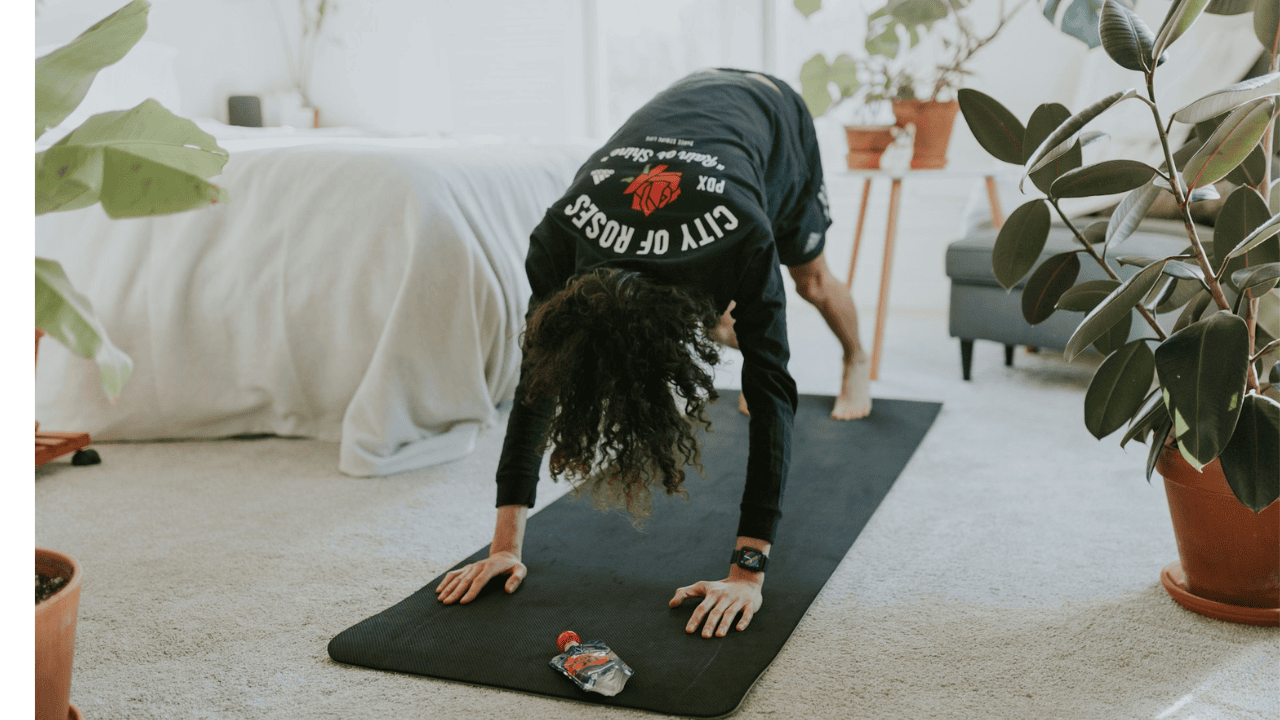
Working out is great for your health—but when every session leaves you exhausted or sore for days, it’s too much. Overtraining can raise stress hormones and make it harder for your body to recover.
You’ll see better results with consistency than intensity. A balanced mix of strength, cardio, and recovery days builds strength without burning you out.
Constant “biohacking”

Tracking every calorie, step, and sleep cycle might sound like optimizing your health, but it can easily turn obsessive. When you’re focused on numbers instead of how you feel, wellness becomes stressful.
Listening to your body’s signals is more effective than relying on data alone. Technology should help you stay aware—not dictate every move you make.
All-liquid diets
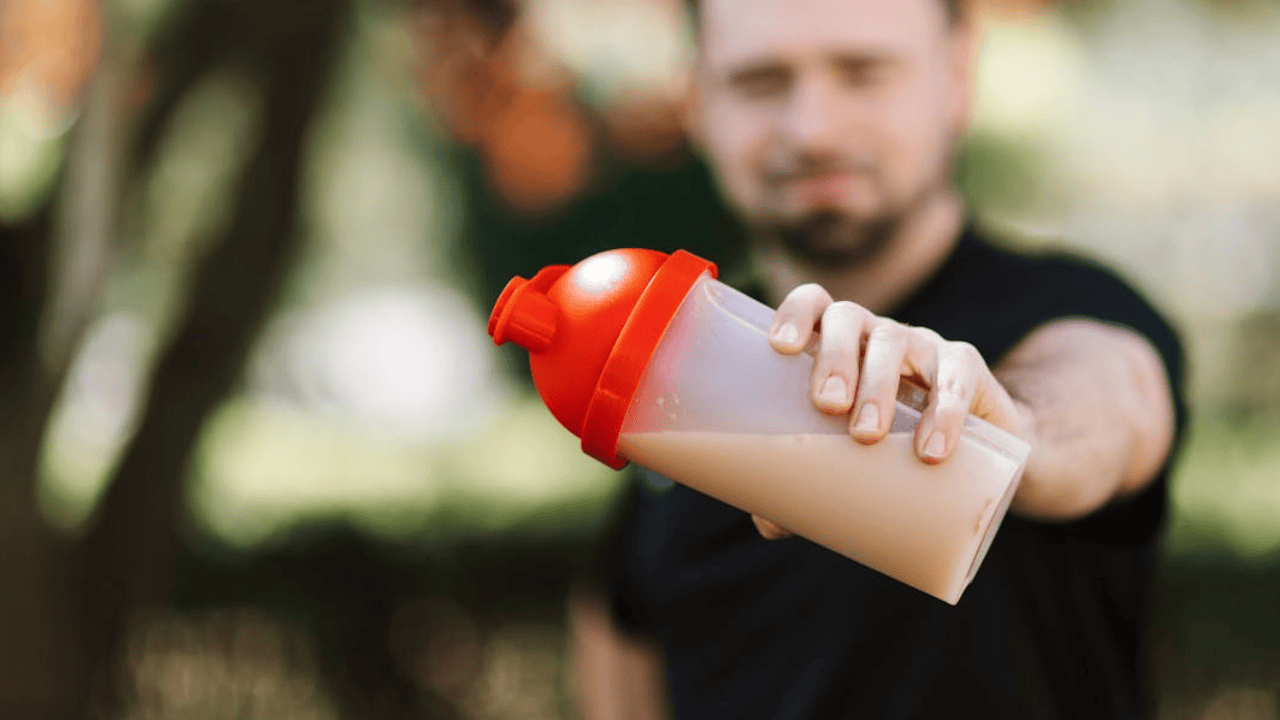
Whether it’s protein shakes or smoothies, liquid-only diets don’t offer enough variety for long-term health. They lack the fiber and texture your digestive system needs to function properly.
Replacing too many meals with drinks can also lead to muscle loss and nutrient gaps. Whole foods give your body the fuel it needs to stay strong and satisfied.
Skipping carbs entirely
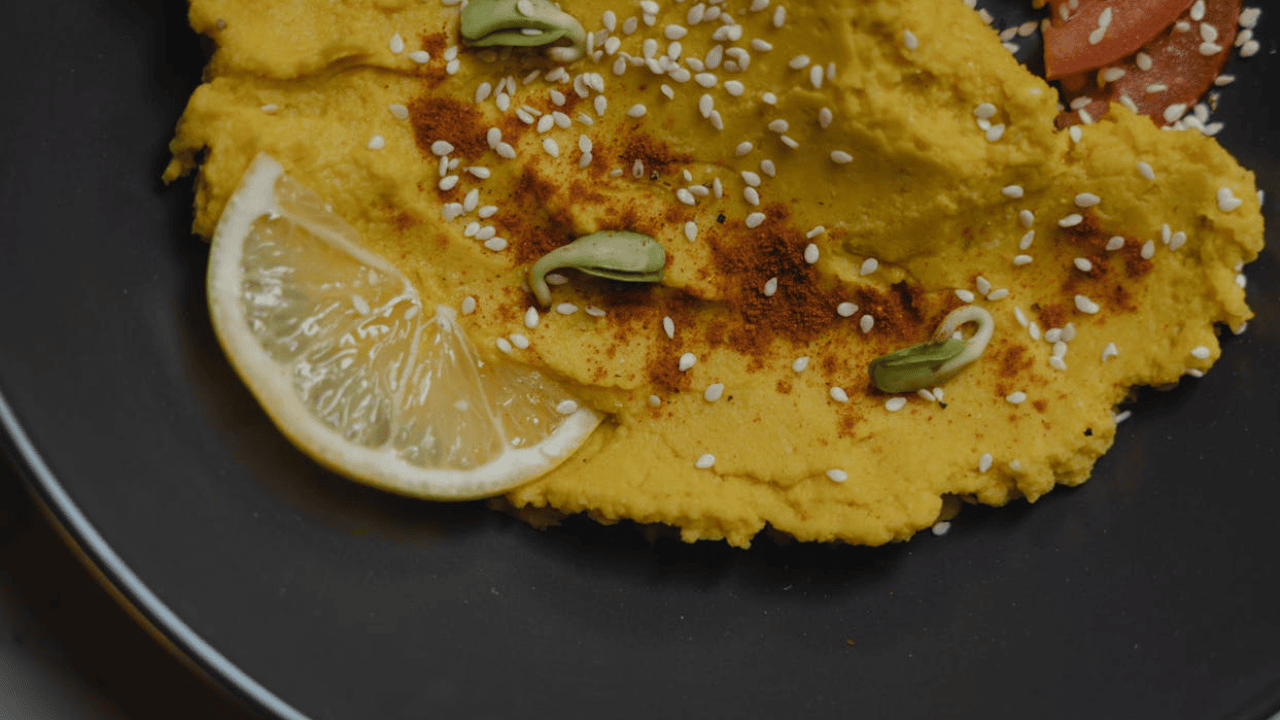
Cutting out carbs can lead to quick weight loss, but it’s mostly water and muscle, not fat. Over time, extreme carb restriction can slow your metabolism and drain your energy.
Your body needs carbohydrates for brain function, hormone balance, and recovery. Choosing complex carbs like oats, fruit, and vegetables is a smarter way to manage energy without the crash.
Overdoing “clean” eating
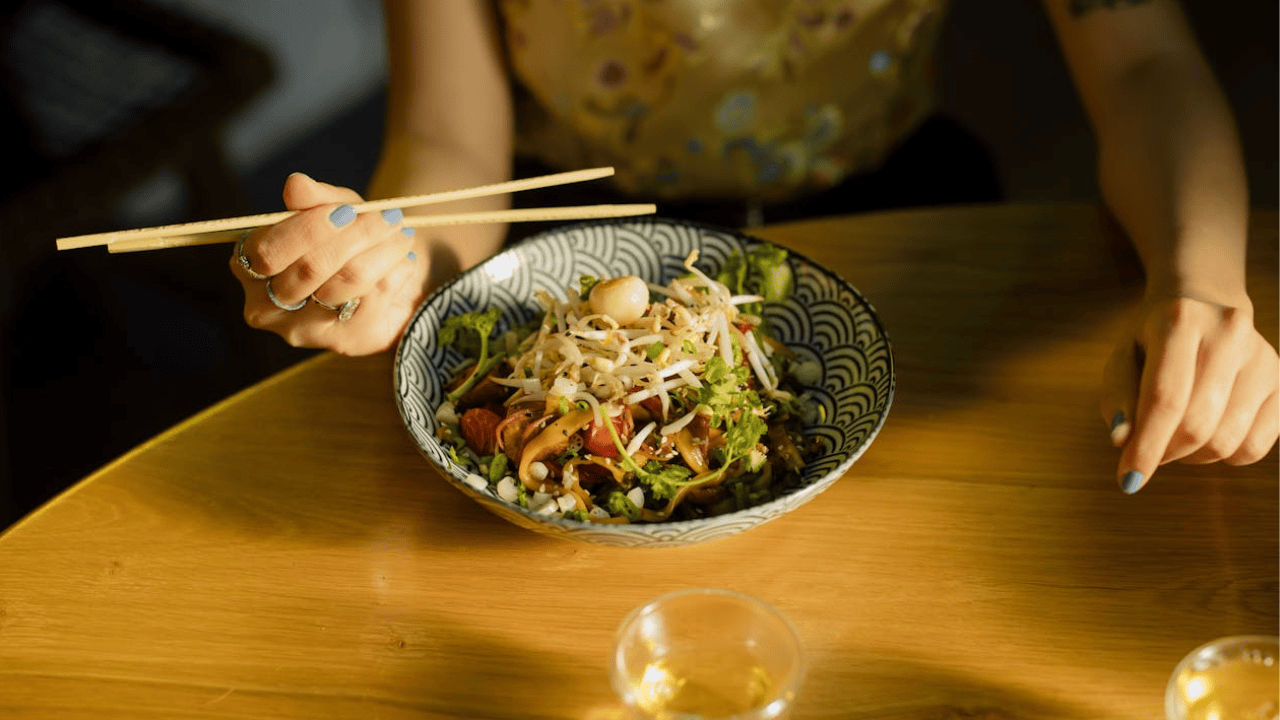
Eating healthy is great—but when it becomes rigid or guilt-driven, it’s a problem. Obsessing over food quality to the point of anxiety can lead to disordered eating patterns.
Balance is what keeps wellness sustainable. Enjoying the occasional dessert or takeout doesn’t undo your progress—it makes your lifestyle realistic enough to stick with.
Relying on quick fixes

Whether it’s a 7-day challenge or a trendy detox, anything promising fast results usually fails long-term. Health doesn’t change overnight—it builds from consistent choices.
Replacing extreme routines with small, repeatable habits—like walking more, drinking water, and sleeping enough—creates changes that actually last. Real wellness doesn’t need to be flashy to work.
“Detox” teas and powders
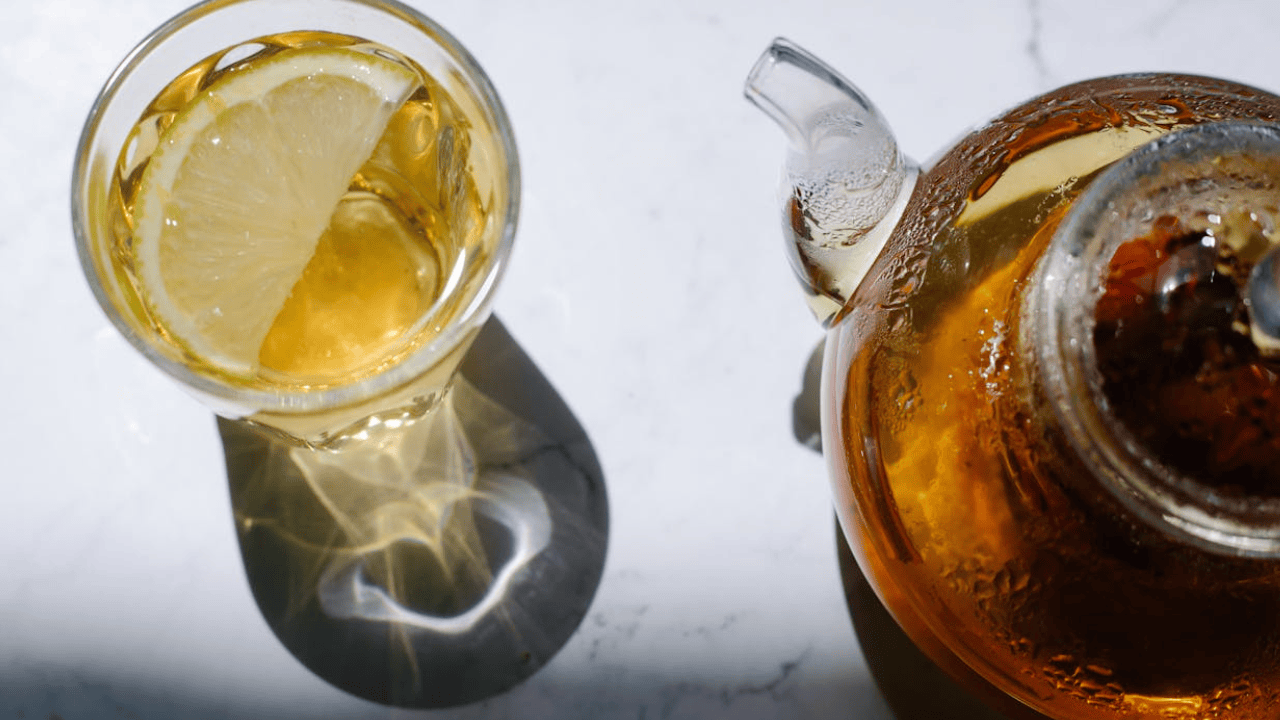
Those teas and powders that claim to flush toxins or shrink your waist don’t actually do what they promise. Your liver and kidneys already handle detoxing efficiently on their own.
What these products usually do is act as laxatives or diuretics—leaving you dehydrated and uncomfortable. Long-term, they can do more harm than good. Hydration and a healthy diet are what truly support your body’s natural detox process.
*This article was developed with AI-powered tools and has been carefully reviewed by our editors.
Leave a Reply