
Self-care has become a billion-dollar industry, and while taking care of yourself matters, spending money doesn’t always equal improvement. Somewhere along the way, “rest” and “reset” turned into “shop and spend.”
The truth is, real self-care has more to do with boundaries, sleep, and nourishment than subscriptions and skincare hauls. If you’ve ever felt like you’re doing all the “right” things but still feel burnt out, this is probably why.
Here are ten common ways people overbuy self-care without actually getting the benefits they’re hoping for.
Stockpiling skincare products
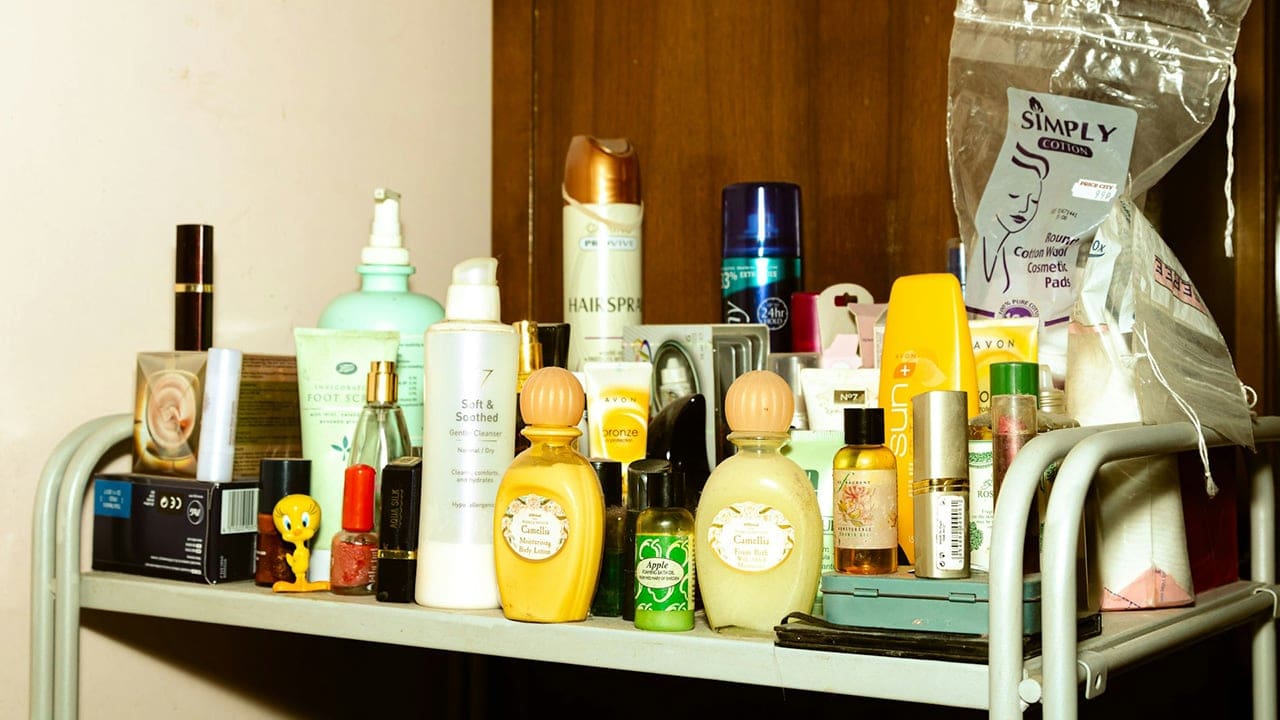
Having a full shelf of serums, masks, and creams might look like self-care, but layering too many products can irritate your skin and waste money. Most people only need a few basics that actually work.
Instead of buying every new launch, stick with what your skin responds well to and give it time to show results. A consistent, simple routine will always do more for your skin than a cluttered one.
Treating shopping as “therapy”
Retail therapy feels good for a minute, but it usually leaves you with buyer’s remorse and a tighter budget. Buying things to lift your mood doesn’t fix the stress that caused it in the first place.
When you feel the urge to shop, try doing something that actually restores you—like resting, journaling, or getting fresh air. You’ll save money and probably feel better for longer.
Paying for every wellness trend
Between crystal kits, aura cleanses, and every new “energy balancing” gadget, it’s easy to get caught chasing trends that sound healing but lack real science. They may offer a placebo effect, but not much else.
You don’t need expensive tools to feel well. The basics—hydration, movement, sunlight, and connection—are still the most powerful forms of self-care.
Buying expensive supplements

Many supplements are marketed as essential for health, but most people don’t need them in large quantities. Overbuying can strain your wallet and even upset your system if you’re mixing too many at once.
Before spending money on the next wellness powder or pill, focus on improving your diet first. A doctor or dietitian can tell you what you actually need, if anything.
Filling your calendar with “me time”

Massage appointments, spa days, and self-care classes can sound productive, but too much scheduling turns relaxation into another obligation. You end up rushing to unwind.
Real rest doesn’t need a time slot or a price tag. Sometimes the best self-care is doing nothing—without turning it into a chore.
Over-decorating your “self-care” space

Creating a peaceful home space helps your mood, but constantly buying new candles, pillows, and décor in the name of relaxation doesn’t make it more calming. It makes it cluttered.
Focus on maintaining a space that feels restful instead of trying to perfect it. Peace comes from how you use the space, not how much you spend on it.
Buying too many fitness memberships
It’s easy to think having multiple subscriptions—yoga, Pilates, gym, and apps—will keep you motivated. But too many options usually create guilt when you can’t keep up.
Choose one or two routines you actually enjoy and stick to them. Consistency matters more than access to every class under the sun.
Splurging on “self-improvement” courses

Courses that promise to change your mindset, fix your habits, or “elevate” your life can sound tempting, but many repeat the same advice you could find for free.
Before spending hundreds, make sure it’s something that fits your goals and daily life. Real growth takes practice, not another online download.
Constantly upgrading “wellness gear”
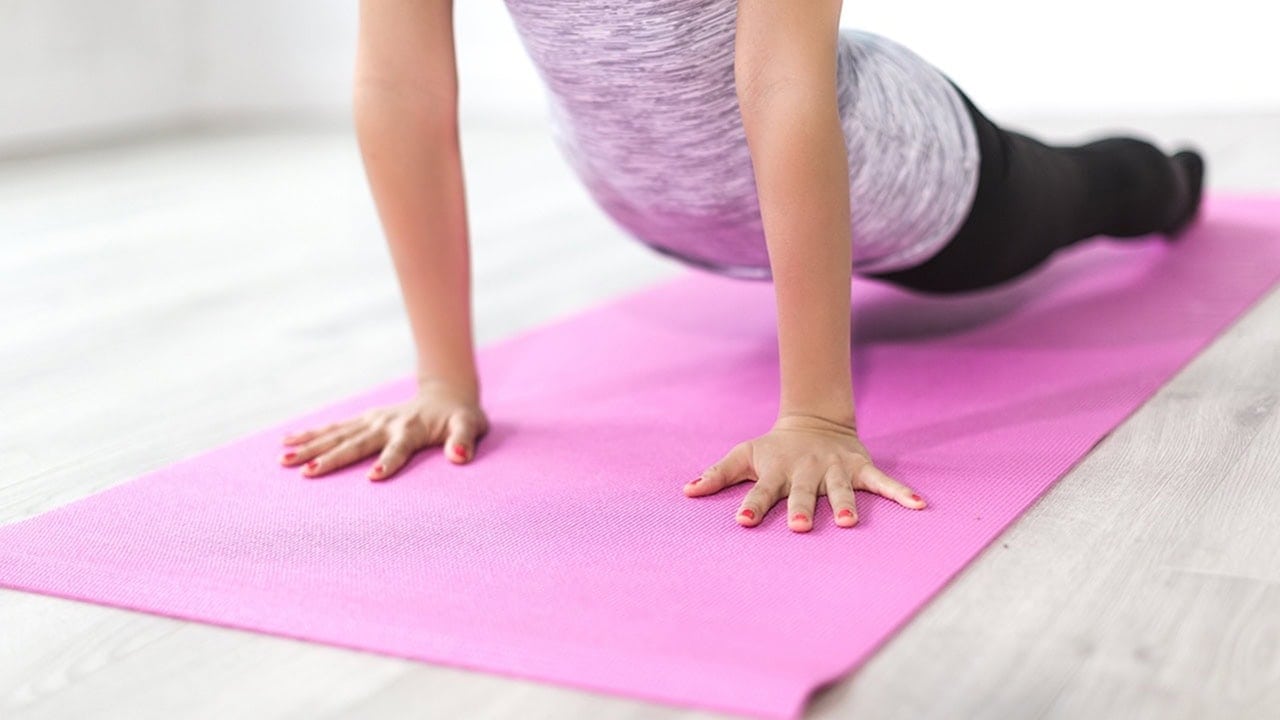
Buying the newest water bottle, sleep tracker, or yoga mat every few months doesn’t make you healthier. Most of these upgrades are about marketing, not actual improvement.
Using what you already have consistently will always do more for your wellness than chasing the next version. The gear only matters if you’re actually using it.
Confusing comfort with care
A night of takeout and online shopping might feel comforting, but true self-care often looks less glamorous—getting enough sleep, saying no, cooking real food, and managing stress.
When comfort habits start leaving you drained or broke, it’s time to reevaluate. Self-care should make you stronger over time, not dependent on the next “treat yourself” moment.
*This article was developed with AI-powered tools and has been carefully reviewed by our editors.
Leave a Reply