
Laundry takes enough time as it is—you don’t need small habits dragging it out even longer. Most people waste hours every month without realizing it, doing things that make laundry harder, slower, or less effective.
The good news is, with a few small changes, you can save both time and frustration. These are the parts of your laundry routine that are secretly eating up your day, and what you can do to fix them without adding more work.
Letting Laundry Pile Up Too Long
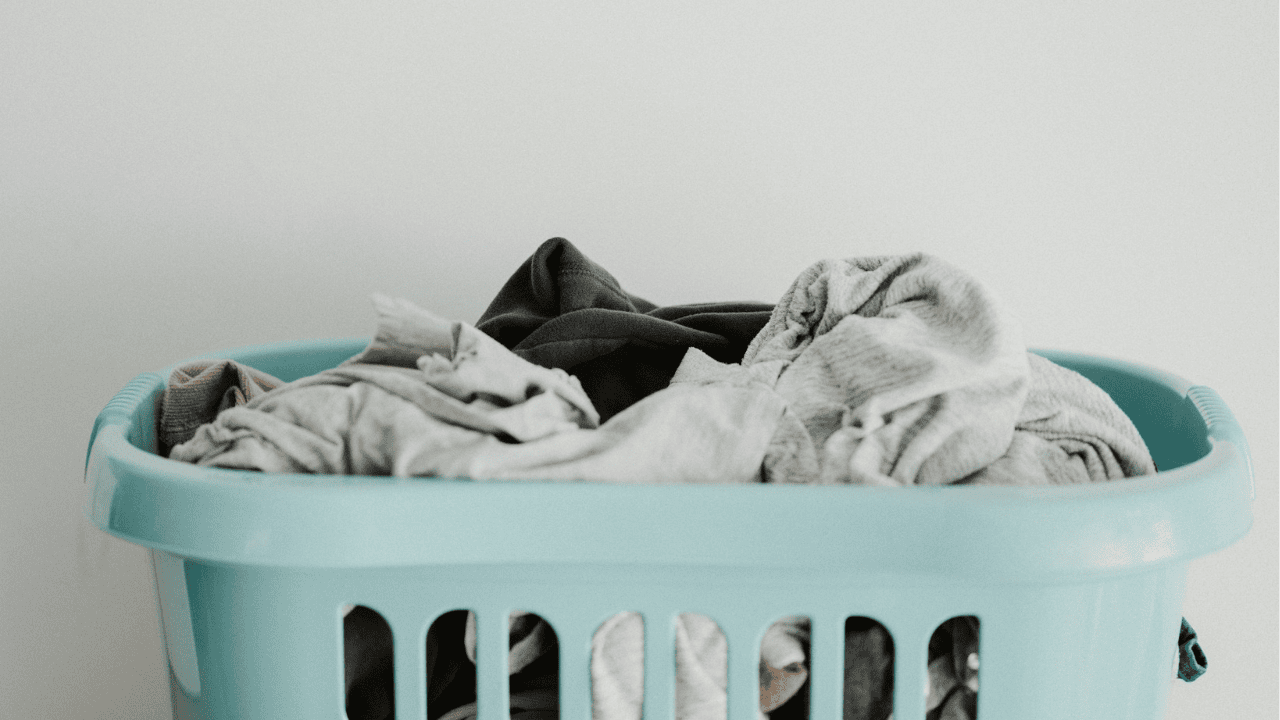
Waiting until you’re down to your last pair of socks might seem efficient, but it always backfires. You end up with mountains of laundry that take forever to wash, dry, and fold. By the time it’s all done, you’re burnt out and dreading the next round.
Doing smaller, more frequent loads saves time overall. It’s easier to manage, dries faster, and keeps you from spending half a day buried in clean clothes you still have to put away.
Using Too Many Different Detergents

Having separate bottles for whites, colors, delicates, and towels clutters up your space and slows you down. Constantly switching between them turns laundry into a guessing game instead of a routine.
A good all-purpose detergent works for most fabrics and cycles. Simplifying what you use saves time, money, and storage space—and it makes the whole process easier to keep up with.
Rewashing Clothes That Weren’t Dirty
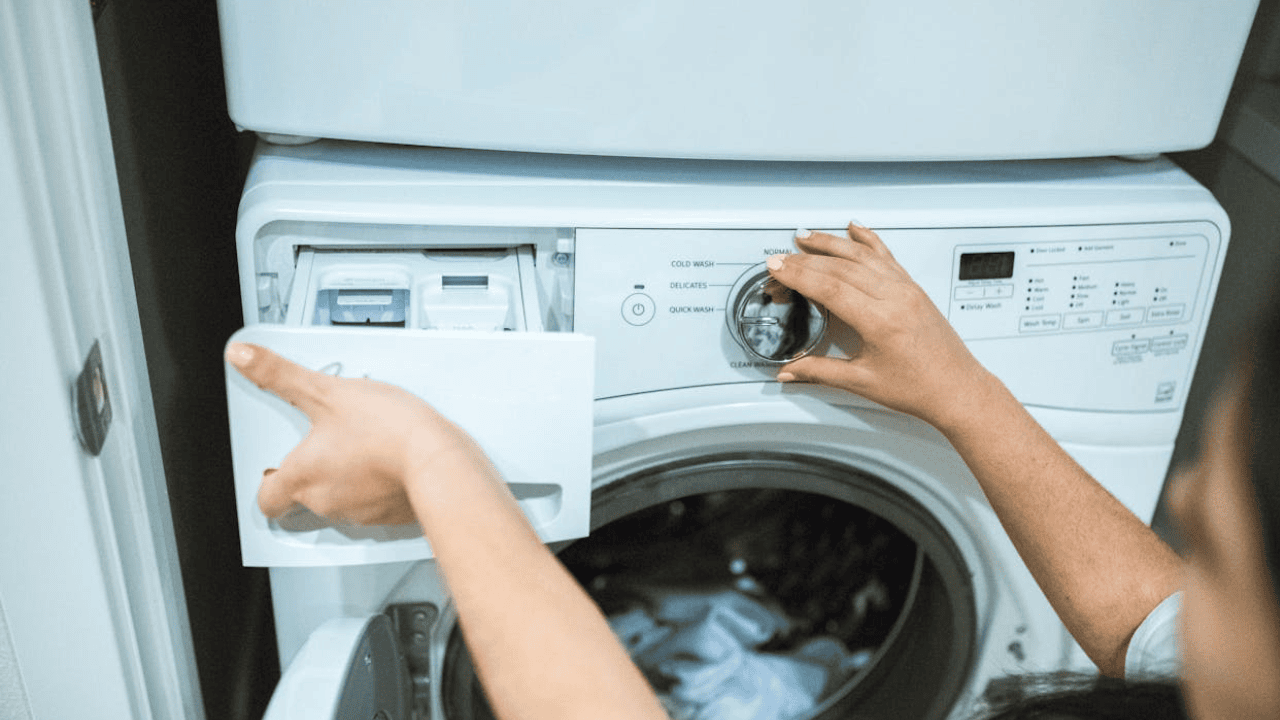
If you’re washing items after one wear out of habit, you’re doubling your work. Many clothes, especially jeans, sweatshirts, and pajamas, can go several wears before they actually need cleaning.
Overwashing wears out fabrics faster and wastes time, energy, and detergent. A quick sniff test and a visual check are usually enough to decide what truly needs a wash.
Folding Everything the Second It’s Dry

You don’t have to fold every item the minute it comes out of the dryer. Spending time folding things that could just be hung or tossed in drawers slows you down and makes laundry feel endless.
Focus on what matters—clothes that wrinkle or pile up quickly. The rest can wait until you have a few minutes later in the day. Breaking it up makes the task feel smaller and more manageable.
Ignoring Dry Times
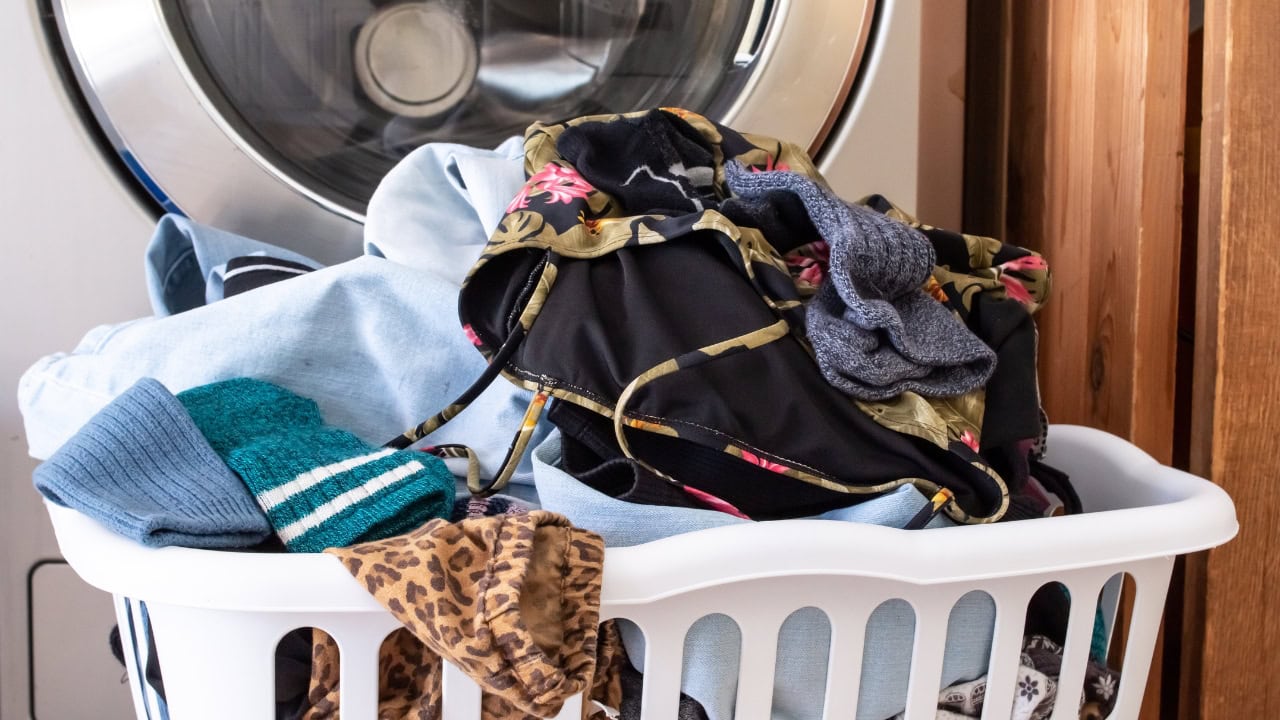
Throwing all fabrics in the dryer together means some pieces dry quickly while others stay damp, forcing you to run extra cycles. That’s wasted time and energy every single week.
Separate lighter fabrics like T-shirts and activewear from heavier ones like towels and jeans. Things will dry faster and more evenly, and you’ll spend less time checking and restarting the dryer.
Leaving Clothes in the Dryer
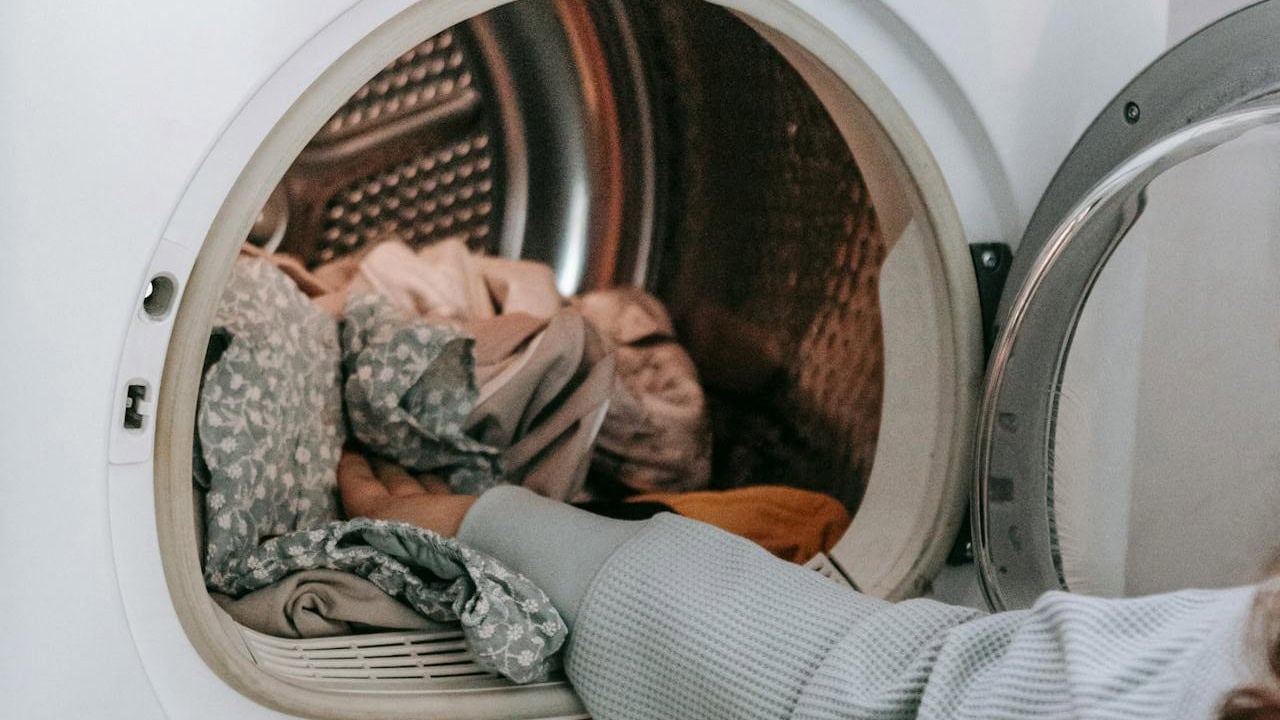
Letting laundry sit after the cycle ends turns it into a wrinkled mess that takes longer to fix. You end up running “refresh” cycles or ironing things you could’ve folded once and been done.
Set a timer for when your load’s almost finished so you can grab it right away. It’s one small step that saves you an entire extra round of work.
Forgetting to Clean the Lint Trap
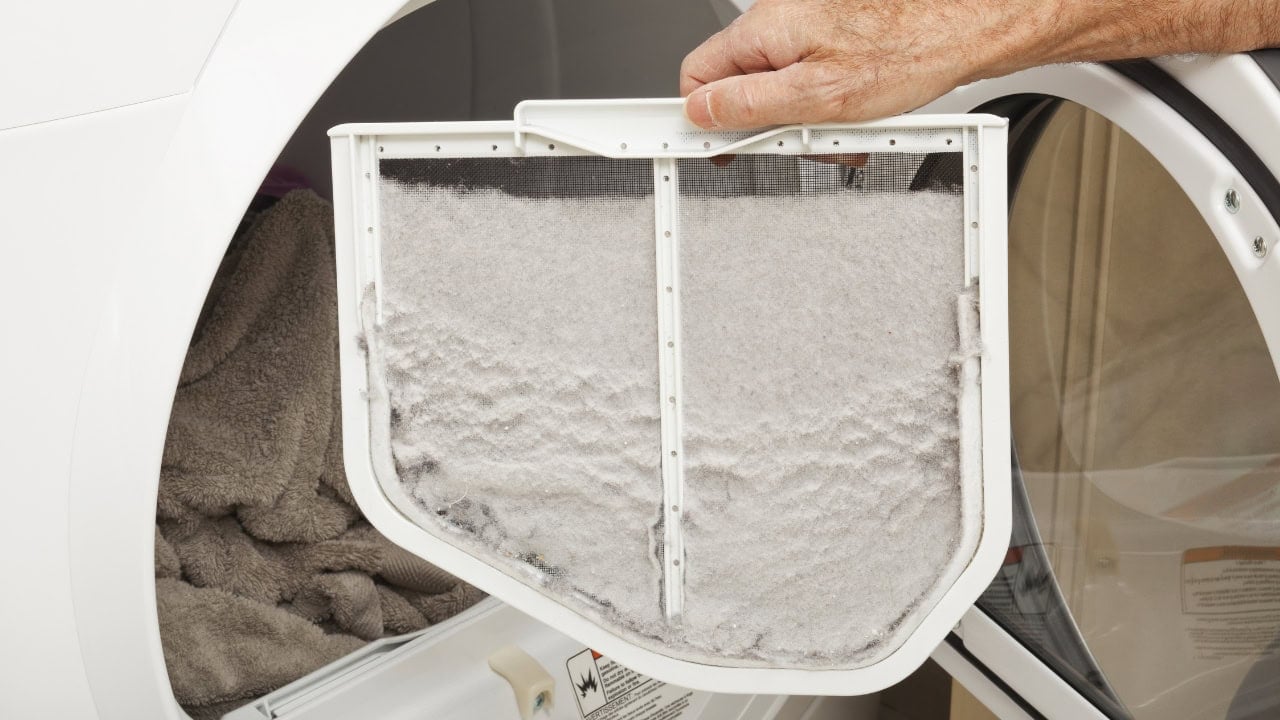
A clogged lint trap makes every drying cycle longer and less efficient. It can add ten or fifteen unnecessary minutes to each load—and drive up your energy bill in the process.
Taking two seconds to clean it after every cycle keeps the air flowing and your dryer running at full speed. It’s one of the easiest time-saving habits you can build.
Overcomplicating Sorting

Sorting by fabric type, water temperature, and color intensity might sound like best practice, but most modern detergents and machines handle mixed loads just fine. Spending too much time sorting slows you down for little benefit.
Stick to separating lights from darks and delicate items from heavy ones. That’s usually all you need for great results without the extra work.
Using Long Wash Cycles by Default

Most people use the same “normal” or “heavy duty” setting every time, even when a quicker cycle would do the job. Modern machines clean efficiently on shorter settings, especially for everyday clothes.
Check your washer’s manual and try the quick wash or express cycle for smaller loads. You’ll save time without sacrificing cleanliness—and wonder why you didn’t switch sooner.
Putting Off Maintenance
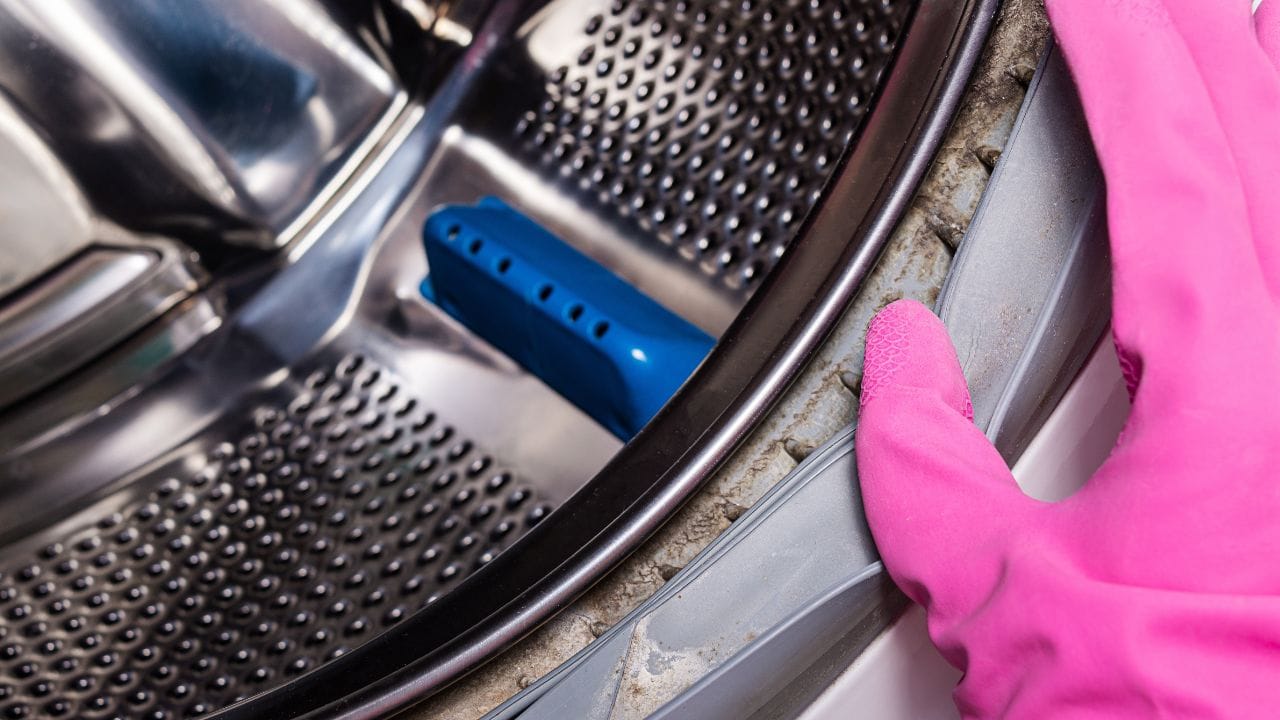
Ignoring your washer and dryer until something smells off or stops working leads to downtime and expensive repairs. A machine that’s overdue for cleaning or filter checks runs slower and less efficiently every load.
Running a cleaning cycle once a month and wiping down seals and dispensers helps everything work better. When your machines stay clean, your laundry gets done faster and with less hassle.
*This article was developed with AI-powered tools and has been carefully reviewed by our editors.
Leave a Reply