
Trying to be frugal is a good thing—until it starts working against you. Somewhere along the line, saving money turned into buying cheaper versions of everything, and that’s where most people trip up. Not every low-cost swap saves money long-term. Some wear out faster, perform worse, or create new problems that end up costing more to fix.
There’s a big difference between being resourceful and being penny wise, pound foolish. Once you know which “savings” are actually wasting your money, it’s easier to make choices that really stretch your budget.
Cheap tools and equipment
Buying low-end tools might seem smart at first, but when they strip screws, crack handles, or quit mid-project, you’ll be right back at the store replacing them. A well-made drill or wrench set will last decades, but cheap ones are practically disposable.
When it comes to anything you rely on repeatedly—whether it’s a mower blade, power drill, or wrench—quality pays off. Buy once, take care of it, and it’ll outlast every “budget buy” you thought was saving you money.
Discount shoes and workwear
That $25 pair of boots might feel like a win until your feet ache halfway through the day or they fall apart in a few months. Clothing and footwear that wear out quickly have to be replaced constantly, which adds up fast.
Well-made gear might cost more upfront, but it’s built to handle real wear and tear. You’ll spend less over time and stay more comfortable doing it. Sometimes “cheap” literally costs you in pain and productivity.
Off-brand batteries and bulbs
It’s tempting to grab the cheaper pack, but off-brand batteries often leak, drain faster, and can damage electronics. The same goes for light bulbs that burn out quicker or draw more energy than advertised.
When you buy quality, you’re not paying for a label—you’re paying for consistency. A longer lifespan and reliable performance save money over time, especially in things you use daily.
Refillable cleaners that don’t actually clean
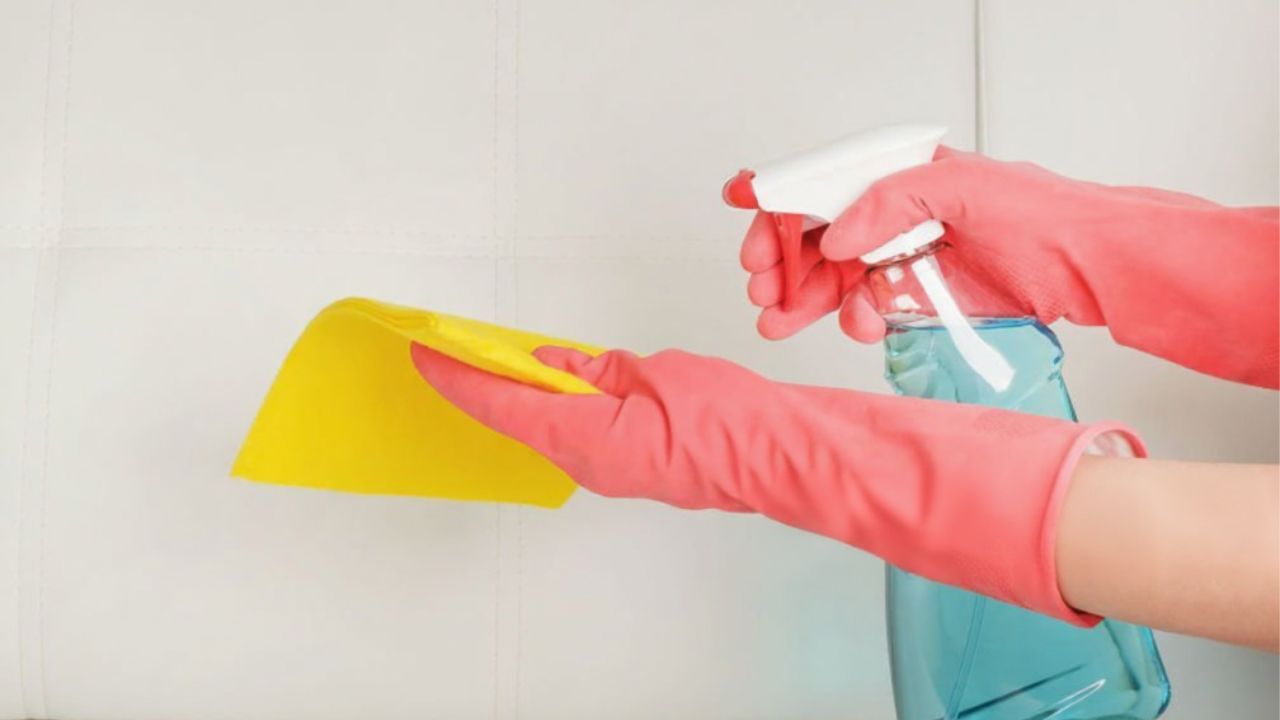
Refillable or concentrated cleaning products sound like a great way to save, but many don’t have the strength of name-brand formulas. You end up using twice as much or needing to clean more often.
Stick with products that actually work, even if the price per bottle is higher. The cost evens out when you’re not wasting time and effort scrubbing the same spot twice.
Cheap paint and brushes
Painting feels like an easy DIY place to save money—until you use bargain paint or a low-quality brush. Cheap paint requires more coats, takes longer to dry, and chips faster. Poor brushes leave streaks, shed bristles, and make the job miserable.
A better-quality paint covers faster and holds up longer, meaning fewer touch-ups and repaints. When you factor in the time, effort, and extra coats, the “cheap” option ends up being the expensive one.
Bargain garden supplies
Those dollar-store seeds, hoses, or tools rarely perform like they should. Cheap hoses crack in the sun, dull pruners ruin plants, and low-grade soil can stunt growth. You wind up redoing work instead of reaping results.
Good garden tools and materials aren’t about showing off—they’re about efficiency. A single reliable hose or durable trowel can last years longer than its bargain-bin equivalent, making it the true money-saver.
Discount filters and parts
When it comes to things like HVAC filters, water filters, or car parts, off-brand versions can cause serious problems. A poorly made filter won’t catch debris properly, forcing your system to work harder and wear out faster.
Spending a few extra dollars on quality parts protects the bigger investment—the appliance, vehicle, or system you actually rely on. It’s not wasteful to buy what works; it’s insurance against something breaking that costs thousands more to fix.
Low-quality cookware
Flimsy pots, pans, and utensils wear down fast, warp under heat, and make cooking harder. You’ll end up replacing them regularly, which adds up quickly.
A few good-quality pieces—like a cast iron skillet, a stainless steel pan, and a sharp knife—can handle nearly everything in the kitchen and last for decades. That’s the kind of “frugal” that actually saves money in the long run.
Bargain furniture and home goods
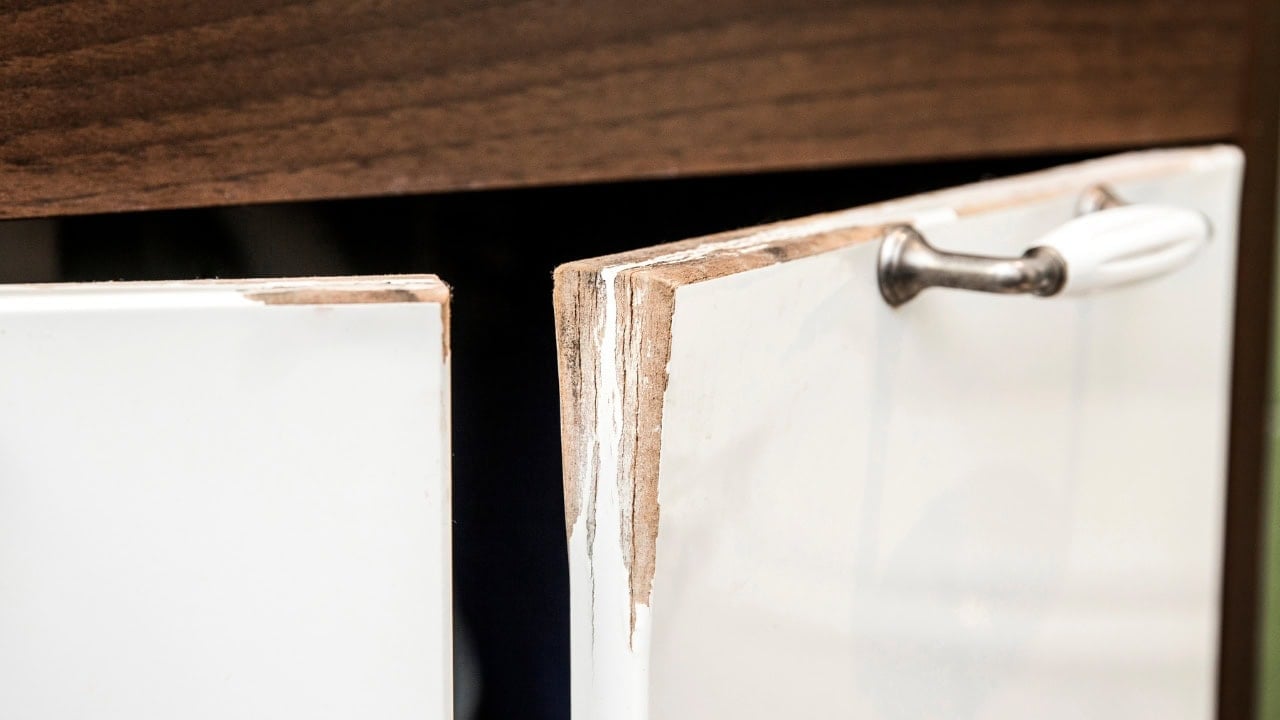
It’s easy to fall for low prices on furniture, especially when you want your home to feel “done.” But particleboard and cheap hardware don’t hold up to real life. Once drawers start sticking or shelves bow, you’re forced to buy again.
Well-built pieces may cost more, but they survive moves, kids, and everyday wear. Buy once, and you’ll never have to shop for that item again. That’s the kind of frugality that builds value, not clutter.
DIY fixes that aren’t really fixes
Doing it yourself saves money only when you know what you’re doing. Sometimes DIY shortcuts—like patching leaks with the wrong sealant or using the cheapest materials available—end up causing bigger problems later.
If a repair needs professional materials or expertise, it’s cheaper to do it right the first time. A failed fix doesn’t just waste supplies—it can double your costs when the problem worsens.
Trying to be frugal shouldn’t make life harder. The goal is to spend once, use it for years, and feel confident you made the right call. The more you focus on value instead of price, the less you’ll waste—both money and effort.
*This article was developed with AI-powered tools and has been carefully reviewed by our editors.
Leave a Reply