
You don’t have to drive a gas-guzzler to get bad mileage—sometimes, the problem is the way you drive. Even small habits behind the wheel can quietly drain your fuel economy without you realizing it. From heavy braking to highway habits, every action affects how efficiently your car burns fuel.
The good news? Once you know what’s costing you, it’s easy to fix. Making a few changes can stretch every tank further, keep your engine healthier, and save you more than you think over time.
Accelerating too hard
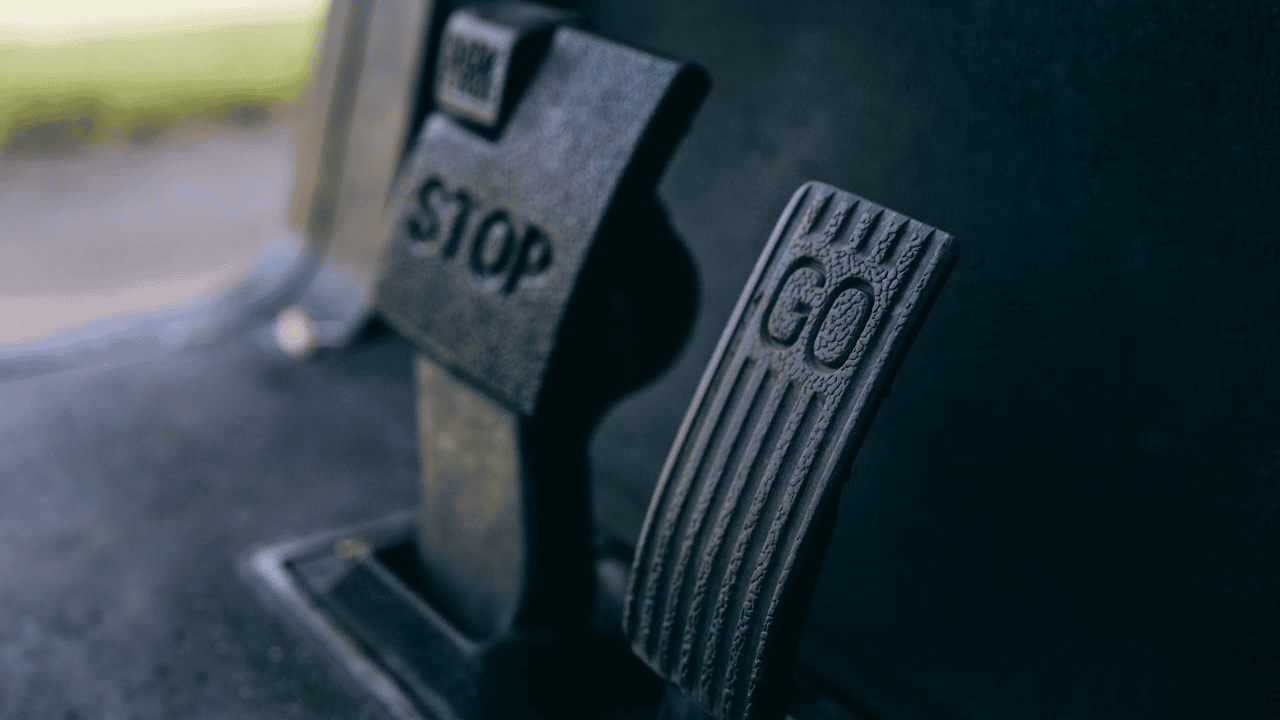
Slamming on the gas burns more fuel than steady acceleration. Every time you floor it from a stop, your engine dumps extra fuel to get up to speed faster. It might feel satisfying, but it’s expensive.
Ease into acceleration instead. Gradual speed increases use less fuel and create less wear on your engine. You’ll still get where you’re going—without watching your gas gauge drop.
Braking late and hard

Waiting until the last second to brake wastes the energy your car built up while accelerating. It’s also tough on your brake pads and rotors, which means more repair costs down the road.
Start slowing down earlier and coast when you can. Smooth stops save fuel, extend the life of your brakes, and make your driving safer overall.
Driving too fast
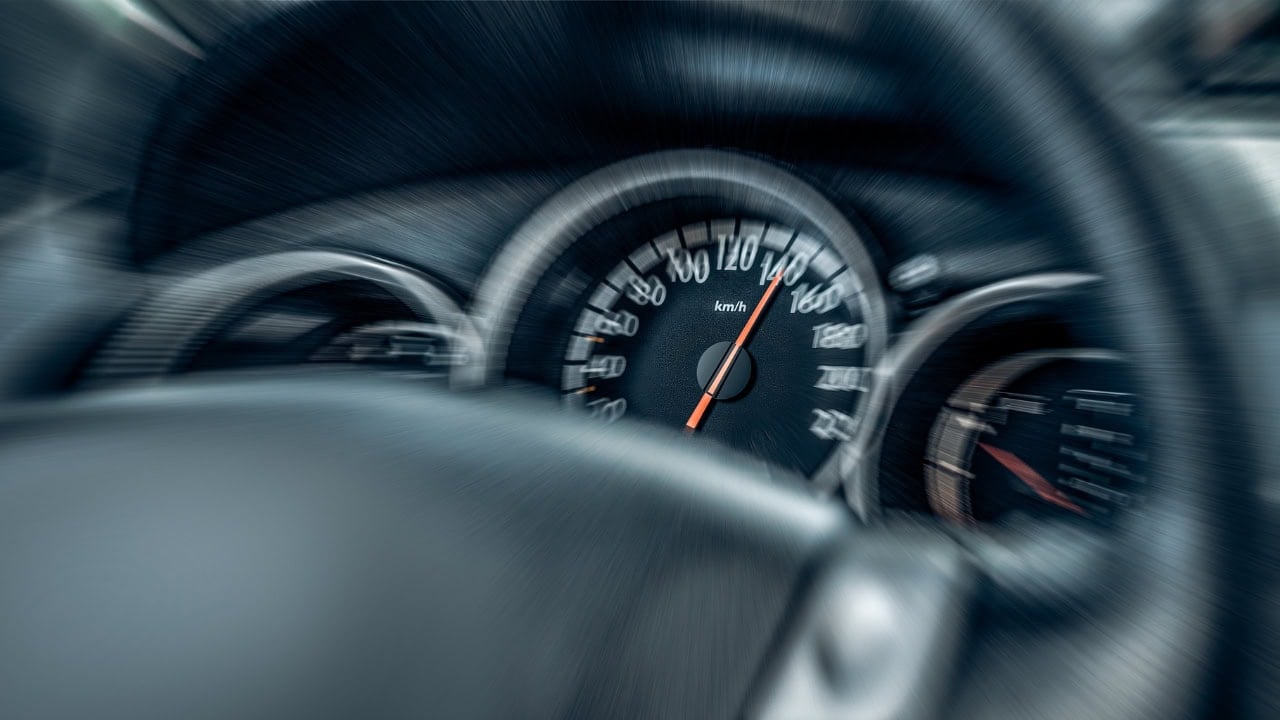
Once you hit around 60 mph, your car has to fight much more air resistance. That means the faster you go, the more fuel you burn for every extra mile per hour.
Try keeping your highway speeds moderate. Staying closer to 65 instead of 75 can save up to 15% on fuel, and it often adds only a few minutes to your trip.
Idling too long
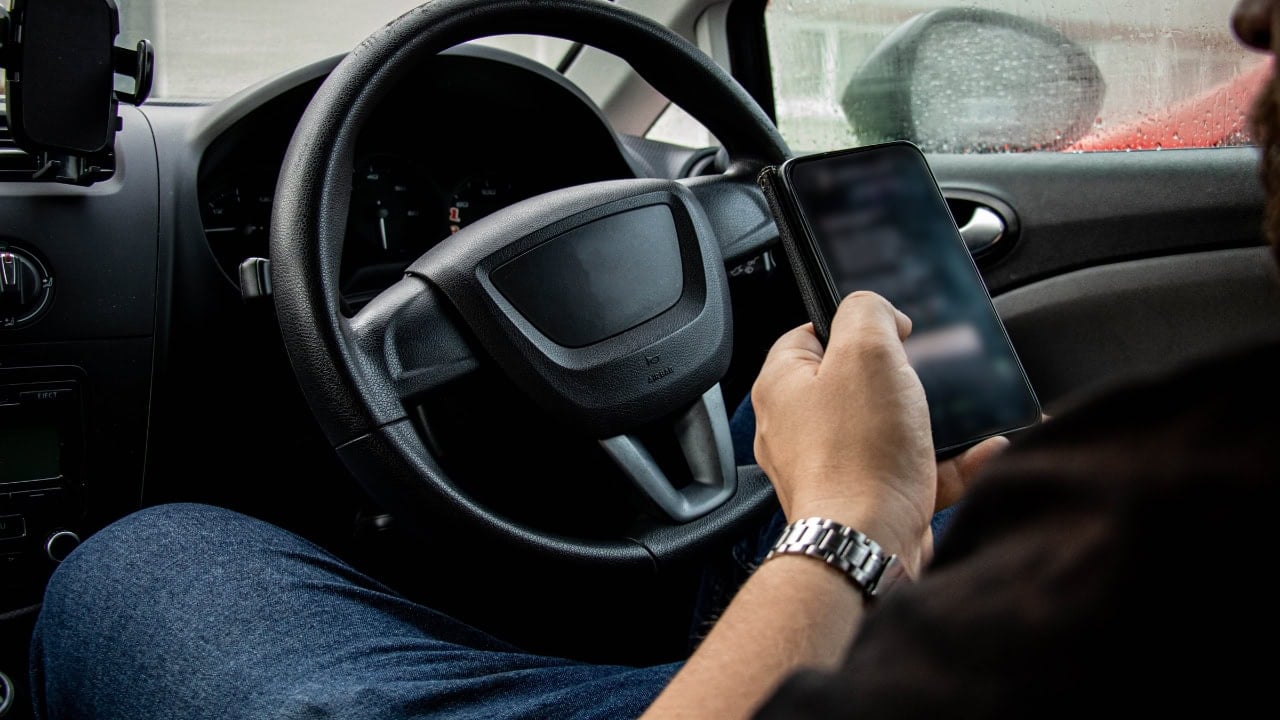
Whether you’re waiting in a drive-thru or scrolling your phone in the driveway, idling burns gas for nothing. Modern engines don’t need to “warm up” the way older ones did.
If you’ll be sitting for more than 30 seconds, turn the car off. Restarting uses less fuel than letting the engine run endlessly.
Riding the brake
Keeping your foot slightly on the brake pedal while driving creates resistance that your engine has to overcome. It might feel like you’re driving more carefully, but it costs you mileage and wears out your brakes faster.
Keep your foot off the brake unless you’re slowing down or stopping. Your fuel economy—and your brake pads—will thank you.
Ignoring cruise control
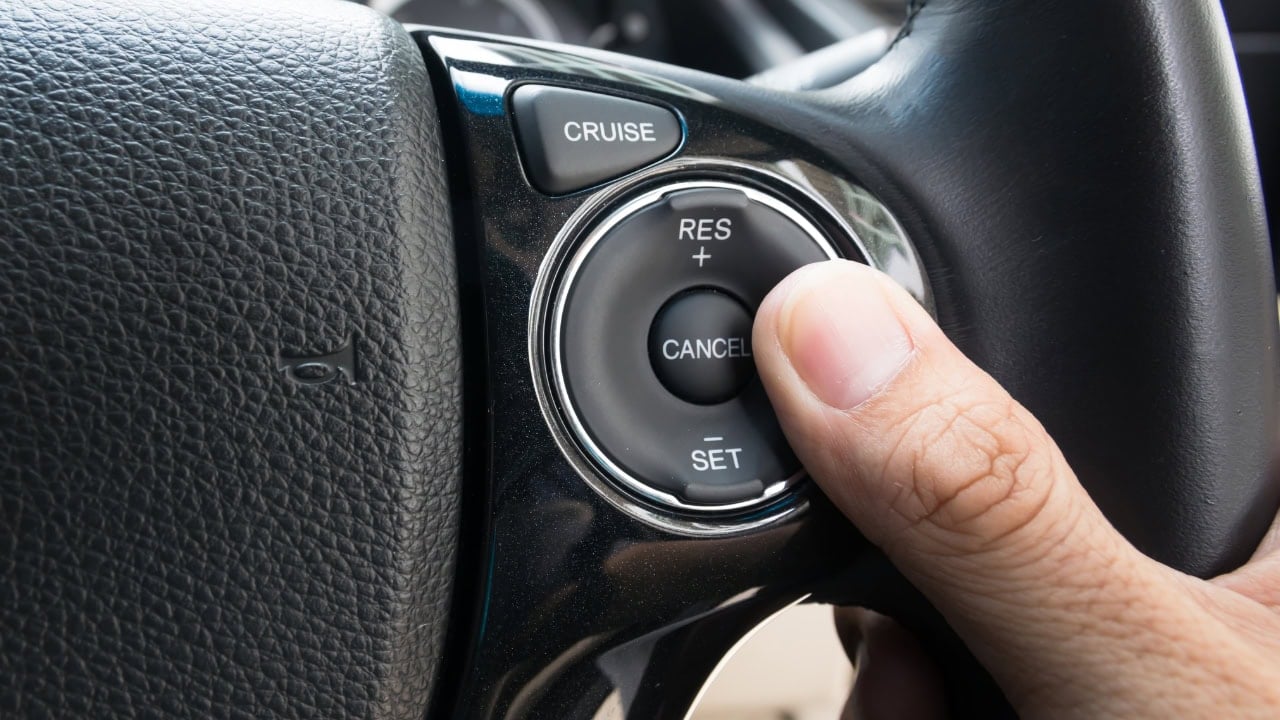
On flat highways, cruise control keeps your speed consistent, which saves gas. Constantly speeding up and slowing down wastes fuel because your engine keeps adjusting.
Use cruise control when road conditions allow. It’s especially effective on long, even stretches where maintaining speed matters most.
Carrying too much weight

Extra weight in your car forces your engine to work harder. Even an additional 100 pounds can reduce fuel efficiency by up to 2%.
Clean out your trunk, back seat, and cargo areas. You’ll notice smoother acceleration and slightly fewer trips to the gas station over time.
Ignoring tire pressure
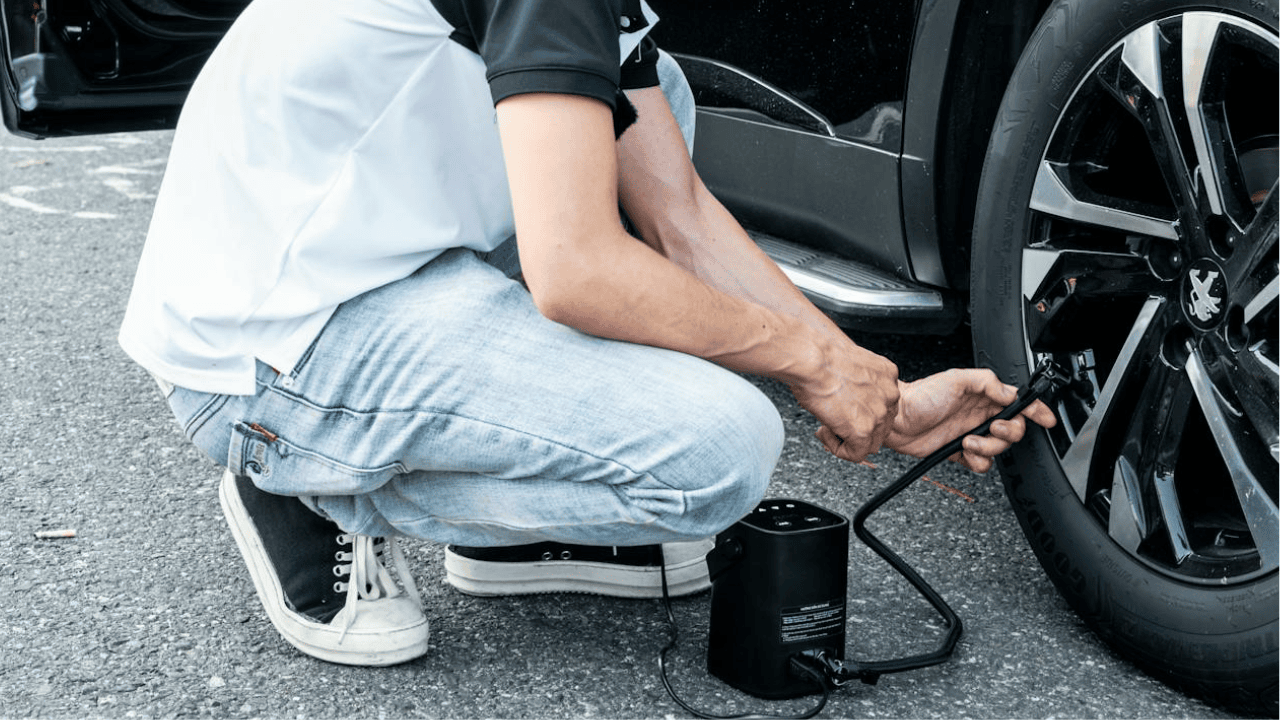
Low tire pressure increases rolling resistance, meaning your car has to push harder to move. That extra drag burns more fuel and wears down your tires faster.
Check your tire pressure monthly, especially when temperatures drop. Proper inflation helps you get better mileage and keeps your car handling safely.
Short-tripping your car
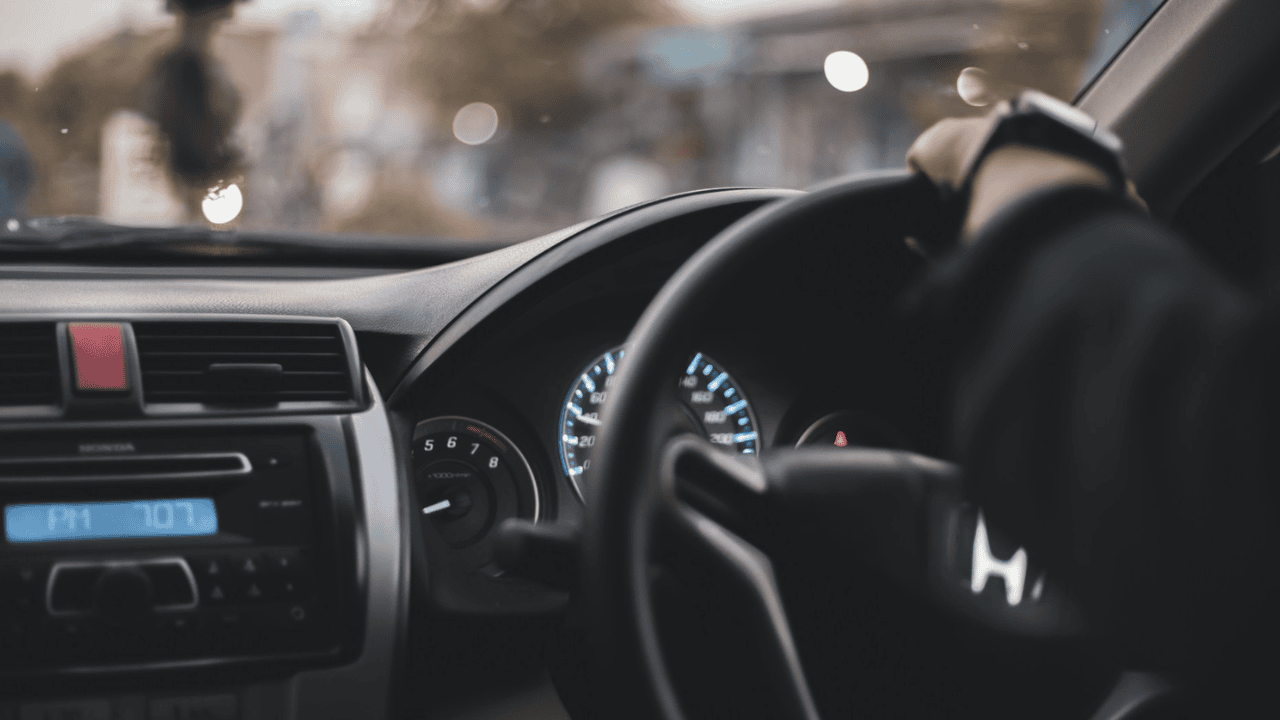
Frequent short drives don’t let your engine reach its optimal temperature, which means it burns more fuel to compensate. Cold engines are less efficient, period.
Combine errands into one trip when possible. It saves fuel, reduces wear, and keeps your engine running in its most efficient range longer.
Ignoring regular maintenance
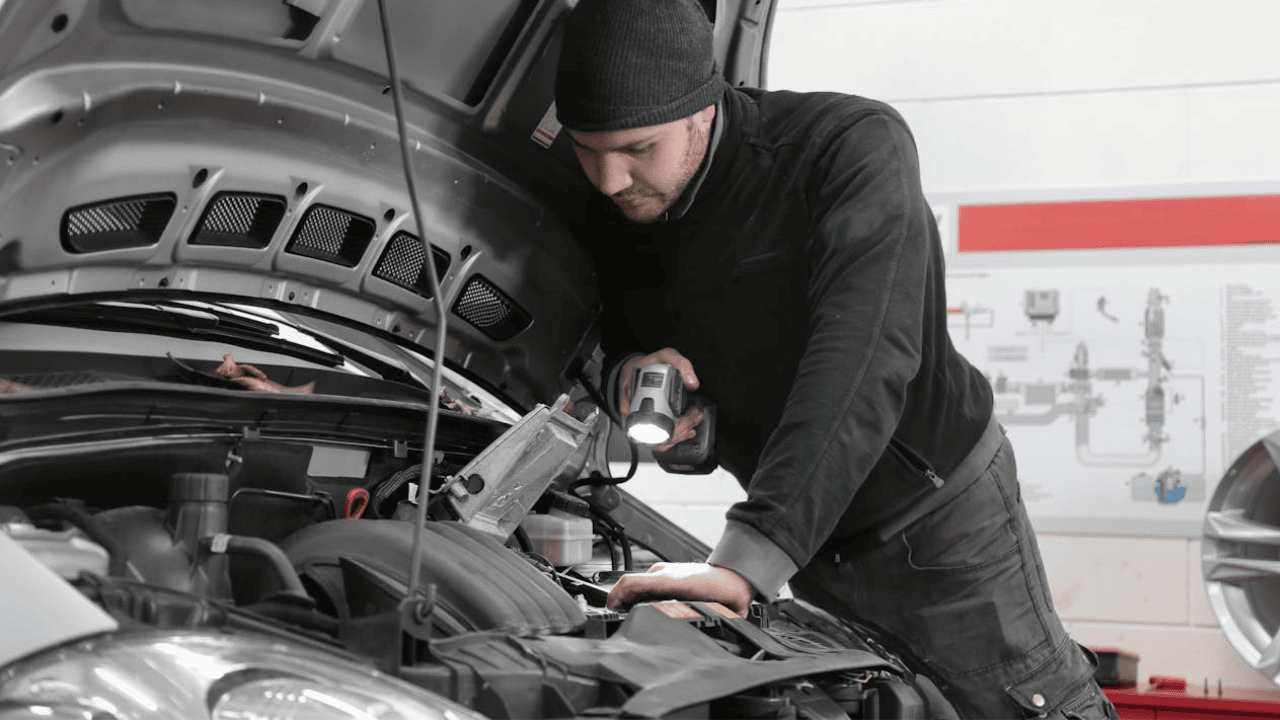
Dirty air filters, old spark plugs, and bad oil can all hurt fuel efficiency. When your engine has to work harder to perform basic tasks, your mileage suffers.
Stay on top of maintenance schedules. A tuned-up car runs smoother, burns fuel more efficiently, and lasts longer—meaning you spend less in the long run.
*This article was developed with AI-powered tools and has been carefully reviewed by our editors.
Leave a Reply