
10 ways to make boring vegetables taste good
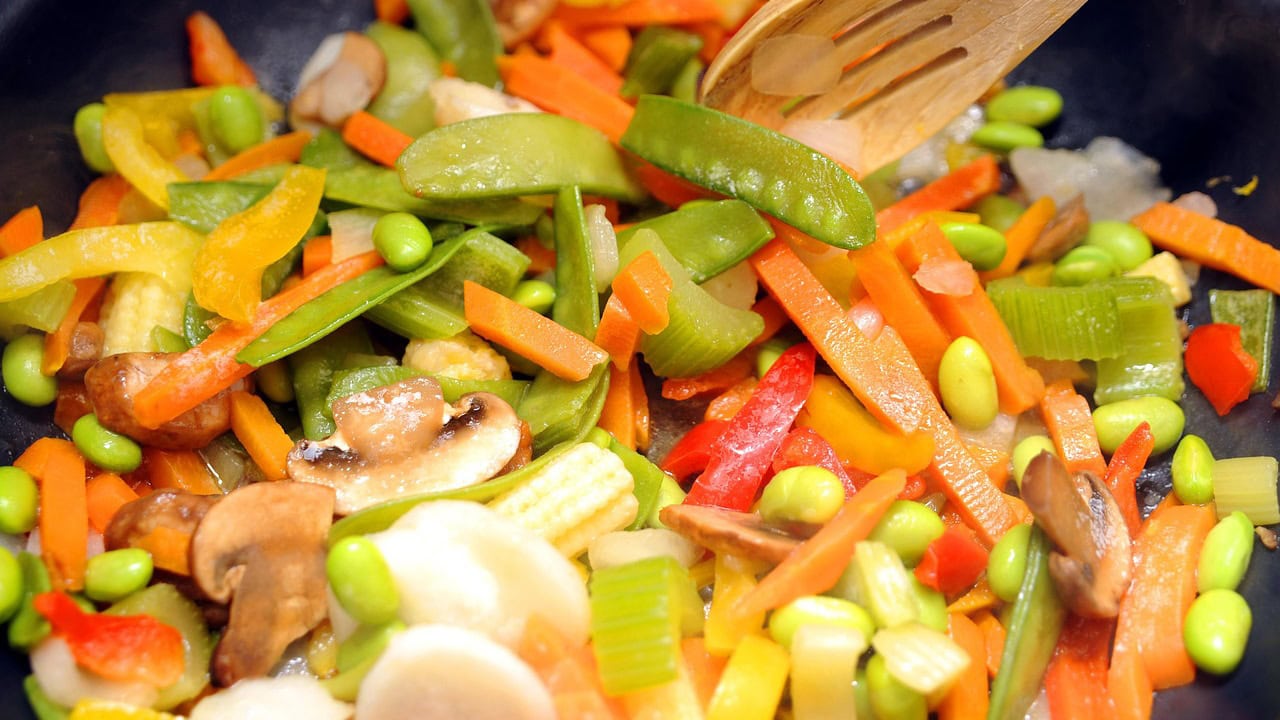
Let’s be honest—vegetables don’t always taste great on their own. If you’ve ever pushed around steamed broccoli or stared down a bowl of plain green beans, you’re not alone. But that doesn’t mean vegetables have to be bland or feel like a chore.
There are easy, affordable ways to make them taste like something you actually want to eat. It’s not about covering them up—it’s about knowing how to season, cook, and finish them the right way.
Roast Them at High Heat

Roasting vegetables at 425°F brings out a totally different flavor than boiling or steaming. The high heat caramelizes the natural sugars, giving you crispy edges and deeper flavor. You don’t need much—just oil, salt, and pepper to start.
Toss broccoli, carrots, cauliflower, or even cabbage in oil and roast until browned. It’s one of the easiest ways to get people (including picky eaters) to go back for seconds. A little char goes a long way.
Use More Salt Than You Think
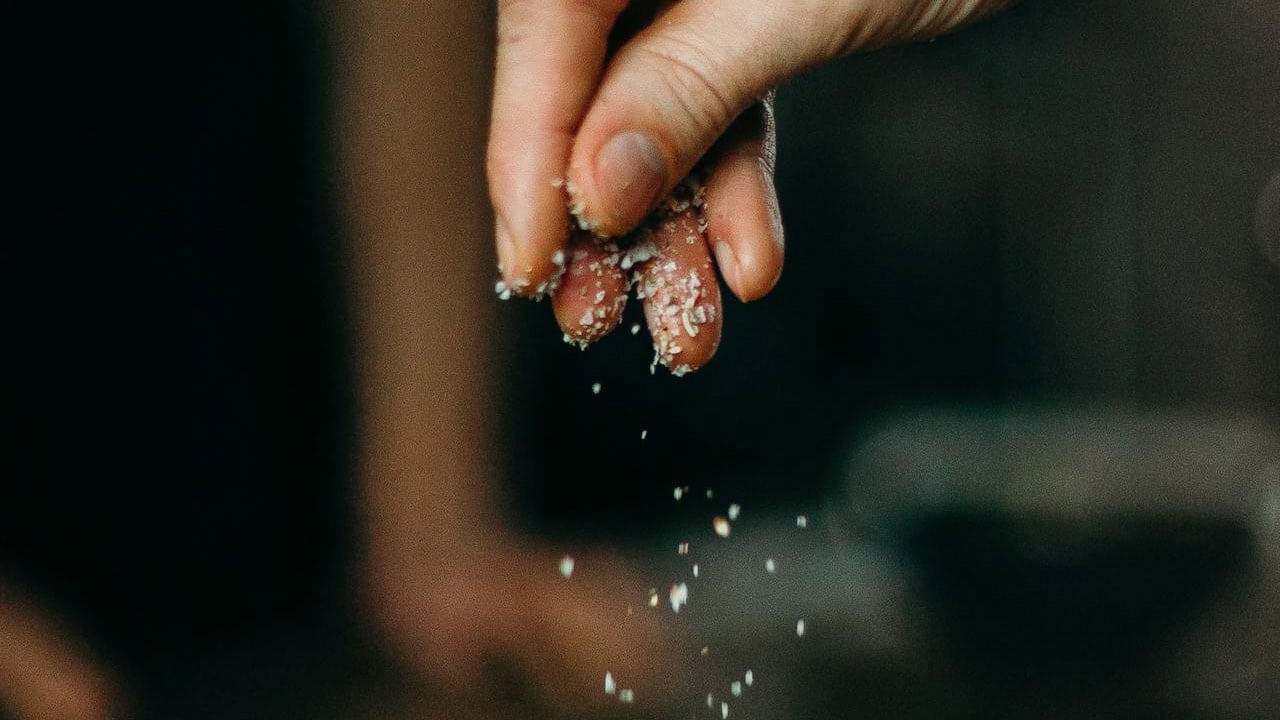
Most vegetables taste flat because they’re under-seasoned. Salt brings out flavor—not just in meat, but in produce too. A pinch before cooking and a pinch after makes a noticeable difference.
Don’t be afraid to salt your water when boiling potatoes or green beans. For roasted or sautéed veggies, season before and after cooking to make sure every bite is balanced. Taste as you go until it feels right.
Add Acid

A splash of vinegar or a squeeze of lemon can completely change how vegetables taste. Acid cuts through bitterness and adds brightness, especially with greens like kale or Brussels sprouts.
You don’t need a fancy vinaigrette—just finish roasted vegetables with a drizzle of balsamic, or hit cooked spinach with a squeeze of lemon right before serving. It keeps everything from tasting too heavy or earthy.
Sauté With Garlic or Onion
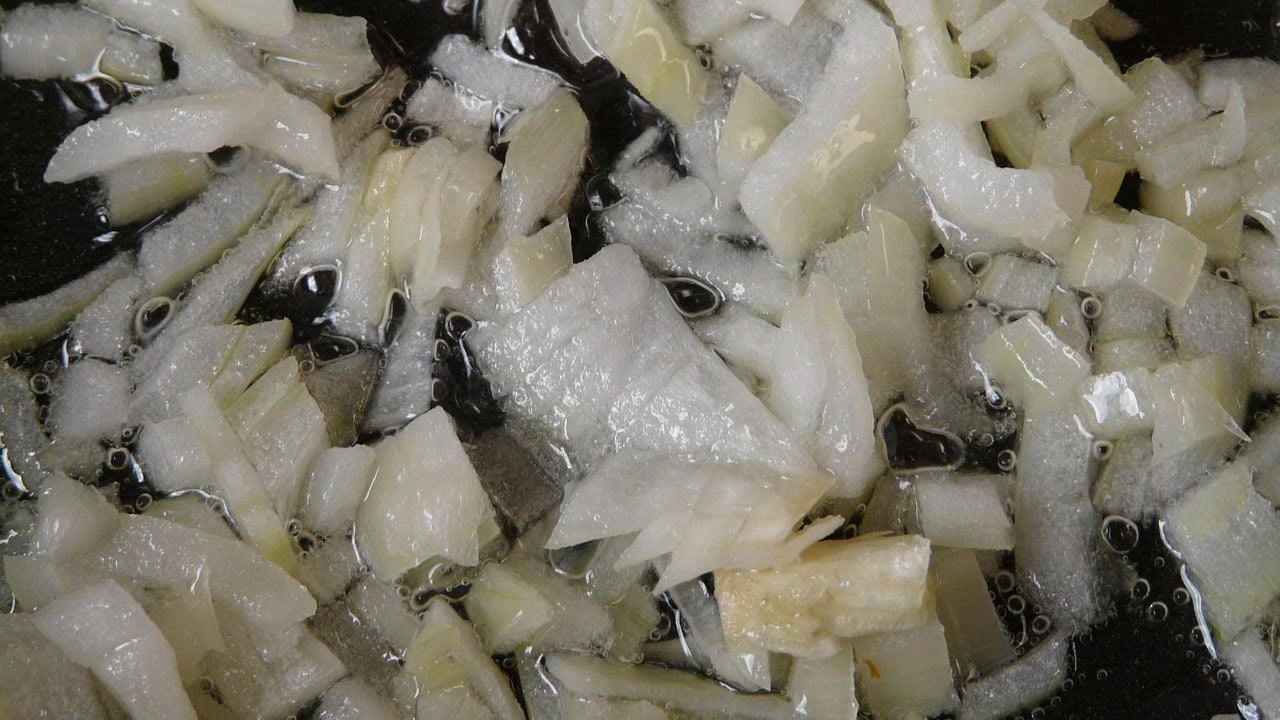
Garlic and onion bring a base layer of flavor that makes vegetables taste richer. Even a little bit goes a long way, especially when you’re cooking spinach, squash, or green beans.
Start your pan with a little oil and minced garlic or onion before tossing in the veggies. Let them brown slightly, then stir everything together. It gives even plain frozen vegetables a boost that makes them feel more homemade.
Use Broth Instead of Water
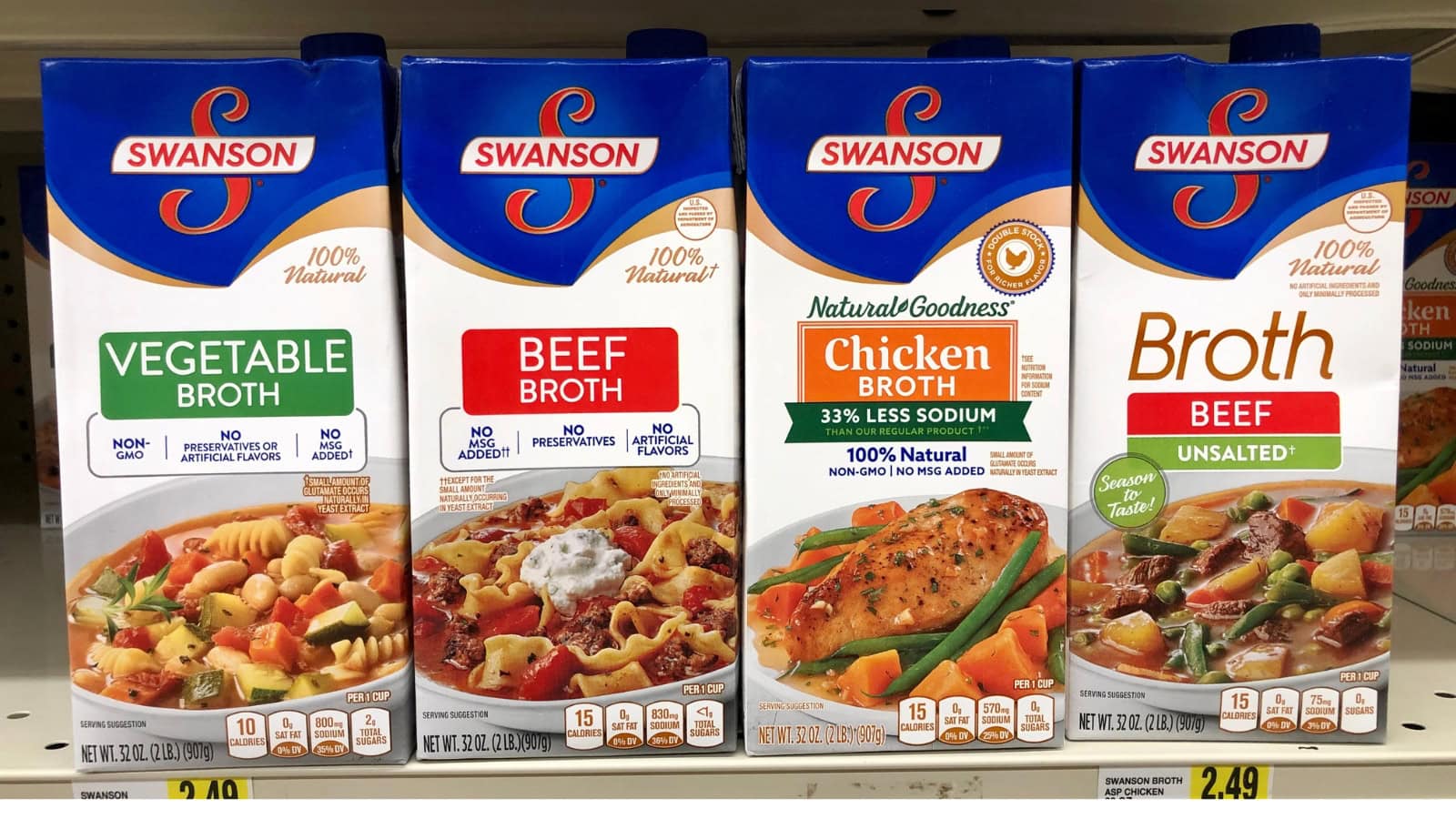
Cooking vegetables in chicken or veggie broth adds depth without needing extra ingredients. It works great for simmered greens, cabbage, or even reheating leftovers.
You can also use broth for steaming—just add a splash instead of plain water. It’s an easy switch that gives you more flavor with zero effort. Low-sodium broth works best so you can control the salt.
Add a Finishing Oil
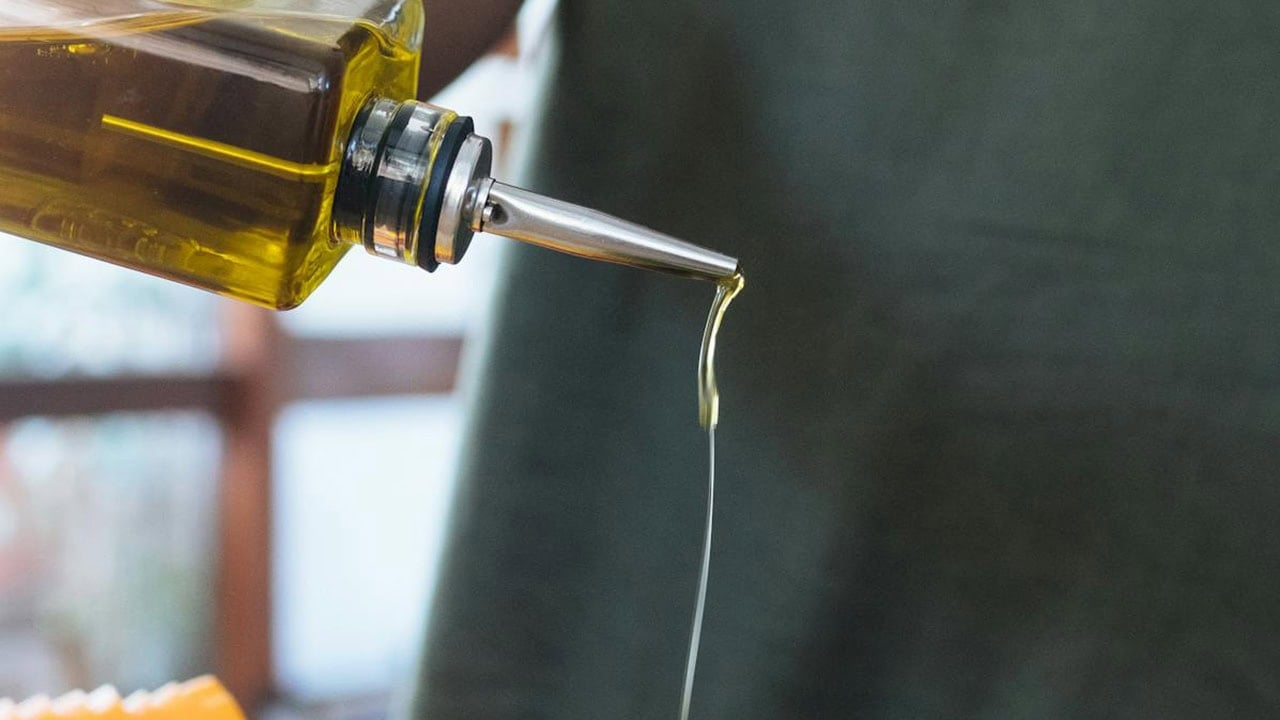
Drizzling vegetables with olive oil, sesame oil, or chili oil right before serving adds richness and flavor. You don’t need much—less than a teaspoon can elevate a whole side dish.
For example, sesame oil on stir-fried green beans or roasted carrots adds a toasted note. Olive oil with a little lemon zest can brighten roasted zucchini or squash. Use whatever matches the meal you’re serving.
Toss With Parmesan or Feta
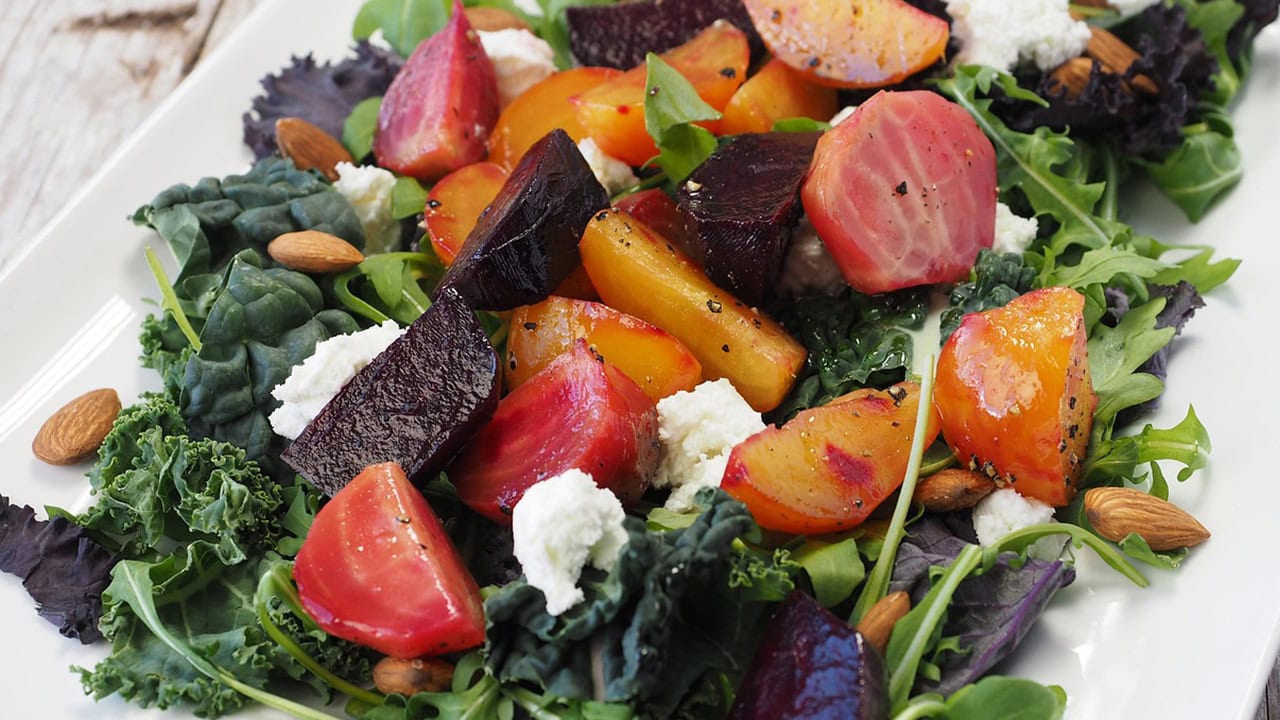
Cheese adds salt and fat, which makes vegetables taste more satisfying. Grated parmesan melts onto hot veggies and gives a little crisp if you broil it. Feta works better cold—like on a cucumber or tomato salad.
You don’t need to drown them—just a tablespoon or two makes a big difference. It turns basic roasted vegetables into something that feels more like a finished dish than a side you’re forcing down.
Spice It Up
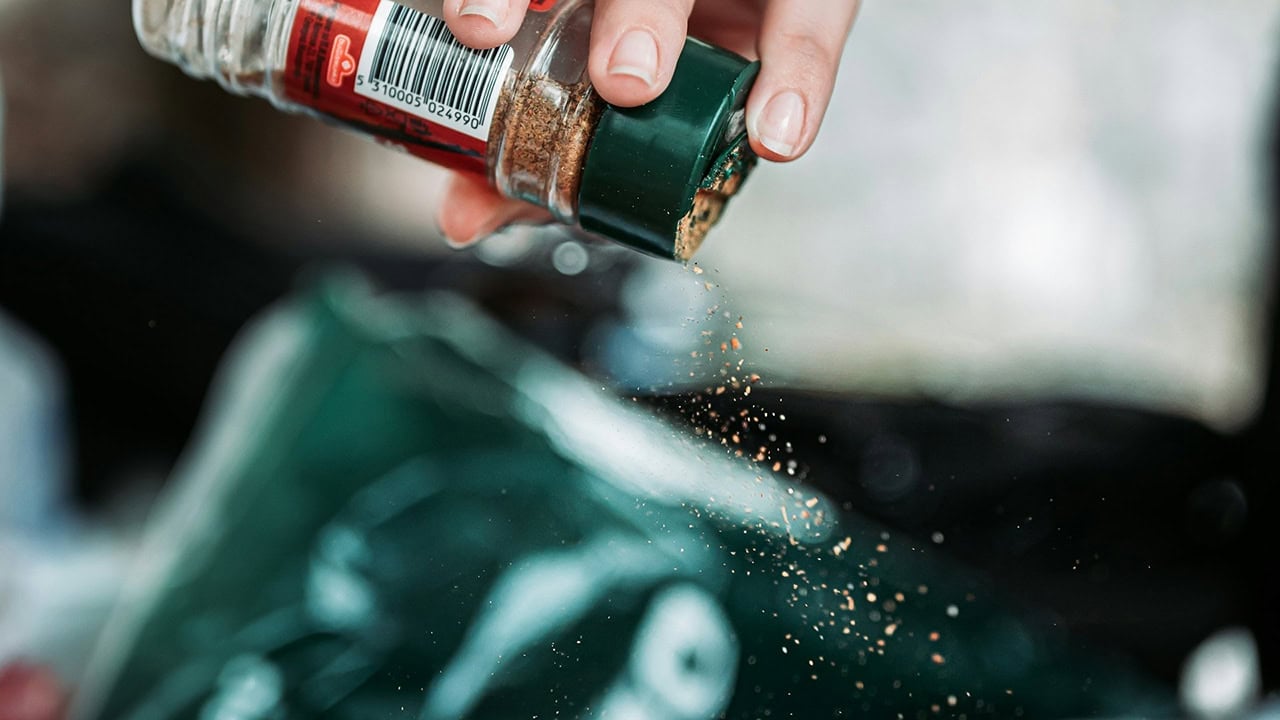
Seasoning mixes like taco seasoning, Cajun spice, or curry powder can turn plain vegetables into something more interesting. They’re especially helpful when you’re working with frozen veggies or leftovers.
Don’t overdo it—start small and taste as you go. Cauliflower with curry, carrots with cinnamon and cumin, or zucchini with Italian seasoning all work well. It gives your meal variety without changing the core ingredients.
Char Them in a Skillet

A hot pan can mimic the effects of roasting without using the oven. Heat a cast iron or nonstick skillet, add a splash of oil, and cook your vegetables until they’re browned and blistered.
This method works well for asparagus, snap peas, corn, or mushrooms. Don’t stir them constantly—let them sit for a minute or two to build color, then toss. That color equals flavor.
Mix With Something You Already Like

If plain vegetables are still hard to eat, mix them into dishes you already enjoy. Stir chopped spinach into pasta, add bell peppers to scrambled eggs, or fold broccoli into cheesy rice.
You’re more likely to eat vegetables if they’re paired with something you look forward to. Over time, your taste buds will adjust, and the vegetables won’t feel like something you have to sneak in anymore.
*This article was developed with AI-powered tools and has been carefully reviewed by our editors.
Leave a Reply