
It’s easy to fall into the trap of buying things that make you look put together instead of actually improving your life. Social media makes it worse—you see people posting perfectly staged homes and designer coffee runs, and suddenly your normal starts to feel inadequate.
The truth is, a lot of the “status” spending people do has nothing to do with comfort, quality, or even happiness. It’s about image—and it’s quietly draining their bank accounts.
Keeping up with trends
Buying the latest furniture, fashion, or tech might feel exciting for a moment, but it’s also the fastest way to stay broke. Trends move faster than your paycheck, and what’s “in” this year will look outdated next year.
If you always feel pressure to update your space or wardrobe, it’s not really about the stuff—it’s about wanting approval. Stick with what actually fits your lifestyle, not what you think looks impressive.
Driving more than you can afford
A shiny car might turn heads, but it won’t help your finances. Between monthly payments, insurance, and maintenance, vehicles are one of the biggest money traps for people trying to look successful.
A paid-off truck or sedan with a few scratches might not wow anyone, but it’ll keep money in your pocket—and that’s real wealth.
Financing “luxury”
Buy now, pay later has made it easy to look rich for a month and stressed for six. Expensive furniture, designer handbags, and high-end gadgets lose their shine fast when you’re still paying interest on them.
If something needs to be financed for the look alone, it’s not an upgrade—it’s a liability. Save for what actually adds comfort or convenience, not just status.
Overspending on your house

People often go overboard on decor, thinking it makes their home feel “high-end.” But filling a house with trendy furniture, custom signs, or constant remodels doesn’t make it more welcoming—it makes it more expensive.
You don’t need to prove anything through your home. The most beautiful spaces are the ones that feel lived in and comfortable, not staged for Instagram.
Designer logos everywhere
There’s a difference between buying something high-quality and buying it because of the logo. Most people chasing designer labels aren’t buying craftsmanship—they’re buying validation.
True confidence doesn’t need a logo to announce it. The people who quietly build wealth usually prioritize fit, comfort, and longevity—not branding.
Expensive subscriptions
Streaming services, clothing boxes, fancy gym memberships—it’s all “only $15 a month” until you’re wondering where your paycheck went. A lot of people keep these subscriptions because they like what they represent, not what they actually use.
Cut the ones you don’t touch weekly. No one’s impressed by unused memberships—they’re just impressed you can say no.
Buying drinks and meals for show
Grabbing coffee or dinner with friends is one thing. Turning every outing into a “treat yourself” moment with $12 drinks and appetizers you didn’t need is another.
Those “little” moments add up fast. And half the time, people are trying to match a lifestyle that’s more about appearances than reality.
Upgrading phones too often
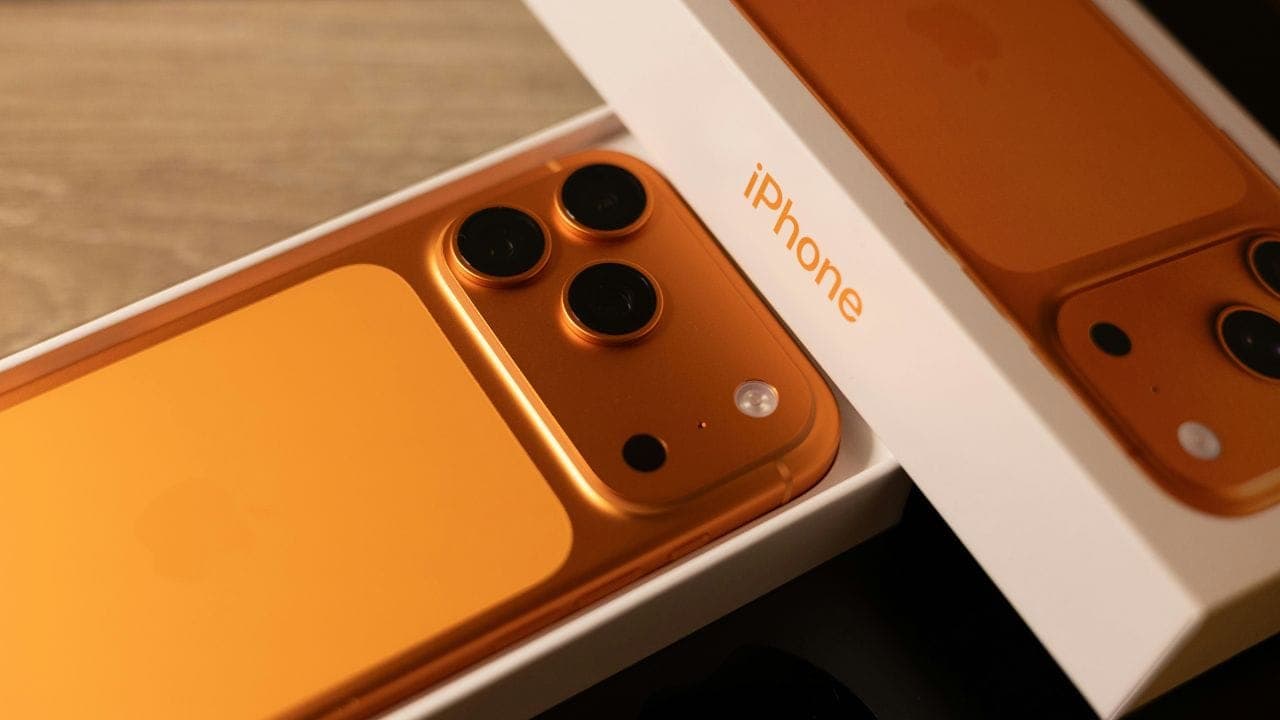
There’s nothing wrong with new tech, but chasing every phone release is a financial drain. You’re paying hundreds—or even thousands—for minor differences that no one but the marketing team notices.
Keep your phone until it actually needs replacing. It’s one of the easiest ways to break the cycle of spending to impress.
Having a “show closet”
A closet full of clothes that never leave the hanger is a quiet sign of wasted money. A lot of people buy things for how they want to be seen—more polished, more social, more “together.”
When you stop buying clothes for imaginary occasions and start buying what fits your real life, your wardrobe and your wallet both feel lighter.
Mistaking expensive for better
The biggest illusion of all is that expensive automatically equals quality. Sometimes it does, but often it’s just better marketing. You can get incredible value from practical, midrange products that last years—without the price tag designed to impress.
Real wealth isn’t loud. It’s in buying once, buying well, and not needing to prove anything to anyone.
*This article was developed with AI-powered tools and has been carefully reviewed by our editors.
Leave a Reply