
10 ways I trimmed $150 off our household bills

Household bills have a way of creeping up little by little until you realize you’re paying more than you should. The good news is, you don’t always have to make big sacrifices to bring them back down.
Small changes, like calling a provider or cutting an unnecessary service, can add up quickly. When I started paying closer attention, I found ways to trim about $150 off our monthly bills without losing anything important. Here are ten changes you can make to do the same.
Negotiating the internet bill

Internet companies raise rates quietly, especially after promotions expire. Calling and asking about current deals or mentioning competitor prices can often bring your bill back down.
It only takes a few minutes, but the savings add up month after month. Many companies are willing to adjust rather than risk losing you to another provider.
Dropping cable for streaming

Traditional cable can cost well over $100 a month. Switching to a couple of streaming services gave us the shows we wanted for far less.
This change cut a huge chunk from our monthly expenses. Since streaming is flexible, you can also pause services you’re not using and save even more.
Reviewing insurance policies

Home and auto insurance creep up in price over time. Shopping around and asking for discounts can bring those costs down significantly.
Raising deductibles or bundling policies often makes a big difference. Even small savings on premiums add up to hundreds over the course of a year.
Cutting unused subscriptions

Streaming, apps, and memberships often slip through without you noticing. Going through statements revealed charges we didn’t even use anymore.
Canceling those subscriptions freed up money instantly. It’s one of the easiest ways to save because you don’t feel the loss of something you weren’t using.
Adjusting thermostat settings

Heating and cooling take a big share of the utility bill. Setting the thermostat a few degrees lower in winter or higher in summer cut our costs without making the house uncomfortable.
Using a programmable thermostat made it easier to keep things consistent. The savings each month weren’t huge, but together they made a noticeable difference.
Switching cell phone plans

Cell phone providers often have better plans than the one you’re on, but they don’t always advertise them. Checking our usage showed we didn’t need unlimited data.
By switching to a lower plan, we saved money without changing how we used our phones. It’s worth reviewing your plan once a year to make sure you’re not overpaying.
Washing clothes in cold water

Most laundry doesn’t need hot water, and switching to cold cycles brought down both our water and electricity bills. Clothes lasted longer too.
It’s a small change, but over dozens of loads each month, the savings add up. Pairing this with full loads instead of half loads stretched the savings further.
Meal planning to reduce grocery trips

Last-minute grocery runs often led to overspending on extras. Planning meals weekly helped cut down the number of trips and the amount we spent.
Sticking to a list also meant less waste. Groceries are one of the easiest areas to overspend, so even trimming a little each week made a big difference.
Unplugging unused electronics
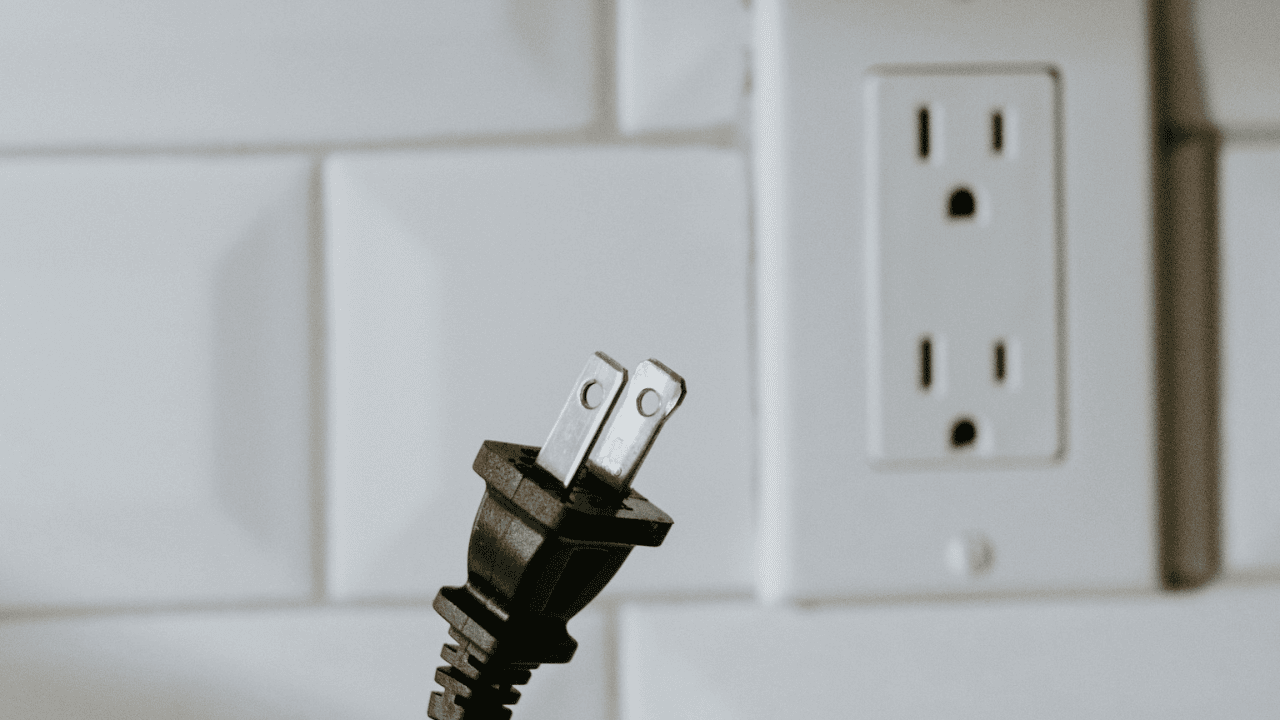
Electronics and chargers draw power even when they’re not in use. Unplugging them or using power strips helped lower the electric bill.
It’s not a huge amount on its own, but when combined with other changes, it made a noticeable dent. Small adjustments like this are easy ways to trim costs.
Cooking at home more often

Eating out regularly adds up faster than you think. Cooking at home, even a few extra nights a month, saved us a significant amount.
Not only was it cheaper, but it also gave us more control over portions and leftovers. That meant stretching meals further and saving money in more than one way.
*This article was developed with AI-powered tools and has been carefully reviewed by our editors.
Leave a Reply