
10 ways I stretch $100 to last two weeks

Making $100 last two weeks isn’t impossible—but it takes planning and discipline. You’ve got to know where your money tends to disappear, and be honest about what you can live without for a bit. It helps to shift your mindset from “What can I buy?” to “What can I make work?”
Whether it’s groceries, gas, or unexpected expenses, there are ways to stretch that money without feeling like you’re scraping by every single day.
Plan out every dollar ahead of time

Before you spend a single cent, figure out exactly where the money needs to go. That might mean $60 on food, $20 for gas, and leaving $20 for whatever comes up. The point is to be in control of it—every dollar should have a job.
When you don’t plan ahead, you’ll blow through half your budget in a day without realizing it. Being strict up front gives you more flexibility later, especially when you’re trying to stretch a tight budget across two full weeks.
Cook what you already have first

Start by going through your pantry, fridge, and freezer. There’s probably more usable food in there than you think. Base your meals around those things before heading to the store for anything else.
You’re not skipping grocery shopping—you’re buying less because you’re not doubling up on what you already have. Stretching your budget doesn’t mean eating badly. It means getting creative with what you’ve already spent money on.
Stick to cheap meals that go far

Oatmeal, rice, pasta, eggs, beans, potatoes—those are your best friends on a $100 budget. They’re filling, versatile, and can turn into different meals so you’re not eating the same thing every day.
You can still make meals that feel “normal” without dropping $15 on one dinner. Even one or two budget meals a day can stretch your food budget enough to make it through the second week without stress.
Skip drinks that eat up your grocery budget

Sodas, juices, and flavored waters add up fast and don’t do much to keep you full. When money’s tight, it’s worth drinking water and putting that extra $10–$20 toward actual meals.
If plain water doesn’t cut it, make iced tea or add lemon slices—it still saves you money. Cutting out drinks sounds small, but it makes a real difference when you’re trying to stretch your food money past day ten.
Limit driving as much as you can

Gas eats into a small budget fast. Combine errands, carpool when possible, or stay home if you can. If you’re spending $20 on gas for the week, that’s $40 gone right there.
Planning your routes ahead of time helps. Don’t make three trips to the store when one would do. Every time you leave the house, you’re spending something—even if it’s only gas.
Avoid stores unless it’s for a specific need

Going into Target “just to look” is a fast way to blow a tight budget. Even grabbing a few things from the Dollar Spot can wreck your plan. If you don’t need something, don’t go in the store.
Stick to a list, and don’t even walk down aisles that aren’t on it. You can’t spend what you don’t see. Keeping yourself out of temptation is half the battle when money’s already tight.
Use cash, not your card

There’s something about physically handing over cash that makes you rethink a purchase. When you swipe a card, the money doesn’t feel real. With cash, you’re watching it disappear.
Pull the $100 out in cash and break it down into what you need—groceries, gas, and wiggle room. Once the cash runs out, it’s gone, and that helps you stick to the plan without excuses.
Use leftovers even if it’s not exciting
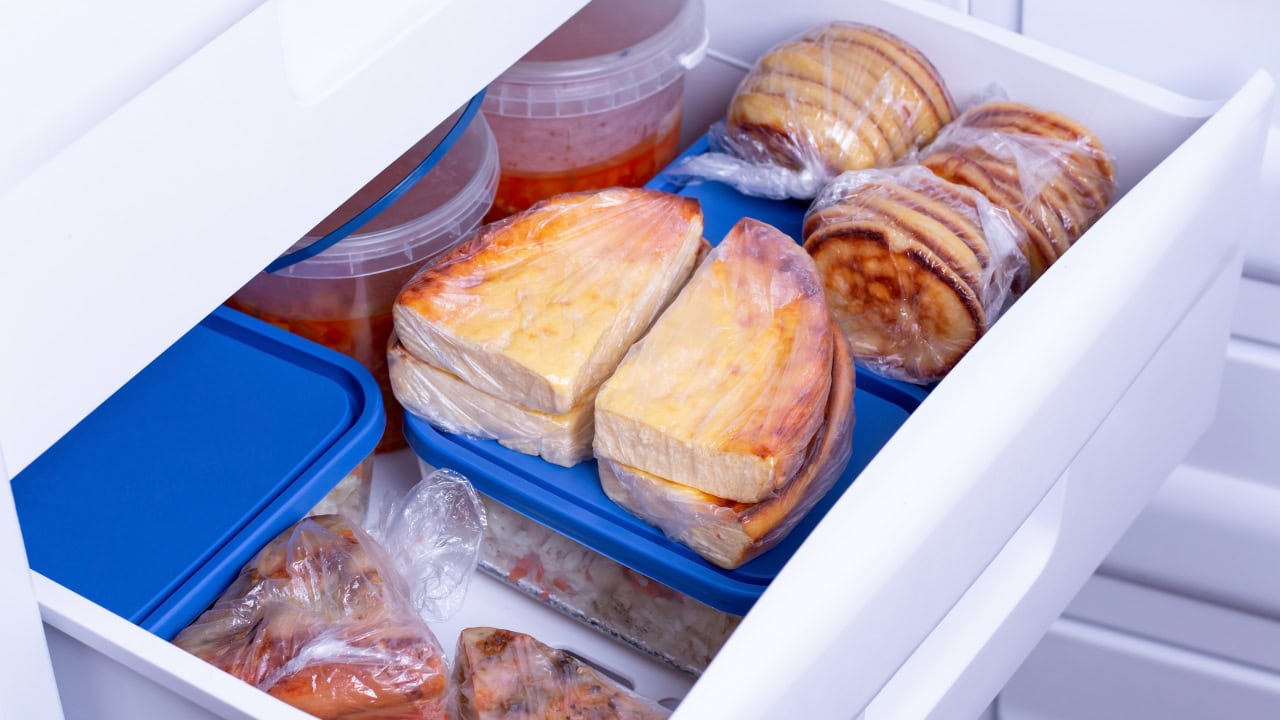
Leftovers might not be your favorite, but they keep you from spending on food you don’t need. Eat them for lunch or repurpose them into something new—like turning last night’s taco meat into a rice bowl.
Wasting food is the same as wasting money. You already paid for it, so using every bit makes your dollars go further. Even one leftover night a week helps your budget last longer.
Cut back to the bare minimum of subscriptions

It’s easy to ignore the $10–$15 charges for music, streaming, or apps, but those add up fast when money’s tight. Pause anything you’re not using right now and bring it back when you’re in a better spot.
Most services let you cancel and restart without penalties. You might only save $30–$40 total in two weeks, but that’s a third of your budget right there—and it’s money you weren’t even thinking about.
Don’t underestimate free stuff

Libraries, parks, church events, free local activities—when you’re low on cash, free entertainment matters. You don’t need to sit at home bored for two weeks. You just need to look for what doesn’t cost anything.
Stretching $100 means looking at every category of your life, not just food. Finding ways to enjoy yourself without spending gives you more breathing room to let that money actually last.
*This article was developed with AI-powered tools and has been carefully reviewed by our editors.
Leave a Reply