
10 ways I save money before I even walk into a store

Saving money doesn’t start at the checkout line—it starts before you even set foot in the store. The way you prep, plan, and think about your shopping trip can be the difference between sticking to your budget and spending way more than you meant to.
A few small habits can make every store run smoother and cheaper, no matter what you’re buying.
Make a meal plan
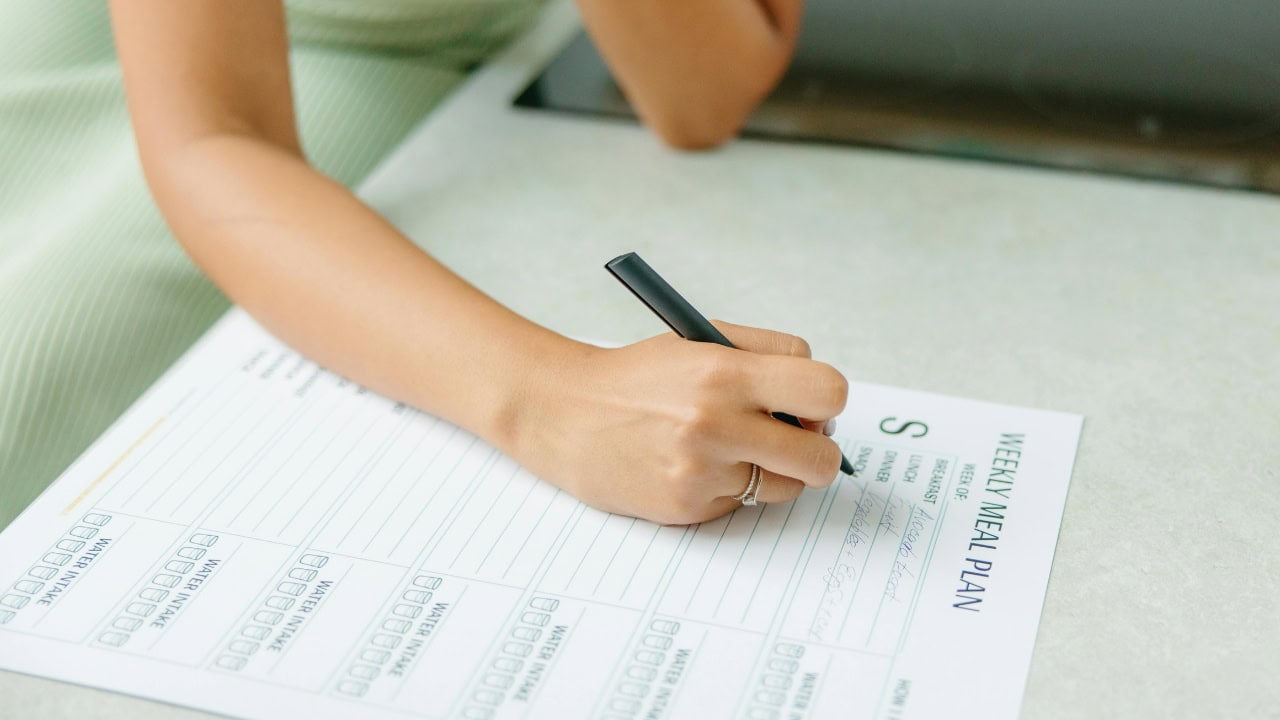
Planning meals before the week starts helps you build a shopping list around what you’ll actually cook. It keeps you from buying random items that sound good in the moment but never get used.
A meal plan also helps you shop your pantry first, so you’re not doubling up on ingredients you already have. That small step can cut down both waste and spending.
Check your pantry and fridge

Before you shop, take five minutes to look at what’s already sitting in your kitchen. You’d be surprised how many duplicates come from not realizing you already had pasta, flour, or canned goods at home.
This habit means you use what you’ve already paid for before buying more. It also helps you finish things before they expire, which keeps your grocery money from going in the trash.
Use store apps for coupons

Most stores have apps that offer digital coupons you can clip before you walk in. They’re quick to browse and can save you a few dollars on items you were planning to buy anyway.
The trick is only using coupons on products you actually need. Otherwise, you’re not saving money—you’re spending it. Done right, digital coupons are one of the easiest ways to cut costs.
Set a spending limit

Decide how much you want to spend before you even leave the house. Having that number in mind makes you more intentional and less likely to toss extras into your cart.
You can even bring cash instead of a card if you really need to keep yourself accountable. Knowing your limit changes the way you look at every purchase.
Write a detailed shopping list

A clear, specific list keeps you on track. Instead of writing “snacks,” write “granola bars” or “pretzels.” The more specific the list, the less wiggle room you leave for impulse buys.
Sticking to a list also saves time—you get in, grab what you need, and head out without wandering through aisles that tempt you to spend more.
Eat before shopping

Walking into the store hungry is one of the fastest ways to blow your budget. Everything looks good when you’re starving, and you end up buying way more than planned.
Having a meal or even a quick snack before heading out helps you shop with a clear head. You’ll buy what you need, not what your appetite tricks you into grabbing.
Compare prices online first

Before heading to the store, check online prices for the items on your list. Sometimes you’ll find that buying online for pickup or delivery is cheaper, especially with promotions or discounts.
This quick step helps you avoid overpaying and gives you a better sense of what’s a fair price. Knowing the numbers ahead of time makes it easier to spot deals versus markups.
Bring reusable bags

Reusable bags don’t just cut down on plastic—they can save you money in stores that charge for bags. Some places even give a small discount for bringing your own.
It’s not a huge amount per trip, but over time it adds up. Plus, reusable bags are sturdier, so you can carry more without worrying about things breaking through.
Use rewards programs

Most grocery and retail stores offer free loyalty programs. Signing up often means discounts, points toward future purchases, or special pricing that non-members don’t get.
The key is to actually use the rewards—check your app or email for offers before shopping. Even if it only saves you a few dollars each trip, that’s money back in your pocket.
Plan your trips around sales

If you know certain items go on sale weekly or monthly, time your shopping trip around those promotions. Buying when things are marked down keeps your costs lower without changing what you buy.
This doesn’t mean chasing every sale, but paying attention to patterns helps. Over the course of a year, that kind of planning makes a noticeable difference in your budget.
*This article was developed with AI-powered tools and has been carefully reviewed by our editors.
Leave a Reply