
Saving money doesn’t have to mean cutting your grocery list in half or walking out of the store with less than you need. Most of the time, it’s about paying attention to habits that quietly drain your budget.
With a few smart changes, you can trim at least $20 off nearly every trip without feeling like you’re missing out. These aren’t extreme couponing tricks—they’re realistic, repeatable habits you can use right away.
Use store apps for instant coupons

Most big retailers and grocery stores offer their own apps with digital coupons. Instead of spending hours clipping, you can tap a few buttons before you shop and save instantly at checkout.
Even small discounts add up quickly across a cart of items. You’d be surprised how often the things you’re already buying have hidden savings waiting in the app.
Skip bottled water and soda multipacks

Beverages are one of the easiest ways to overspend on a grocery trip. A couple of cases of soda or bottled water can add $10–$15 to your bill without you realizing it.
Invest in a reusable water bottle or make tea and coffee at home, and you’ll save more than $20 across just a couple of trips. Plus, you’ll cut down on clutter and extra waste.
Buy store brands for basics

Items like sugar, flour, canned vegetables, and pasta often taste identical whether you grab the store brand or the name brand. The difference is usually in the packaging and price.
Swapping just a handful of staples for the store version can shave $10–$20 off your cart in one trip. Once you find which ones match your taste, you’ll never look back.
Shop the weekly sales first

Before you even make your meal plan, check the weekly ad. If chicken or ground beef is on sale, base your meals around that instead of paying full price later.
This habit alone can drop your total by $20 or more, especially if you stock up when the best deals hit. Planning around sales instead of cravings saves you in the long run.
Avoid pre-cut or pre-packaged produce
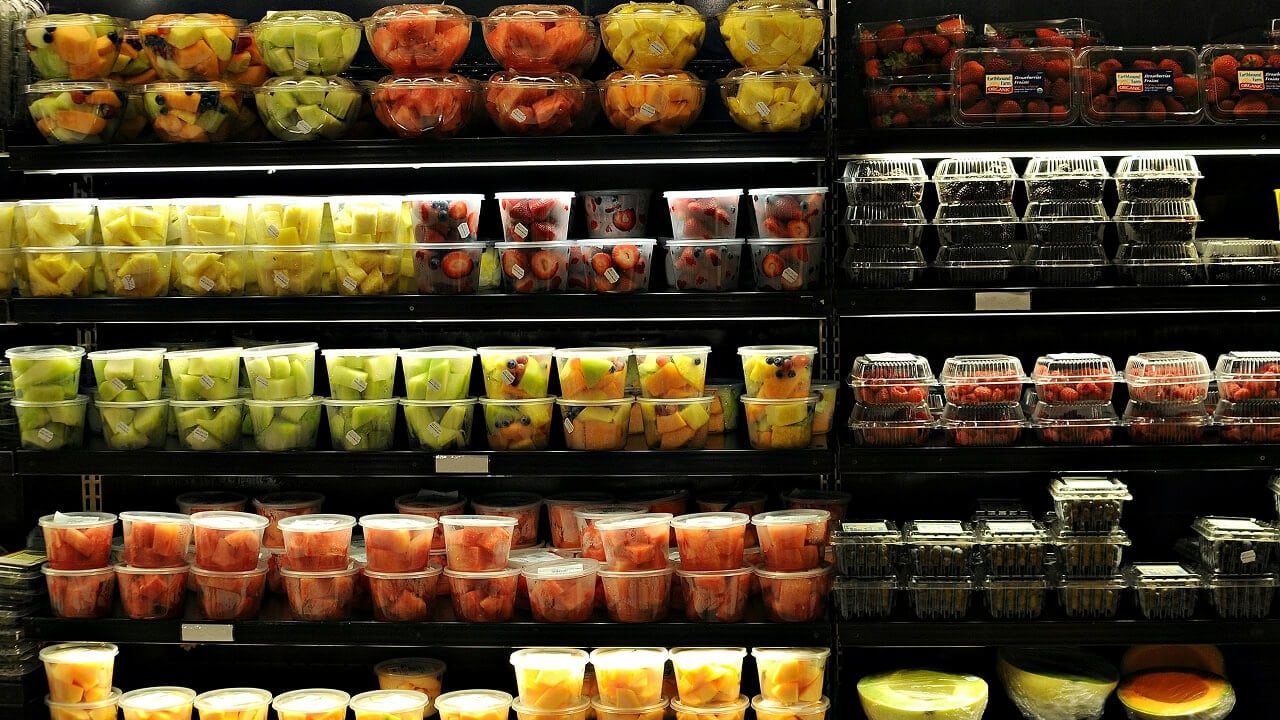
Pre-cut fruit and veggies might look convenient, but you’re paying extra for the packaging and labor. A small container of sliced watermelon can cost the same as a whole one.
By buying produce whole and cutting it yourself, you stretch your money much further. A little prep at home easily keeps $10–$20 in your pocket per trip.
Don’t shop hungry
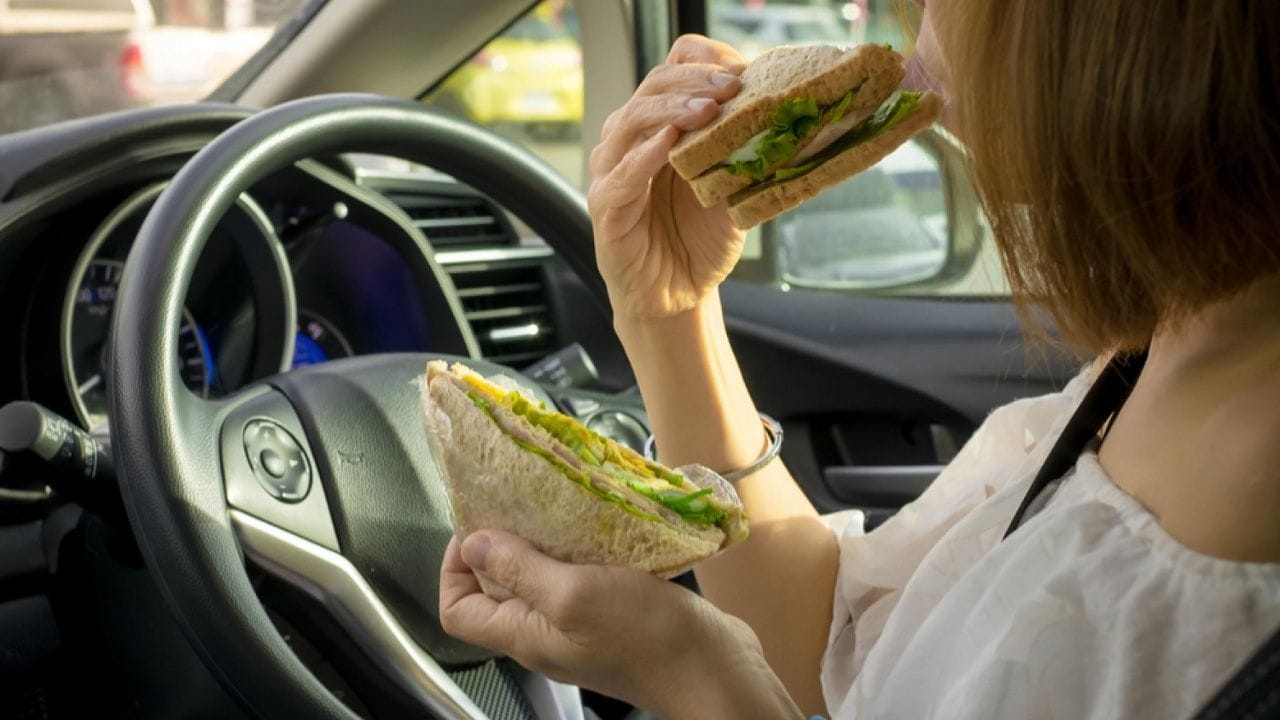
Walking into the store hungry is a guaranteed way to overspend. Suddenly, snacks and extras you didn’t plan for end up in the cart.
Eating before you shop helps you stick to your list and avoid impulse buys. Cutting out just a few unnecessary items keeps your total from creeping up past what you planned to spend.
Bring your own bags
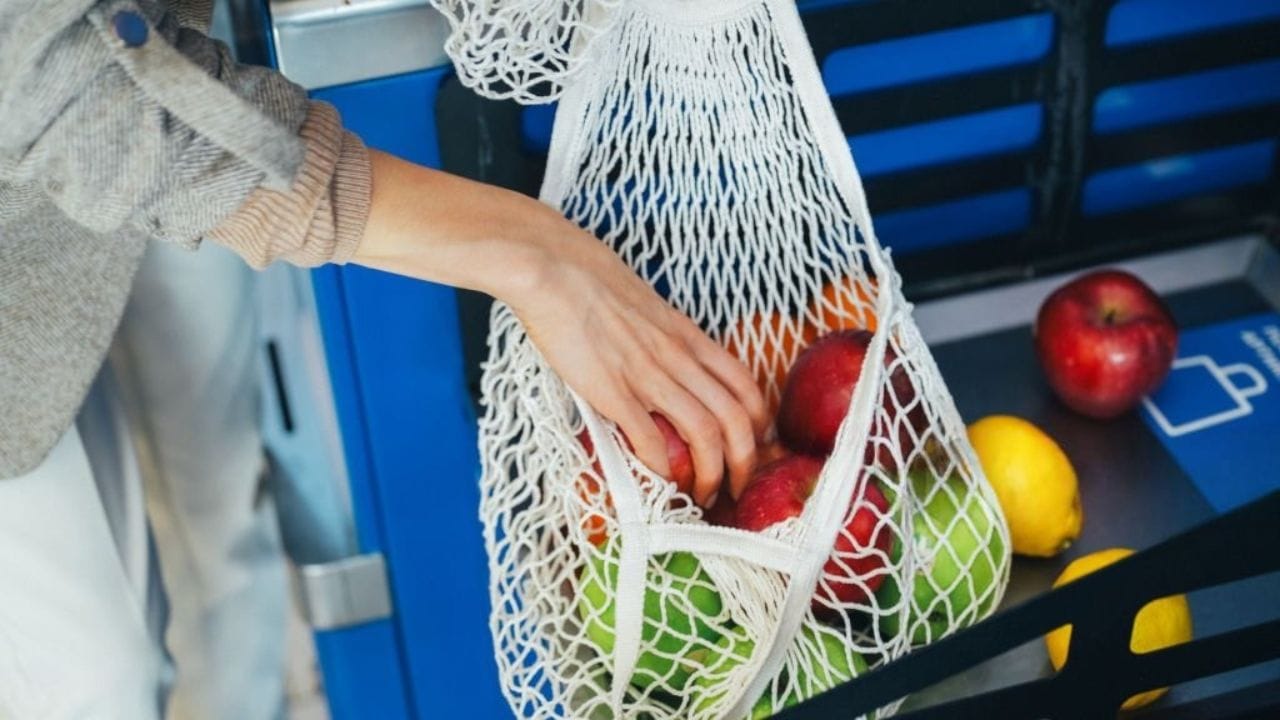
Some stores now charge for plastic or paper bags. It may only be a few cents per bag, but when you’re buying a week’s worth of groceries, it adds up.
Reusable bags pay for themselves quickly and often hold more, which makes unloading easier. Over the course of a year, this small switch easily saves you $20 or more.
Stick to your grocery list

Impulse buys are the biggest budget-buster. Having a list before you walk in gives you a clear plan to follow.
Even cutting out two or three unplanned items—like snacks, magazines, or duplicate pantry goods—can instantly save $20. A written list also keeps you from forgetting what you need and having to make another trip later.
Compare unit prices
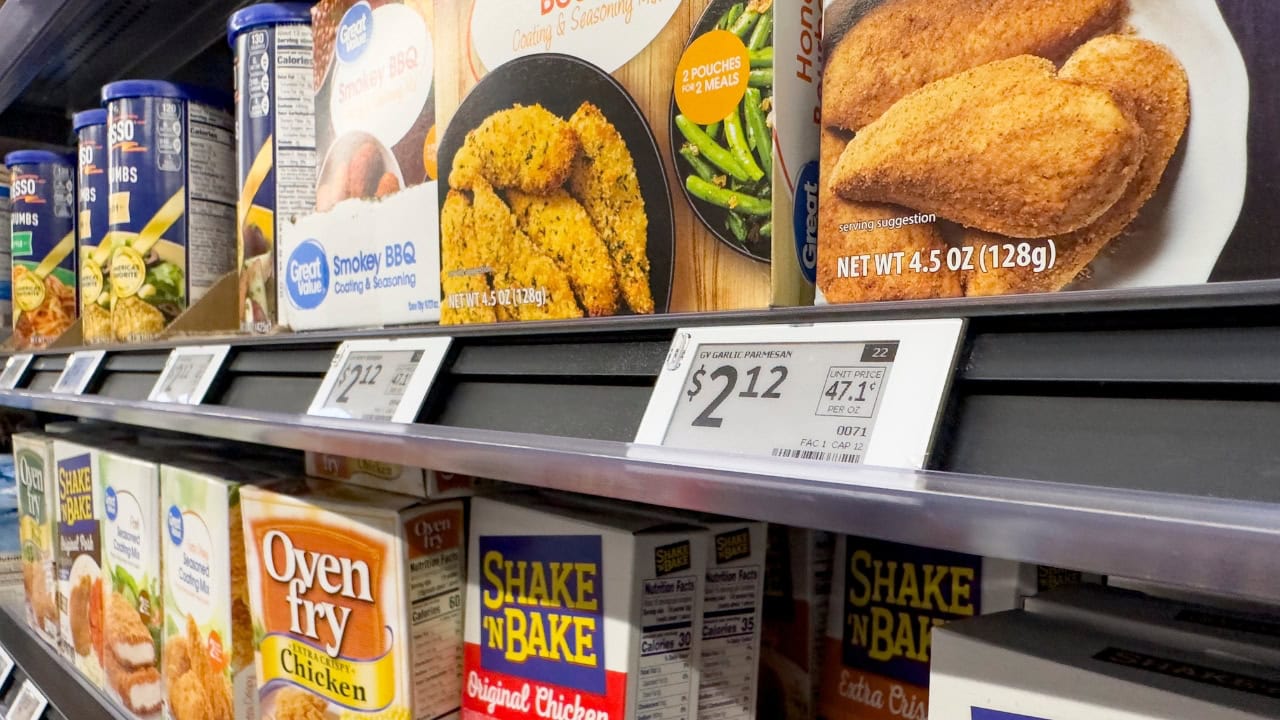
Looking at the price tag alone doesn’t always show the best deal. Checking the unit price—how much something costs per ounce, pound, or sheet—can help you find better value.
For example, a large package of paper towels may look expensive but can cost less per roll than a smaller one. Paying attention to these details keeps you from wasting money without realizing it.
Skip “convenience aisle” extras
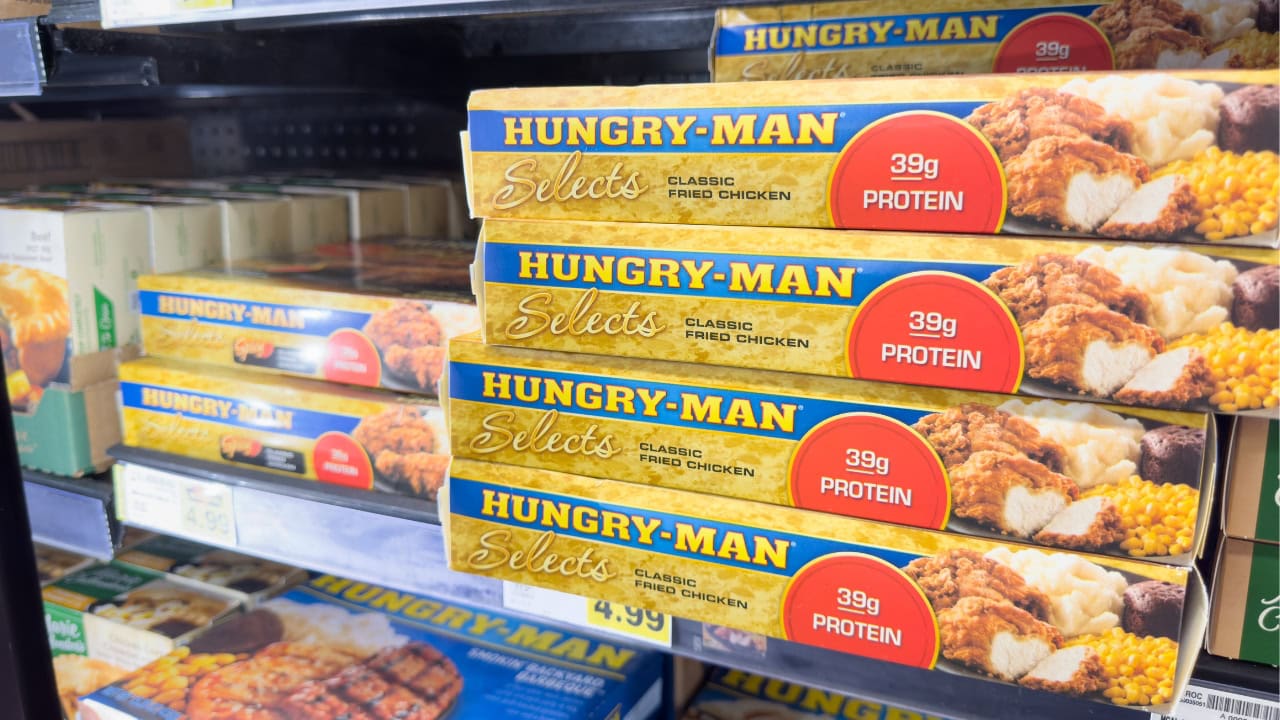
Items like pre-made sauces, microwave sides, and frozen dinners seem handy but carry big markups compared to cooking the basics yourself.
By skipping convenience items and grabbing ingredients instead, you control your costs and usually end up with more food for the money. Cutting back on just a few of these per trip saves you at least $20 without feeling restrictive.
*This article was developed with AI-powered tools and has been carefully reviewed by our editors.
Leave a Reply