
Keeping a house stocked doesn’t have to mean overspending. With prices creeping up everywhere, it’s easy to feel like $50 won’t go far, but with the right habits, it really can cover your basics. It all comes down to planning ahead, knowing what to skip, and making the most of what you already have.
When you’re intentional about how you shop and use what’s in your home, $50 a week can stretch further than you’d think.
Shop sales first

Instead of planning your meals and then shopping, flip the order. Check store ads and base your meals around what’s actually on sale. It keeps you from overspending on full-priced items that will be cheaper next week.
Over time, you’ll notice a pattern—sales usually rotate every six to eight weeks. By stocking up when things are low, you won’t pay extra later when you run out.
Buy store brands

Name brands can eat up half your budget without offering much difference in quality. Store brands often come from the same manufacturers but cost significantly less.
If you’re skeptical, start with staples like flour, sugar, canned goods, or pasta. These are nearly identical across brands, and the savings each week quickly add up to real money.
Stretch meals with basics

Meals don’t need to be meat-heavy to be filling. Adding rice, beans, or pasta stretches your proteins and makes dinners cost less per serving.
For example, tacos can use half the meat if you bulk them up with beans or rice. Casseroles, soups, and stir-fries are great for this too—it’s a way to keep meals satisfying without doubling your grocery bill.
Stock up on frozen
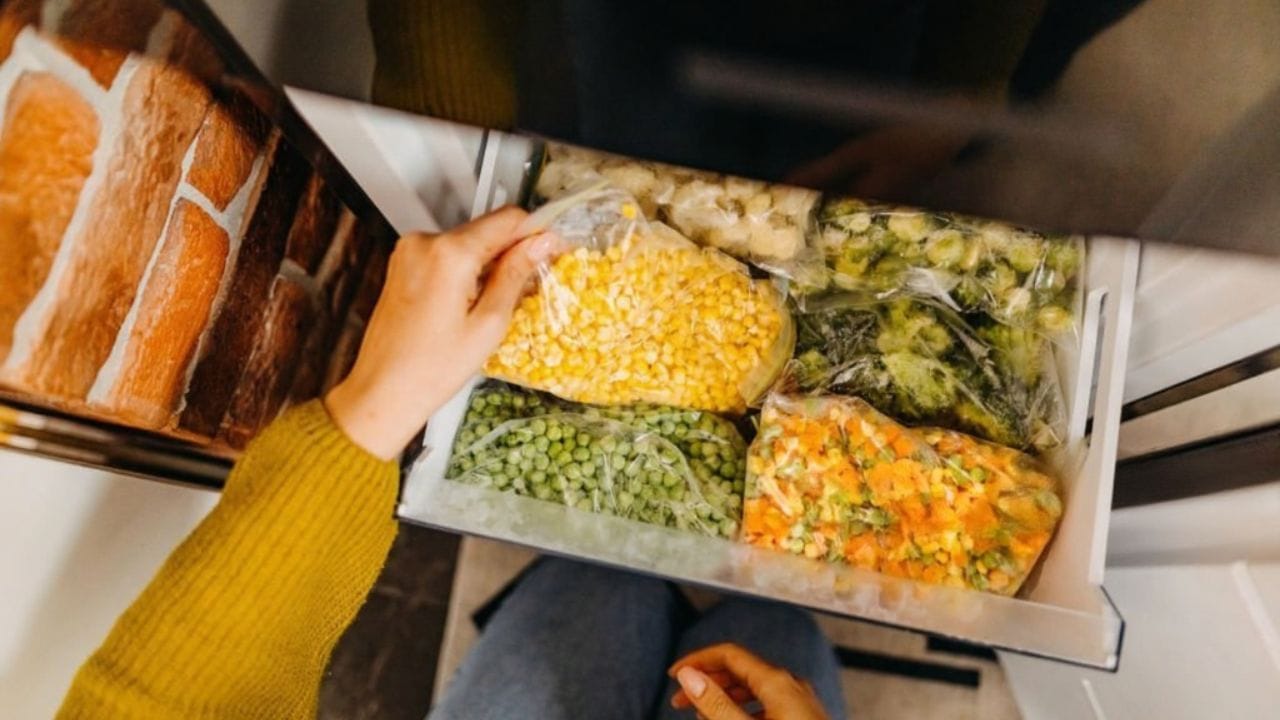
Frozen fruits and veggies often cost less than fresh and last longer, which cuts down on waste. You’re not throwing away money every time produce goes bad before you can use it.
Keeping frozen options on hand also means fewer midweek trips to the store, which usually end with extra items in your cart.
Plan simple breakfasts

Breakfast is one of the easiest meals to keep cheap. Oats, eggs, and bread for toast are inexpensive and versatile. Rotate them with homemade muffins or pancakes, and you’ve got plenty of variety.
When you keep breakfast simple, you save money for proteins and produce that go into lunches and dinners. It also makes mornings less stressful since the options are ready to go.
Rethink snacks

Individually packaged snacks are convenient but cost more per ounce. Buying in bulk and portioning into bags or containers saves you money without cutting snacks altogether.
You can also prep inexpensive options like popcorn, hard-boiled eggs, or cut veggies. It keeps everyone satisfied while trimming down your weekly spending.
Make a flexible meal plan

A rigid meal plan can backfire if you don’t stick to it. Instead, list out five or six meals you can make with what you’ve bought and leave room for flexibility.
This way, you’re using what’s on hand and not letting food go bad. Flexibility also keeps you from grabbing takeout when life gets busy since you’ll already have options.
Reuse ingredients across meals

Buying one ingredient that works in multiple recipes makes your money stretch. For example, a rotisserie chicken can become dinner one night, lunch wraps the next, and soup after that.
When you plan meals that overlap, you cut down on waste and maximize every dollar. It also makes cooking easier since you’re not starting from scratch every time.
Keep pantry staples stocked

Items like flour, rice, pasta, and canned tomatoes are inexpensive but can form the base of countless meals. By keeping these staples on hand, you only need to buy fresh items each week.
This habit makes your $50 go further because you’re supplementing, not starting from zero every time you shop.
Limit extra trips

Every extra store trip usually means grabbing something you didn’t plan for. Sticking to one planned shopping trip per week helps you stay within budget.
When you’re out of something, use it as an opportunity to get creative with what you already have. Most of the time, you can make it work without running back to the store.
*This article was developed with AI-powered tools and has been carefully reviewed by our editors.
Leave a Reply