
10 ways I got better sleep in the third trimester

Sleep in the third trimester can feel like an impossible task. Between the growing belly, constant bathroom trips, and general discomfort, you may feel like rest is out of reach. But with a few adjustments, you can carve out better nights even when your body is working overtime. These aren’t miracle fixes, but small, realistic changes that make a noticeable difference. The goal isn’t perfect sleep—it’s finding ways to be more comfortable and make the hours you do get more restorative.
Using a Pregnancy Pillow

A supportive pillow can take pressure off your hips and back, making side sleeping much easier. Full-length pregnancy pillows let you tuck between your knees and under your bump for better alignment. Even a few extra cushions arranged strategically can create the same effect.
The idea is to reduce strain so your body isn’t fighting discomfort all night. Once you find a pillow setup that works, you’ll notice you fall asleep quicker and stay asleep longer.
Sleeping on Your Left Side

Doctors often recommend left-side sleeping in the third trimester because it improves circulation and reduces pressure on major blood vessels. This position also helps with digestion and can minimize swelling in your legs. It may feel awkward at first, but your body adjusts with time.
If you’re used to sleeping on your back, wedge a pillow behind you for support. This keeps you from rolling flat and helps your body stay in that optimal position through the night.
Limiting Fluids Before Bed

Nighttime bathroom trips are practically guaranteed in the third trimester, but you can reduce how often you wake up. Cutting back on fluids an hour or two before bed helps limit interruptions. Staying well-hydrated earlier in the day is key, so you’re not playing catch-up at night.
It’s also worth avoiding caffeine or sugary drinks in the evening. Both can affect your ability to fall asleep and make you more restless overnight.
Creating a Cooler Sleep Environment

Your body naturally runs warmer in late pregnancy, and overheating can wake you up repeatedly. Keeping the bedroom cool makes a huge difference. A fan, breathable sheets, or lightweight pajamas all help regulate your temperature.
You don’t need a dramatic drop in temperature—just a few degrees can help your body stay comfortable. A cooler room also signals your brain that it’s time to wind down, which helps you fall asleep faster.
Practicing Relaxation Before Bed

Your mind often races as much as your body aches in the third trimester. Setting aside 10–15 minutes to unwind helps ease you into rest. Gentle stretching, prenatal yoga poses, or deep breathing calm your nervous system and prepare you for sleep.
You don’t need a strict routine—something as simple as dimming the lights and doing a few slow breaths can make your transition to bed more peaceful.
Adjusting Meal Times

Eating a large dinner right before bed can make heartburn worse, which is already common in late pregnancy. Shifting your main meal earlier in the evening and having a lighter snack before bed can prevent that burning discomfort.
Choose snacks that are filling but gentle on digestion, like bananas, yogurt, or a slice of whole grain toast. Keeping meals timed well reduces nighttime reflux and helps you sleep more soundly.
Elevating Your Upper Body
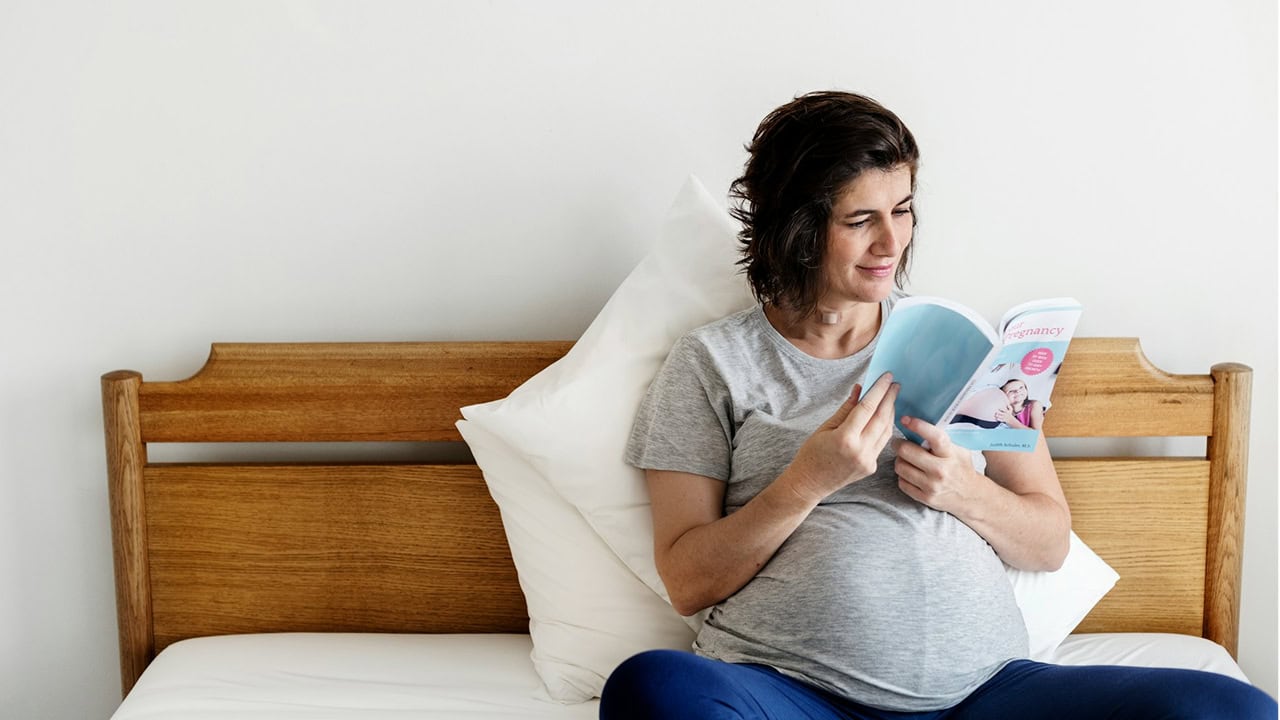
If heartburn or shortness of breath keeps you up, try propping your upper body with pillows. Elevating your head and shoulders reduces acid reflux and makes breathing easier when your growing belly presses against your lungs.
Some moms even find sleeping in a recliner more comfortable during the last weeks. The slight incline can keep you from waking constantly to adjust your position.
Building a Consistent Routine

Going to bed and waking at the same time each day helps regulate your body’s internal clock. Even when pregnancy makes sleep unpredictable, consistency improves the quality of the rest you do get.
Include a short wind-down routine—like reading, stretching, or taking a warm shower—so your body knows it’s time to slow down. The predictability cues your brain to settle, making it easier to drift off.
Taking Short Naps

While you may not get long stretches of sleep at night, short naps during the day can help you recharge. Aim for 20–30 minutes so you don’t feel groggy afterward. Early afternoon is usually best to avoid interfering with nighttime sleep.
Think of naps as supplements, not replacements. Even if your nights are choppy, those daytime boosts can help you feel more human and less drained.
Listening to Your Body

The biggest shift in the third trimester is accepting that sleep will look different. Some nights will be better than others, and fighting it only adds stress. Listening to your body—whether it’s adjusting your position, getting up for a snack, or shifting your routine—helps you rest better overall.
The more flexible and patient you are with yourself, the easier it is to find workable solutions. Comfort may not be perfect, but these small adjustments stack up to better nights.
*This article was developed with AI-powered tools and has been carefully reviewed by our editors.
Leave a Reply