
10 ways I cut my family’s food waste in half
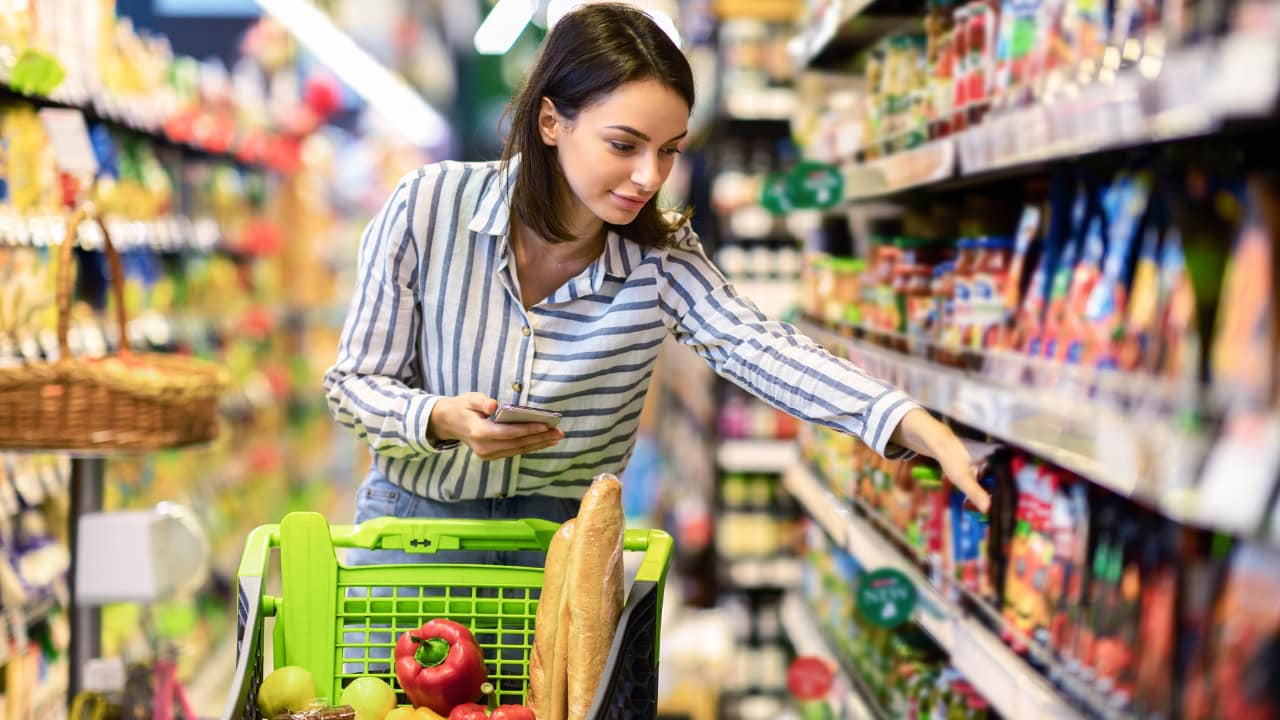
Food waste adds up quickly, both in terms of money and resources. Cutting it in half doesn’t require extreme changes—it’s about paying attention to how you buy, store, and use food. With a few intentional habits, you can stretch your groceries further and keep less out of the trash. These shifts save money, reduce stress in the kitchen, and make your family’s meals more organized. Here’s exactly how I managed to cut our food waste by 50% without feeling like we were missing out.
Planning Meals Around What We Already Had
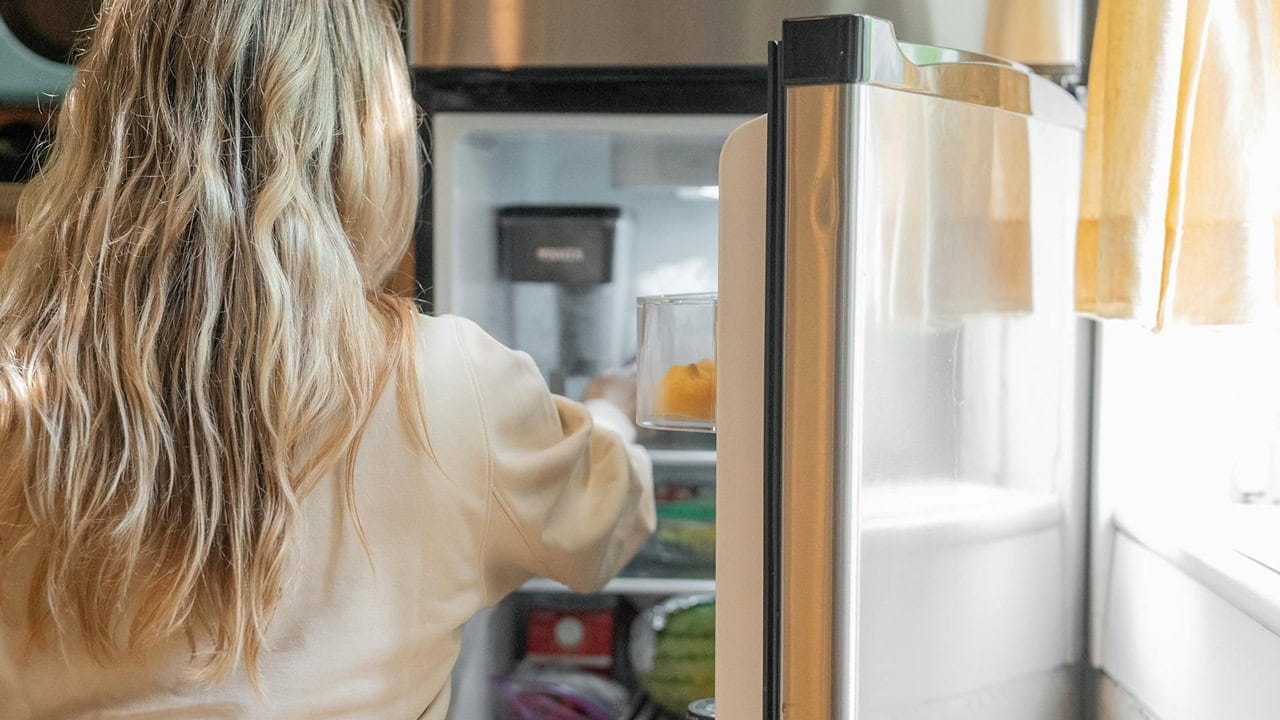
Instead of writing a shopping list from scratch, I started by checking the fridge, freezer, and pantry first. That way, meals were built around ingredients we already owned instead of adding more that might go unused.
This one step kept half-empty containers and produce from sitting around until they spoiled. It also made grocery trips quicker and cheaper since I wasn’t doubling up on things we didn’t need.
Freezing Leftovers Before They Spoiled
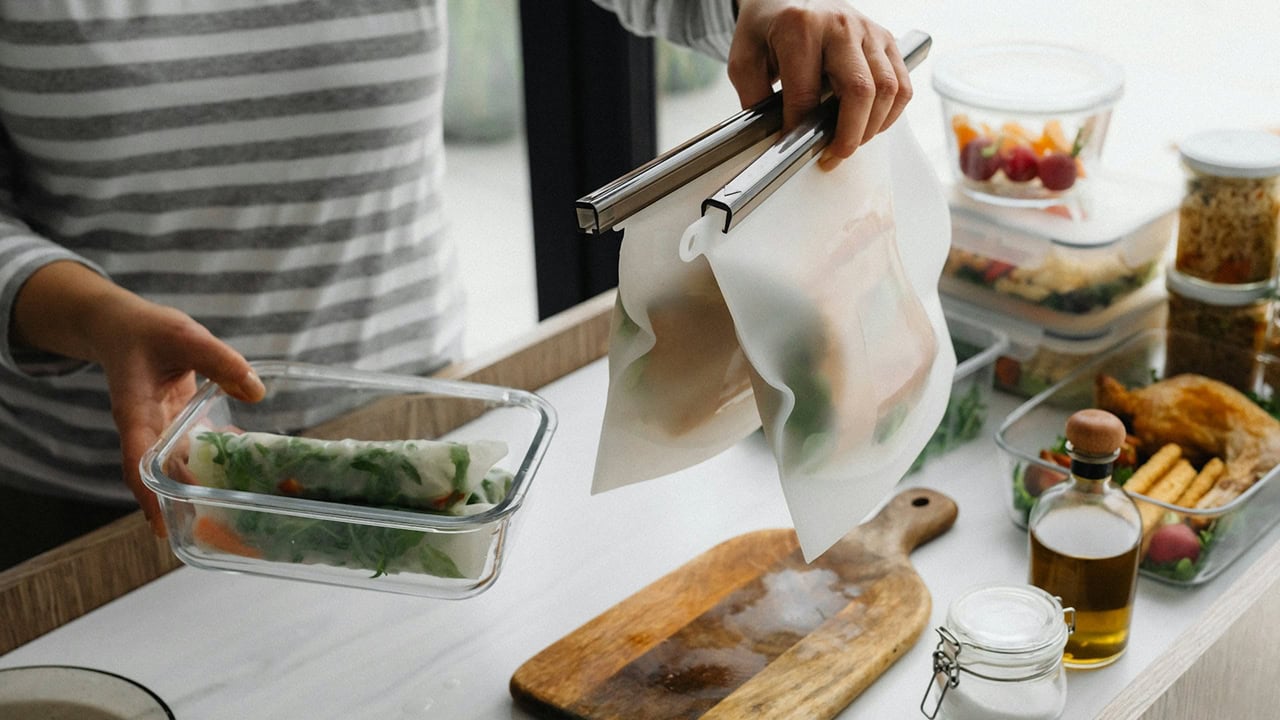
I began freezing portions of cooked meals instead of letting them sit in the fridge for a week. Freezing extends the life of soups, casseroles, and meats without changing the taste much when reheated.
Having ready-to-go meals in the freezer also cut down on nights where we’d order out because nothing sounded appealing. It saved money twice—by reducing waste and by lowering takeout costs.
Using Clear Storage Containers
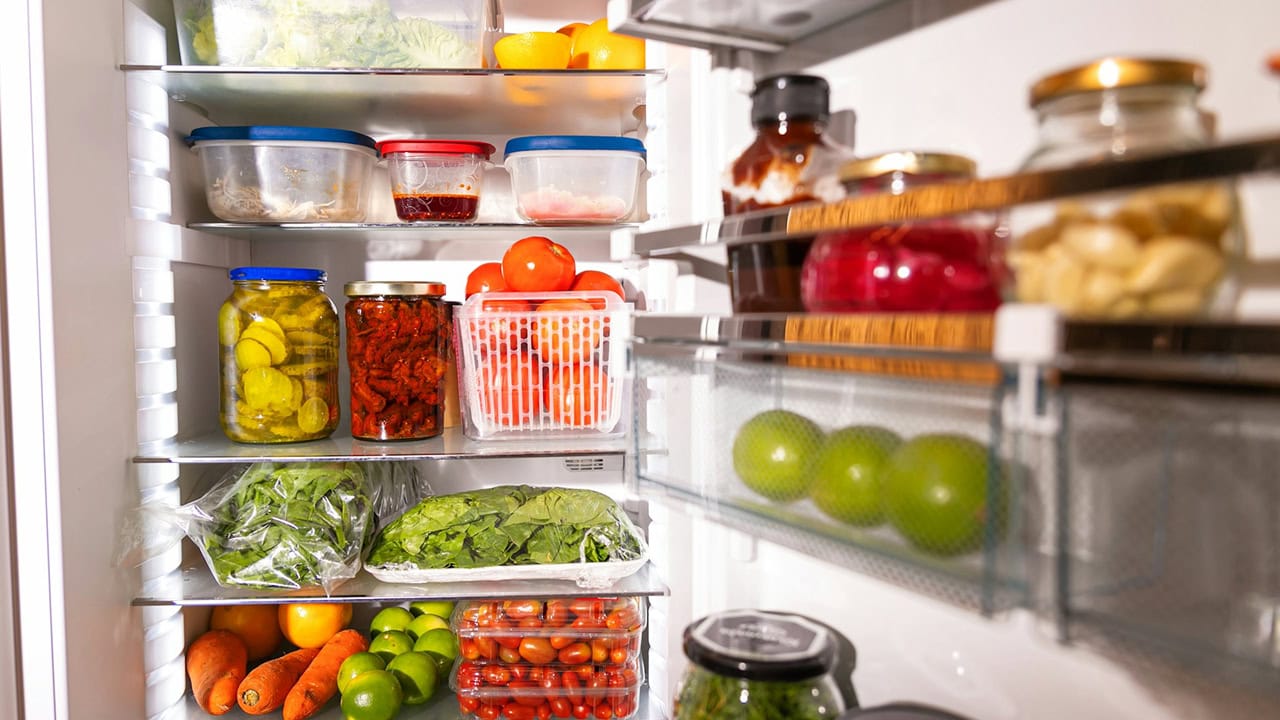
Switching to clear containers meant leftovers were visible instead of forgotten behind opaque lids. Everyone could see what was available at a glance, so food was more likely to get eaten.
I also started labeling containers with the date they were cooked. That made it easy to prioritize what needed to be eaten first before moving on to newer items.
Getting Creative With Scraps

Vegetable peels, bones, and herb stems went into a freezer bag until I had enough to make broth. Stale bread got turned into croutons or breadcrumbs instead of being tossed.
By finding new uses for scraps, I stretched the life of foods that would normally be wasted. It took a little creativity but became second nature after a while.
Serving Smaller Portions

I realized a lot of food waste came from oversized servings that my kids couldn’t finish. By starting with smaller portions, plates were cleared more often, and seconds could be offered if anyone was still hungry.
This cut down dramatically on half-eaten meals going into the trash. It also helped us all pay more attention to how much food we actually needed.
Storing Produce Properly
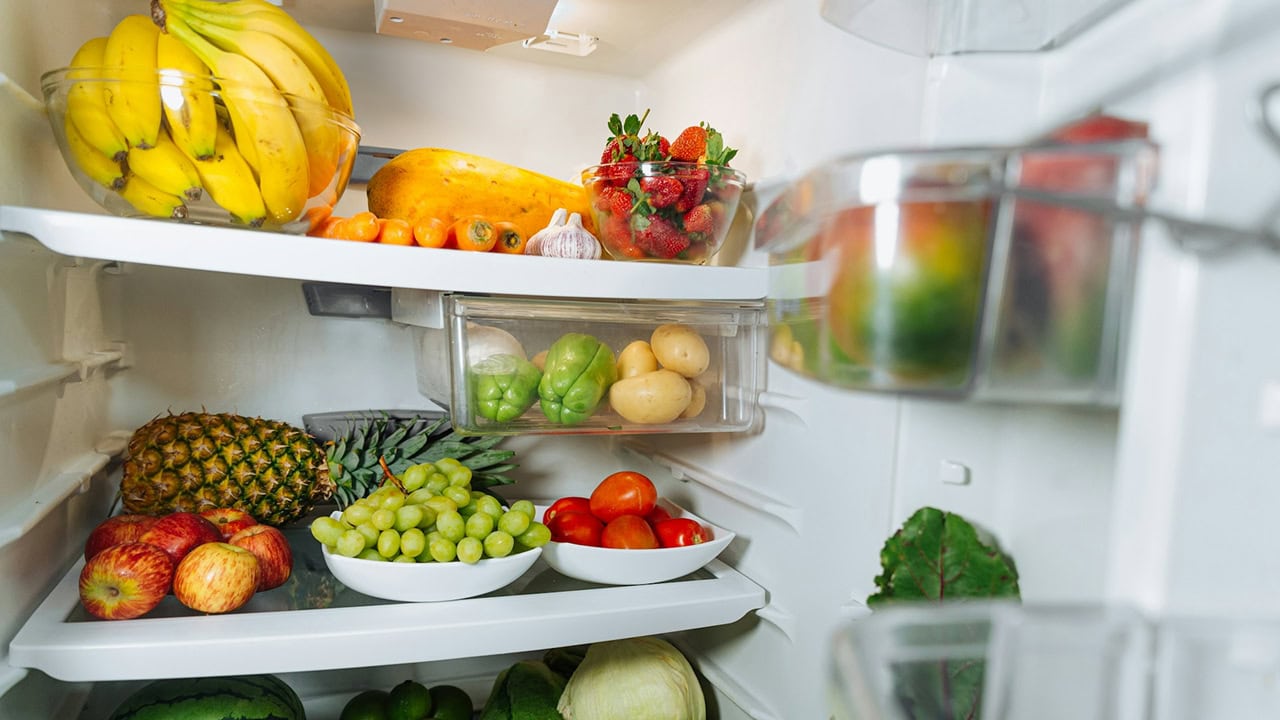
Learning where different produce items keep best made a huge difference. Apples last longer in the fridge, while onions and potatoes need a cool, dark place away from each other.
By adjusting how we stored fruits and vegetables, they stayed fresher for days or even weeks longer. That meant less money wasted on produce that spoiled too fast.
Sticking to a Weekly Grocery Trip
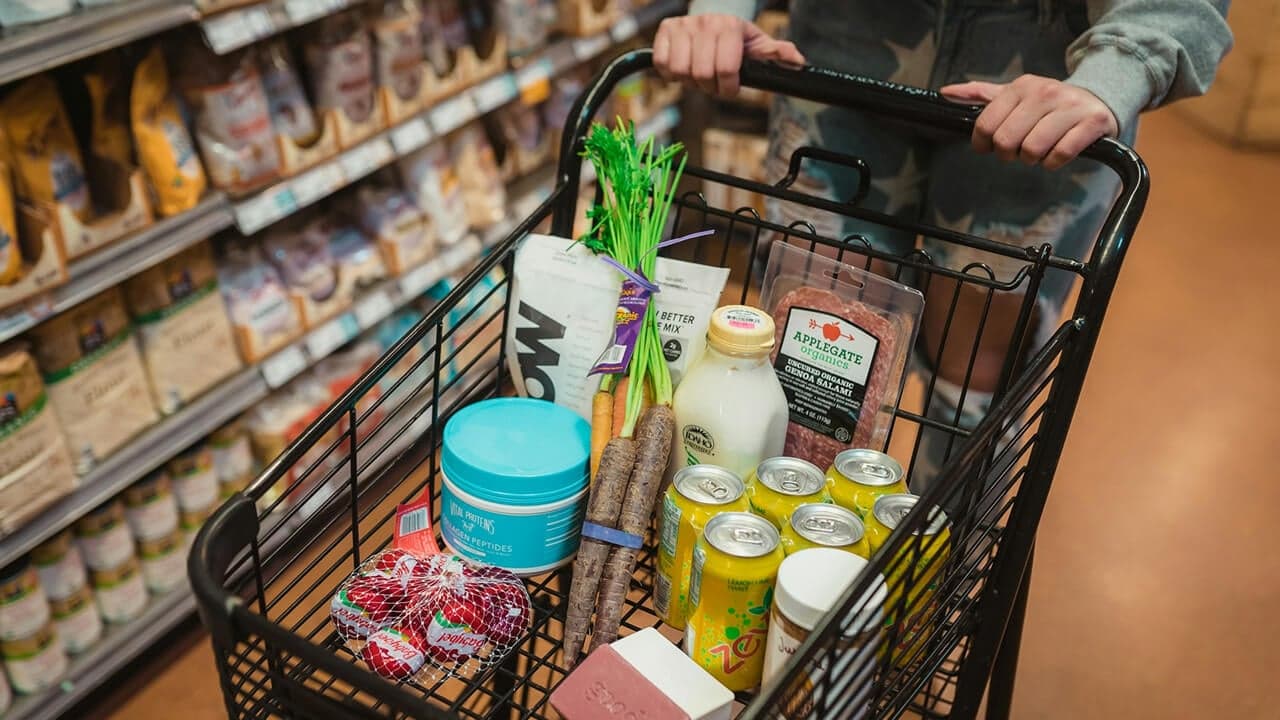
Instead of running to the store multiple times, I limited shopping to once a week. This made me use up what we had before buying more.
Fewer trips also meant fewer impulse purchases that often went uneaten. By stretching what we had, meals became more intentional, and food waste went down significantly.
Prepping Ingredients Right Away
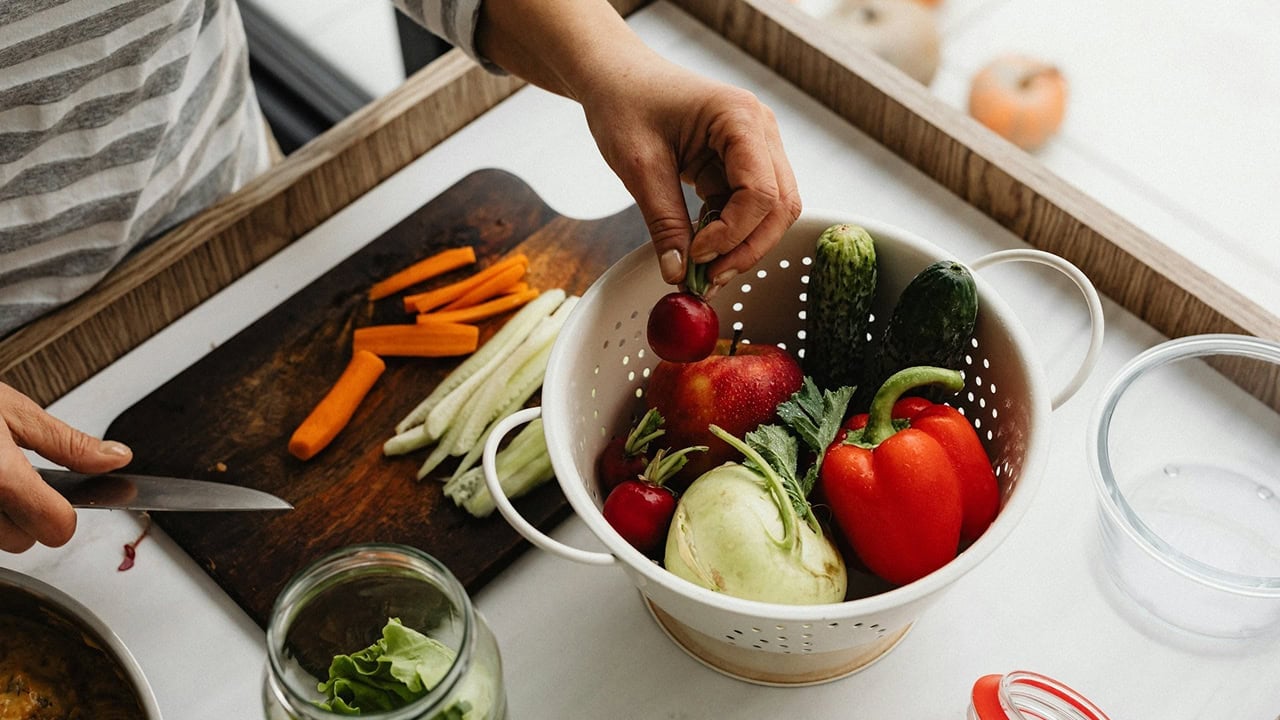
When I got home from the store, I started washing and chopping produce immediately. Prepping ingredients ahead of time made it easier to cook meals during the week.
Because everything was ready to use, fewer vegetables rotted in the crisper drawer. Having them prepped also encouraged healthier snacks, since they were already cut and waiting in the fridge.
Keeping an “Eat First” Bin

I made a bin in the fridge specifically for items that needed to be eaten soon. Leftovers, half-used jars, and produce close to ripening all went there.
This bin kept the focus on foods that would spoil if ignored. It became a habit for everyone in the family to check the bin first before reaching for something new.
Repurposing Meals Into Something New

Instead of reheating the same meal, I started transforming leftovers into something fresh. Roast chicken turned into tacos, vegetables went into fried rice, and pasta sauce became soup.
Repurposing kept meals exciting and cut down on complaints about “eating the same thing again.” By changing the format, we were able to use up ingredients without it feeling repetitive.
*This article was developed with AI-powered tools and has been carefully reviewed by our editors.
Leave a Reply