
10 toddler habits that drove me crazy until I learned this

Toddlers are chaos in tiny form. They’re sweet one second and completely unreasonable the next. I spent way too long trying to “fix” certain behaviors—until I finally learned what was actually developmentally normal.
Once you understand why they’re doing what they’re doing, it’s easier to meet them where they are instead of losing your mind. These are the habits that used to drive me up the wall… until I realized what was actually going on.
Repeating The Same Question a Thousand Times
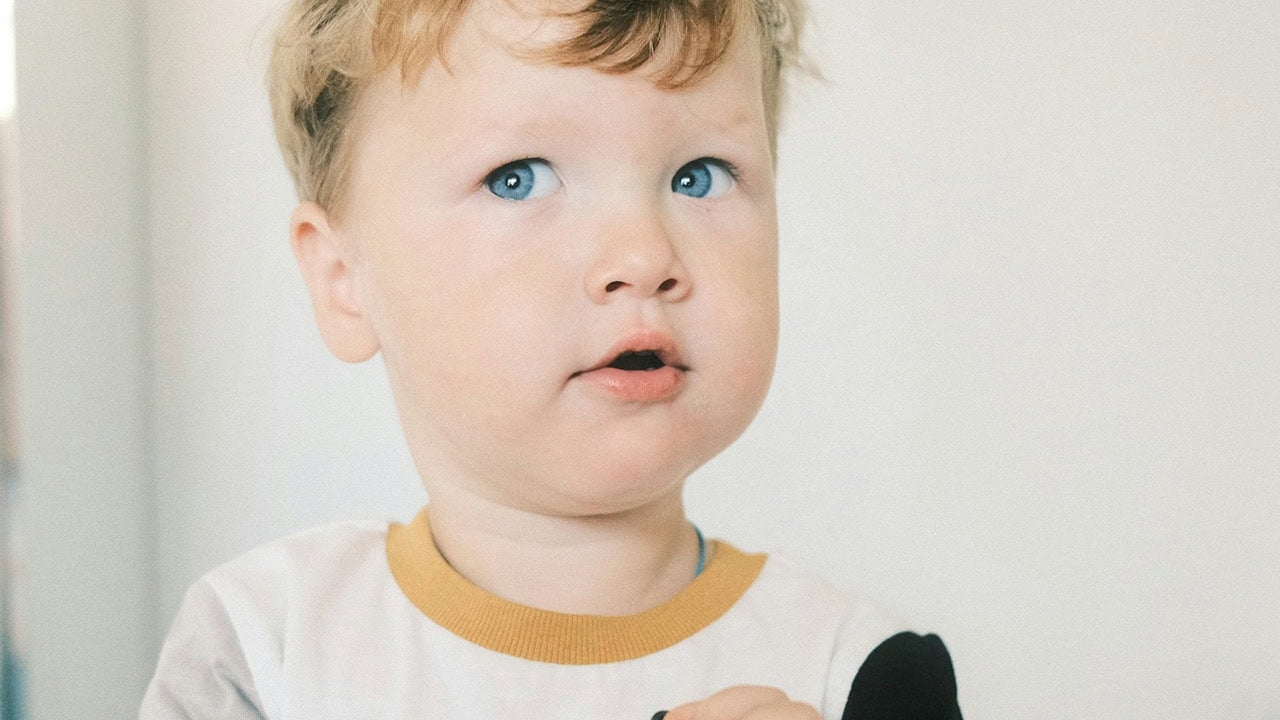
You’re not crazy—your toddler really is asking the same thing over and over. It’s not because they didn’t hear you. It’s because they’re trying to process the answer or stay connected to you.
Once I realized repetition was about comfort and learning, I stopped snapping and started repeating myself calmly. Sometimes they need the same response 12 times to feel secure. It’s not fun, but it’s normal.
Throwing Food on the Floor

Every meal felt like a battle until I learned this is often sensory play or a way to test cause and effect. Toddlers drop food not to be defiant, but because it’s fascinating to watch what happens.
Instead of getting worked up, I started offering smaller portions and using a splat mat. When they were done eating, I took the plate away. No big lecture—just a quiet consequence they understood.
Saying “No” to Everything

Even when they wanted the thing, the answer was still “no.” It felt like a power struggle nonstop. What I didn’t realize was that toddlers say no as a way to feel in control of their environment.
Once I gave more choices—“Do you want the red cup or the blue one?”—the pushback dropped. They still said no sometimes, but it wasn’t every five seconds like before.
Tantrums Over Nothing

Socks feel weird. The banana broke wrong. You poured the water instead of letting them do it. These things aren’t rational—but your toddler’s brain isn’t wired for rational yet.
Once I stopped trying to reason mid-meltdown and just focused on staying calm, things got better. Tantrums didn’t stop, but they didn’t escalate as much. They wanted co-regulation, not logic.
Needing the Same Book Every Night

I used to beg my toddler to pick something else. Anything else. But reading the same book on repeat is actually helping them build memory, language, and confidence.
Now I lean into it. Repetition is their comfort zone, and once I stopped resisting, bedtime went smoother. Eventually, they moved on to a new favorite—then repeated that one for a month too.
Refusing to Share

It felt like my toddler was being rude or selfish, but sharing isn’t something they truly grasp until later. They can take turns with help, but the idea of giving something up on their own is still too much.
I stopped expecting them to “be nice” and started narrating what was happening instead. “You’re still using that truck. He can have it when you’re done.” That worked way better than constant reminders to share.
Taking Forever to Leave the House
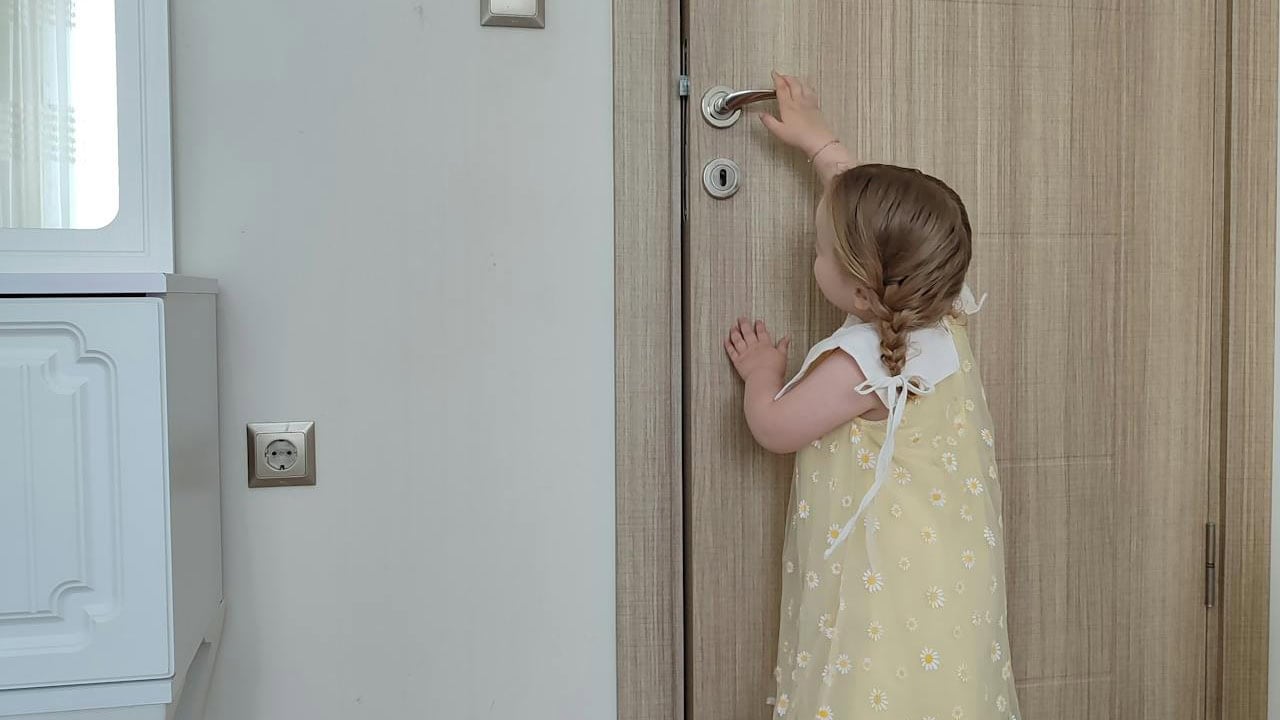
Shoes on. Shoes off. Running away while you try to zip the jacket. It was exhausting—until I realized toddlers aren’t trying to make you late. They’re easily distracted and often overwhelmed by transitions.
Giving a clear countdown—“We’re leaving in five minutes”—helped. So did letting them do part of the routine themselves, like picking the shoes or opening the door. It gave them a sense of control without dragging it out.
Waking Up Way Too Early

Toddlers aren’t wired to sleep in. Their bodies naturally wake up early, and even small schedule shifts can throw things off. I used to get frustrated—until I adjusted my expectations.
We started using blackout curtains and a consistent bedtime. Some mornings were still early, but at least I knew they were getting enough sleep. And I built in quiet morning toys to buy a few minutes of peace.
Needing Constant Attention

Some days it felt like I couldn’t even pee without someone needing something. But toddlers aren’t being needy to annoy you. They’re wired for connection and still learning how to play independently.
Once I started filling their “attention cup” early in the day—reading, playing, or cuddling for a few focused minutes—they were more content to play solo later. It’s not perfect, but it made a big difference.
Fighting Diaper Changes

Wrestling a toddler to change a diaper gets old fast. But they’re not trying to be difficult—they’re trying to avoid being interrupted. They’re busy and don’t want to stop.
I started using songs, toys, or quick games to make it less of a fight. And if I gave them a 10-second warning—“Time for a diaper change in a minute”—it helped them transition instead of digging in their heels.
*This article was developed with AI-powered tools and has been carefully reviewed by our editors.
Leave a Reply