
Most mechanics are honest, but the car repair industry has plenty of gray areas where costs get inflated—and most people never question them. When you don’t know what labor should cost or how parts are priced, it’s easy to assume the bill is fair. But many shops take advantage of that trust.
From unnecessary add-ons to parts marked up way beyond their value, those “routine” repairs can quietly cost you hundreds more than they should. Knowing what to watch for helps you keep your money where it belongs.
Charging for unnecessary fluid flushes
If your mechanic recommends multiple fluid flushes at every visit—transmission, brake, power steering, and coolant—they’re padding the bill. Most vehicles don’t need all those services nearly that often.
Always check your owner’s manual before agreeing. Many fluids last well over 50,000 miles or more. Paying for unnecessary flushes adds up fast, and most of the time, your car runs no better afterward.
Replacing parts that could be repaired
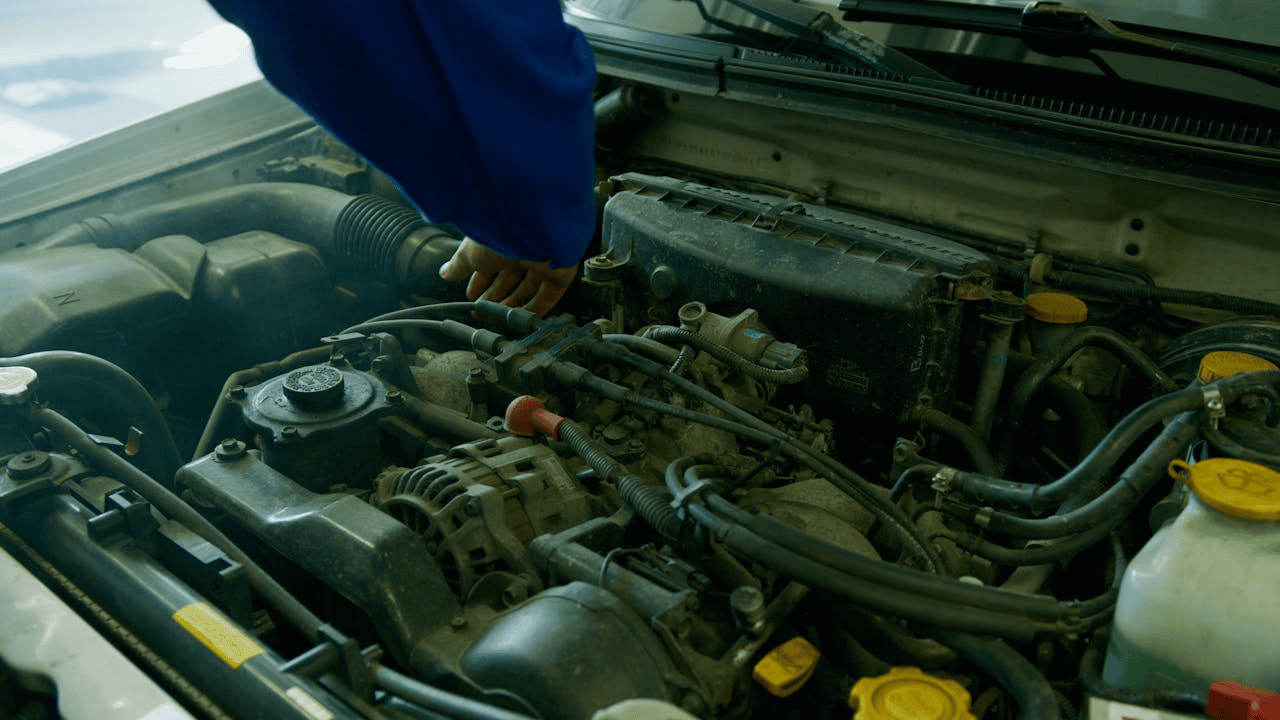
Some shops automatically swap out parts that could’ve been cleaned, repaired, or adjusted. Things like oxygen sensors, spark plug wires, or brake components are often replaced prematurely.
Ask if repair or cleaning is an option before approving replacements. A few minutes of maintenance could save you hundreds, and it’s often the more sustainable choice too.
Inflating labor time
Labor costs are a common profit spot for mechanics. Shops often bill the “book rate” for jobs even when they finish early—charging you two hours for something that took 45 minutes.
You can ask how long the job is expected to take and compare it to standard labor guides online. If it sounds off, question it. There’s no harm in asking for an itemized breakdown.
Marking up parts beyond reason
Mechanics usually charge more for parts than retail stores, but some take it too far. It’s not uncommon to see a $30 part billed at $80 or more under “shop supply” pricing.
You can always request to bring your own parts or at least ask for the brand and cost. A legitimate shop won’t mind transparency, and it can save you a big markup.
Charging full price for used or refurbished parts
Some repairs are done with remanufactured or recycled parts—which is fine—but dishonest shops charge new-part prices anyway. You’re essentially paying premium for secondhand quality.
Always ask if the parts are new, refurbished, or used before agreeing to the work. Knowing the difference gives you the leverage to question inflated pricing.
Recommending unnecessary alignments

Shops love to suggest wheel alignments after every tire rotation or suspension service, even when it’s not needed. Unless you’ve hit a pothole or notice uneven wear, your alignment probably hasn’t changed.
Ask for a printout of your alignment readings before agreeing. If the numbers are within range, there’s no reason to pay for an adjustment.
Selling lifetime warranties that don’t matter

“Lifetime” brake pads or struts sound like a great deal until you realize the warranty covers the part—but not the labor. That means every time you use the warranty, you still pay most of the bill.
Unless you plan to keep your car for decades, those warranties rarely pay off. A standard replacement part often makes more financial sense.
Charging diagnostic fees and double labor

It’s fair for a shop to charge for diagnostic time—but some charge that fee and still bill full labor for the same job. You end up paying twice for the same work.
Before you agree to diagnostics, ask if the fee will be applied to the repair cost if you move forward. Most honest shops will credit it toward the total.
Swapping premium fluids for generic
You might be charged for synthetic oil, name-brand coolant, or transmission fluid but actually get the cheapest bulk version in the back. Unless you watch closely, you’d never know.
You can ask to see the bottle or label of what’s being used. A reputable mechanic won’t hesitate to show you exactly what’s going into your vehicle.
Overcharging for shop supplies

“Shop supplies” is often a vague line on your invoice—covering everything from rags to solvents. Some shops charge a flat fee that’s way beyond what’s reasonable.
This charge should be a few dollars, not a percentage of your total bill. If you see $30 or more listed for supplies, question it. It’s one of the easiest areas for a quiet markup.
*This article was developed with AI-powered tools and has been carefully reviewed by our editors.
Leave a Reply