
It’s wild how something as small as twenty dollars can derail an entire day. You spill a coffee, forget a coupon, or have to pay a surprise fee, and suddenly your mood tanks. The truth is, it’s not really about the money—it’s the feeling of being careless, wasteful, or set back when you’re already stretched thin.
But life gets a lot easier when you learn to recognize how often those little frustrations steal your peace. Here are the moments where $20 shouldn’t have the power it does.
When You Skip the Parking Garage
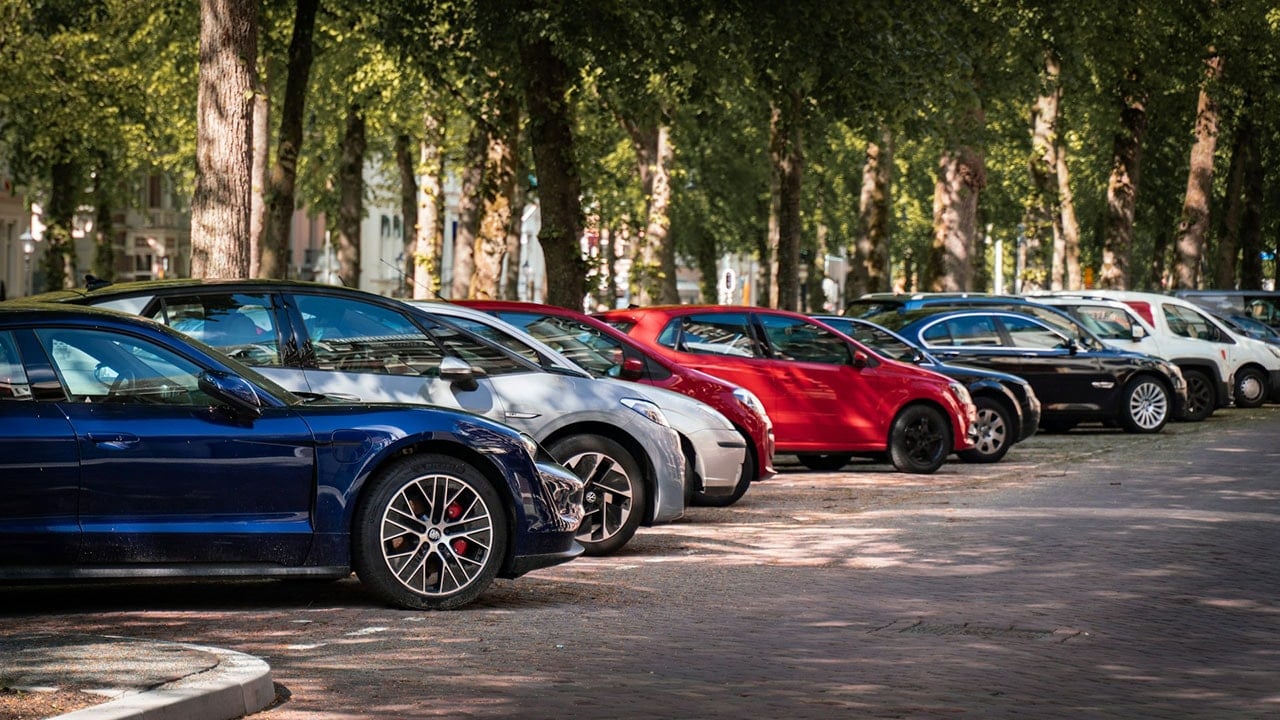
You circle the block for twenty minutes to avoid paying for parking, and by the time you finally find a free spot, you’re late, stressed, and frustrated. The few dollars you “saved” didn’t feel worth it anymore.
Sometimes, spending a bit for convenience is the smarter move. Paying for parking can save your sanity, your gas, and your time—three things worth more than the small hit to your wallet.
When You Cheap Out on Lunch and Stay Hungry

You pick the smallest, cheapest option on the menu and end up leaving hungry—or worse, grabbing something extra an hour later. Trying to save a few bucks ends up costing more and leaving you irritated.
Food fuels your energy and mood. A satisfying meal helps you stay productive instead of distracted or cranky. Spending a little more to actually feel full is worth it in the long run.
When You Buy the Knockoff That Breaks

You skip the name-brand charger or tool because the off-brand one’s cheaper. Then it fails right when you need it, and you have to buy the better version anyway. Now you’ve spent double—and wasted time.
Saving money doesn’t mean buying the cheapest thing you see. It means buying the thing that lasts, works, and doesn’t add frustration to your day.
When You Drive Across Town for a Deal

You hear about a sale, so you drive fifteen minutes out of your way to save five bucks. Between gas, traffic, and time, that “deal” costs more than it saves. By the time you’re home, you’re exhausted.
Sometimes convenience is worth paying for. If you’re spending more in effort than money saved, it’s not a win—it’s a time trade that rarely pays off.
When You Skip the Tip
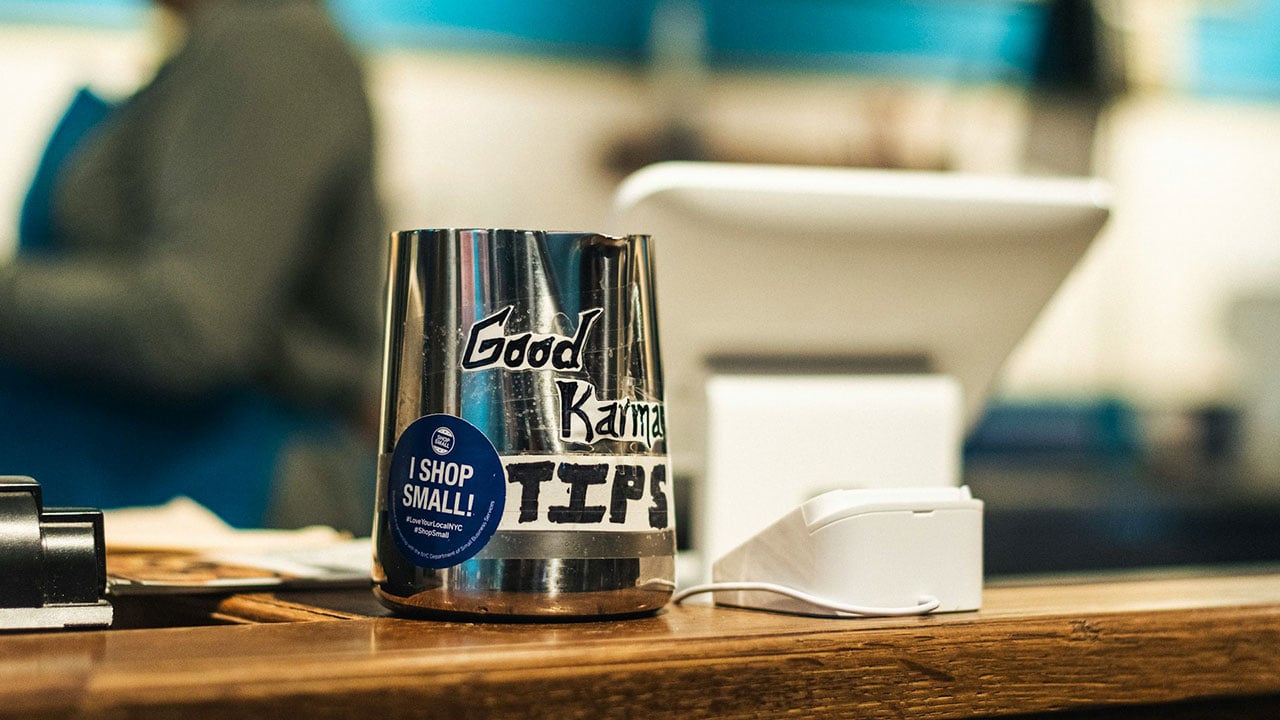
You leave a smaller tip than you meant to and spend the rest of the day thinking about it. It nags at you because deep down, you know that extra few dollars would’ve made someone else’s day better.
Being generous, even in small ways, feels good. You don’t need to tip extravagantly, but those moments of kindness pay off in peace of mind—and that’s worth more than twenty bucks.
When You Refuse to Replace Something Worn Out

You keep using that old pillow, cracked pan, or dull razor because you don’t want to spend the money. But every time you use it, it annoys you. You start the day irritated before you even realize why.
Replacing something small that improves your daily comfort is rarely a waste. A little expense can turn a daily frustration into a smoother routine.
When You Argue Over a Bill

You spend hours on the phone or stewing over a small charge, determined to “win” on principle. Even if you get the refund, you’ve wasted your time and wrecked your mood.
Some fights aren’t worth the energy. Knowing when to let go is part of financial maturity. The peace you keep is often worth far more than the twenty you lose.
When You Buy the Wrong Thing Because It’s Cheaper

You skip the version that fits your needs because it’s a few dollars more—and end up with something that doesn’t work right. You spend the rest of the day regretting it.
Buying smarter means considering quality, not price alone. A tool, appliance, or piece of clothing that does its job well will save you far more in frustration over time.
When You Cancel Plans Over the Cost

You turn down a small event or dinner because it feels like “too much,” then spend the evening wishing you’d gone. Missing out on memories can sting more than spending a little cash.
It’s okay to say no sometimes, but when money becomes the only reason, it’s worth asking if it’s really about finances—or fear of letting yourself enjoy things.
When You Obsess Over Small Mistakes
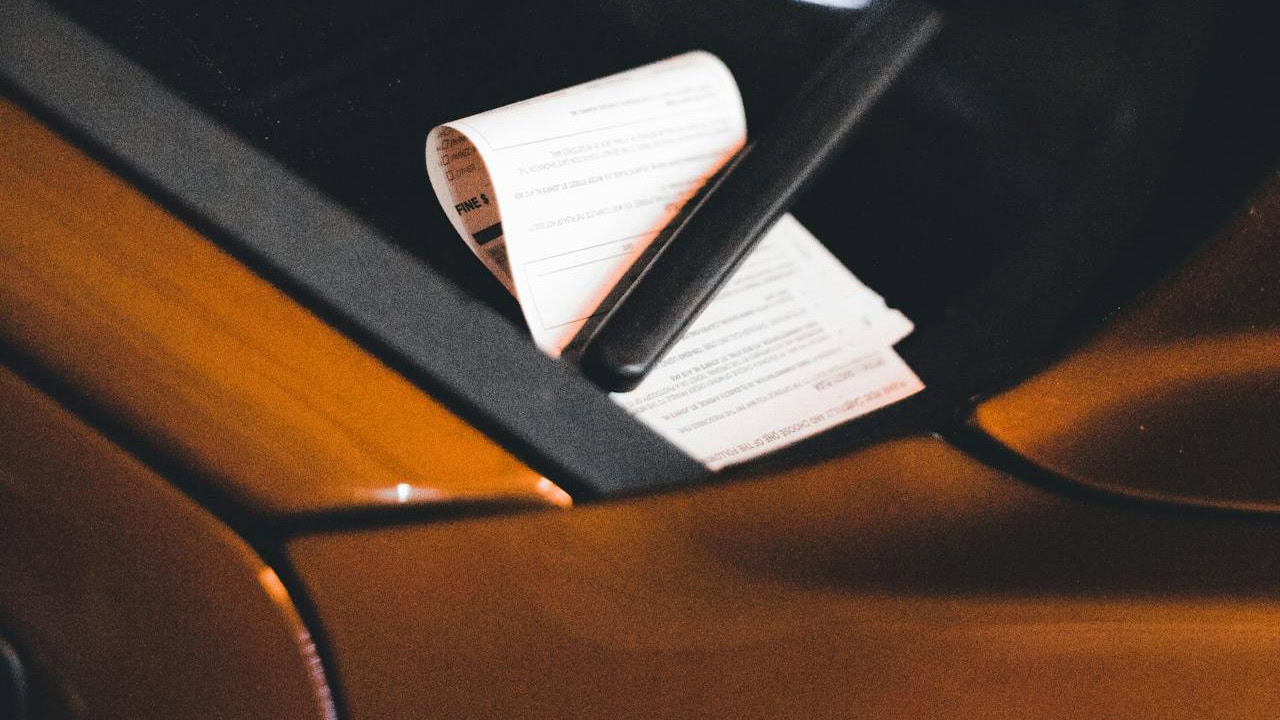
You catch yourself replaying a small expense you regret—an impulse buy, a parking ticket, a late fee—and you let it ruin your mood. The truth? Everyone wastes money sometimes.
Learning to move on is part of being financially confident. A $20 mistake doesn’t define you—it’s just part of the cost of living, learning, and moving forward.
*This article was developed with AI-powered tools and has been carefully reviewed by our editors.
Leave a Reply