
10 times you called it self-care but it wrecked your savings
Self-care gets thrown around a lot — and while taking care of yourself matters, it’s easy to confuse “treating yourself” with being responsible. What starts as a reward after a long week can quietly become a habit that eats through your paycheck.
The truth is, some of the most common “self-care” splurges don’t actually make you feel better in the long run — they just make your budget tighter. Here are the habits that feel comforting but end up costing you more than they give back.
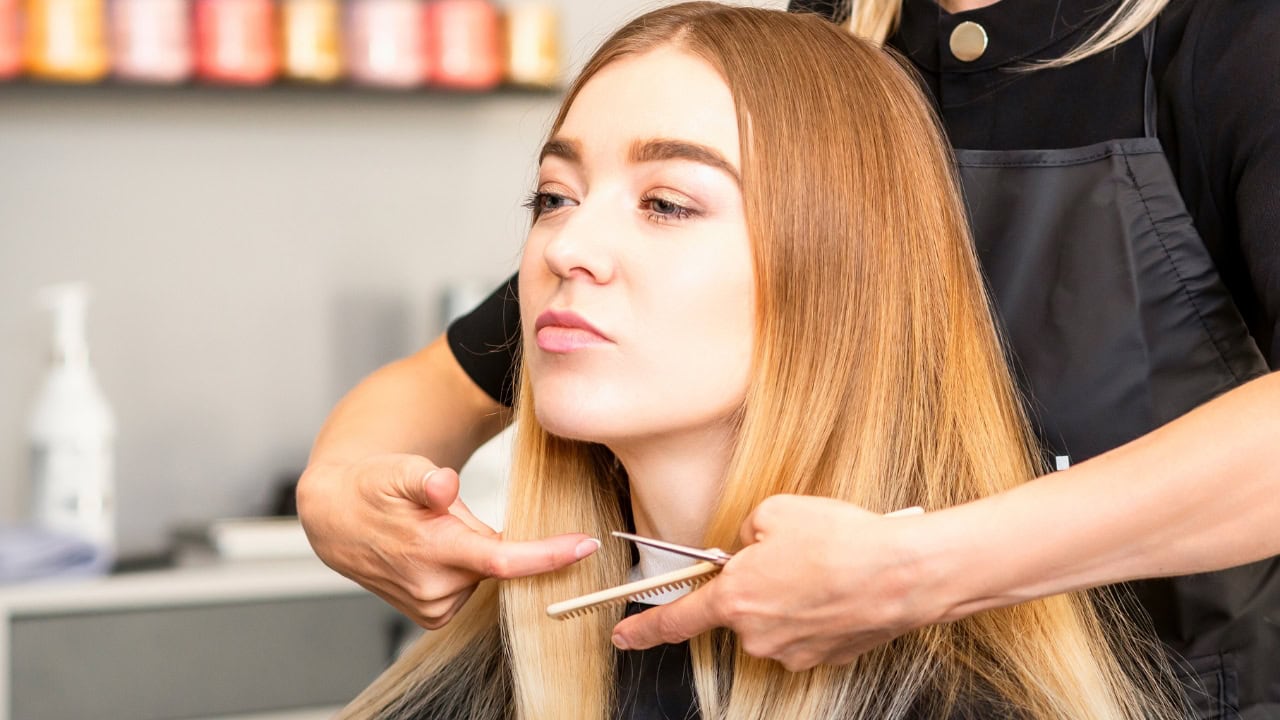
Weekly salon appointments
Getting your hair or nails done feels good, but doing it every week adds up fast. Regular blowouts, manicures, or lash fills can easily total hundreds each month. Before you know it, you’re paying more for maintenance than your actual bills.
You don’t have to stop completely — just space it out or learn to maintain between visits. Trimming, painting, or touching up at home can extend the time between appointments without sacrificing how you feel.
Constant online “treat yourself” orders
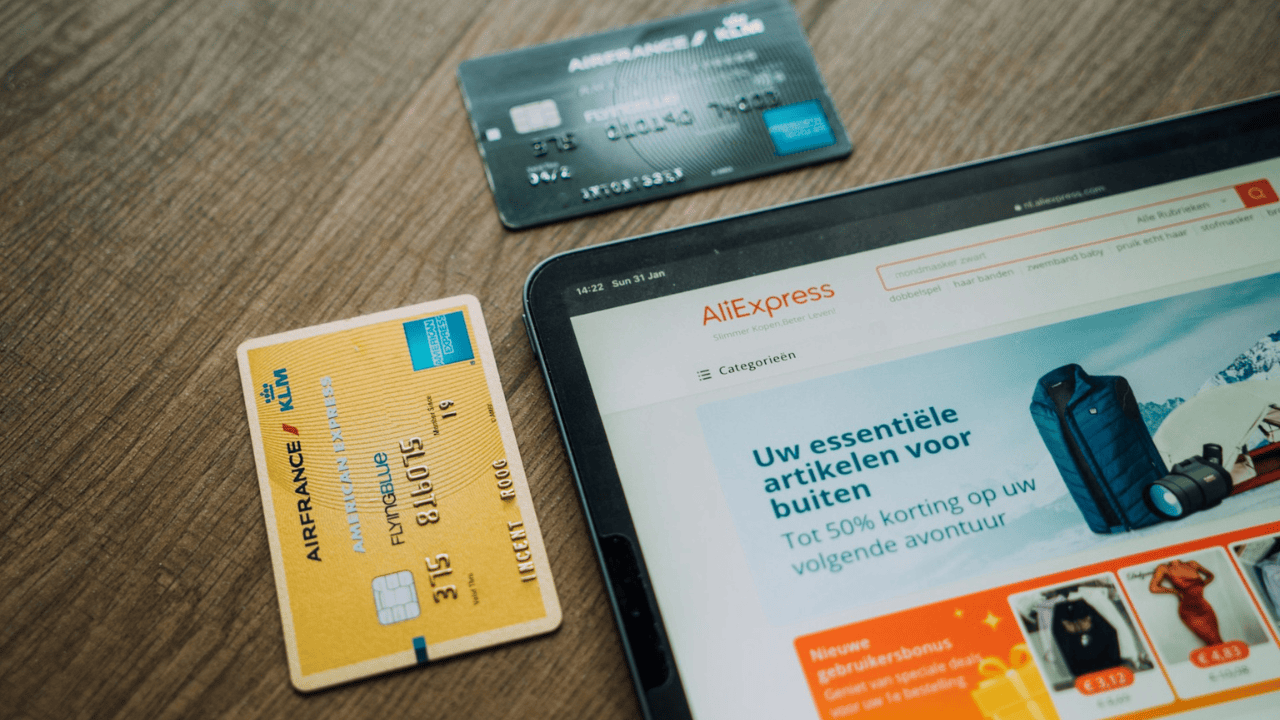
Retail therapy feels harmless when it’s “just a small order,” but those $40 splurges add up fast. Before long, you’ve spent hundreds on items that don’t actually change your day-to-day life.
Instead of shopping for comfort, make a list of things you really want and wait a week before buying. You’ll cut impulse spending and still get what matters most — minus the buyer’s remorse.
Overdoing subscription boxes
Beauty boxes, meal kits, and monthly “treat yourself” deliveries can seem like a fun way to prioritize self-care. But most people forget they’re paying for several at once — often for products they barely use.
Go through your subscriptions and see what you actually need. Canceling even one can free up $30–$50 a month without changing your quality of life. If it doesn’t truly make things easier or healthier, it’s not worth it.
Daily coffee shop runs

Buying a fancy latte every morning can easily cost over $100 a month. It feels like a small luxury — a “you deserve it” moment — but it’s one of the biggest silent budget drainers.
You can still enjoy your favorite drink by learning to make it at home. A quality creamer and espresso machine pay for themselves in weeks, and you’ll still get that same comfort ritual without the markup.
Spa days that turn into habits

A massage or facial once in a while can do wonders for your stress. But when self-care turns into a standing spa appointment, you’re basically paying for relaxation on repeat.
Try swapping professional treatments for at-home versions. A bath, face mask, or stretching routine can give you similar benefits for a fraction of the price. The occasional splurge will feel more special — and save your savings account.
Constant hair coloring

Keeping up with highlights, balayage, or full-color treatments can be one of the most expensive “self-care” habits. Each appointment can cost $150 or more, and frequent touch-ups mean you’re paying that several times a year.
Opt for low-maintenance styles that grow out naturally or try semi-permanent color that fades evenly. You’ll still feel refreshed without locking yourself into constant upkeep costs.
“Feel-good” gym memberships you don’t use

Joining a gym can absolutely be self-care — if you actually go. But paying for an expensive membership that barely gets used is more guilt than wellness. Those monthly drafts add up fast when you’re not walking through the door.
If you prefer to work out at home or outdoors, cancel the membership and invest in a few good pieces of equipment instead. You’ll save money and still keep your fitness routine consistent.
Buying high-end skincare in bulk
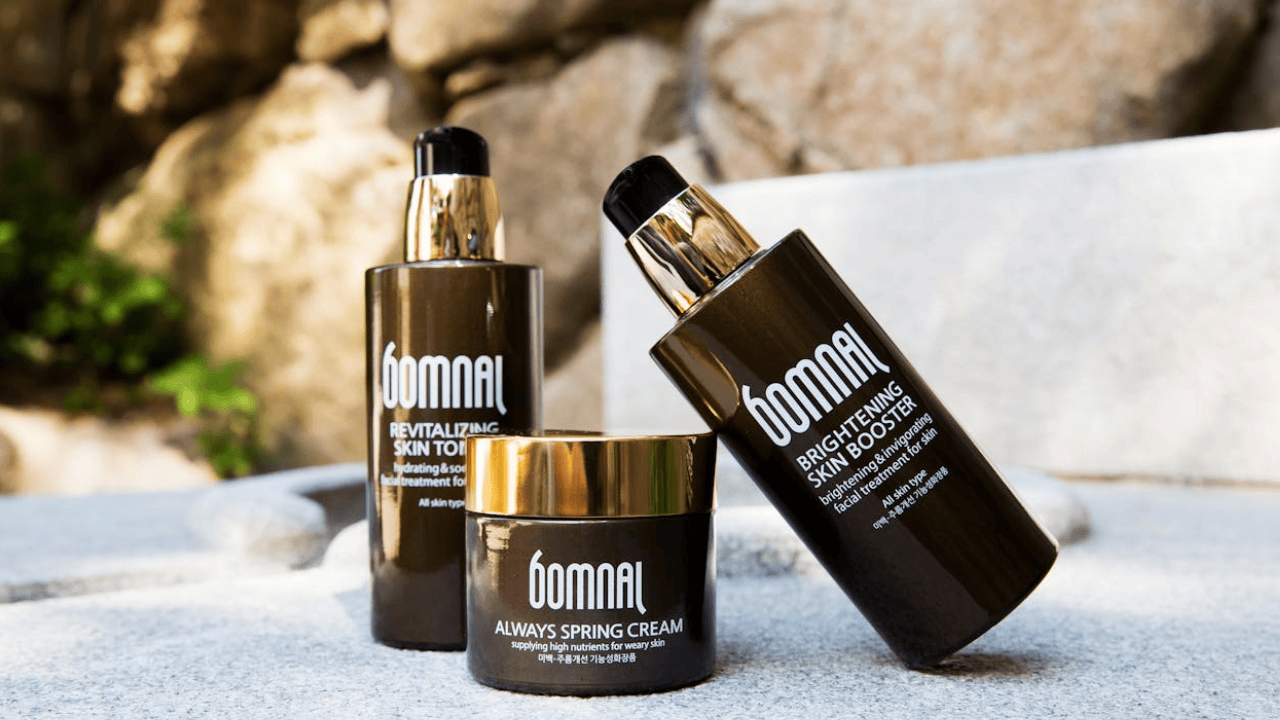
There’s nothing wrong with caring about your skin, but overstocking on trendy serums or buying full sets of luxury products is rarely necessary. Most of them do the same thing with different packaging.
Find a few products that truly work for you and stick with them. When you stop chasing every new release, your skin — and your wallet — will both be in better shape.
Over-ordering takeout “for convenience”
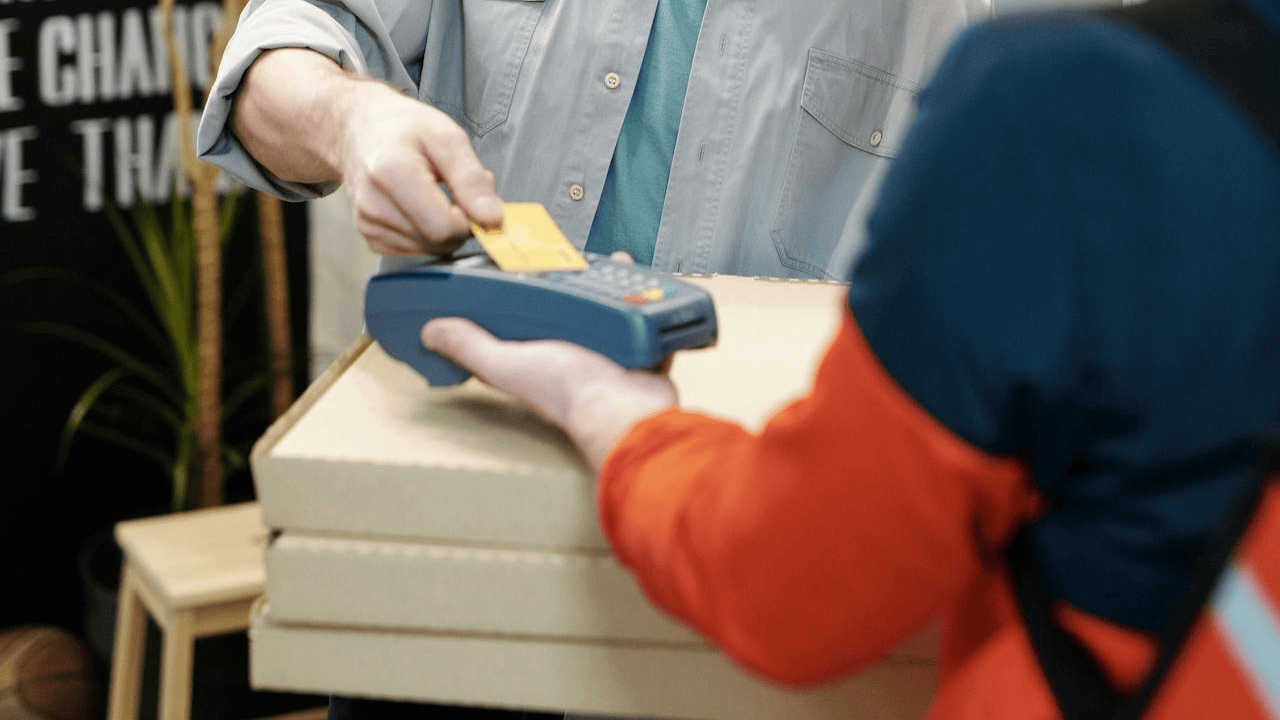
Ordering dinner after a long day can feel like an act of kindness to yourself, but it’s one of the fastest ways to wreck your savings. Between delivery fees, tips, and upcharges, you’re paying nearly double compared to cooking at home.
If you really want convenience, prep easy meals ahead of time or keep frozen dinners for lazy nights. You’ll save money without losing that stress-free feeling.
Calling every impulse spend “deserved”

The phrase “I deserve it” can become an expensive mindset. Whether it’s clothes, gadgets, or a random Target run, labeling everything as self-care makes overspending feel justified.
True self-care improves your well-being — not your debt. Give yourself room for treats, but be honest about what’s actually helping and what’s draining your budget. The healthiest kind of self-care leaves your finances calmer too.
*This article was developed with AI-powered tools and has been carefully reviewed by our editors.
Leave a Reply