
Most of the damage in your laundry doesn’t come from your detergent or machine—it comes from habits you don’t even realize are wrong. A few small mistakes can fade colors, ruin textures, and wear clothes out long before their time.
Even if your laundry looks fine now, it might not hold up a year from now if you keep washing the same way. The good news is, these fixes are easy and make a huge difference once you know what to look for.
Towels

Washing towels with fabric softener makes them feel soft but ruins their absorbency. The coating left behind builds up over time and traps odors.
Skip the softener and use white vinegar every few washes instead. It strips residue, keeps towels fresh, and restores that fluffy texture you actually want.
Jeans

Throwing jeans in the washer every wear fades the color and breaks down the fibers fast. Denim doesn’t need frequent washing—it actually lasts longer when you go easy on it.
Spot clean between wears and machine wash only when they truly need it. Turn them inside out, use cold water, and hang dry to preserve the fit and finish.
Bedding

Washing sheets with too much detergent or fabric softener can make them stiff and dull. Residue builds up quickly, especially with higher thread counts.
Use half your normal detergent and wash in warm, not hot, water. It’s enough to remove oils and sweat without breaking down the fibers.
Activewear

Athletic clothes are designed to wick sweat—but that same material traps detergent and bacteria if you wash them wrong. High heat or heavy cycles destroy the stretch.
Wash them inside out in cold water with a small amount of mild detergent. Skip softener entirely—it clogs the fabric and ruins the performance.
Sweaters

Tossing sweaters in the washer or dryer is the quickest way to stretch or shrink them. Even machine “delicate” cycles can be too rough for knit fibers.
Hand wash or use a mesh bag with cold water and gentle detergent. Lay flat to dry so they keep their shape. It takes longer but saves you from warped sleeves and pilled fabric.
Bras

Bras lose shape and elasticity fast when machine washed, especially in warm water or with heavy items. The hooks and bands also catch on other fabrics.
Hand wash in cool water, or if you use the machine, put them in a mesh bag and use a delicate cycle. Always air dry—they’ll hold their fit much longer.
Dishes
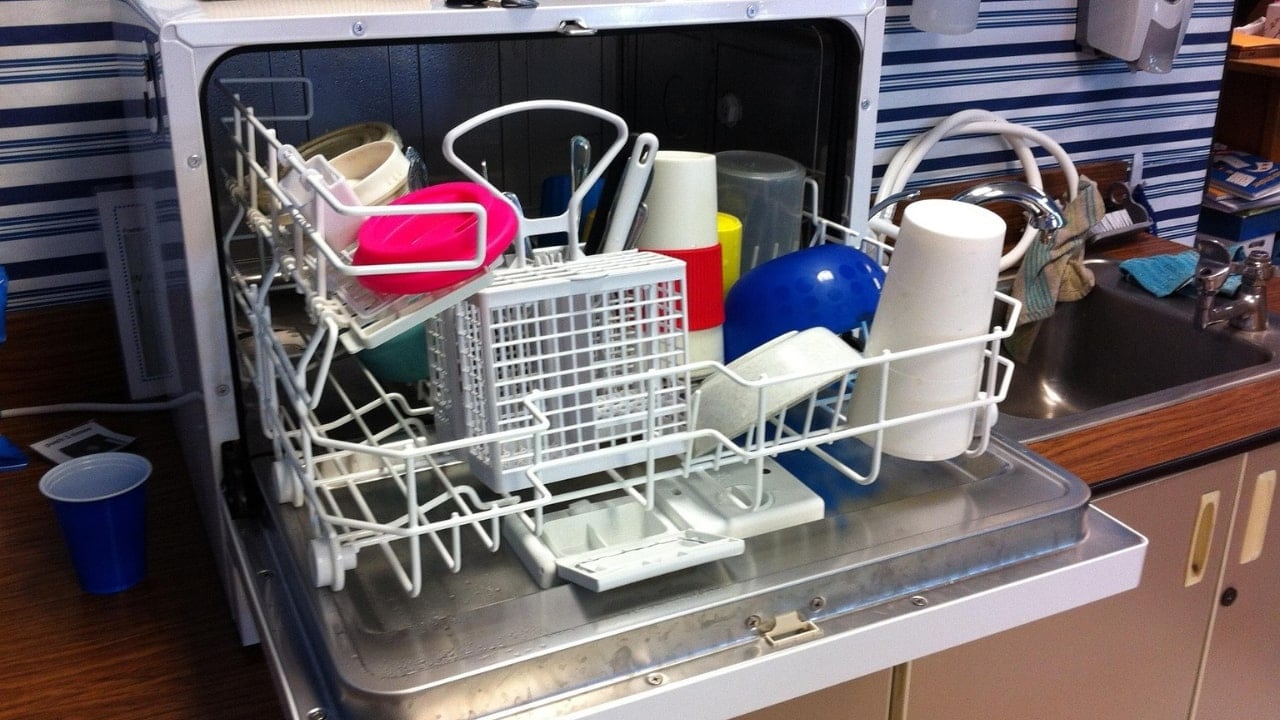
Overloading the dishwasher or rinsing everything first can make your detergent less effective. Pre-rinsing removes the grime the detergent needs to activate properly.
Scrape off large debris but skip the rinse. Load items with space between them so water can circulate. You’ll get cleaner dishes and save time and water.
Kitchen towels and sponges

Kitchen towels and sponges collect bacteria faster than almost anything else in your house. Tossing them in with regular laundry doesn’t get them fully clean.
Wash towels in hot water and dry on high heat. Replace sponges weekly and disinfect between uses with a quick microwave or dishwasher run.
Pillows

Most people wash their pillowcases but forget the pillows themselves. Over time, they collect oils, sweat, and dust mites that a pillowcase can’t stop.
Check the tag—most pillows are machine washable. Wash two at a time on a gentle cycle with warm water, then tumble dry with dryer balls to keep them fluffy.
Reusable water bottles

A quick rinse isn’t enough. Bacteria can grow in the spout, cap, and threads even when the bottle looks clean.
Disassemble all the parts and wash in hot, soapy water or run them through the dishwasher daily. A little extra care keeps your water bottle safe and odor-free—and your health better for it.
*This article was developed with AI-powered tools and has been carefully reviewed by our editors.
Leave a Reply