There’s a big difference between something that looks organized and something that actually works. A lot of systems seem tidy on the surface but secretly make your life harder. They’re either too complicated to maintain or hide clutter instead of solving it. True organization isn’t about perfection—it’s about function, ease, and making everyday life smoother.
Here are ten things that might look organized but are quietly keeping you stuck in a cycle of chaos.
Matching bins with no real system
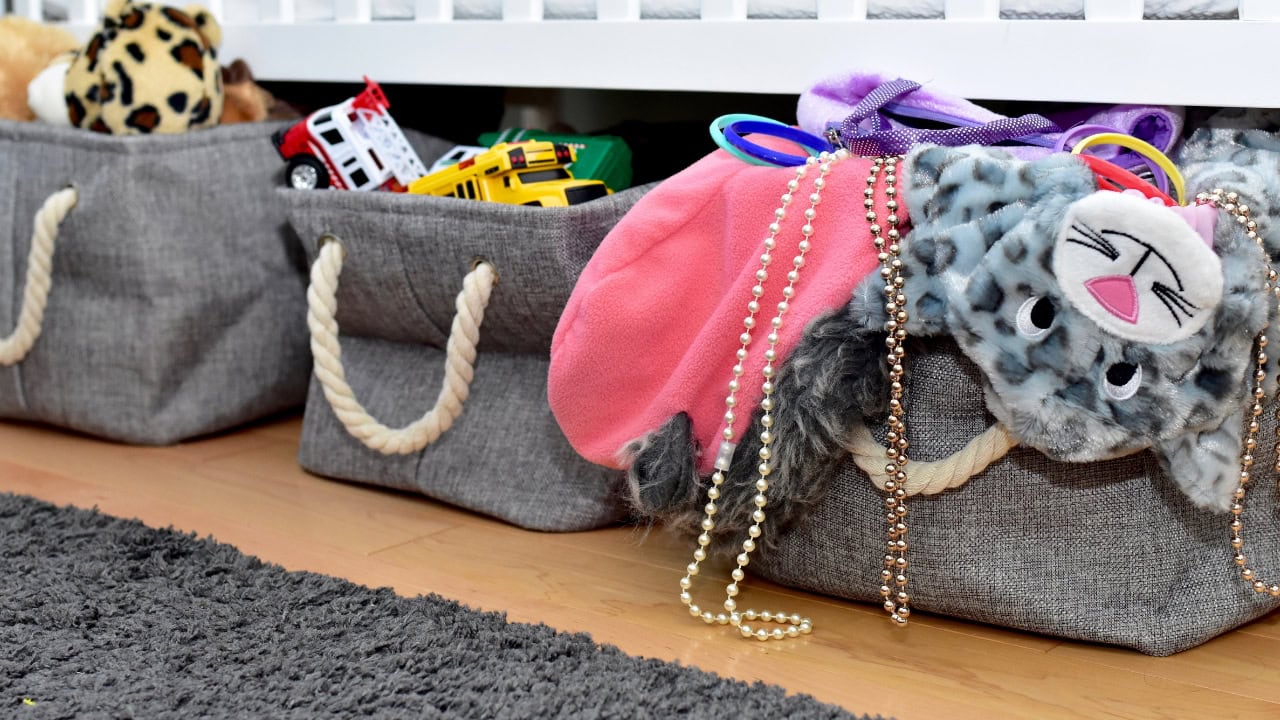
Lining up matching bins looks satisfying, but if everything inside is random, you’ve only organized the clutter. Aesthetics don’t matter if you can’t find what you need without digging.
Real organization means every bin has a clear purpose and category. Label them, group by how you use things, and make sure they’re easy to reach. A neat row of mystery bins is still chaos—just prettier.
Folded clothes that you never wear
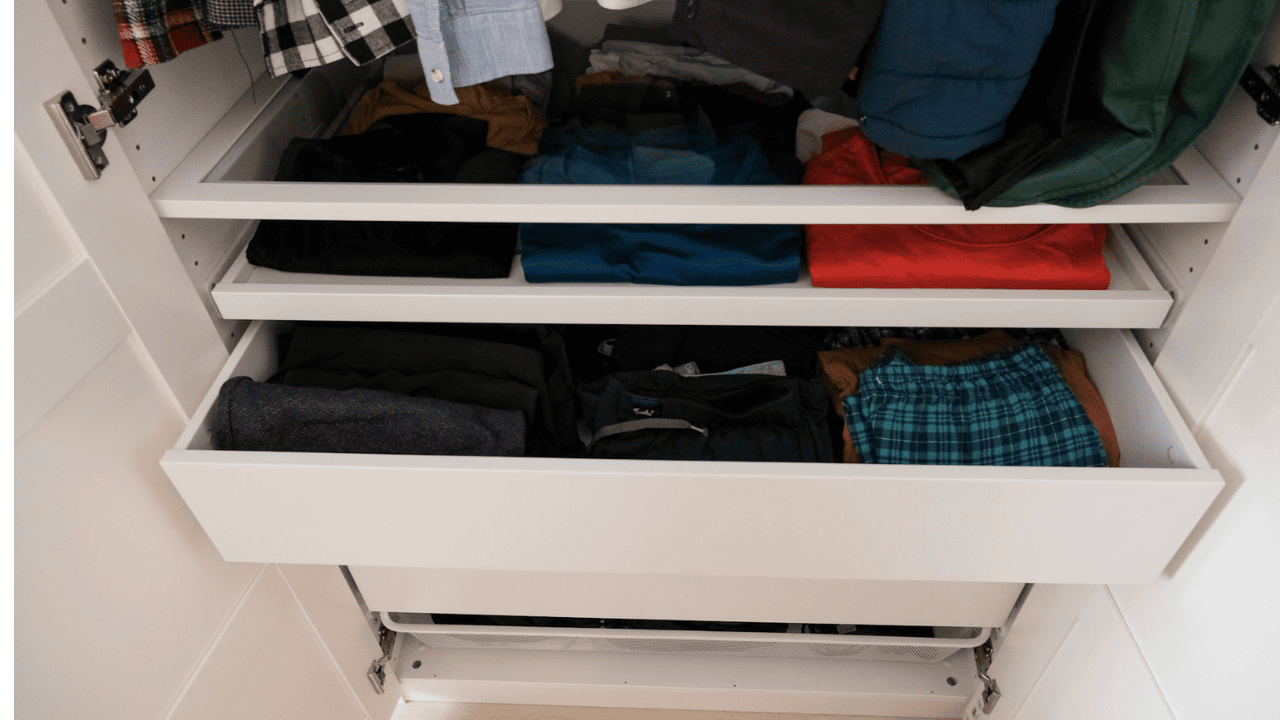
Stacked, color-coordinated clothes feel organized, but if most of what’s in there doesn’t fit or suit your lifestyle, it’s wasted space. You’re organizing volume, not value.
Decluttering first makes all the difference. Once you only keep what you actually wear, organizing becomes effortless. A smaller wardrobe that’s functional is far more organized than a packed one that isn’t practical.
Overstuffed junk drawers
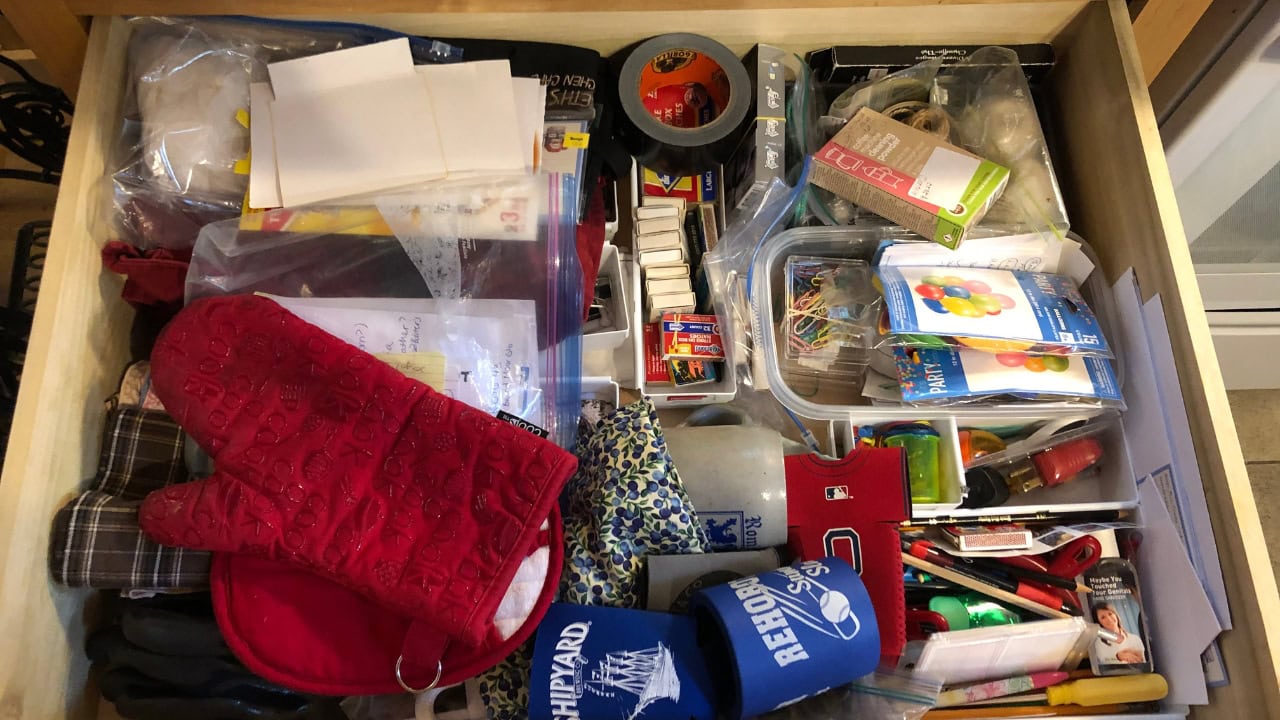
You might be able to close the drawer, but that doesn’t make it organized. Tossing everything into trays or dividers still leads to rummaging when you need something.
Empty it out, toss duplicates, and assign every category a home. A junk drawer can be useful—but only if it’s filled with things you reach for regularly, not everything you don’t know what to do with.
Labeling everything you own
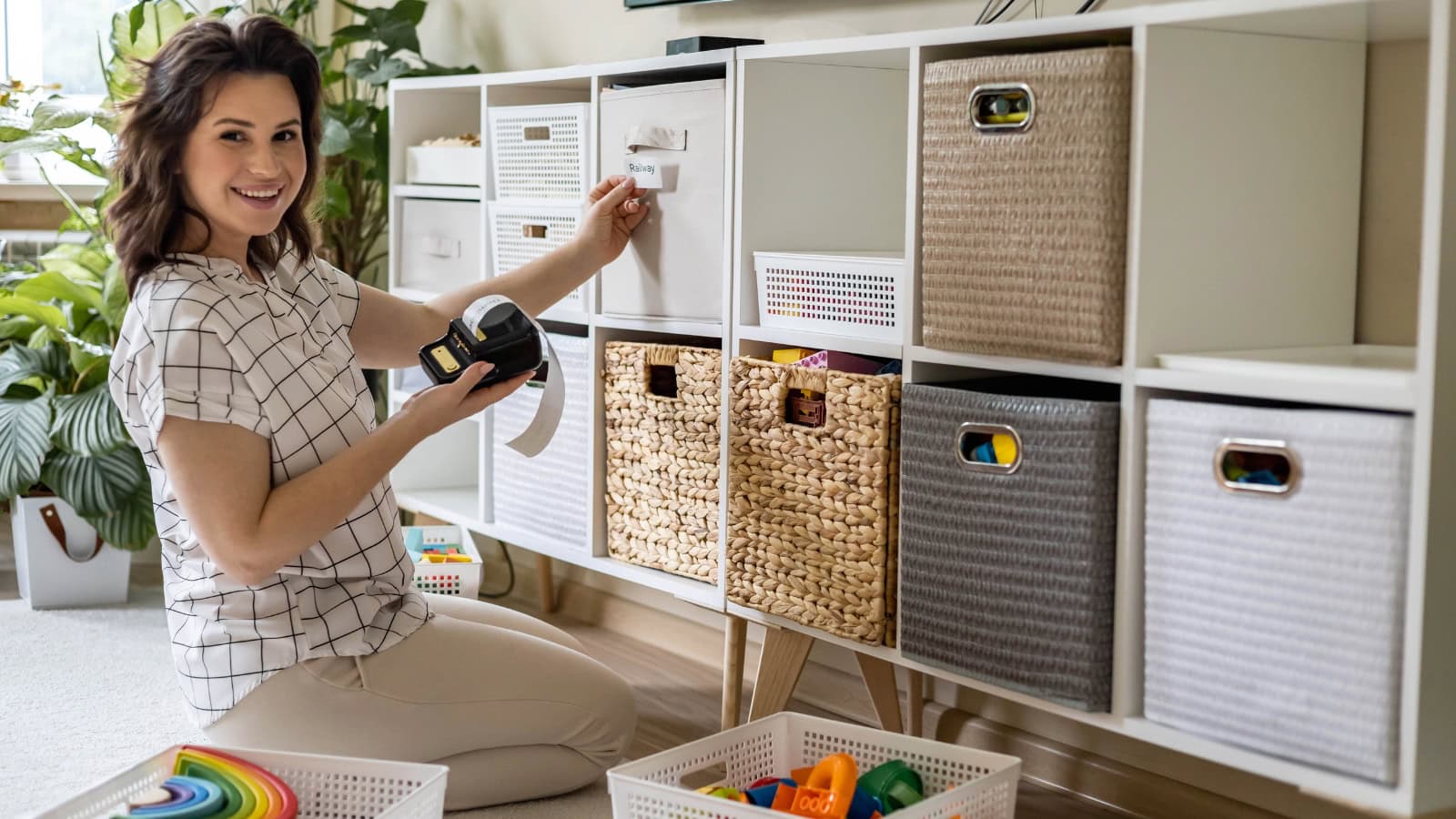
Labels can make you feel in control, but over-labeling often means the system’s too complicated. If you need a label to remember where something goes, it’s probably not intuitive enough.
A better system makes sense without a ton of explanation. Group by how you naturally use things, not how a Pinterest post told you to. The goal is ease, not instruction.
Hiding clutter behind doors
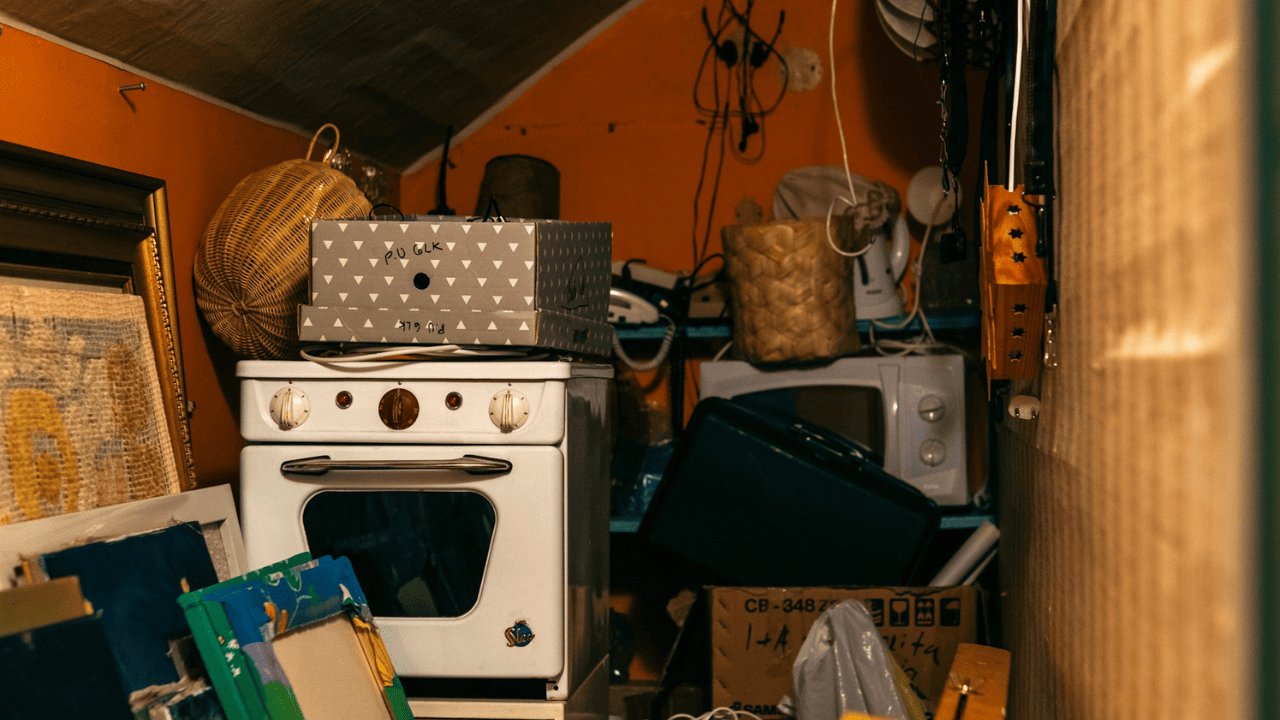
Closed cabinets and baskets make a space look calm, but if they’re full of random items, you’re not organized—you’re avoiding the mess. Hidden clutter always comes back to bite you.
When you open a cabinet, you should know exactly what’s inside and why it’s there. If things fall out or you’re constantly rearranging, it’s a sign the space needs a real reset.
A color-coded calendar that’s overloaded
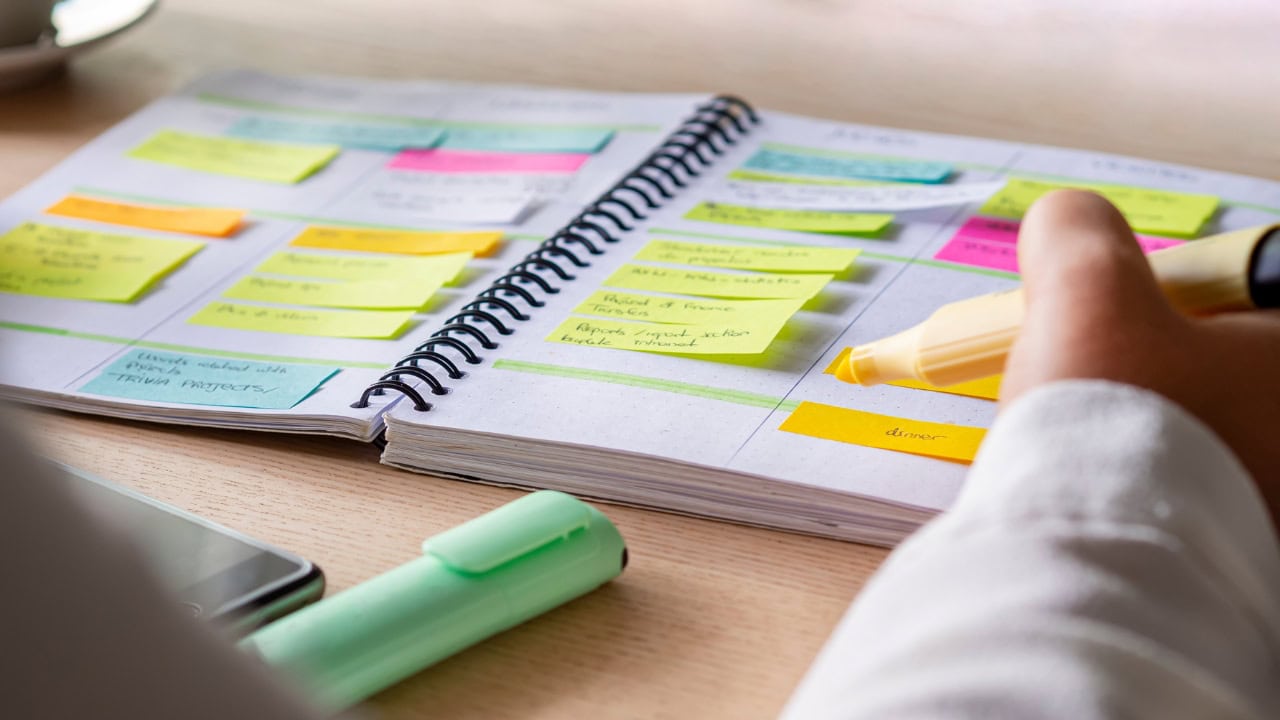
A color-coded planner might look efficient, but too many categories and overlapping events make it impossible to follow. It becomes a visual to-do list you can’t keep up with.
Simplify by cutting back to a few main priorities. Your calendar should make life easier, not feel like another job to manage. Too much structure can be as stressful as no structure at all.
Pretty pantries with no practicality
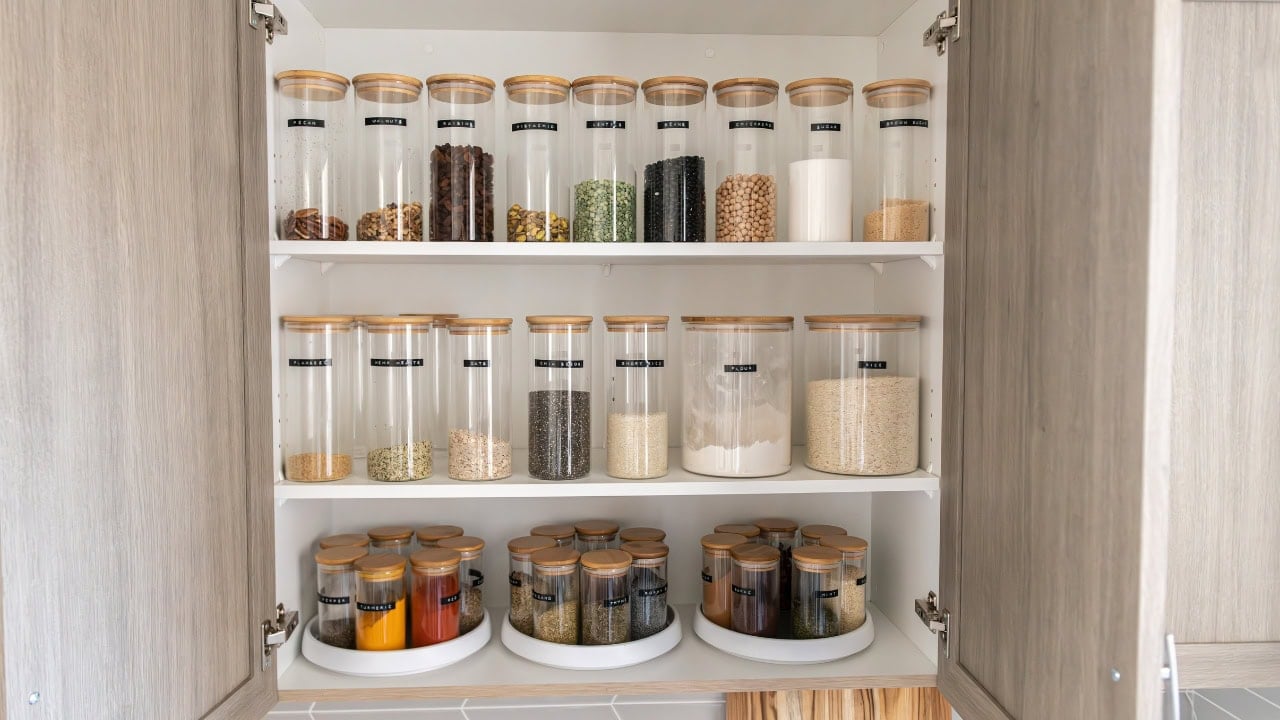
Those picture-perfect pantries full of decanted containers look great online, but they often make day-to-day use harder. If you have to refill containers every few days or can’t see expiration dates, it’s not working.
Use clear bins, lazy Susans, and labels only where they help. A pantry should save time when cooking, not turn into a maintenance project every week.
Paper piles in baskets

Throwing mail, forms, and receipts into baskets makes them disappear—for now. But when everything’s mixed together, you end up searching through stacks when you actually need something.
Separate papers as they come in—bills, receipts, important documents—and create a simple system for each. You’ll save time and avoid the panic that comes when you can’t find what you need.
A fridge full of containers
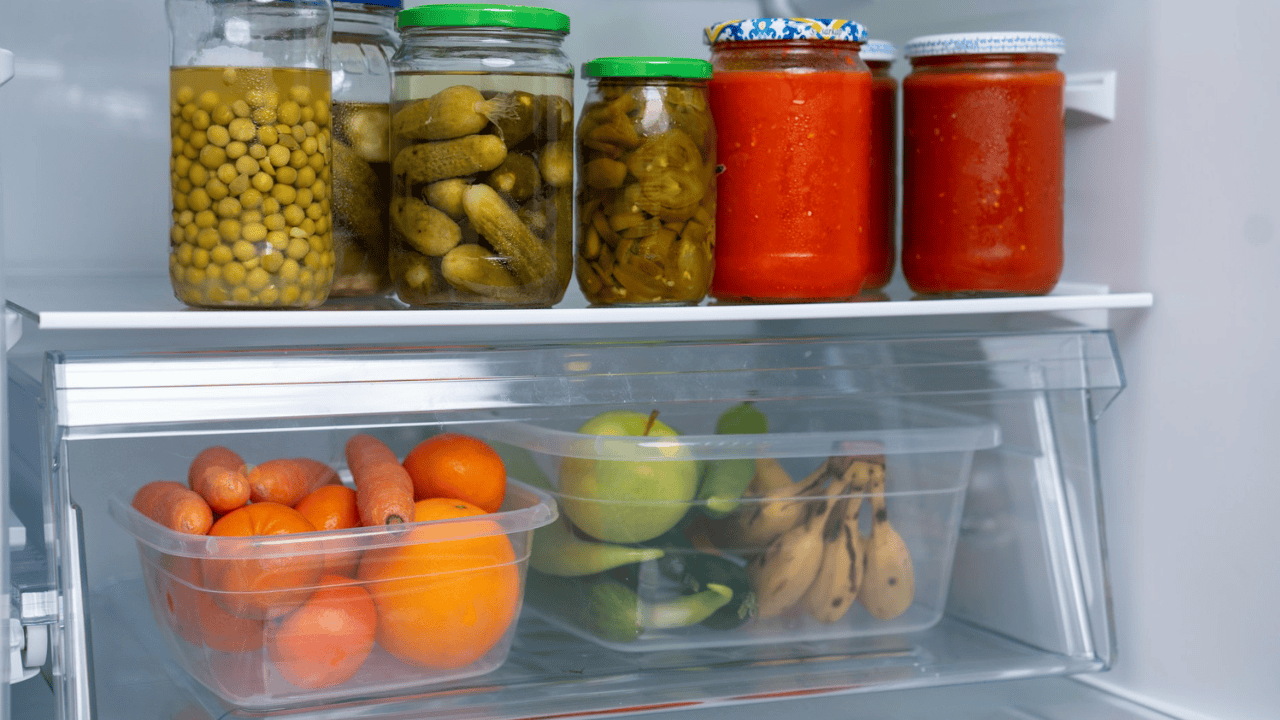
Stacking leftovers and produce in matching containers looks organized until you realize you have no idea what’s in half of them. Food waste piles up because things get hidden or forgotten.
Try using clear containers, grouping by type, and labeling dates if needed. True organization means knowing what you have and using it before it goes bad—not keeping it perfectly stacked.
Overfilled storage closets
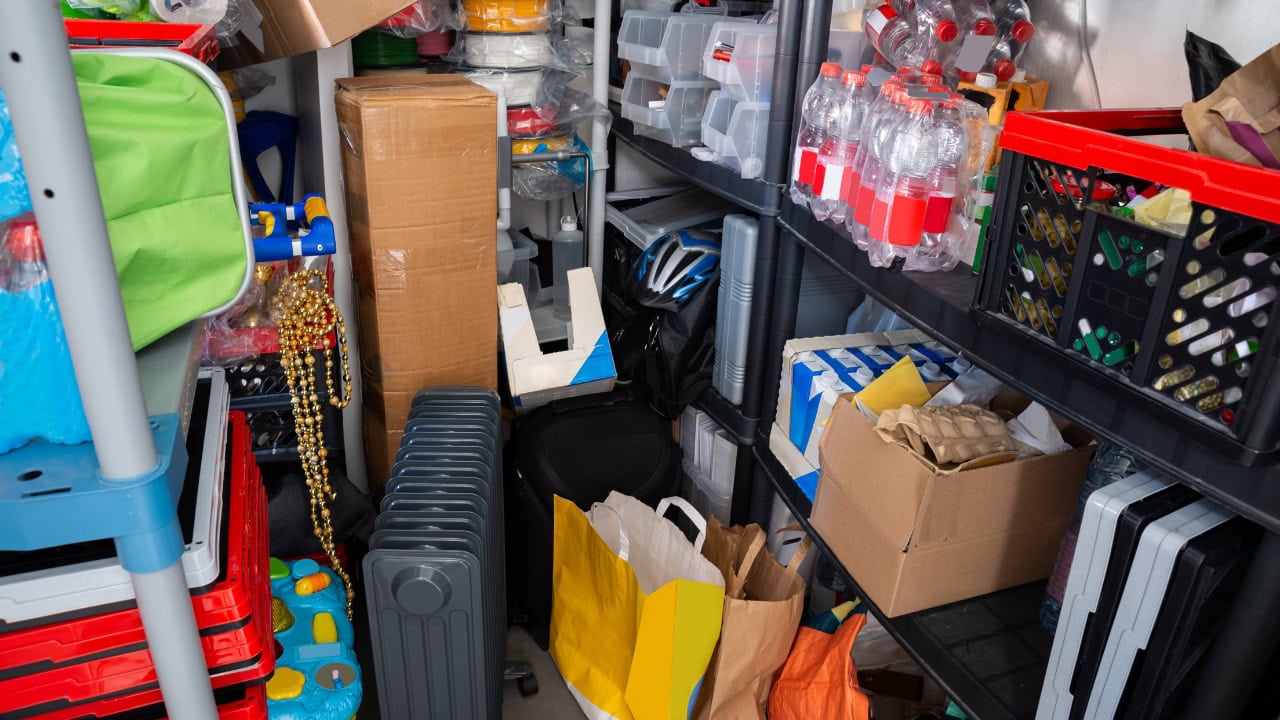
Stuffing seasonal decor, cleaning supplies, and extra linens into a closet until the door barely closes might seem efficient, but it’s not sustainable. You can’t use what you can’t access.
Edit what you store, then organize what’s left by how often you use it. Keeping extra space open makes the closet easier to maintain and prevents it from becoming the catch-all again.
*This article was developed with AI-powered tools and has been carefully reviewed by our editors.
Leave a Reply