
10 things you keep fixing that need to be replaced
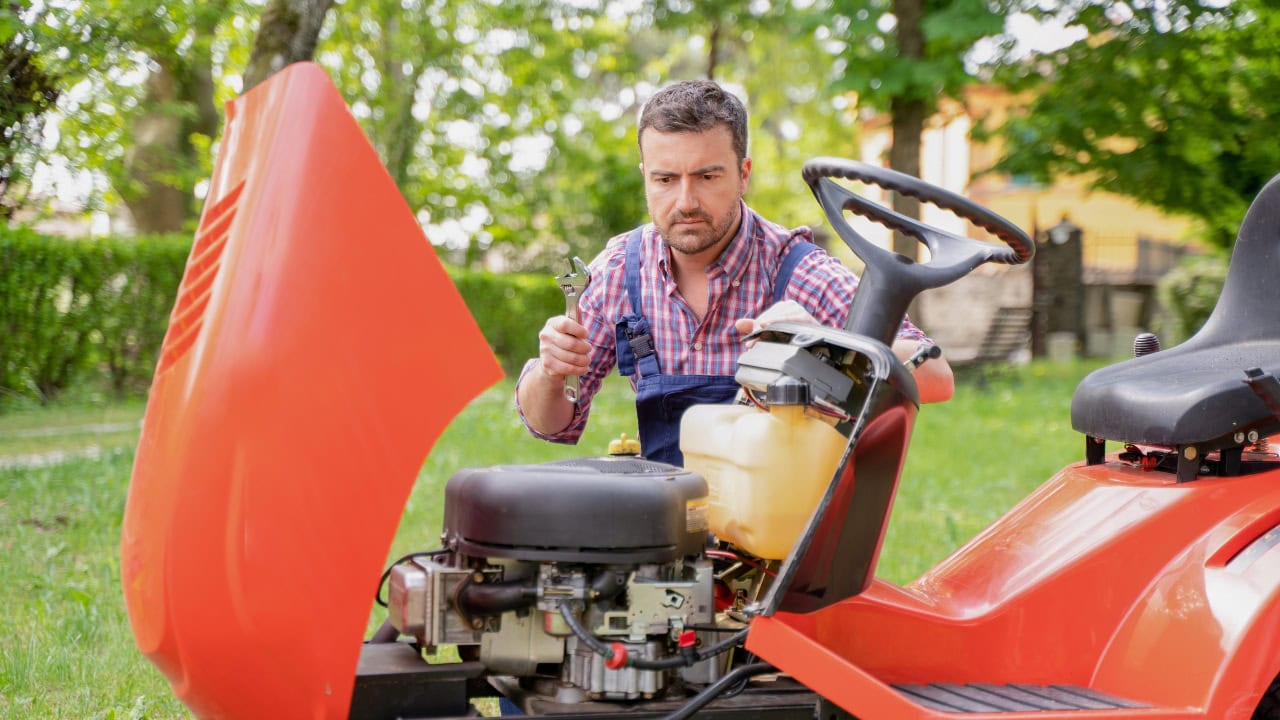
Some things reach a point where fixing them isn’t saving money anymore—it’s wasting it. You patch, tighten, and repair thinking you’re being smart, but the effort and cost quietly add up. Eventually, you spend more keeping something alive than you would buying new. Knowing when to let go isn’t wasteful—it’s practical.
Here are the everyday things most people keep repairing long after they should’ve replaced them, and why a permanent fix often costs less in the long run.
That old lawn mower that barely starts
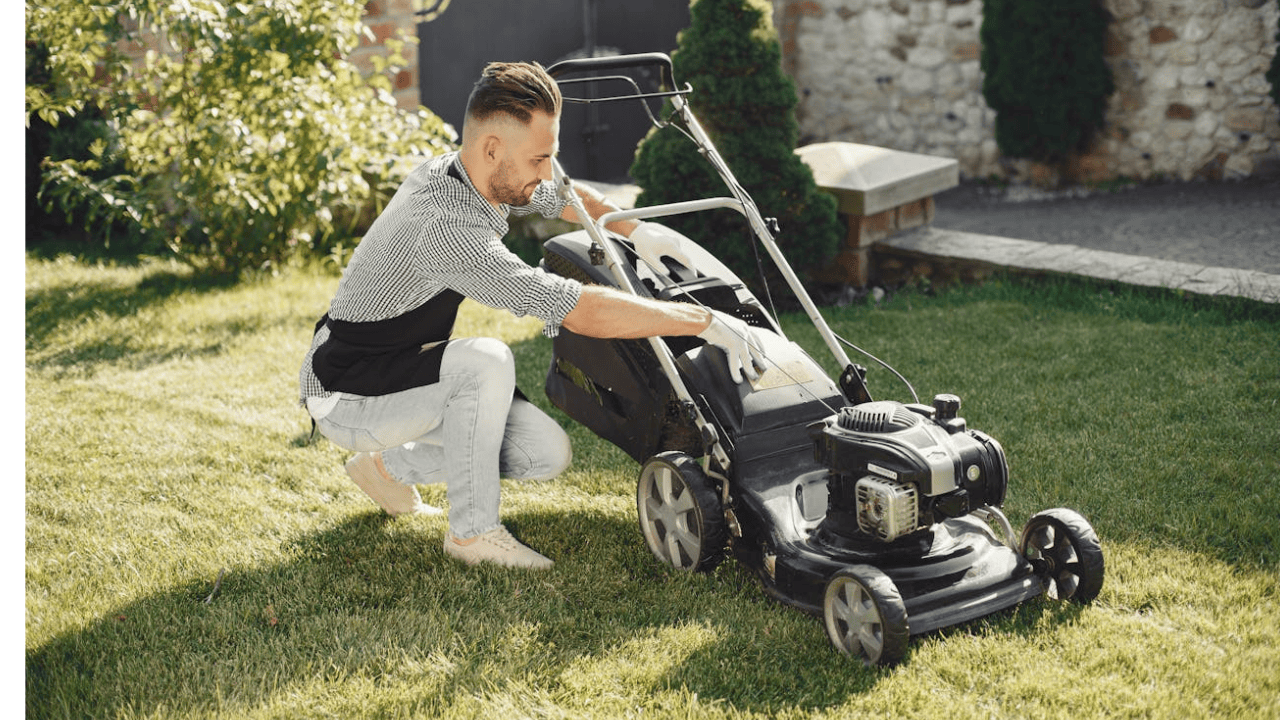
If you’ve spent more time trying to get your mower running than actually mowing, it’s time to move on. Constantly cleaning carburetors, replacing spark plugs, and jump-starting batteries adds up quickly.
A newer, fuel-efficient mower will start easier, cut cleaner, and use less gas. You’ll save time every week—and probably avoid a few Saturday mornings spent cursing in the garage.
The leaky faucet

You can tighten handles and replace washers all you want, but if your faucet leaks again a month later, the problem’s deeper than a seal. Worn valves and corrosion are signs it’s reached the end.
A new faucet won’t just stop wasting water—it’ll save money on your bill and give your sink area a much-needed refresh. Plumbing issues rarely fix themselves, and a replacement usually pays for itself in savings.
Wobbly ceiling fans
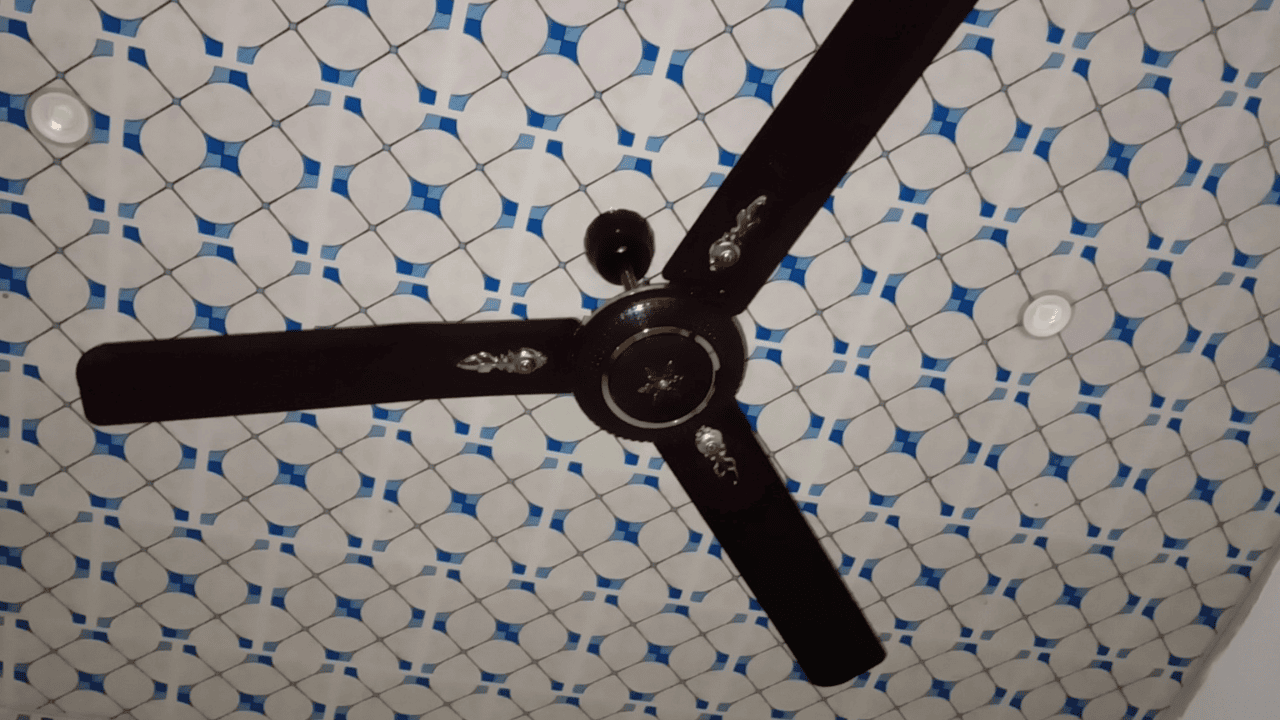
A shaky ceiling fan might seem like no big deal, but constant balancing and screw tightening won’t fix a warped blade or worn-out bearings. Eventually, it’ll start making noise—or worse, fall out of alignment completely.
Replacing it with a modern, energy-efficient model not only fixes the problem but improves airflow and lowers your cooling costs. Plus, newer fans run quieter and look better while doing it.
The patchy hose that keeps leaking
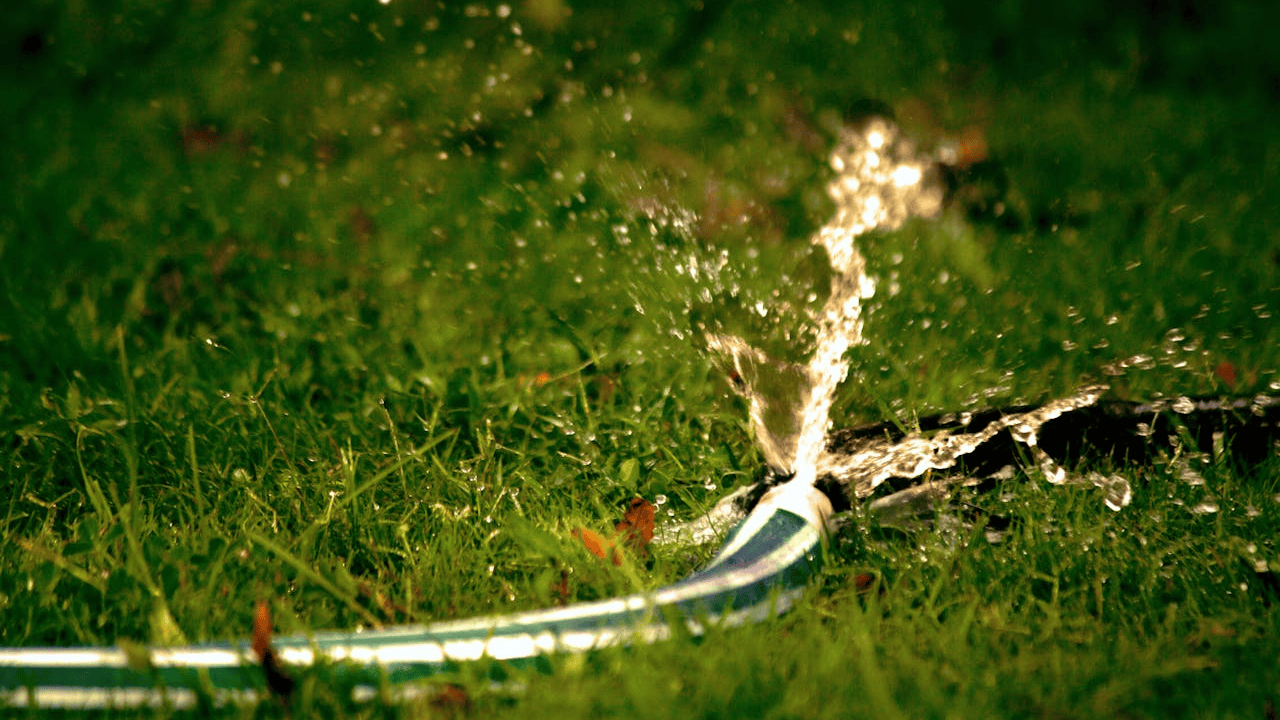
If you’ve got more tape and connectors than actual hose left, it’s not worth saving. Leaks reduce water pressure and make watering take twice as long.
A new heavy-duty hose will last for years and save you the frustration of dealing with surprise sprays every time you unwind it. It’s one of those small upgrades that makes everyday chores way easier.
Cracked phone screens

You can live with one crack, but once the screen starts spidering or flickering, repairs get expensive—and unsafe. Even a small crack can let in moisture that ruins the internal components.
If you’re on your second or third screen replacement, it’s probably time for an upgrade. A reliable, intact phone saves frustration and prevents you from paying for another “temporary” fix in a few months.
Old appliances that keep tripping breakers
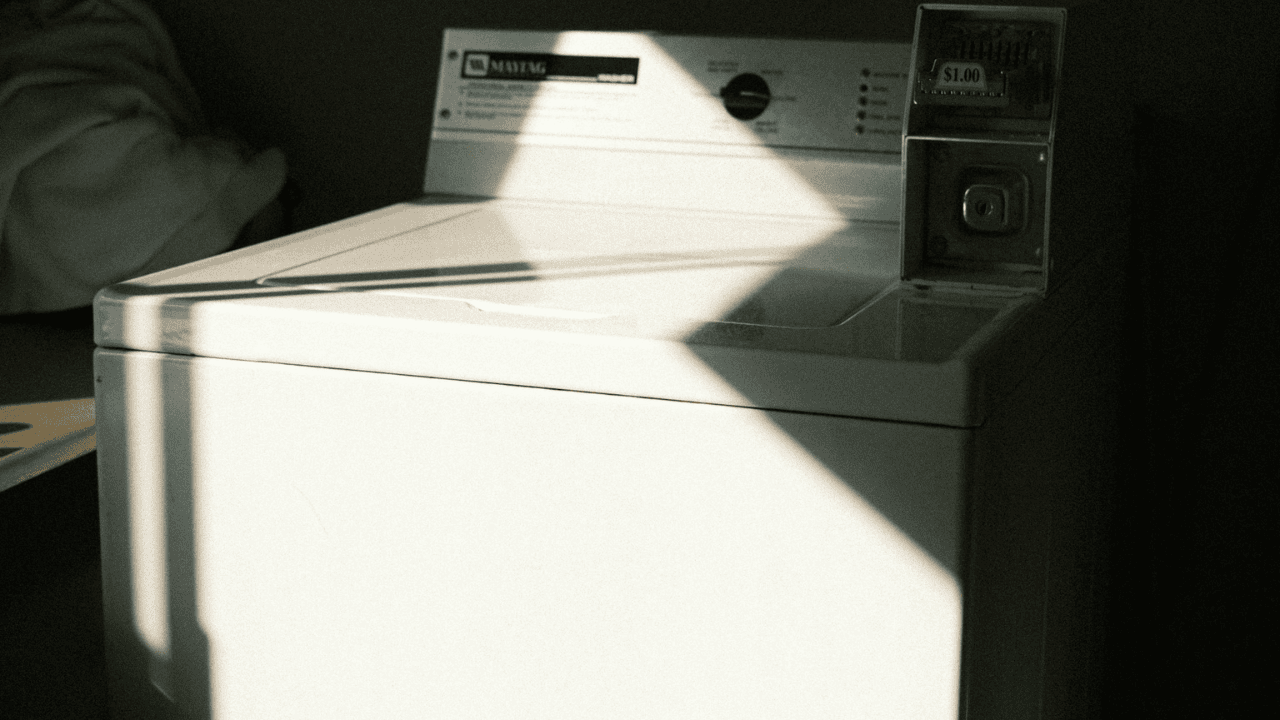
When your dishwasher or dryer starts blowing fuses or shorting out, it’s a clear sign the electrical components are wearing down. Repairing an old unit might buy time, but the energy inefficiency and safety risks aren’t worth it.
Newer appliances are designed to use less water and power while doing a better job. You’ll see the difference immediately on your utility bill—and in how smoothly everything runs.
That sagging mattress

Flipping it, adding toppers, and rotating it only delays the inevitable. A mattress that’s sagging or uneven is past its lifespan, no matter how many adjustments you make.
A quality replacement supports your body properly, helps you sleep better, and reduces aches that come from years of wear. It’s one of those upgrades that improves your entire day without you realizing how much it mattered.
A toilet that keeps running
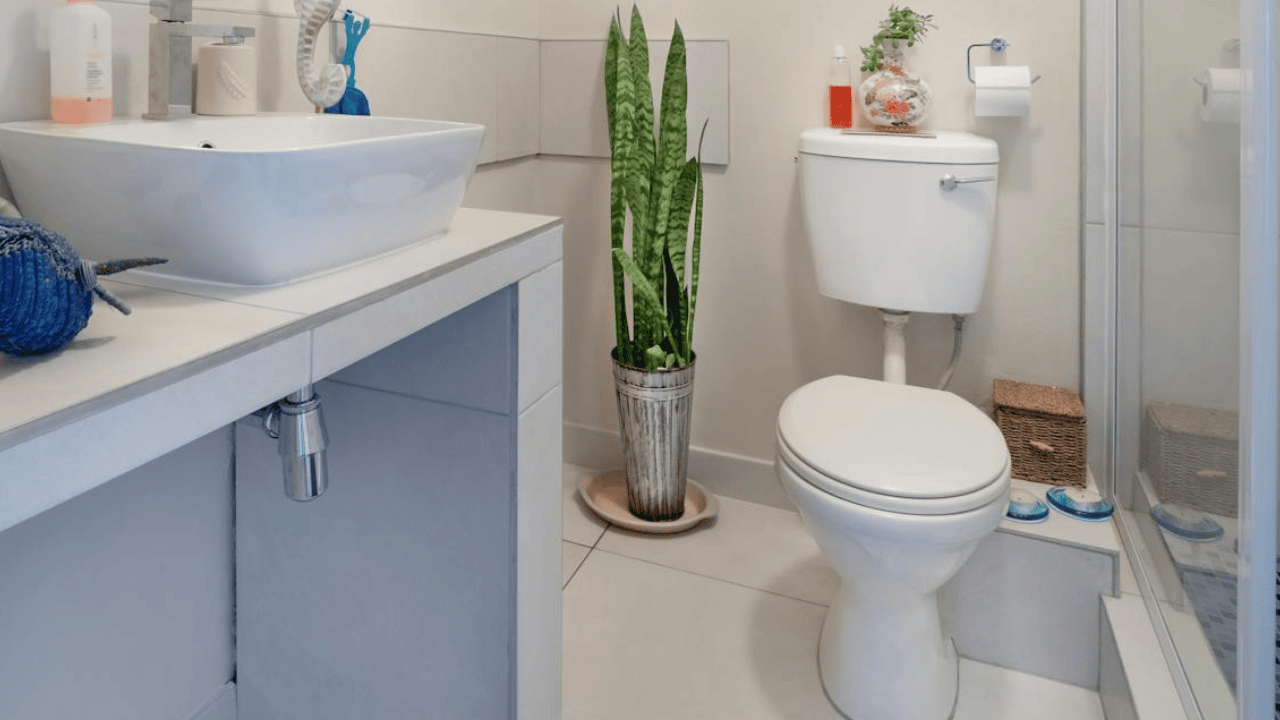
Constantly jiggling the handle or replacing the flapper is a sign the inside components are worn or the tank itself isn’t sealing properly. Those small leaks waste gallons of water every day.
Replacing the toilet—or at least the entire tank assembly—can stop the constant refills and lower your water bill. Modern low-flow toilets are quieter, more efficient, and built to last.
The old extension cord
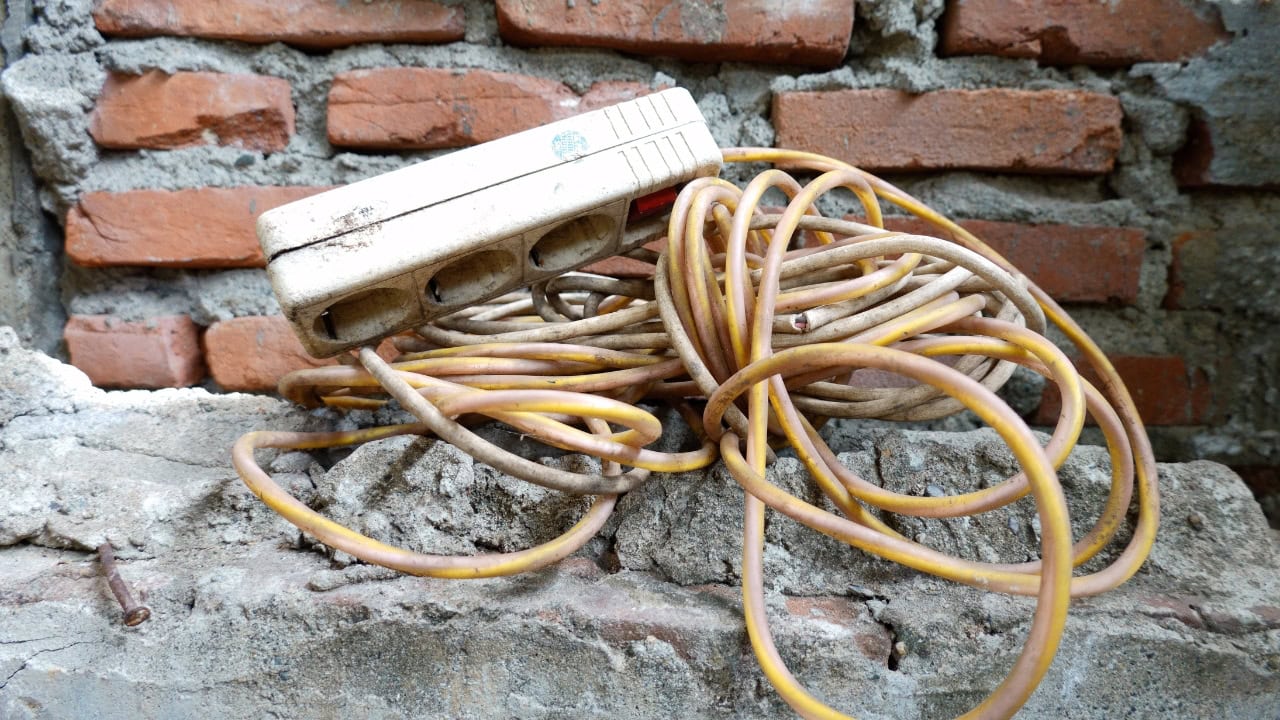
Electrical tape and quick fixes don’t make a damaged cord safe. Frayed wires or loose plugs are fire hazards waiting to happen, even if they “still work.”
Spend the small amount to replace it with a heavy-duty cord rated for your equipment. It’s safer, lasts longer, and prevents the kind of accidents that cost far more than a replacement would.
A door that won’t close right
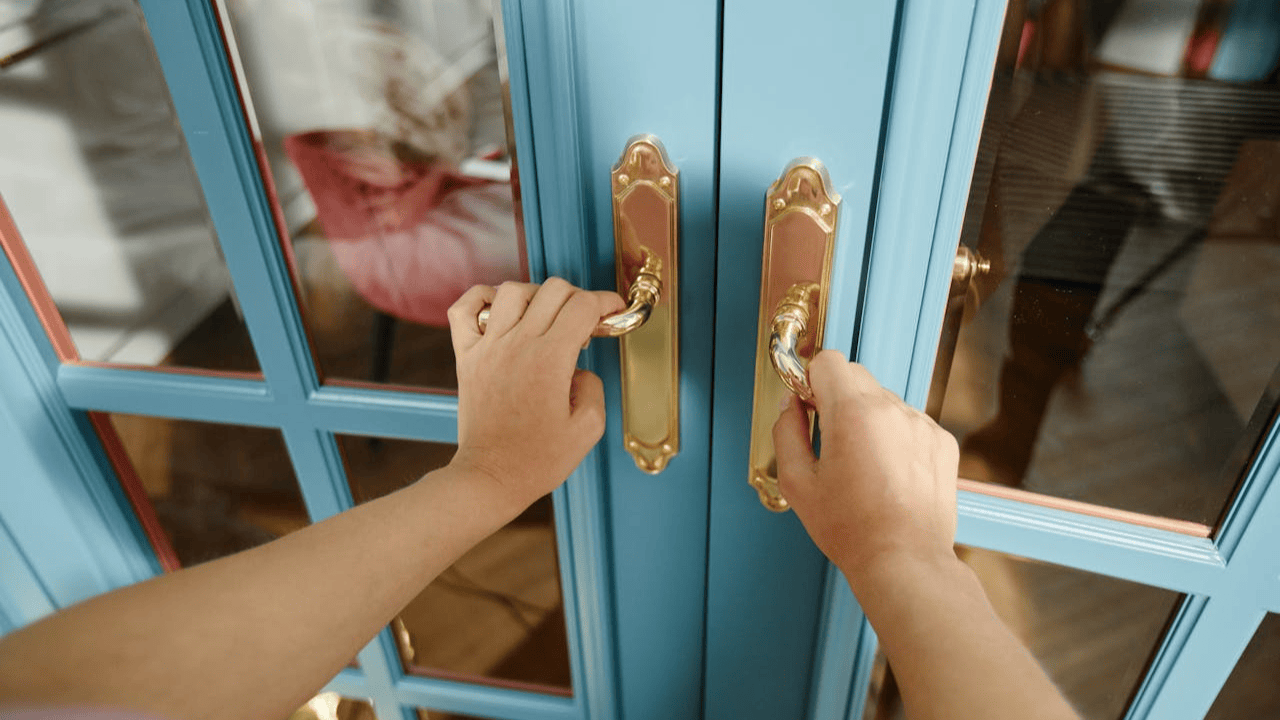
If you’re constantly adjusting hinges or forcing a latch, there’s likely an underlying issue—like a warped frame or shifting foundation. No amount of tightening will make it align properly again.
Replacing the door (and checking the frame) keeps your home secure and energy-efficient. It also improves insulation, which means fewer drafts and lower heating and cooling costs year-round.
*This article was developed with AI-powered tools and has been carefully reviewed by our editors.
Leave a Reply