
10 things you keep doing “the normal way” that aren’t helping

A lot of habits feel right because they’re familiar—not because they actually work. We tend to repeat what we’ve always seen, even when it’s inefficient or adds stress. The truth is, “normal” doesn’t always mean helpful. Sometimes, the common way of doing things quietly makes life harder, drains your energy, or keeps you stuck in routines that don’t serve you anymore.
Here are ten everyday habits that feel normal but might be working against you more than you realize.
Drinking coffee before water in the morning

Most people reach straight for caffeine the second they wake up, but after hours of sleep, your body’s dehydrated. Coffee first thing can make you feel jittery and sluggish later.
Starting with a glass of water before your coffee helps rehydrate you and jump-starts your energy naturally. You’ll still get your caffeine fix—it’ll just hit smoother once your system’s awake.
Overloading your to-do list
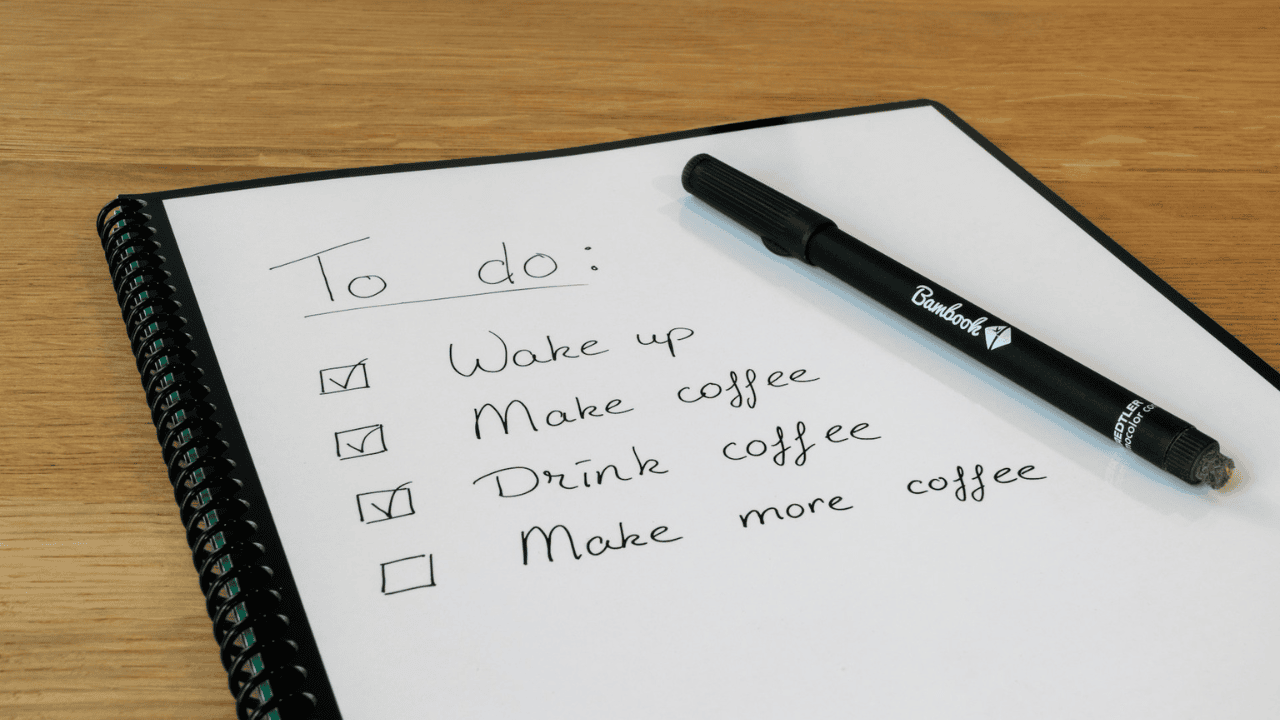
Writing down every single thing you could possibly do might seem smart, but it’s overwhelming. Long lists make you feel behind before you even start.
Focusing on three to five key priorities keeps your day manageable. You’ll accomplish more when your brain isn’t spinning from an endless list of “shoulds.”
Cleaning your whole house in one go
Waiting until things are a mess and then doing a marathon clean sounds efficient, but it drains an entire day and rarely sticks. You burn out before you finish.
Doing a little bit each day—like wiping counters, running one load of laundry, or vacuuming a room—keeps your house in shape without the exhausting weekend cleanup.
Saving all your laundry for one day

Piling up laundry until you have mountains to tackle makes it feel like a full-time job. By the time you’re done washing, you still have folding and putting away to face.
Running smaller, more frequent loads spreads out the work and keeps your home from looking cluttered with baskets. You’ll never feel buried under clothes again.
Working until you “earn” a break

Pushing yourself nonstop might feel responsible, but it backfires. When you skip rest, your focus drops, mistakes increase, and everything takes longer.
Taking short breaks—five to ten minutes every hour or two—actually helps you stay sharp and motivated. You’ll get more done with less frustration.
Grocery shopping without a plan
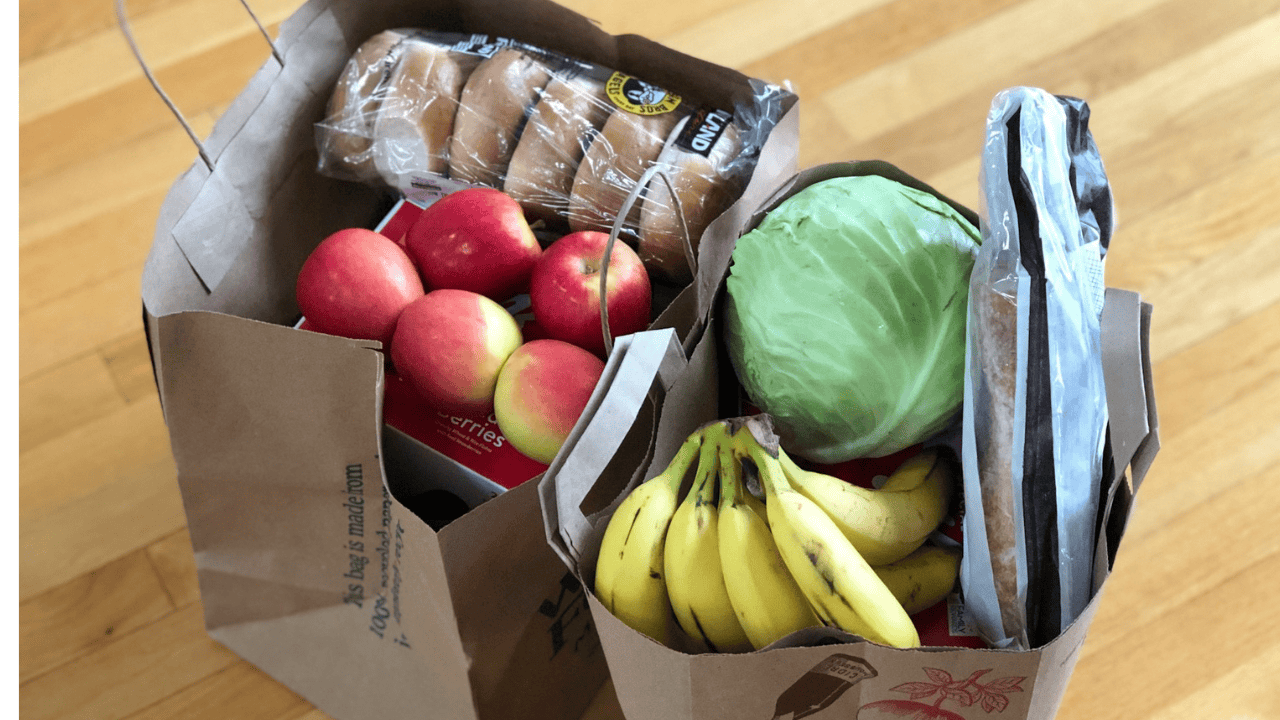
Walking into the store without a list seems flexible, but it leads to impulse buys and forgotten essentials. You end up spending more and wasting food.
Planning a few meals before you go makes shopping faster and smarter. You’ll save money, reduce food waste, and always know what’s for dinner.
Staying up late to catch up

Late nights feel productive until you realize you’re paying for them the next day. Your energy, patience, and decision-making tank, which makes everything harder.
Getting consistent sleep is the real productivity hack. You’ll handle tasks faster, think clearer, and avoid the cycle of catching up on rest all weekend.
Sorting by perfection instead of priority

Trying to make everything look perfect before you move on can make even small tasks drag out forever. You end up polishing details that don’t matter.
Focusing on progress instead of perfection keeps momentum going. Getting things done well enough beats getting them “perfect” but never finished.
Ignoring clutter because it’s tucked away

It’s easy to think your home’s organized if the clutter’s hidden behind cabinet doors or in bins. But if those spaces are jammed full, they’re not functional.
Decluttering storage areas first gives you room to breathe—and actually use your space. Out of sight doesn’t mean under control.
Doing everything yourself

Handling every responsibility alone might feel strong and independent, but it’s a fast track to burnout. Spreading yourself thin doesn’t help anyone long-term.
Delegating tasks—at home or at work—frees up your energy for what you do best. Asking for help isn’t weakness; it’s efficiency. The right kind of teamwork makes life a lot lighter.
*This article was developed with AI-powered tools and has been carefully reviewed by our editors.
Leave a Reply