It’s easy to convince yourself that something’s a “home essential.” You picture how nice it’ll look or how much easier it’ll make life. Then a few weeks later, it’s sitting untouched in a cabinet or shoved in the garage.
These kinds of purchases feel practical in the moment, but most end up taking up space and collecting dust instead of actually helping your home run better.
Fancy cleaning gadgets
You know the ones—automatic mops, robot vacuums, or high-end scrubbers that promise to do the hard work for you. They sound like a dream until you realize they take longer to set up, clean, and maintain than it would to grab a regular mop and bucket.
Most of these tools only work well on specific surfaces, and once they get clogged or stop charging, they’re done. A sturdy broom and a decent mop will always outlast something powered by a charger.
Decorative baskets and bins
Baskets look great in the store. You tell yourself they’ll make your home feel organized, but they often turn into clutter containers instead. Before long, you’re tossing random odds and ends into them and forgetting what’s inside.
Instead of buying more “pretty storage,” focus on actually decluttering first. You might realize you don’t need more bins—you need fewer things.
Specialty kitchen gadgets
Everyone’s got one of these hiding in the back of a cabinet. A quesadilla maker, avocado slicer, or mini waffle iron that seemed useful at the time but barely sees daylight. They’re fun in theory but usually more trouble than they’re worth.
Stick to multipurpose tools. A sharp knife, cast iron skillet, and baking sheet can handle nearly every cooking job. You’ll save space and actually use what you own.
Trendy décor pieces
That oversized wall sign or sculptural vase might look great online, but real life is a little different. Once the trend passes or you redecorate, it becomes an awkward leftover that doesn’t fit anywhere.
Timeless pieces—like solid wood furniture, neutral curtains, and simple light fixtures—tend to last longer both in quality and style. Trends fade fast, but classic looks always feel pulled together.
Extra throw pillows and blankets
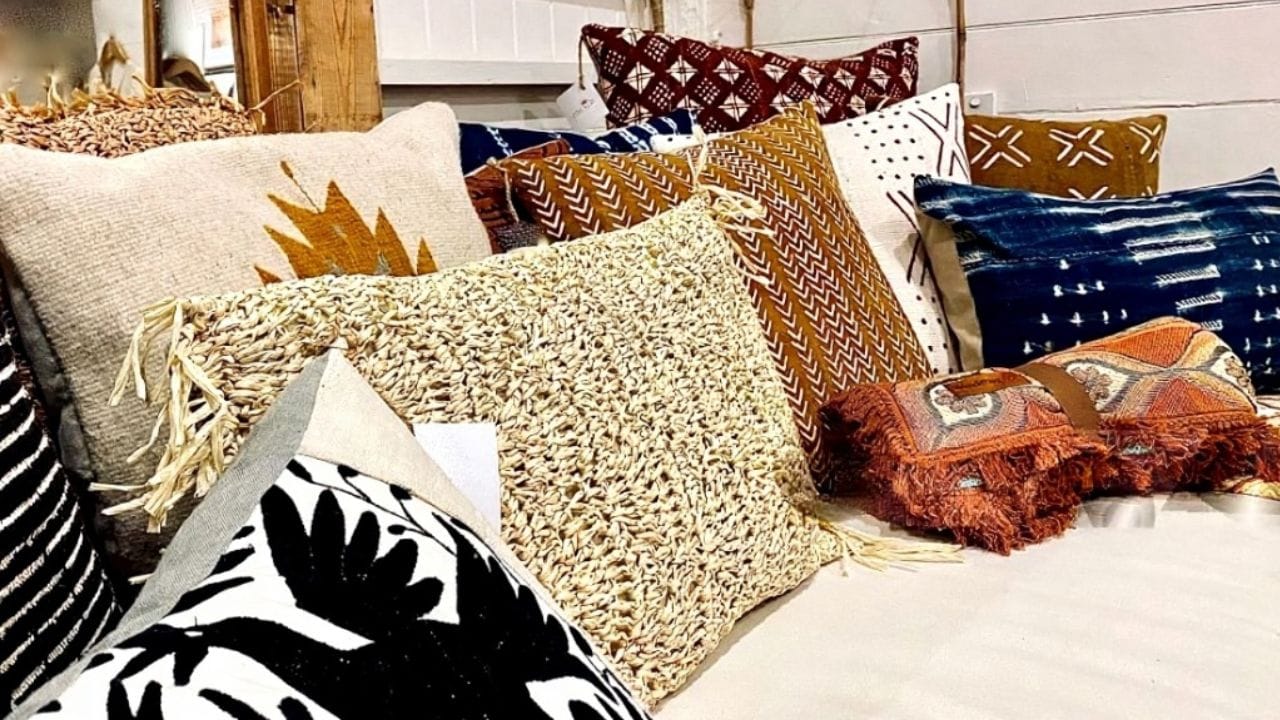
You think one more pillow will “finish the look,” but after a while, your couch turns into a mountain of fabric no one wants to sit on. Extra blankets pile up too, especially when you find one on sale and can’t resist.
Keep the ones you actually use and donate the rest. Having fewer items out makes your home feel calmer and easier to clean, and you’ll actually enjoy the pieces that stay.
Small appliances you forget about
Air fryers, bread makers, and smoothie blenders all have their moment. But after the novelty wears off, most end up tucked away. They’re bulky, hard to clean, and take up valuable counter space.
If you haven’t used it in a month, it’s probably not a daily essential. Only keep appliances that earn their spot—meaning you’d notice if they disappeared.
Home workout gear
A yoga mat and a few dumbbells can be great investments. But treadmills, stationary bikes, or trendy workout gadgets often become expensive coat racks. The motivation fades faster than the payment plan ends.
If you prefer to exercise outdoors or at a gym, stop trying to force a home setup. There’s no sense in storing something you don’t use when walking shoes and bodyweight workouts do the same job.
Matching bathroom sets
Coordinated soap dispensers, toothbrush holders, and tissue box covers look neat for about a week—until toothpaste splatters and water spots take over. Then you’re left with more to clean and refill than necessary.
Stick with durable, easy-to-wash items instead. Function matters more than perfect matching when it comes to spaces you use multiple times a day.
Scent diffusers and decorative candles

These seem like harmless little luxuries, but they add up fast and often go unused. You light one a few times, then forget about it until it collects dust or loses its scent.
If you like a fresh-smelling home, open the windows or boil some citrus peels and herbs on the stove. It’s cheaper, healthier, and does the job without constant replacements.
Over-the-door organizers
In theory, they make use of “wasted space.” In reality, they rattle, block doors from closing, and end up holding things you never actually need. Once they start bending out of shape or snagging, they’re more frustrating than helpful.
If you need more storage, rethink layout instead of stacking solutions on top of problems. True organization starts with removing what doesn’t belong—not buying more stuff to hide it.
The next time you catch yourself saying, “It’s for the house,” take a second to think about whether it’ll really be used—or if it’ll end up being one more thing to move, clean, or store. That quick pause is what keeps your money working for you, not against you.
*This article was developed with AI-powered tools and has been carefully reviewed by our editors.
Leave a Reply