
10 Things I Stopped Doing That Saved Me $100/Month
Saving money often comes down to changing habits rather than making big sacrifices. When I looked closely at where my money was going, I realized a lot of small, repeat expenses were adding up quickly. By cutting back on things that didn’t add much value, I freed up over a hundred dollars every month without feeling like I was missing out. These are practical shifts anyone can make, and over time, they really add up.
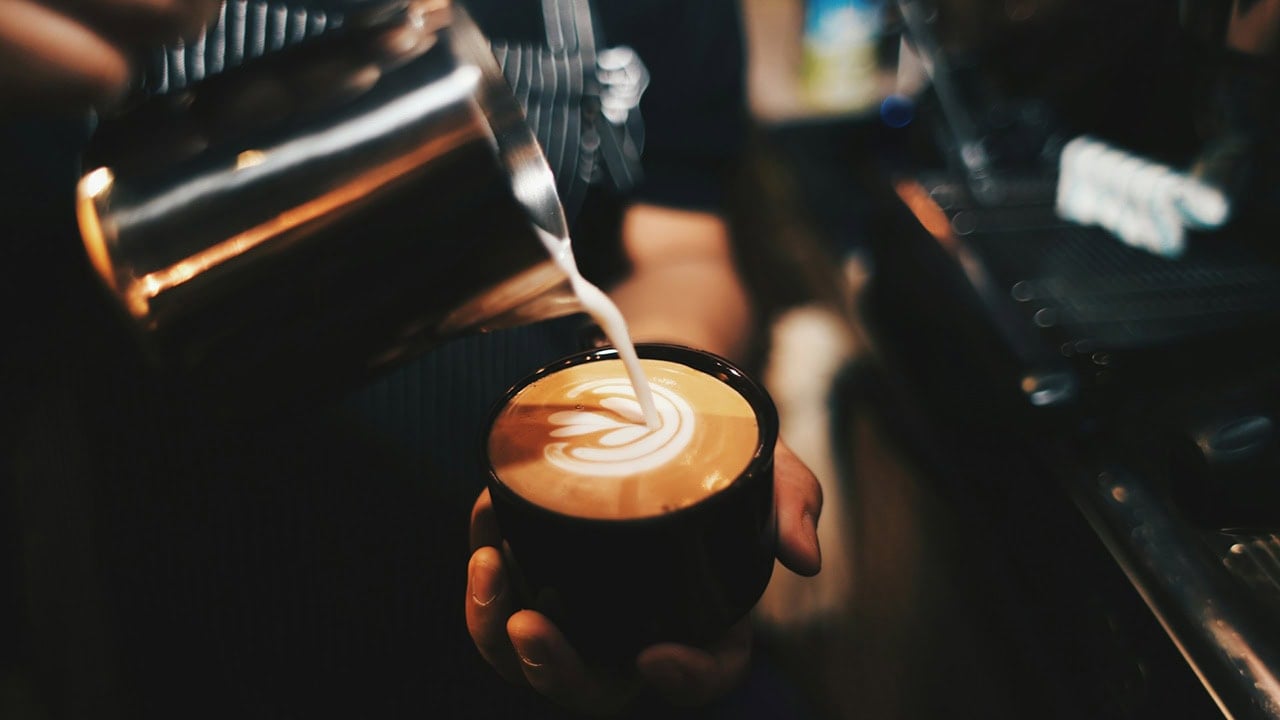
Buying Coffee Out Every Day

Daily coffee runs add up faster than you think. At $3 to $5 a cup, that’s more than $60 a month without even realizing it.
Making coffee at home became part of my morning routine. It wasn’t about giving up caffeine—it was about not draining my budget on something I could make for pennies.
Paying for Unused Subscriptions

Streaming services, apps, and memberships quietly charge your card whether you use them or not. I noticed I was paying for things I hadn’t logged into in months.
By canceling the extras, I cut out nearly $30 a month. Now I only keep the services I actually use, and I still have plenty to watch or listen to.
Grocery Shopping Without a List

Walking into the store without a plan always led to impulse buys and wasted food. Those extras pushed my grocery bill higher than it needed to be.
By making a list and sticking to it, I saved at least $20 each trip. It also cut down on food waste since I was buying with intention.
Eating Takeout Multiple Times a Week

Ordering food for convenience added up to hundreds a month. Even cheap takeout is rarely less than $15 once fees and tips are included.
Cooking at home became a priority. I still order occasionally, but cutting back to once or twice a month saved me a big chunk of money without cutting out good meals.
Forgetting to Unplug Electronics

Leaving electronics and chargers plugged in wastes energy, even when not in use. It may not sound like much, but the “phantom load” adds dollars to your bill every month.
I started unplugging or using power strips for devices. My electricity bill dropped, and the savings showed up within the first cycle.
Paying for Premium Gas Without Needing It
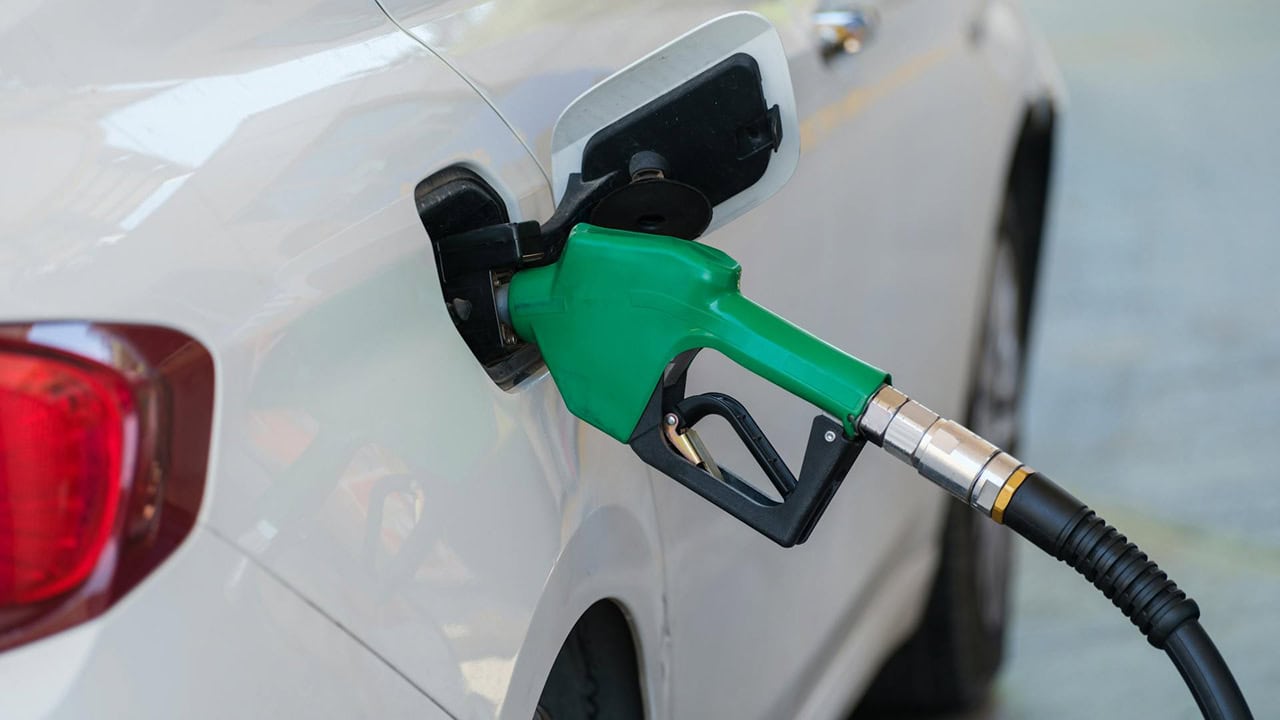
Not every car requires premium fuel, but I was filling up with it out of habit. The difference in price per gallon added up every month.
Switching to regular gas that fit my vehicle’s requirements immediately saved money without affecting performance. That small change added up to $20 or more each fill-up.
Buying Bottled Water

Grabbing bottled water on the go seemed convenient, but the cost stacked up. Even at $1 per bottle, it added up to $20 or more monthly.
I switched to a reusable bottle and filtered water at home. It’s cheaper, better for the environment, and far more convenient once you get used to carrying it.
Paying Late Fees

Late fees on bills or accounts are a waste of money. I used to forget due dates, and those extra charges piled on unnecessarily.
Setting up reminders and automatic payments stopped that cycle. Now I’m saving $10–$30 each month that would’ve gone straight to fees.
Shopping Out of Boredom

Scrolling online stores in my downtime led to impulse purchases. Even small orders added up over the course of a month.
By unsubscribing from retail emails and avoiding “browsing,” I cut that expense out. The difference in my bank account became obvious quickly.
Ignoring Price Comparisons

I used to grab items at the first store I saw them in. Whether it was groceries, gas, or household supplies, I wasn’t checking prices.
Now I compare before buying, and that habit alone saves $20–$40 a month. It takes a little more attention, but the savings are worth it.
*This article was developed with AI-powered tools and has been carefully reviewed by our editors.
Leave a Reply