
10 things I stopped buying that saved me $600 a year

Cutting back doesn’t have to mean doing without. Sometimes it’s just about getting smart with the stuff you don’t actually need—or don’t need as often as you thought. When I started paying closer attention to what I was throwing in the cart “just because,” I realized I was wasting a lot of money. Swapping a few habits added up fast, and by the end of the year, I had saved over $600 without feeling like I was missing anything. These are the changes that actually made a difference.
Paper towels
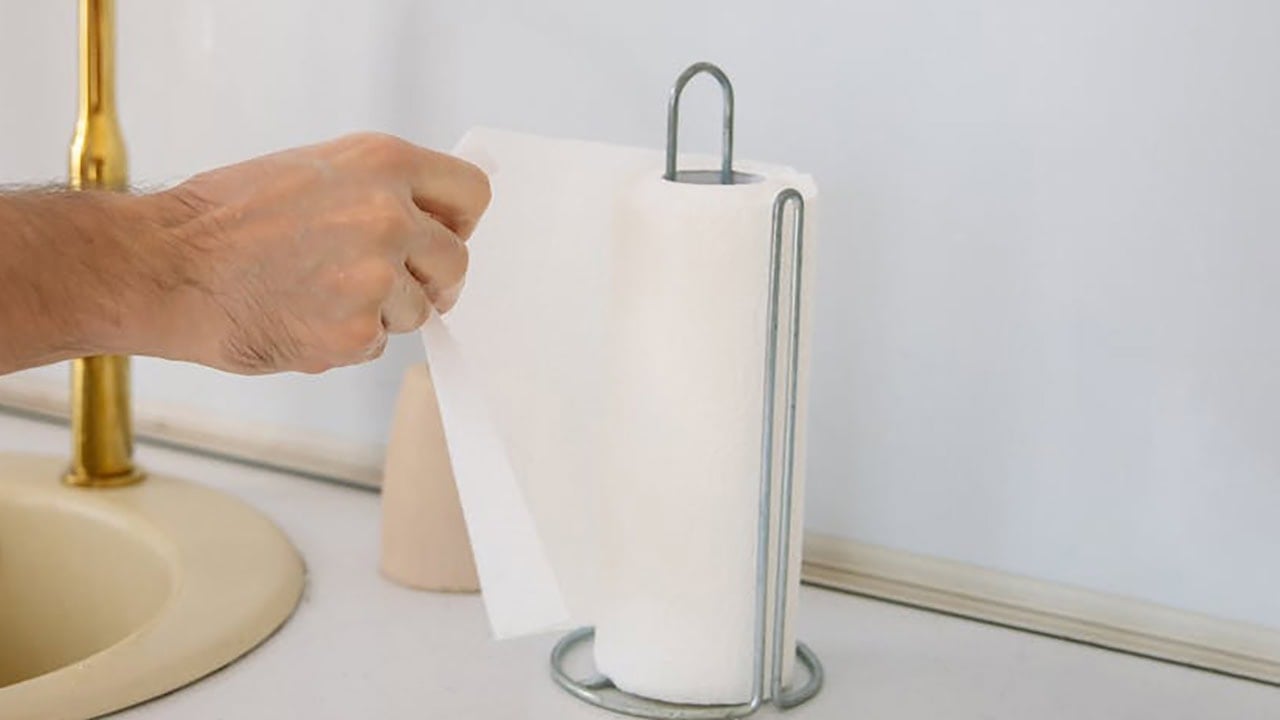
Paper towels were one of those things I didn’t think twice about until I realized how fast we went through them. Between cleaning up spills, drying hands, and wiping counters, we were burning through several rolls a week.
I swapped them for rags, dishcloths, and old t-shirts cut into squares. Now I keep a basket of clean ones under the sink and toss the used ones in a small bin until laundry day. It’s way cheaper, and honestly, it cleans better too.
Dryer sheets

I used to grab dryer sheets every month out of habit. But they’re a recurring expense that adds up quick, and they’re not even necessary. I switched to wool dryer balls and haven’t looked back.
Wool balls last for years, don’t have any fake fragrance, and help clothes dry faster, which saves even more on electricity. You can add a drop of essential oil if you miss the scent. After the switch, I saved over $50 a year just from this one swap.
Bottled water

Bottled water used to be our fallback for outings, car rides, or quick errands. But at a few bucks per case—multiple times a month—it started to add up fast.
I grabbed a few reusable bottles and filled them before heading out. It’s better for the environment and definitely better for the budget. Even with a good quality water filter at home, I’m saving at least $10–15 a month by skipping bottled water altogether.
Store-bought cleaning sprays
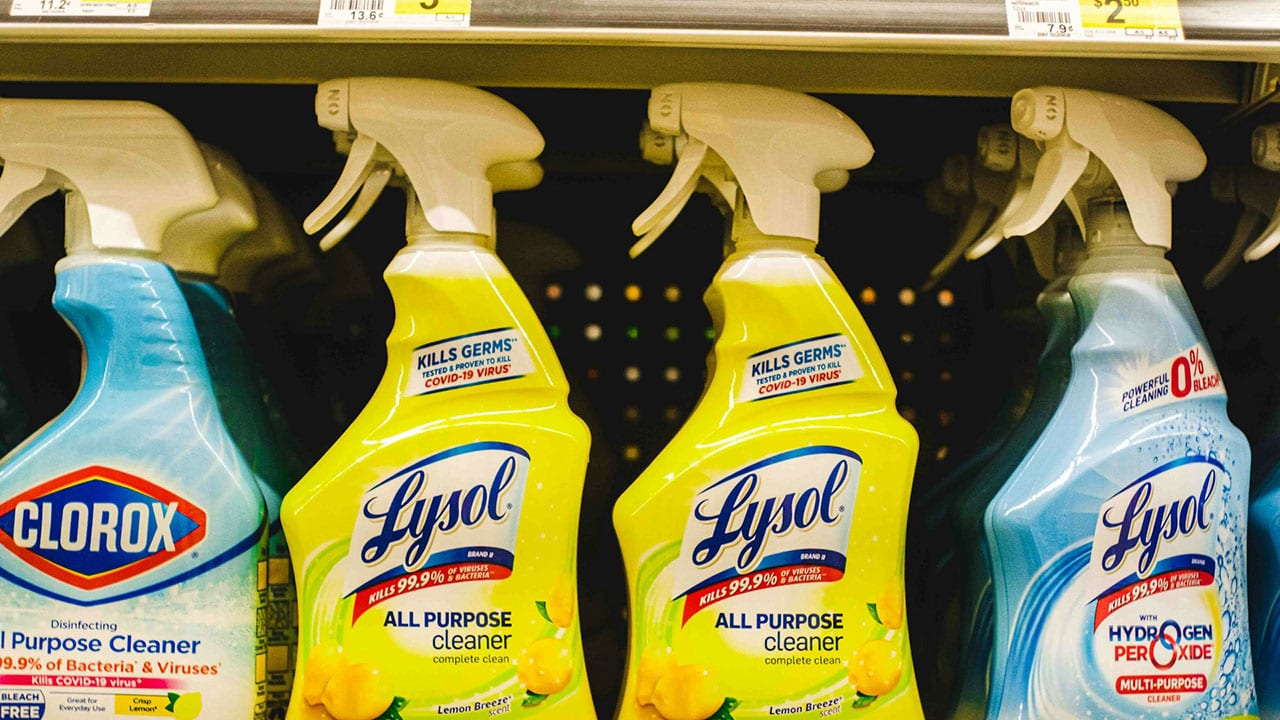
I used to buy a different cleaner for every surface—glass cleaner, kitchen degreaser, bathroom spray, and so on. But most of them are overpriced and full of water anyway.
Now I mix up my own with vinegar, dish soap, and water. I keep one spray bottle in the kitchen and one in the bathroom. It works, it’s safe, and I spend maybe a few bucks a year on ingredients instead of $5–7 per bottle every month or two.
Fabric softener
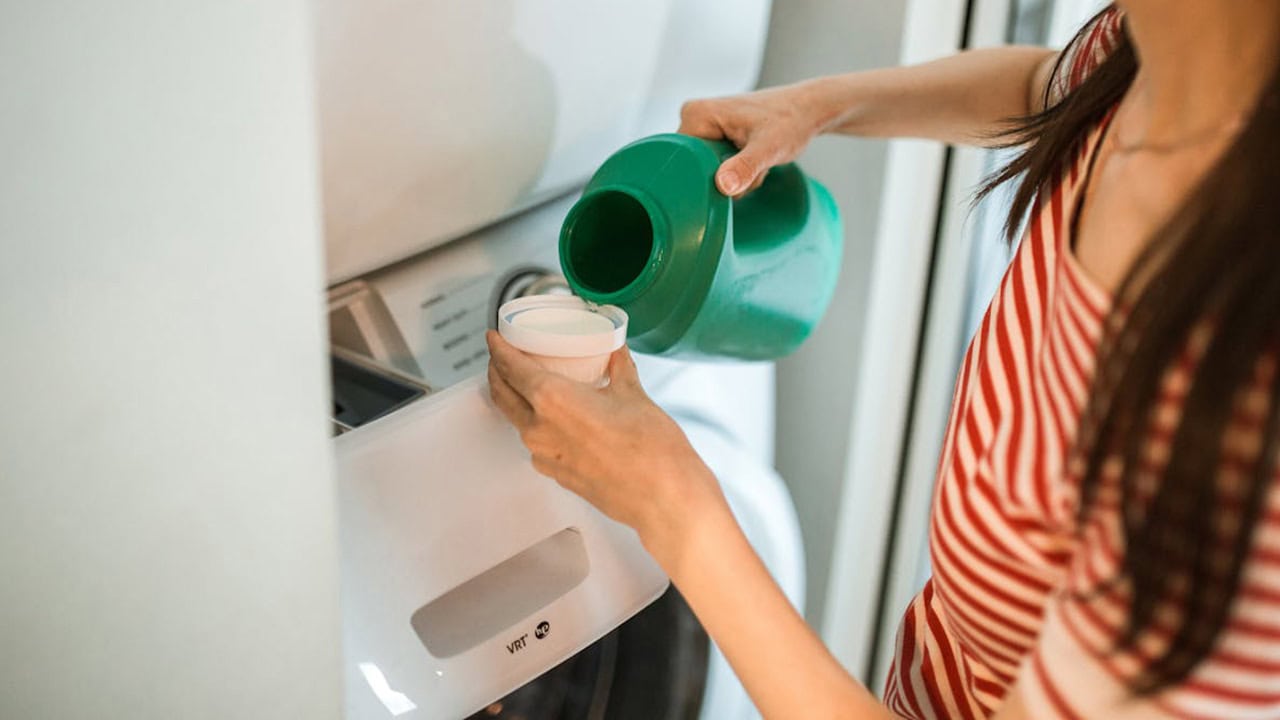
Much like dryer sheets, fabric softener feels like a necessity until you stop using it. I cut it out after noticing it was making towels feel coated instead of soft.
Now I use vinegar in the rinse cycle when I want something extra. It softens the fabric, helps rinse out soap, and keeps the washer cleaner too. It’s cheap, effective, and one less bottle I have to keep restocking.
Disposable mop pads

I used to go through those disposable Swiffer-style mop pads every week. They’re convenient but wasteful, and the cost sneaks up on you—especially when you’re using multiple for a single clean.
I switched to a reusable microfiber mop and a spray bottle of cleaner. The pads go right in the wash and hold up well. I’ve saved over $100 a year just by making that change, and my floors are just as clean.
Cheap seasonal décor

Target dollar section used to get me every time. I’d grab cute seasonal signs, towels, or knickknacks without thinking—and then do it all over again three months later.
Now I stick to a few versatile staples I rotate year-round and save seasonal touches for things I actually need. It’s less clutter and more money in my pocket. Skipping the “cute but useless” buys shaved a good chunk off my spending.
Pre-cut produce
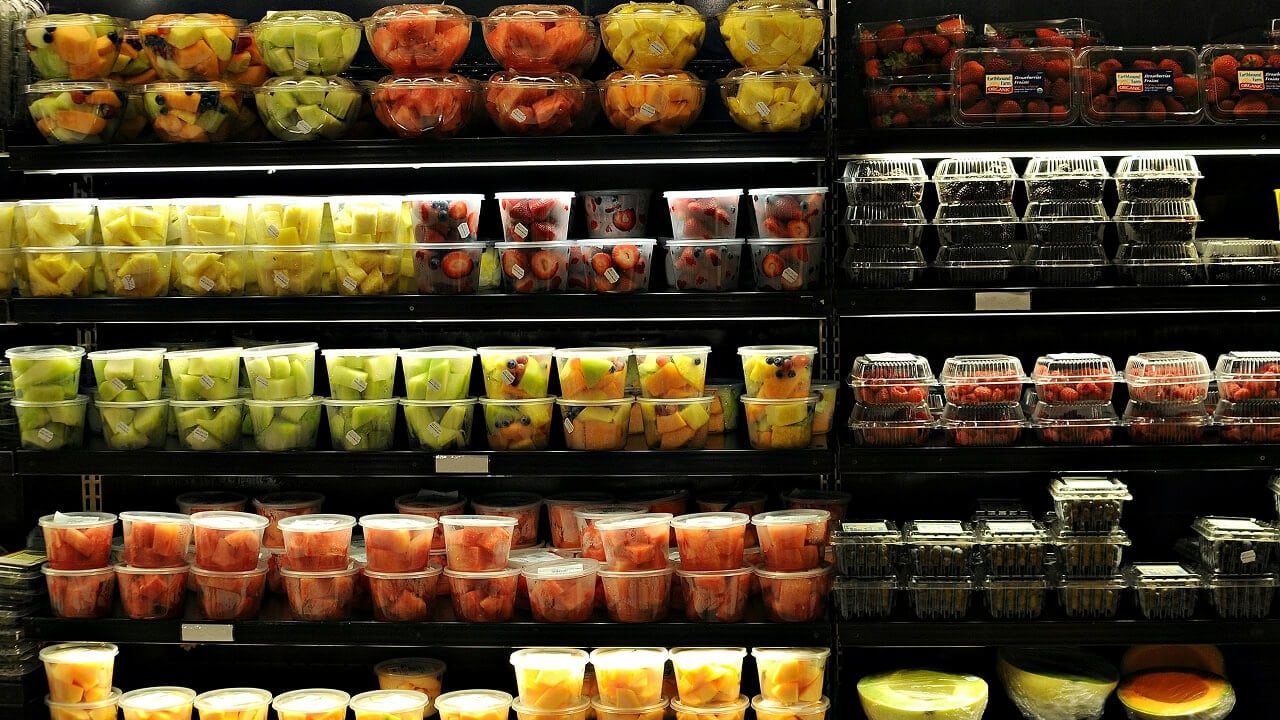
Buying pre-cut fruits and veggies was a habit I justified for convenience, especially during busy weeks. But it’s almost always marked up double—or more—than whole produce.
Now I prep everything myself as soon as I get home from the store. It takes a little more time upfront, but it saves at least $5–10 per trip. That’s hundreds of dollars a year back into my grocery budget without sacrificing fresh food.
Single-use beauty items

Things like face wipes, pore strips, and sheet masks used to fill my bathroom drawer. They’re fun now and then, but using them regularly was costing me way more than I realized.
Now I focus on a basic skincare routine with reusable cotton rounds and products that actually last. My skin is happier, and so is my budget. Those impulse buys can really drain you over time if you’re not careful.
Subscription trials I forgot to cancel

I signed up for more free trials than I want to admit—streaming, fitness apps, shopping perks—and then forgot to cancel. Some billed monthly, others yearly, but either way, it hurt.
Now I track trial sign-ups in my phone and cancel the ones I know I won’t use. I also stopped signing up “just to see” unless I have a real plan for it. Avoiding these has saved me well over $100 a year and a lot of frustration.
*This article was developed with AI-powered tools and has been carefully reviewed by our editors.
Leave a Reply