
10 things I prep in fall to save money all winter

When cold weather hits, costs go up fast. Heating bills rise, repairs sneak in, and little oversights can add up to hundreds of dollars. The good news is, a lot of that can be prevented if you get ahead of it in the fall.
Prepping before winter sets in doesn’t have to be complicated—it’s about tackling small things that save money, energy, and stress once the season kicks in. These are the fall habits that keep my winter budget from spiraling.
Seal Drafts Around Windows and Doors
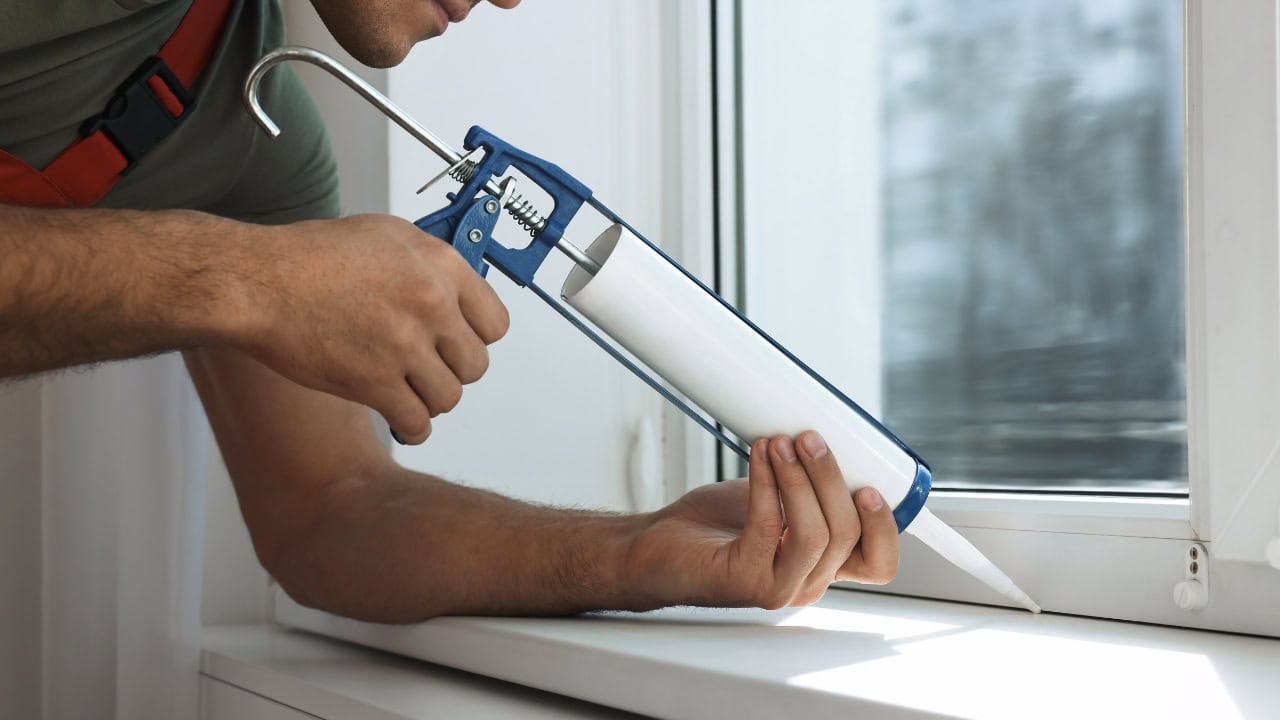
A tube of caulk and a roll of weatherstripping can cut down on heating costs more than you think. Even small drafts let heat escape, making your system work harder and costing you extra every month.
Taking a weekend to walk through your house and seal gaps is one of the cheapest ways to prep. It’s quick, easy, and pays you back every time you turn on the heat.
Clean Out the Gutters
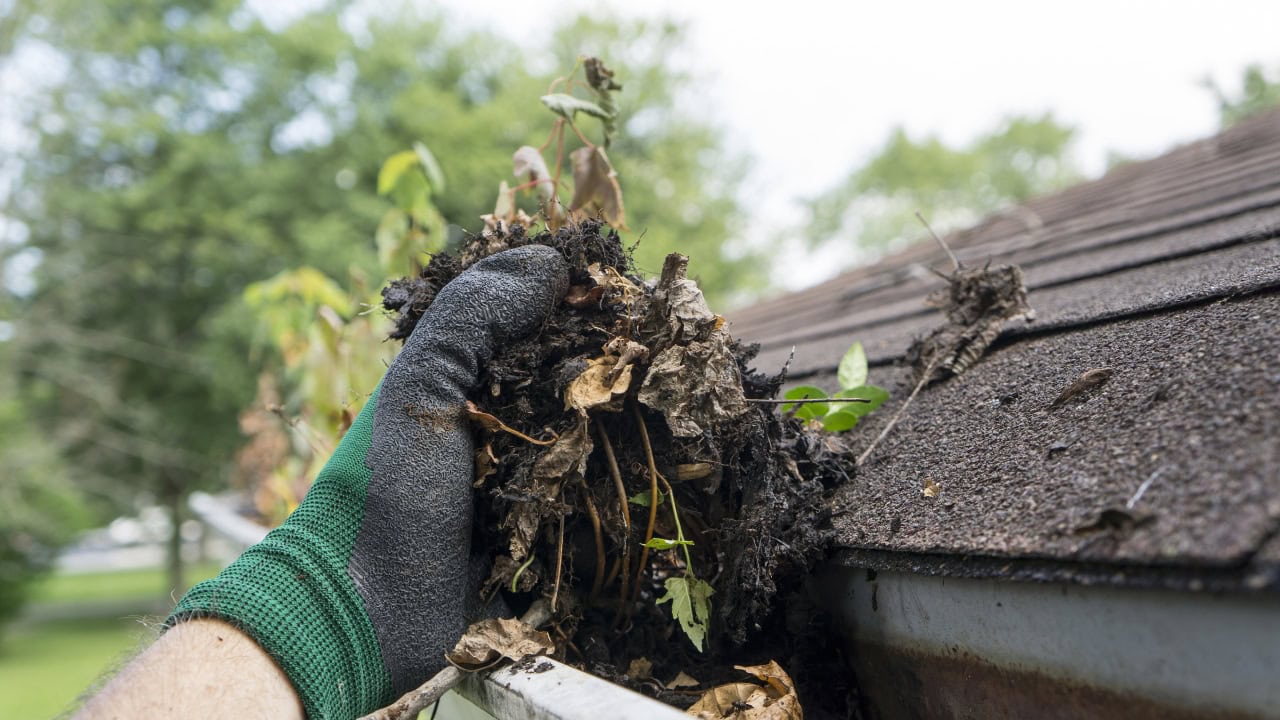
Clogged gutters can cause water to pool, freeze, and eventually damage your roof or siding. Those repairs can run into the thousands, and all it takes is an afternoon of cleaning to avoid it.
By keeping water flowing away from your house, you also protect your foundation. A $20 gutter scoop or blower attachment is a lot cheaper than a flooded basement.
Service the Heating System
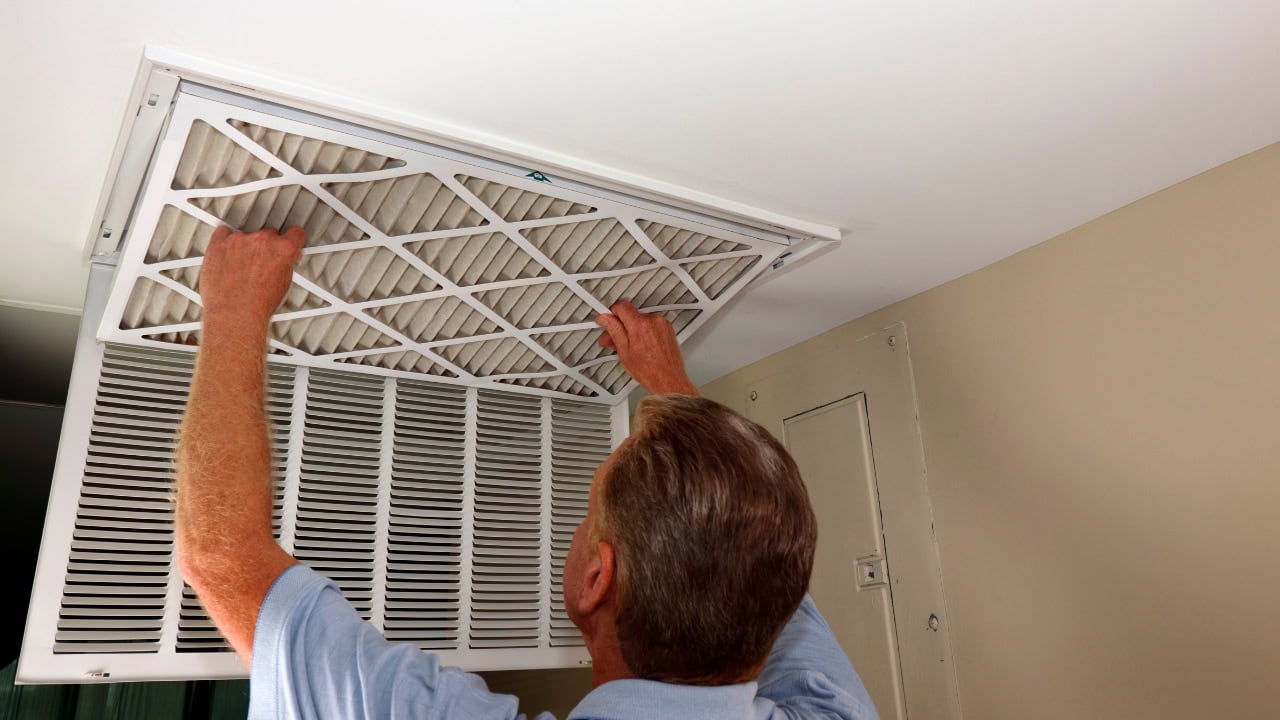
A furnace that hasn’t been checked can run inefficiently, break down, or even pose safety risks. Scheduling a tune-up in the fall makes sure it’s ready to handle the winter load.
Replacing filters regularly also helps lower heating costs. The cleaner the system, the less energy it wastes, and the more consistent your home stays in cold weather.
Stock Up on Firewood Early
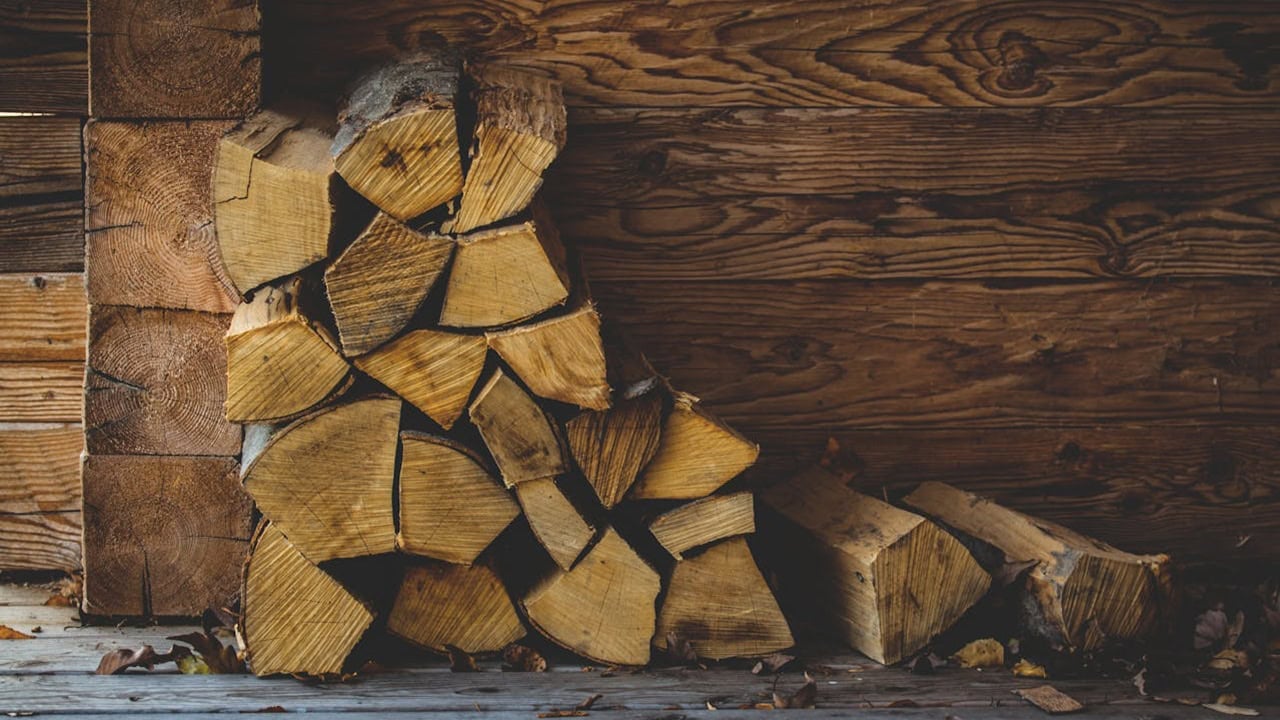
If you heat with wood, buying or cutting firewood before winter saves money and stress. Prices go up when demand spikes, and scrambling in the snow isn’t ideal.
Stacking it early also gives the wood time to dry if it’s not fully seasoned. Dry wood burns hotter and cleaner, keeping you warmer and saving you from wasting fuel.
Reverse Ceiling Fans
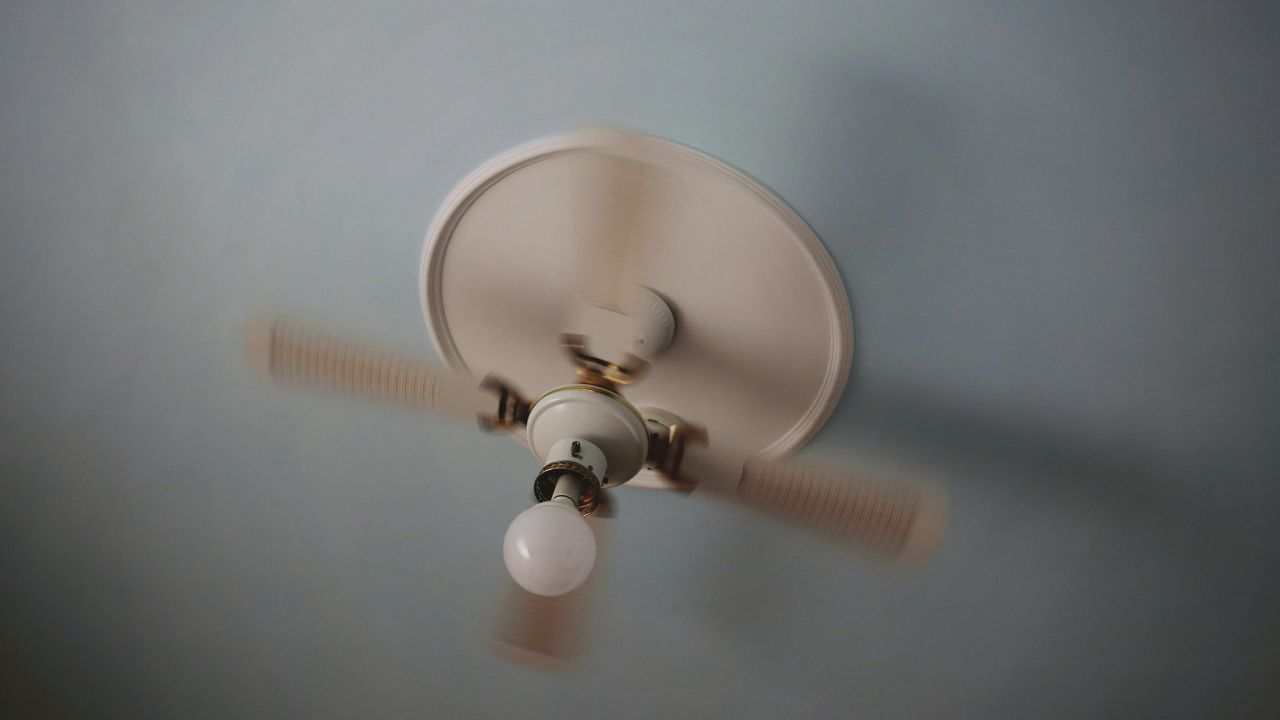
Most ceiling fans have a switch that lets them run clockwise, pushing warm air back down into the room. It’s a small adjustment that can make heating more efficient.
By recirculating heat, you don’t have to crank up the thermostat as high. It’s one of those little tricks that costs nothing but makes a noticeable difference.
Winterize Outdoor Faucets
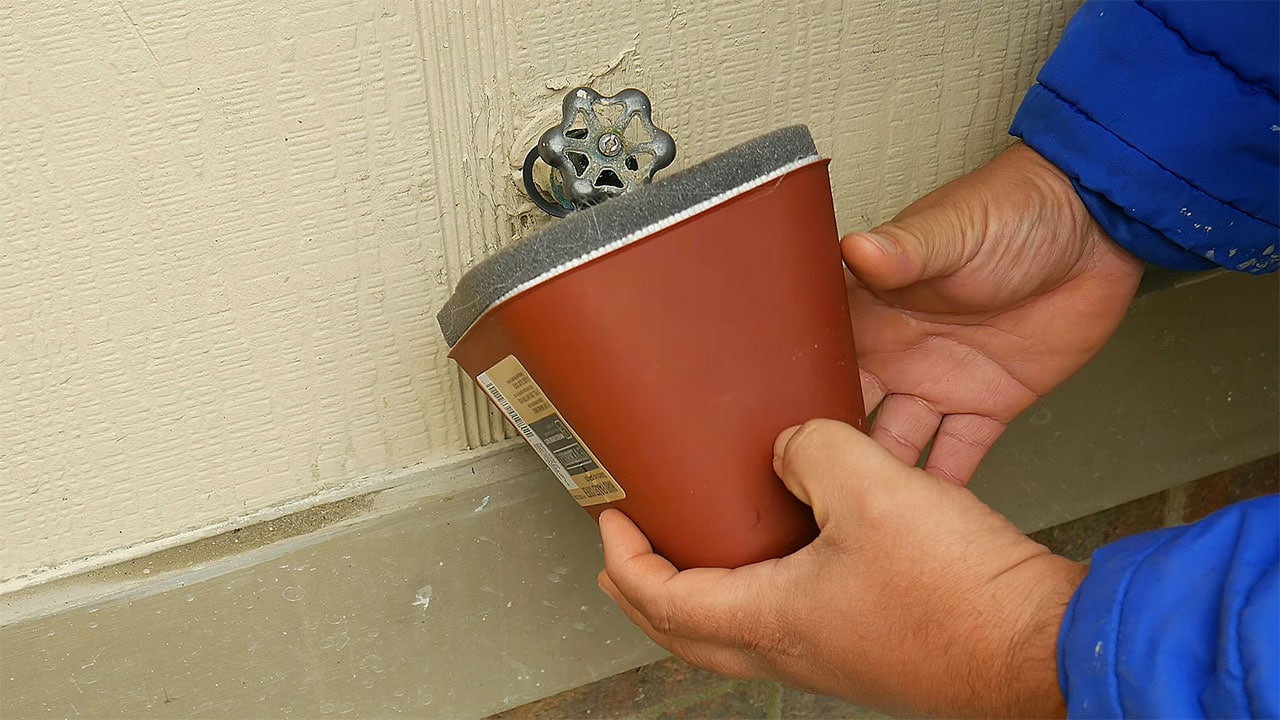
Leaving hoses attached or failing to insulate faucets is an expensive mistake. Frozen pipes can burst and lead to major water damage that’s costly to repair.
In the fall, disconnect hoses, drain them, and cover your spigots. A $5 faucet cover from the hardware store is a small investment that prevents a huge headache.
Add Insulation Where It Matters
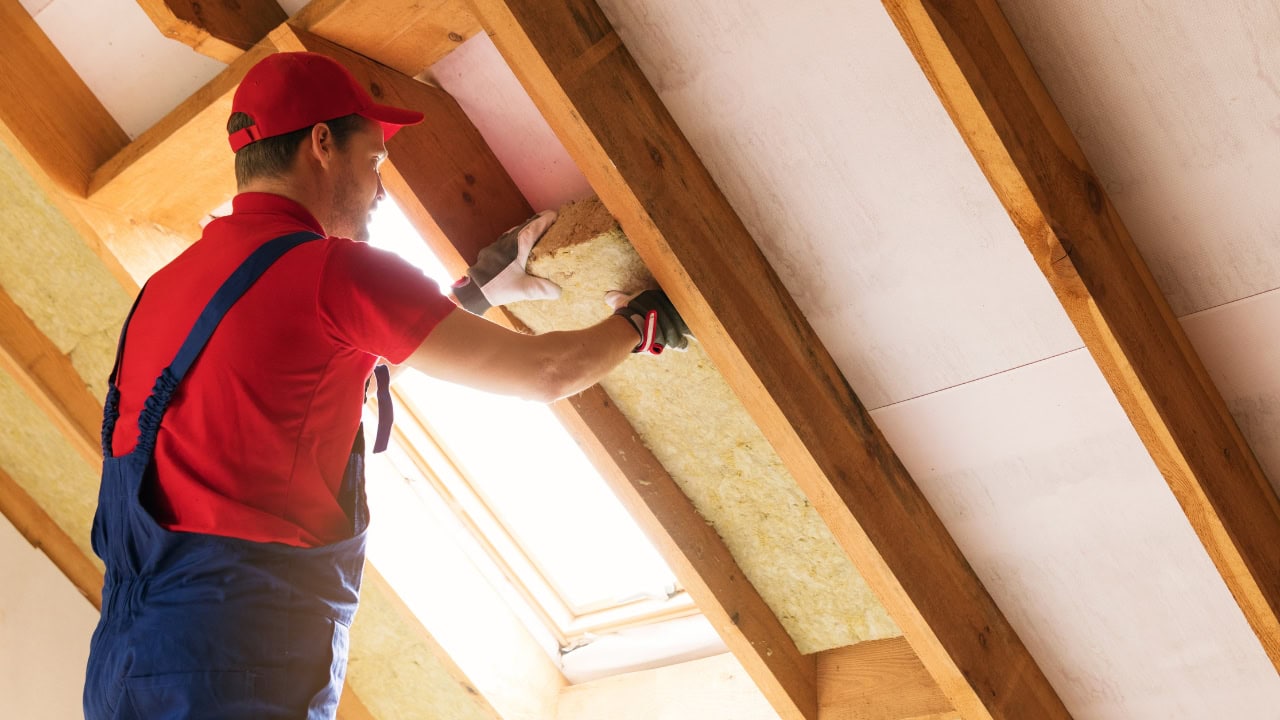
Attics and crawl spaces are often where homes lose the most heat. Even a few rolls of extra insulation can make a big difference in keeping warm air inside.
This prep lowers heating costs all season long and makes your house more comfortable. It’s one of the more hands-on tasks, but the savings are worth the effort.
Check Weatherproofing on the Barn or Shed
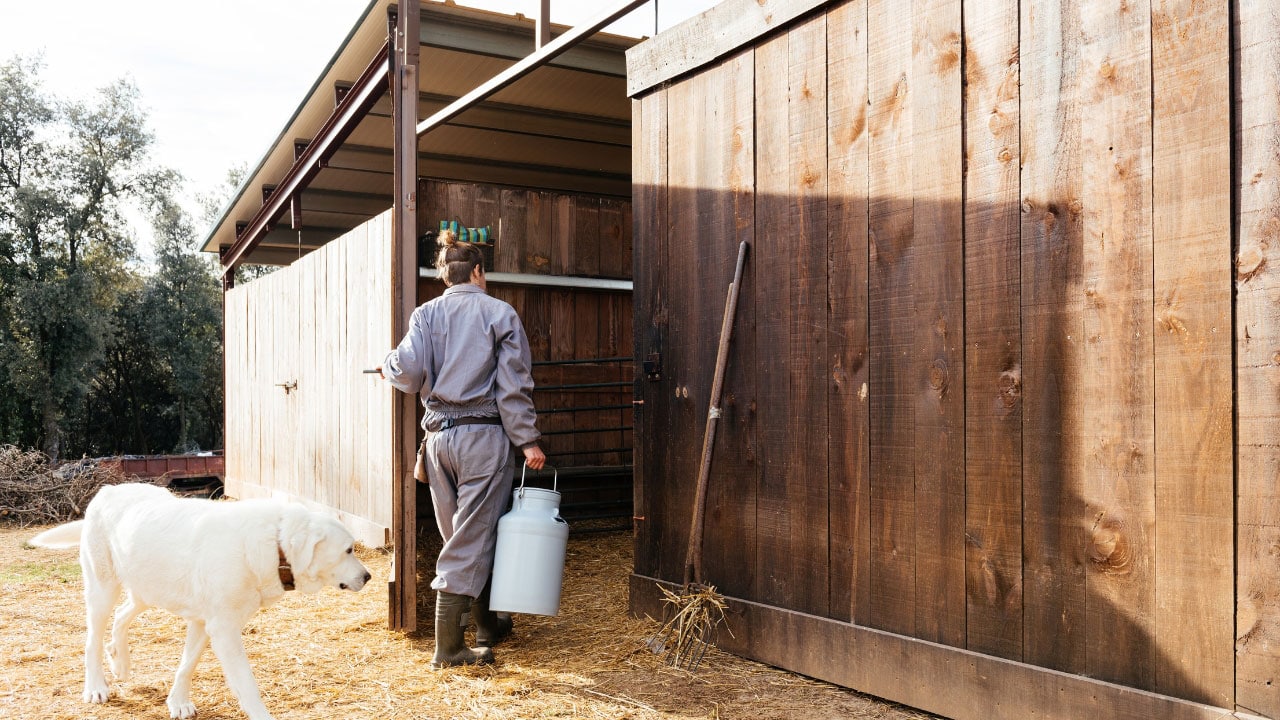
If you store feed, tools, or livestock supplies, keeping out drafts and leaks protects what you already own. Repairs in winter cost more when things freeze, crack, or rot.
A quick walk-through in the fall lets you spot weak spots before snow or ice makes them worse. A couple of boards or a tarp now can save hundreds later.
Prep the Car for Cold Weather
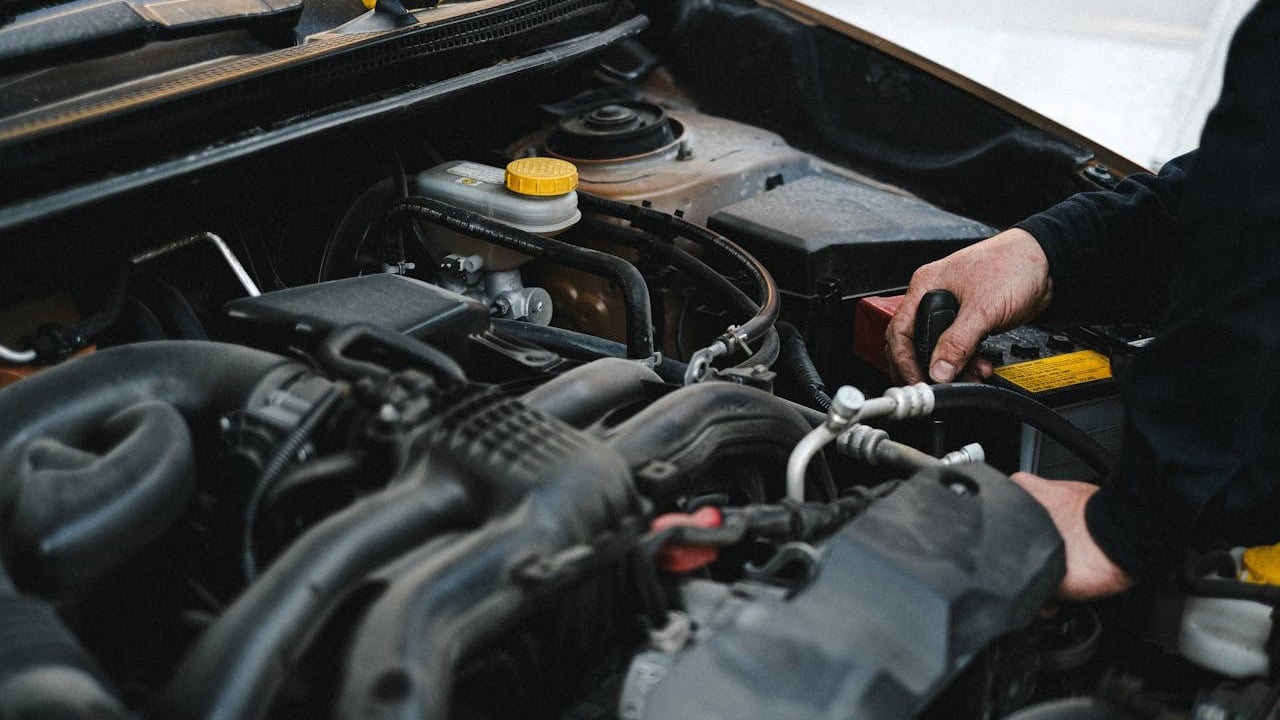
Cold snaps can drain weak batteries and make tires lose pressure. A quick checkup in the fall—battery, tires, fluids, wiper blades—prevents breakdowns and towing bills in the middle of winter.
It’s also smart to keep a small emergency kit in the trunk. A blanket, flashlight, and jumper cables can save money and stress if you get stuck.
Stock the Pantry for Winter Meals

Buying staples like rice, beans, and canned goods in the fall saves money when prices go up or bad weather makes trips harder. A stocked pantry keeps you from relying on expensive last-minute grocery runs.
It also makes it easier to cook at home instead of defaulting to takeout. The small effort of stocking up early pays off in lower food costs all winter.
*This article was developed with AI-powered tools and has been carefully reviewed by our editors.
Leave a Reply