
10 things I do now that helped me sleep better

Sleep doesn’t always come easy, especially when stress or busy routines keep your mind running at night. But better rest isn’t always about buying supplements or expensive gadgets. A lot of times, small changes in your daily habits make the biggest difference.
By adjusting your evenings and setting up your environment the right way, you can improve both the quality and length of your sleep. Here are some of the things you can start doing that actually help you rest better.
Keeping a Consistent Bedtime

Your body thrives on rhythm, and sleep is no different. Going to bed and waking up around the same time every day helps your internal clock settle into a pattern. Even if you don’t fall asleep right away, the consistency trains your body to expect rest at that time.
Cutting Off Caffeine Earlier

Caffeine lingers in your system longer than you think. Having coffee, tea, or soda too late in the day can keep you wired when it’s time to wind down. Stopping caffeine by early afternoon gives your body enough time to process it so you’re not tossing and turning later.
Limiting Screen Time Before Bed

The blue light from phones, tablets, and TVs signals to your brain that it’s still daytime. Scrolling or watching shows right before bed makes it harder to relax. Turning off screens at least 30 minutes before sleep helps your body produce melatonin, the hormone that signals it’s time to rest.
Making the Room Darker
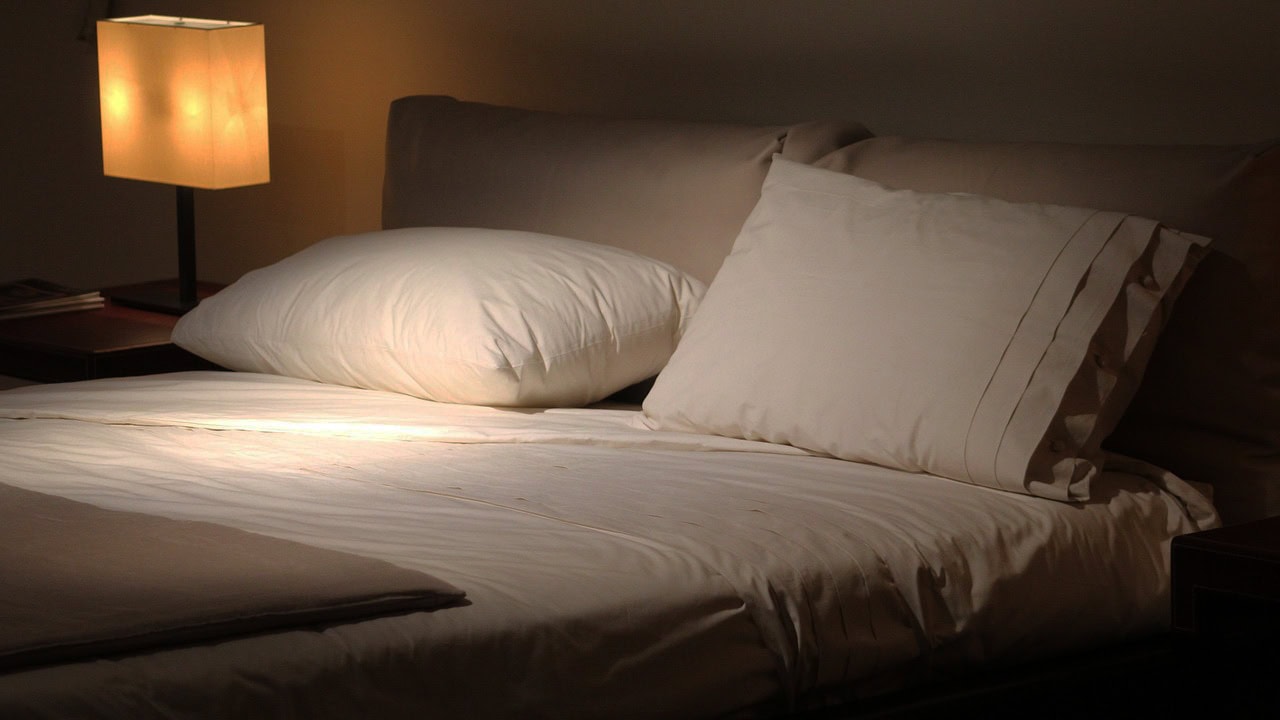
Your body sleeps best in darkness. Even small amounts of light from street lamps or electronics can disrupt deep sleep. Using blackout curtains, covering bright clock displays, and keeping the room dark signals to your brain that it’s safe to shut down fully.
Lowering the Room Temperature
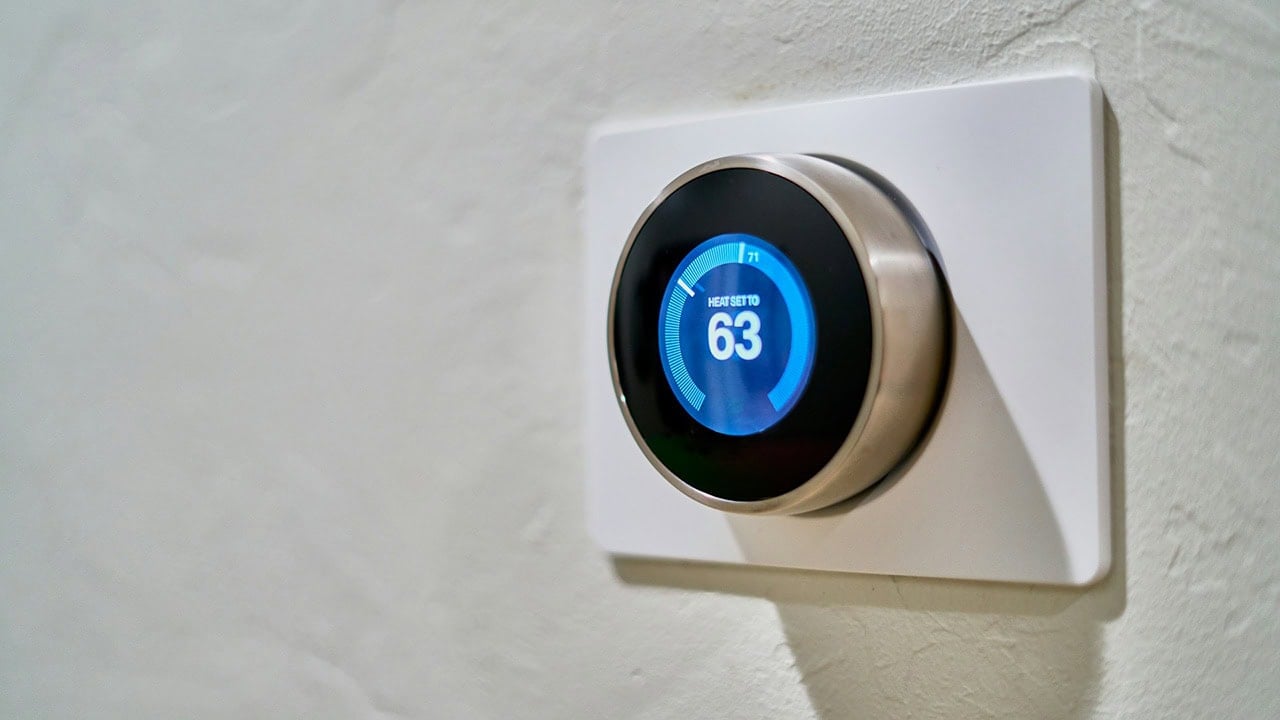
A cooler environment helps your body naturally fall asleep and stay asleep. Most people rest best in a room between 60 and 67 degrees. Even lowering the thermostat a few degrees or turning on a fan can make a noticeable difference in how quickly you drift off.
Avoiding Late-Night Snacking

Heavy or sugary snacks before bed can keep your digestive system active when it should be slowing down. If you get hungry late, stick to lighter foods like fruit or yogurt. Giving your body time to digest makes falling asleep easier and helps you sleep more soundly.
Creating a Wind-Down Routine

Having a routine that signals to your brain that the day is over makes it easier to fall asleep. That might be reading a book, journaling, stretching, or listening to calm music. Doing the same relaxing activities each night helps your body shift into rest mode naturally.
Exercising Earlier in the Day

Regular movement helps you sleep better, but the timing matters. A tough workout too close to bedtime can leave you restless and wired. Exercising earlier in the day helps regulate your energy levels, so when evening comes, your body is ready to relax.
Reducing Alcohol Intake at Night

While alcohol might make you sleepy at first, it actually disrupts deep sleep and causes more nighttime wakeups. Cutting back or skipping alcohol before bed leads to more restful, uninterrupted sleep. You’ll notice you wake up feeling more refreshed when you avoid it.
Using White Noise
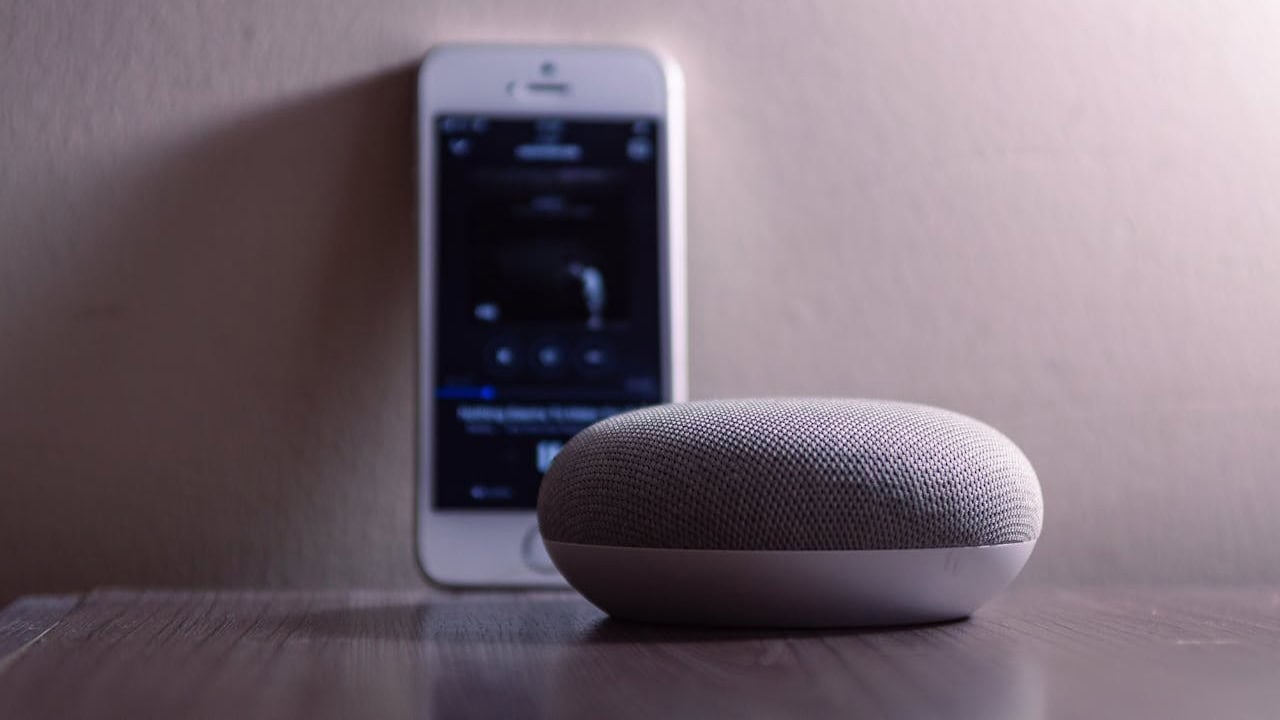
Background noise can block out disturbances that might wake you up in the night. A fan, white noise machine, or even a phone app can create a steady sound that helps your brain relax. This works especially well if you live in a noisy neighborhood or have light sleep.
*This article was developed with AI-powered tools and has been carefully reviewed by our editors.
Leave a Reply