
10 things I do monthly that keep repair costs low
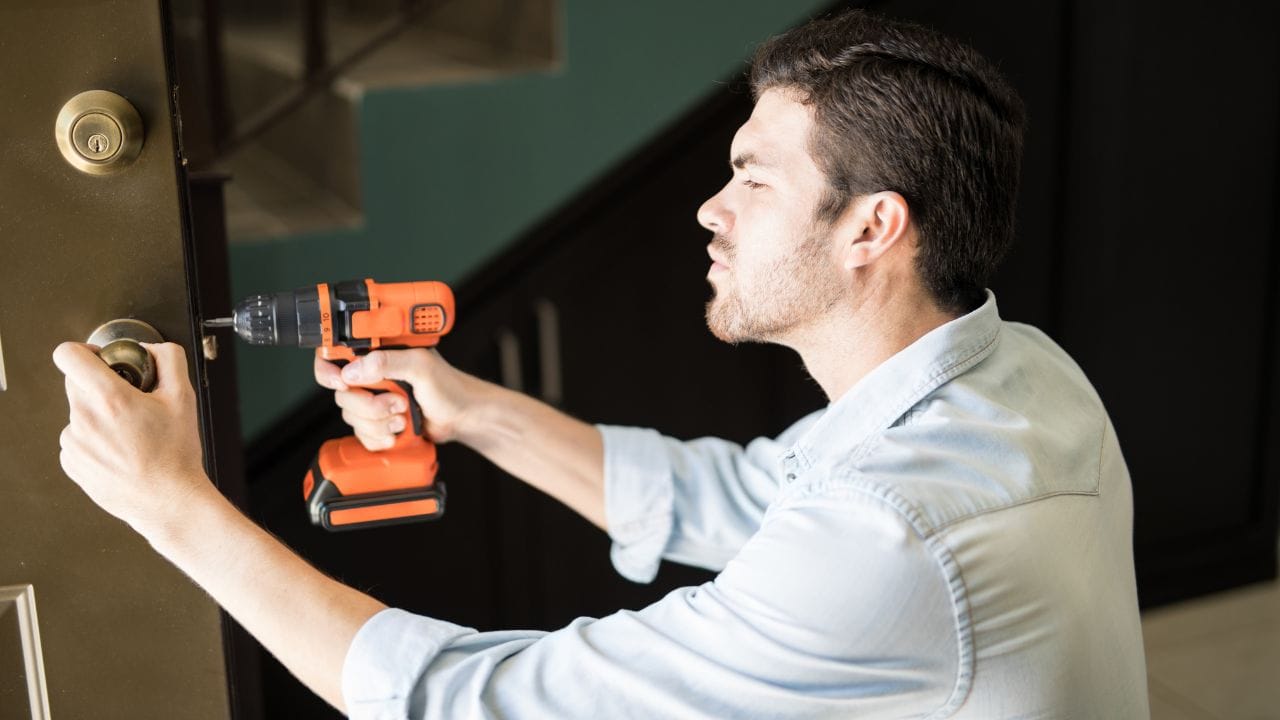
Staying ahead of repairs usually comes down to paying attention before things turn into expensive problems. A lot of big breakdowns don’t happen overnight—they build up from small issues that get ignored.
By making a habit of checking in on certain things each month, you can catch trouble early and save yourself a lot of money. These monthly habits don’t take long, but they go a long way in keeping your home, appliances, and vehicles running smoothly without surprise repair bills.
Checking HVAC filters
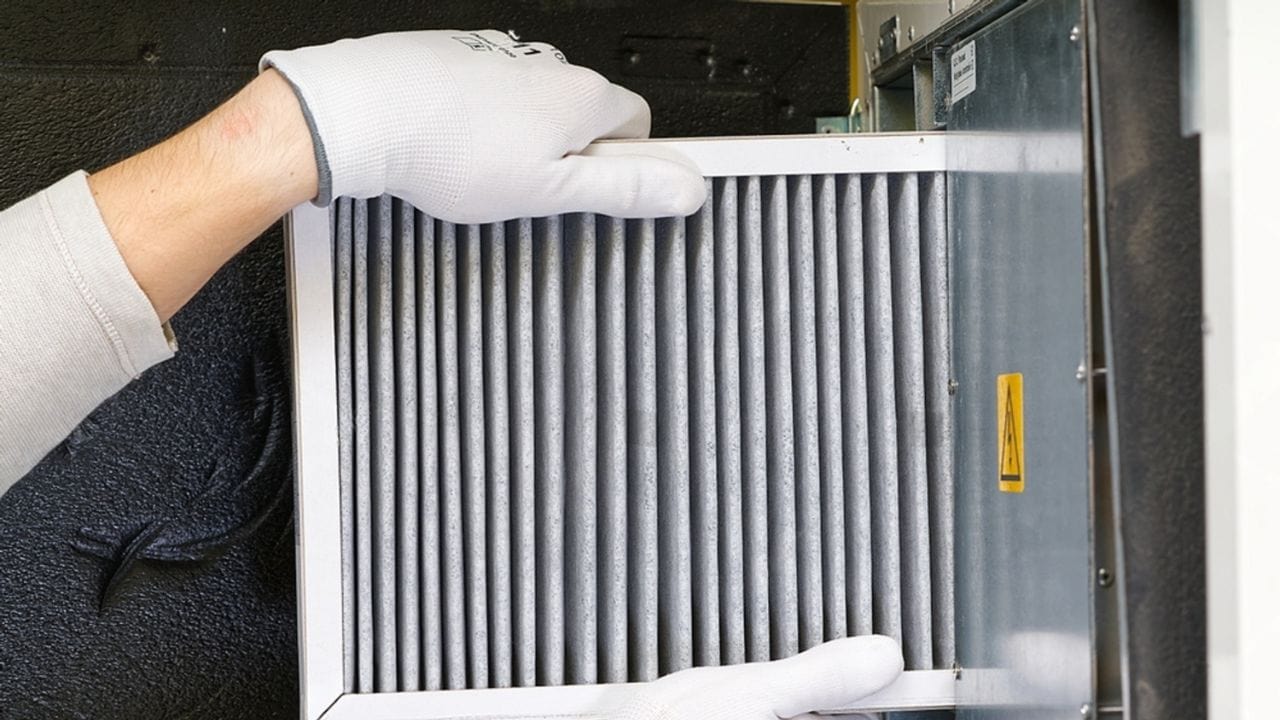
A dirty HVAC filter forces your system to work harder and can shorten its lifespan. Swapping or cleaning it once a month helps air flow properly and reduces strain.
It also keeps dust and allergens from circulating in your home. A couple of dollars for a filter each month is far cheaper than dealing with a burnt-out motor or rising energy bills.
Flushing the drains
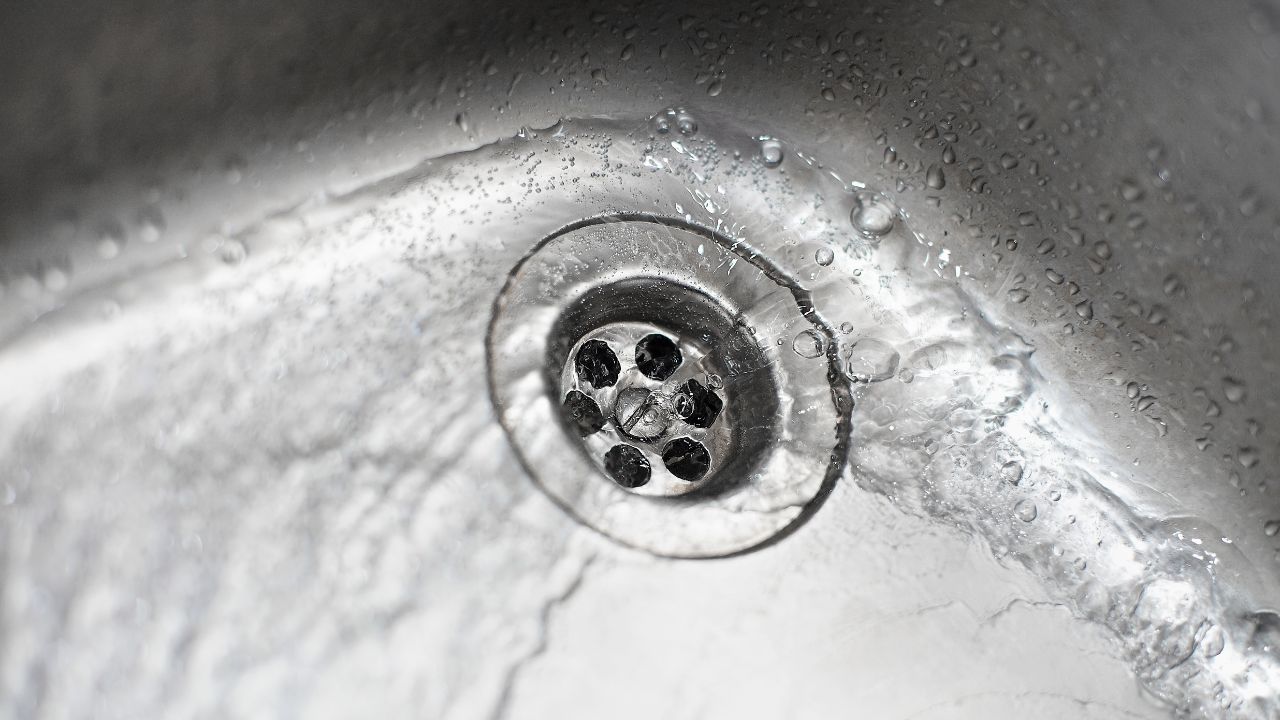
Pouring hot water or a safe cleaner down bathroom and kitchen drains once a month keeps buildup from becoming a clog. It’s quick but effective.
When you let gunk build up, you risk slow drains or even pipe damage that requires a plumber. Staying on top of it monthly prevents those calls and the big bill that comes with them.
Testing smoke and carbon monoxide detectors
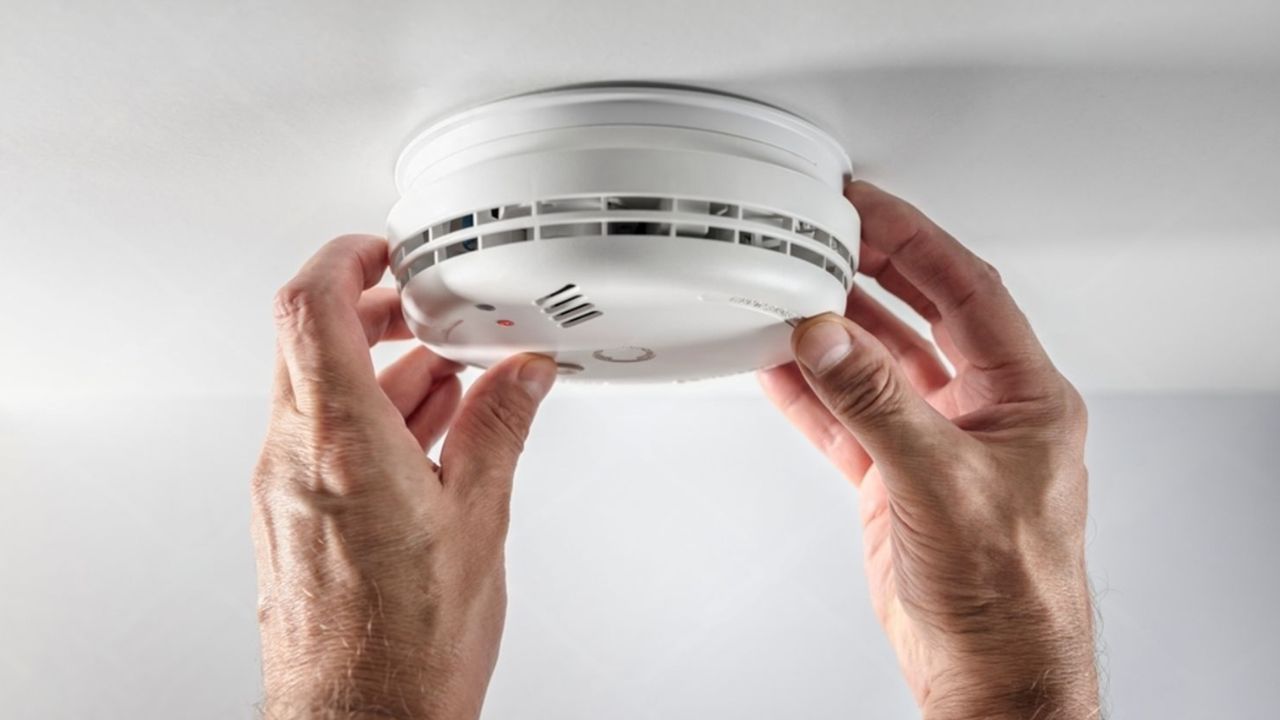
Pressing the test button on your detectors each month gives peace of mind and ensures they’ll work when you need them most.
Replacing a battery when it’s low is far cheaper than the risk of missing an alert during an emergency. It’s one of the simplest monthly habits that prevents costly—and dangerous—mistakes.
Inspecting under sinks
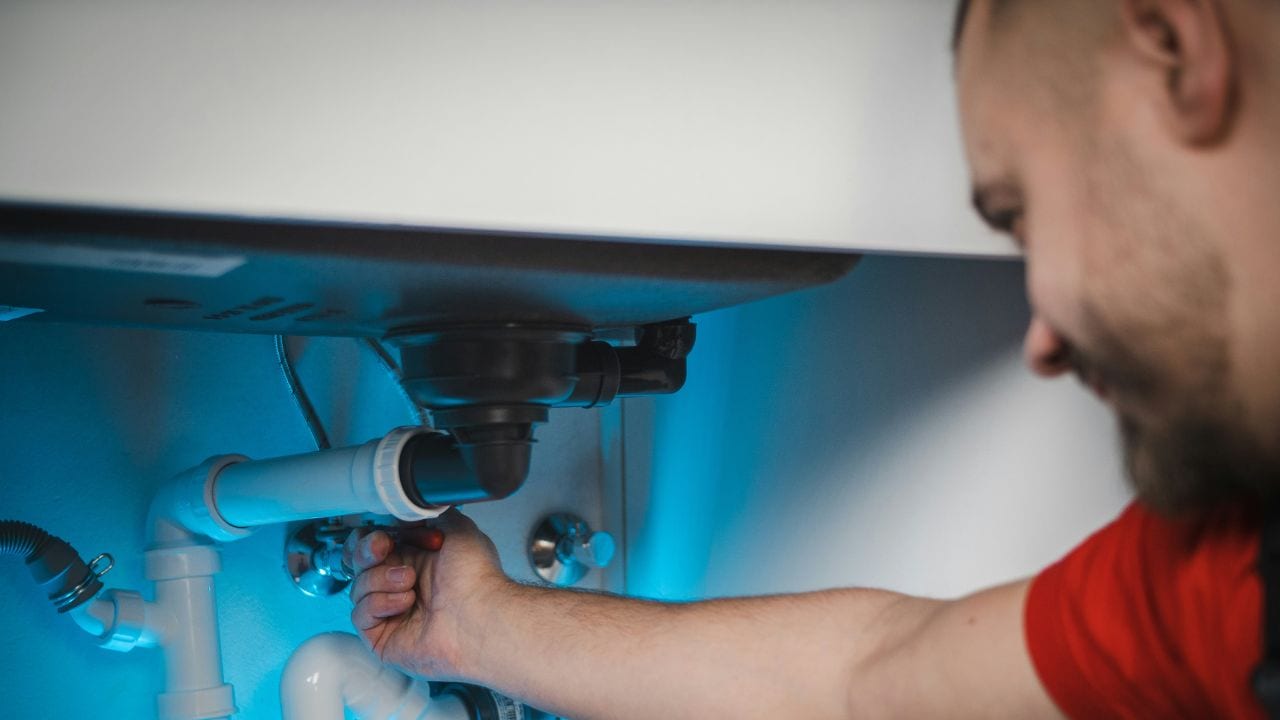
Water damage can be sneaky, and leaks often start small. Taking a minute to check under sinks once a month can save you from warped cabinets or mold.
Catching a drip early usually means tightening a fitting or replacing a small part. Waiting until it’s soaked everything often means hundreds of dollars in repairs.
Wiping appliance seals
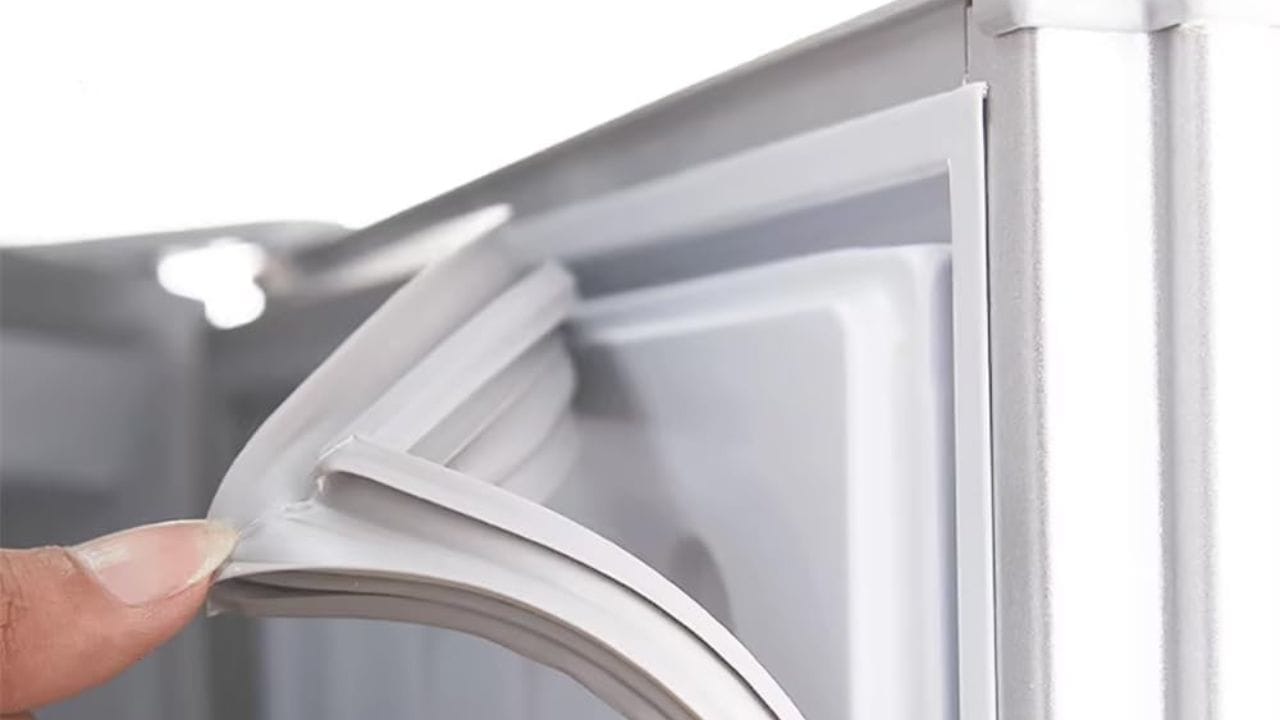
Refrigerators, freezers, and washing machines all rely on tight seals to work efficiently. Wiping them down once a month prevents dirt and mold from wearing them out.
If seals crack or fail, you end up with leaks, wasted energy, or broken machines. A quick clean keeps them working longer and saves you from paying for replacements.
Running a cleaning cycle
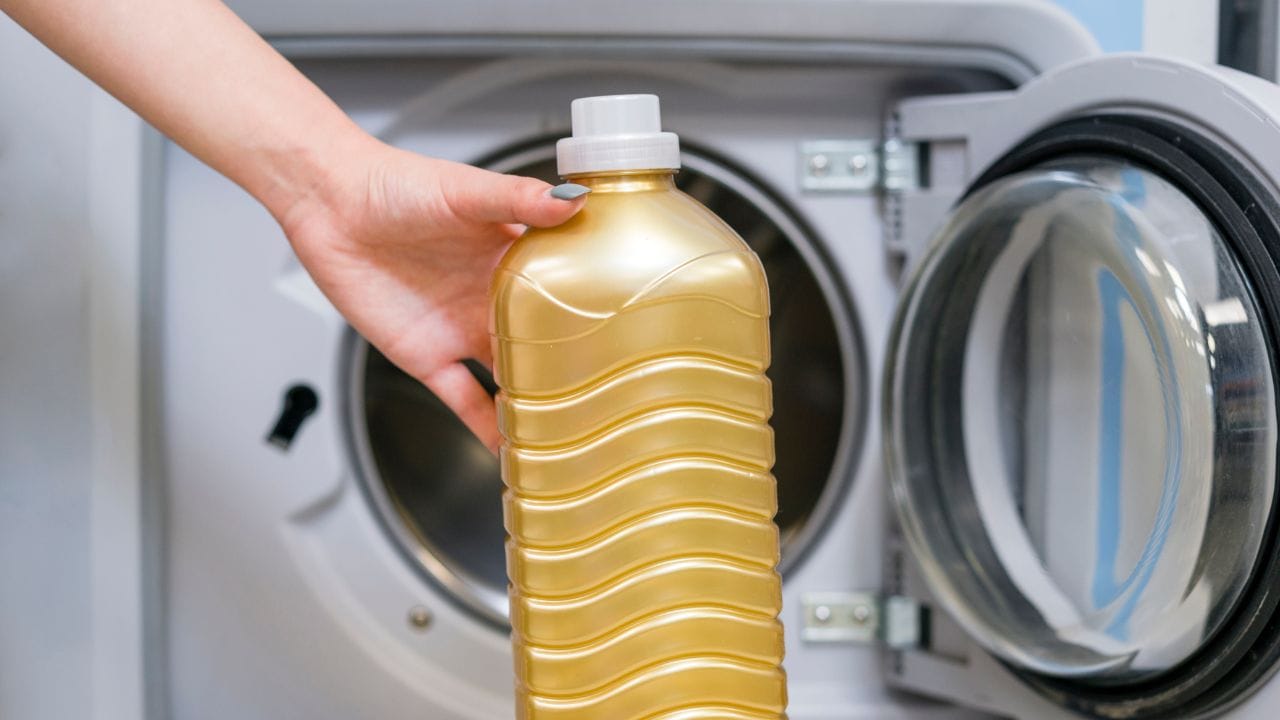
Dishwashers and washing machines benefit from a monthly cleaning cycle with vinegar or a cleaner designed for buildup. It prevents odors and mineral deposits.
Ignoring it can shorten the life of the machine and lead to costly service calls. That little bit of maintenance each month goes a long way toward preventing repairs.
Checking tire pressure

Low tire pressure makes your car work harder and can wear out the tread unevenly. Taking a couple of minutes once a month to check saves you money in the long run.
It also lowers your risk of a blowout and helps with gas mileage. Replacing tires early or dealing with roadside issues is always more expensive than a quick check.
Looking for roof or gutter issues
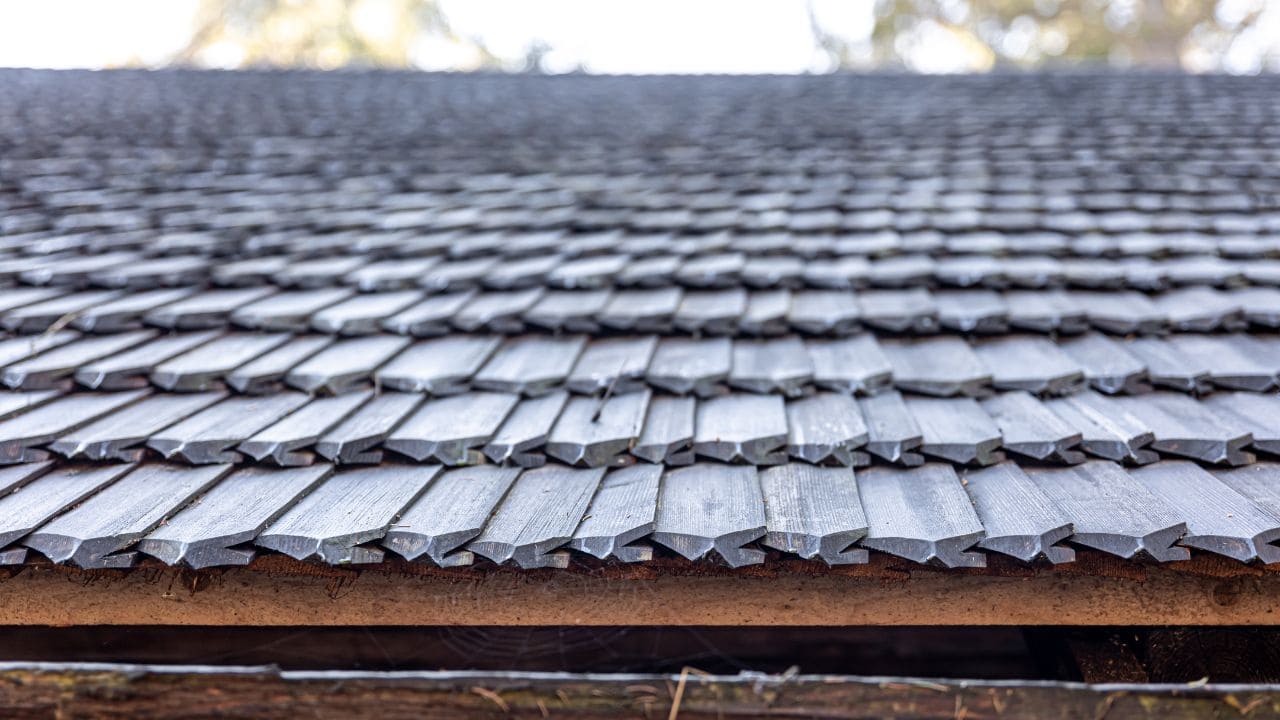
Even if you don’t get on the roof, a monthly glance from the ground can show missing shingles, sagging gutters, or areas collecting debris.
When you catch issues early, repairs are usually small. If you ignore them, water damage, leaks, or gutter failures can rack up thousands in costs.
Tightening loose screws

Cabinets, door handles, and furniture all loosen up with use. Going around once a month to tighten screws keeps things stable and prevents bigger damage.
When hardware gets too loose, doors sag, hinges break, or pieces snap off entirely. Preventing that with a screwdriver once a month is one of the cheapest ways to avoid repairs.
Checking caulk and grout
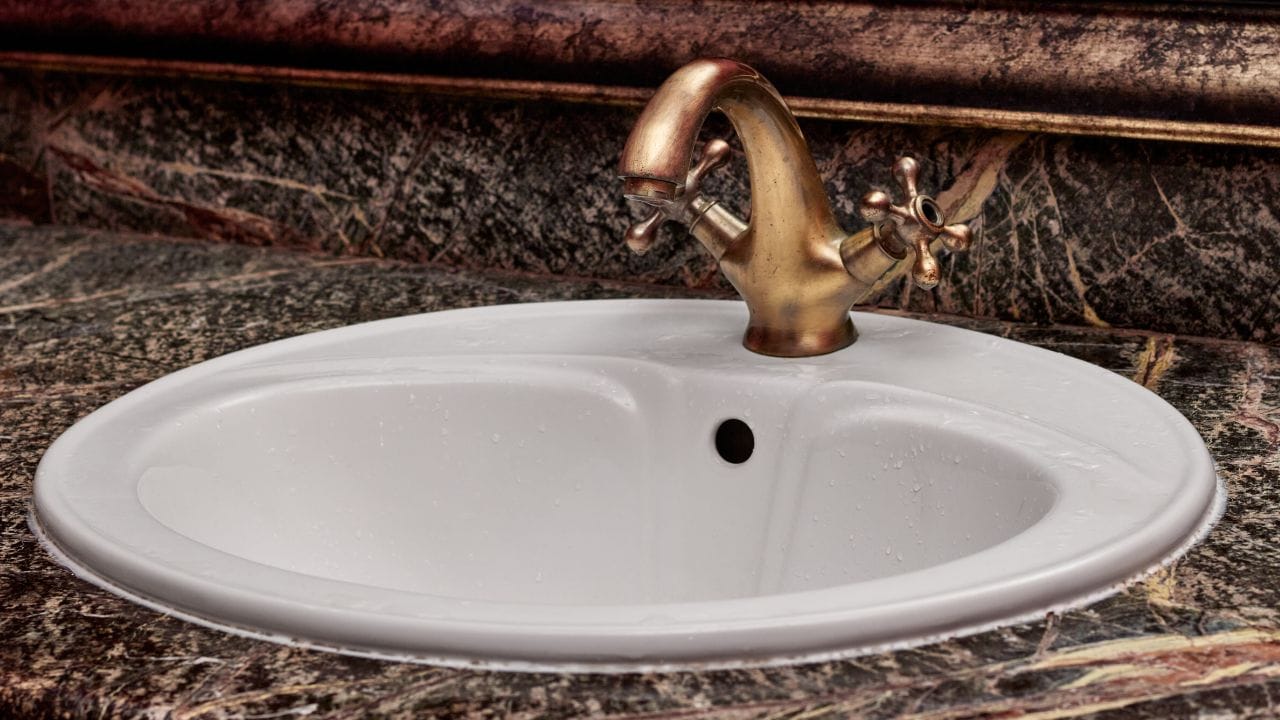
Bathrooms and kitchens rely on sealed edges to keep water where it belongs. Looking over caulk and grout monthly helps you spot cracks before they spread.
Fixing a small section right away costs a few dollars. Letting it go leads to water damage, mold, and repairs that can quickly get into the hundreds.
*This article was developed with AI-powered tools and has been carefully reviewed by our editors.
Leave a Reply