
10 things I buy in bulk now that actually save money

Buying in bulk doesn’t always mean saving money—sometimes it leads to waste if you can’t use it all. But when you stick to the right items, bulk shopping can seriously cut down your grocery bill over time.
The trick is choosing things you’ll actually go through before they expire and that really cost less per unit. Once you figure out what works for your household, buying in bulk becomes one of the easiest ways to save.
Rice and pasta
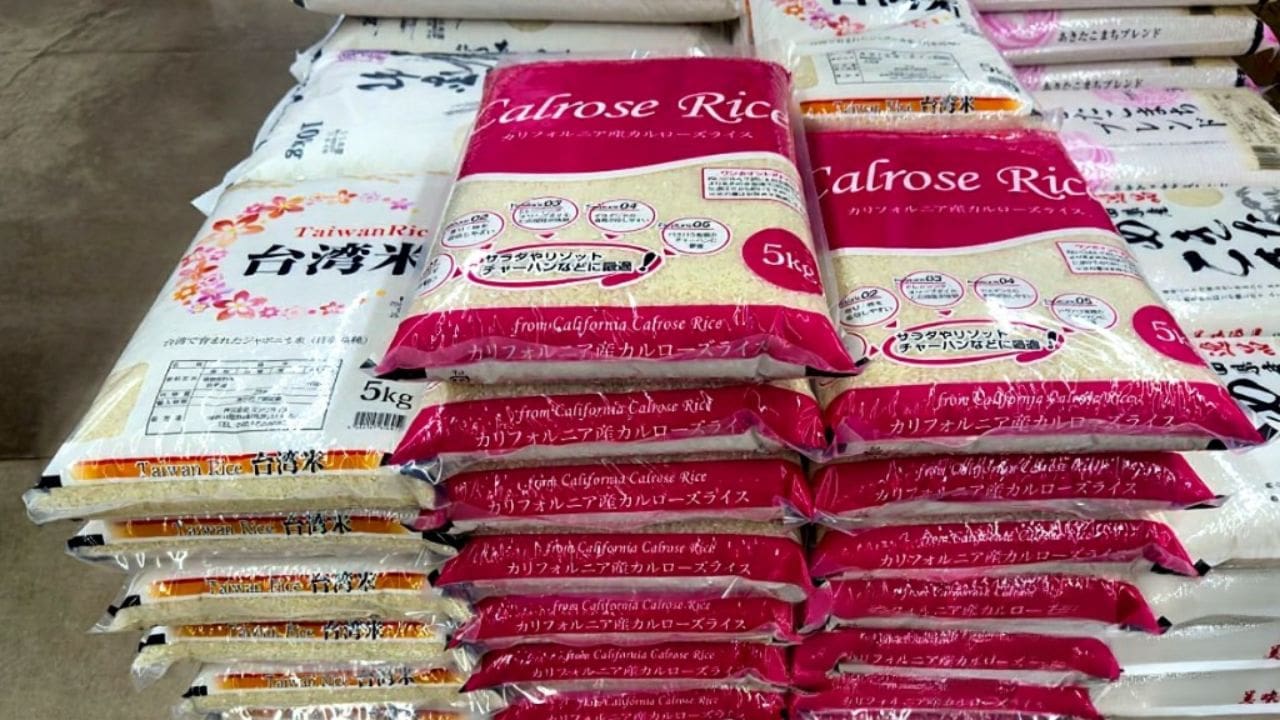
Both rice and pasta store well for months, making them perfect bulk buys. They cost far less per pound when bought in larger bags compared to the smaller boxes.
You can use them as the base of countless meals, from soups to casseroles to quick sides. Having them stocked means fewer last-minute grocery runs and a much lower cost per serving.
Toilet paper
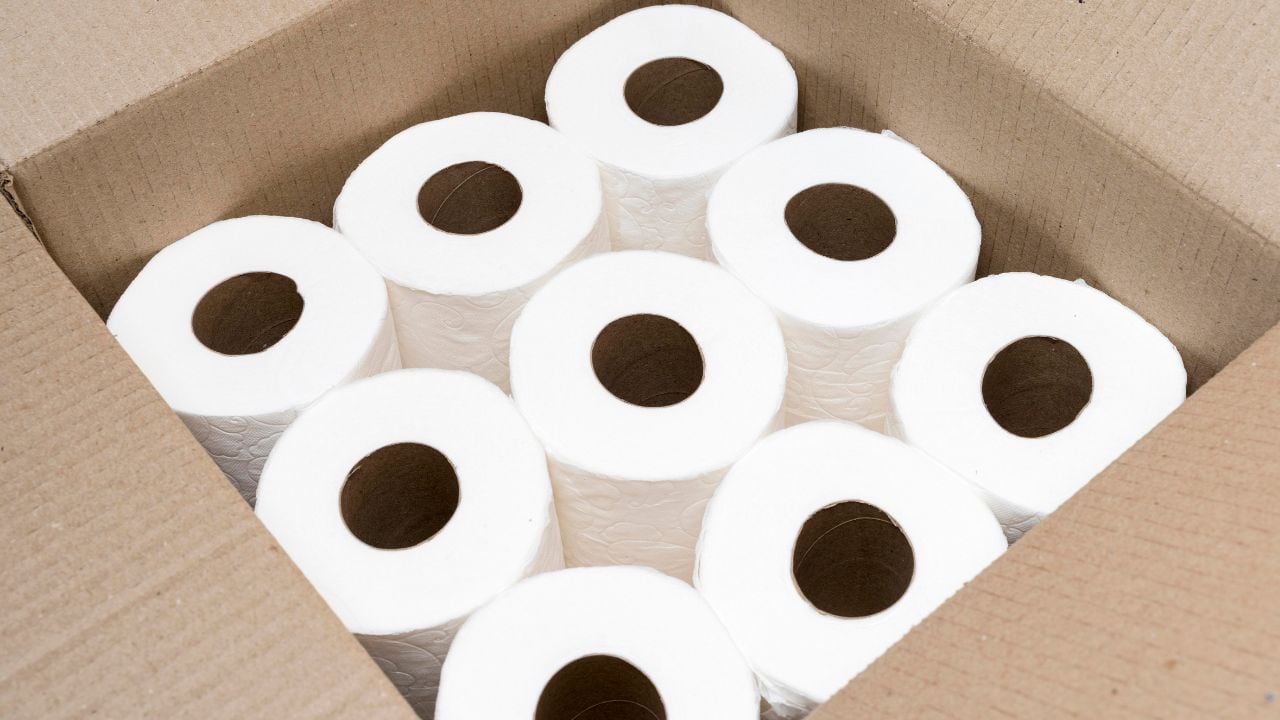
Toilet paper is one of those essentials you never want to run out of, and bulk packs save you the most. Price per roll drops dramatically compared to the small four- or six-packs.
It’s not just about cost—buying in bulk also means fewer trips to the store and less chance of paying higher prices in a pinch. As long as you’ve got the storage space, it’s worth it.
Paper towels

Paper towels are another item where bulk pricing makes sense. You use them regularly, and they don’t go bad sitting in a closet or garage.
The savings stack up when you compare cost per roll, and it saves you from impulse buys of more expensive brands when you’re out. Stocking up ensures you always have them when needed.
Beans and lentils
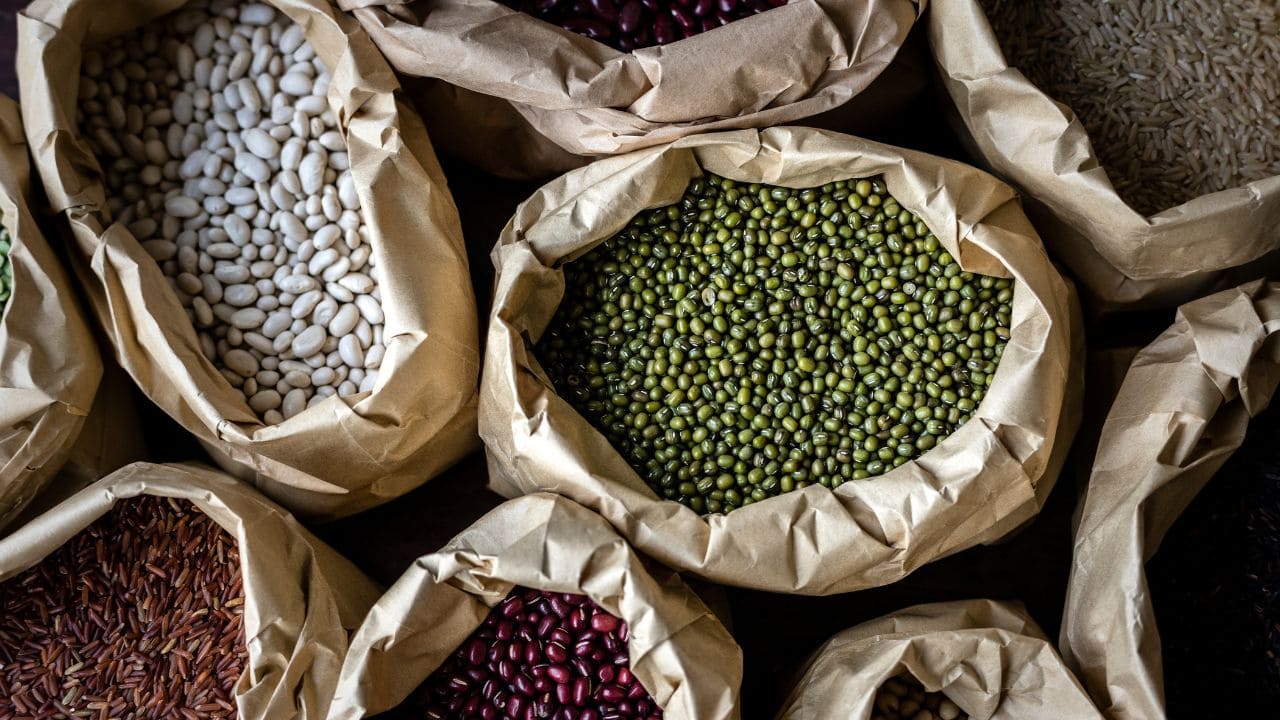
Dried beans and lentils cost pennies per serving when bought in bulk. They’re also versatile and can replace meat in meals, making dinner far cheaper.
While they take longer to cook, soaking and cooking them in batches can save you money and time. You can even freeze extras to use later without worrying about waste.
Meat
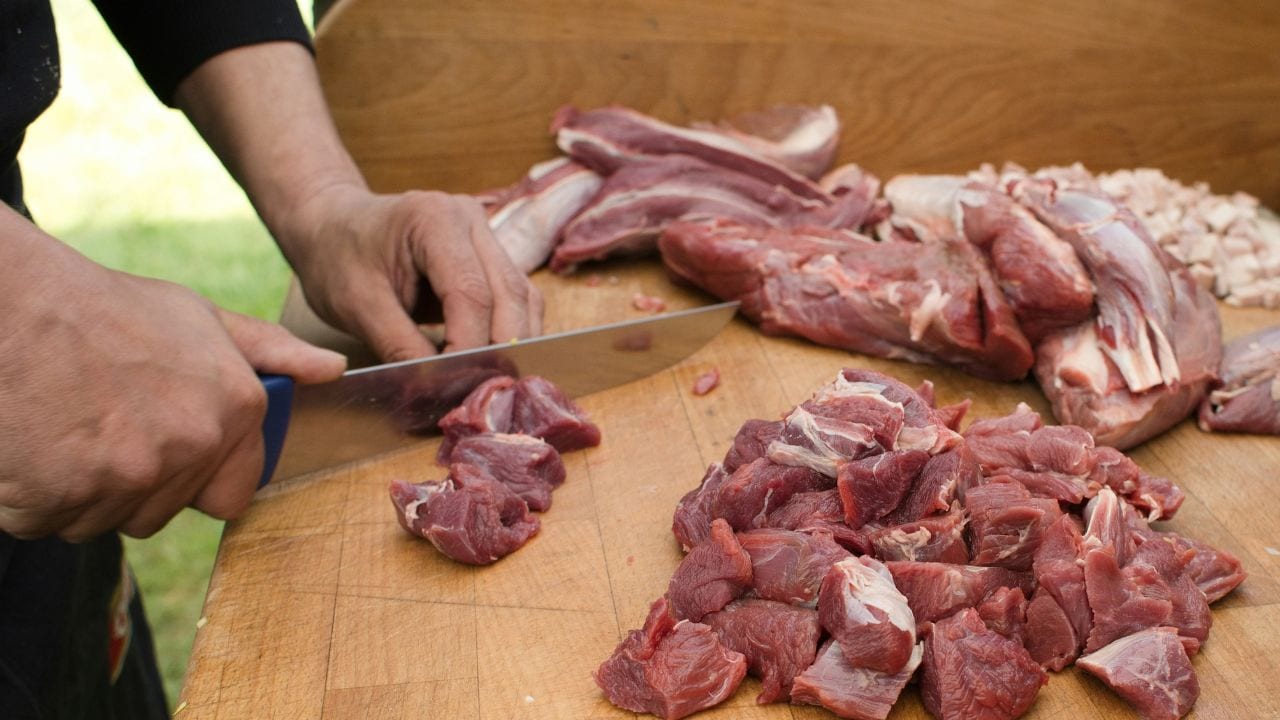
Buying meat in bulk—whether family packs at the grocery store or larger portions from a warehouse store—brings down the cost per pound. Breaking it into freezer bags and storing portions makes it last for months.
It also gives you flexibility to meal prep ahead of time. You’ll save a good amount compared to buying smaller packages each week.
Flour and sugar
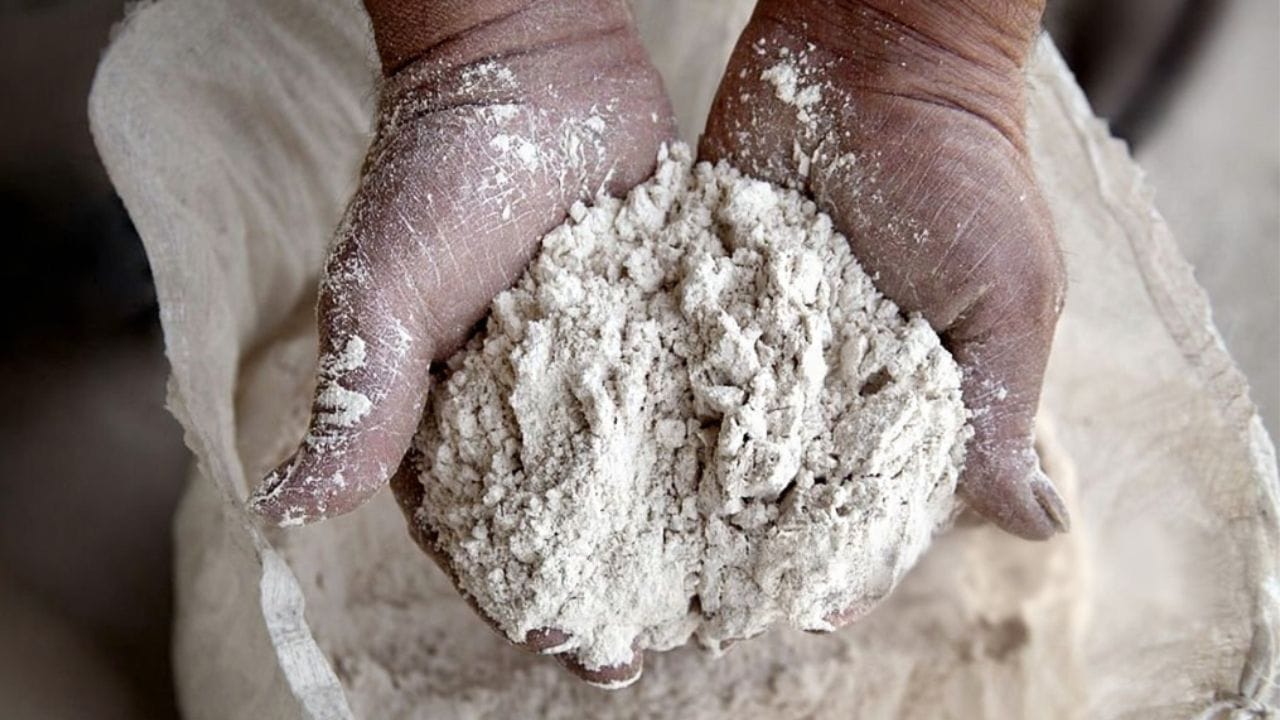
If you bake even occasionally, flour and sugar are worth buying in larger bags. They’re staples that store well and get used often enough to justify the space.
Bulk pricing is usually much better than buying the small bags, and you’ll always have what you need on hand without last-minute store runs. Keeping them in airtight containers helps them stay fresh longer.
Coffee
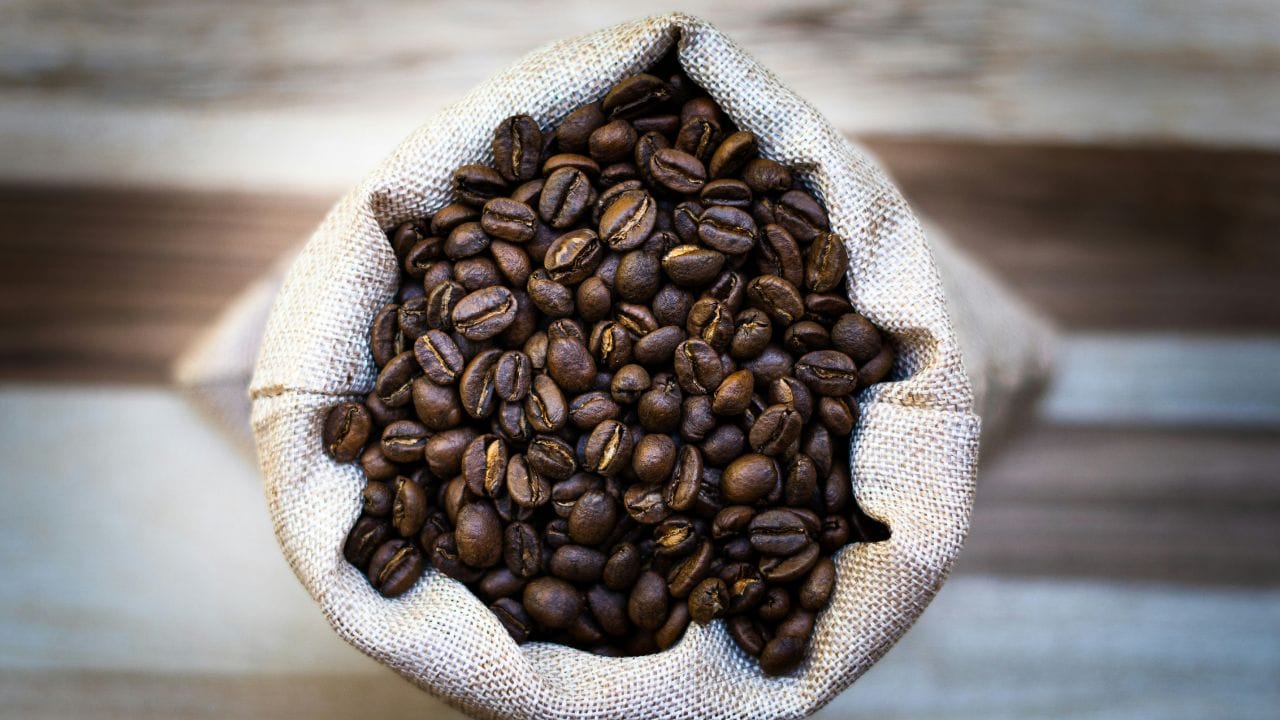
If you drink coffee daily, the price difference between bulk bags and smaller packages adds up quickly. Buying a big bag of grounds or beans costs much less per ounce.
Coffee also stores well if kept sealed and in a cool place. Even if you don’t drink a ton, splitting a bulk bag with a friend can still save you both money.
Cleaning supplies
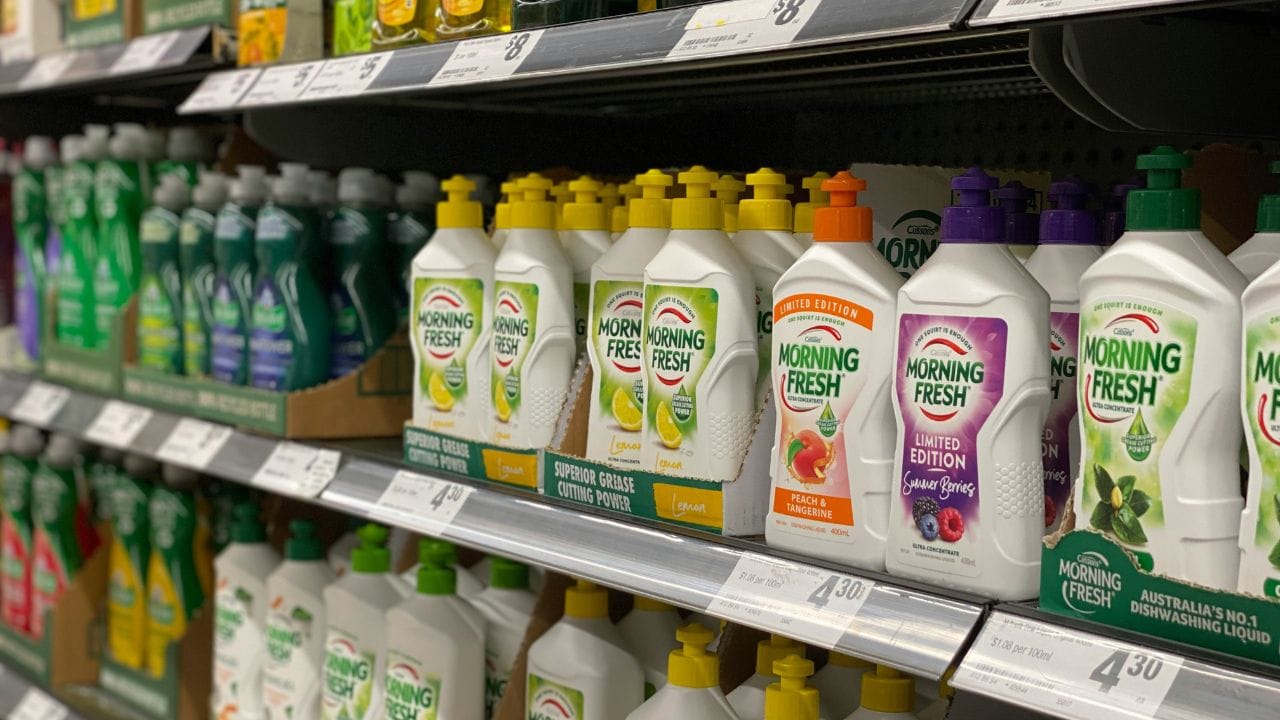
Things like all-purpose cleaner, dish soap, or laundry detergent usually drop in price when bought in bulk. Since these are products you’ll always use, there’s no risk of waste.
A single large container can often be poured into smaller bottles to make it easier to use. Over time, the cost difference is noticeable compared to buying smaller sizes regularly.
Cooking oil

Oil has a long shelf life, and you’ll go through it steadily if you cook at home. Larger containers often cost much less per ounce.
It’s especially true for basics like vegetable or olive oil. Just store them properly in a cool, dark place to keep them from going bad. A big jug can last months and save you money.
Frozen vegetables
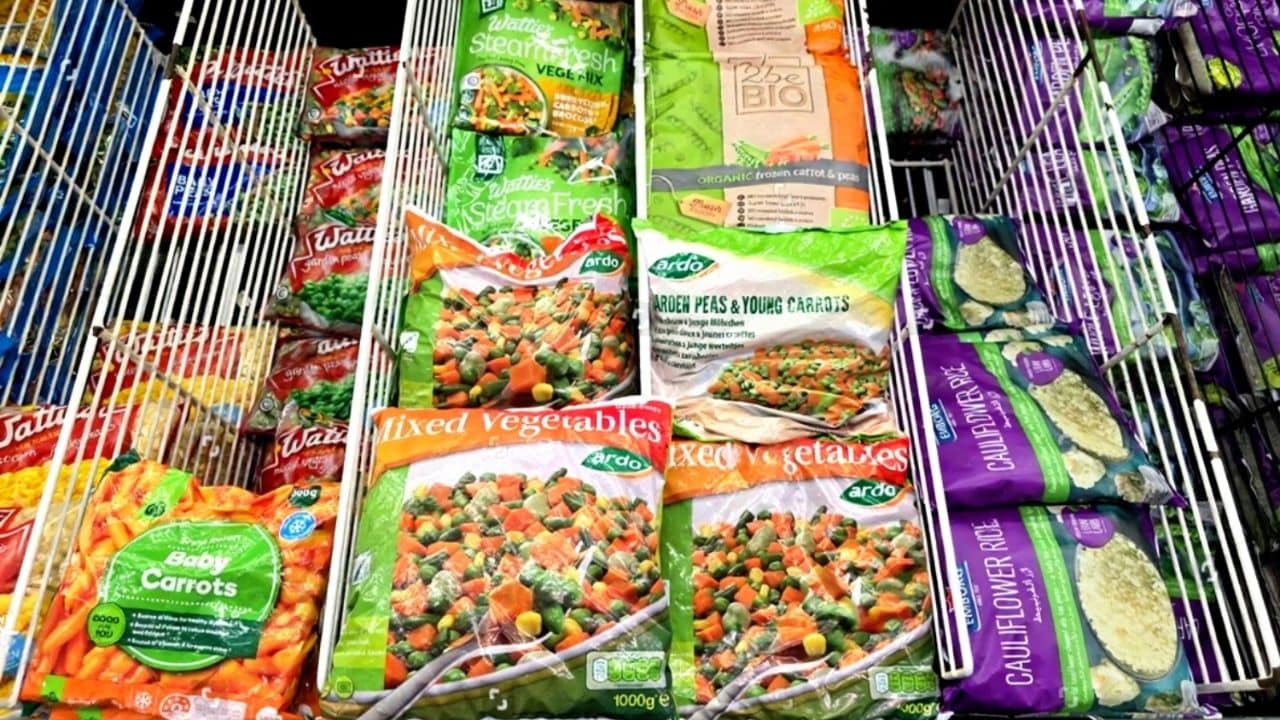
Frozen vegetables are a smart bulk buy because they don’t spoil quickly like fresh produce. You can use what you need and keep the rest in the freezer.
They’re usually cheaper per ounce in large bags, and you’ll always have a healthy side ready without worrying about waste. It’s one of the easiest ways to save and simplify dinner prep.
*This article was developed with AI-powered tools and has been carefully reviewed by our editors.
Leave a Reply