
There’s real value in experience—especially the kind that isn’t taught online. Many boomers spent decades building skills that younger professionals and business owners either don’t have or don’t have time to learn. As work shifts toward freelancers, consultants, and contractors, those old-school abilities are in high demand again.
You might be surprised how much today’s employers are willing to pay for what you already know how to do. These are the skills that are earning boomers real money right now.
Writing professional correspondence

Clear, professional communication is harder to find than ever. Many younger employers hire experienced workers to help craft business emails, proposals, and internal documents that sound polished and direct.
If you’ve spent years writing memos, reports, or client letters, those skills translate easily to freelance editing or business writing. Employers pay well for reliability and tone that reflects confidence and experience.
Managing people face to face

Boomers came up in a time when leadership meant being present—not just managing through a screen. That interpersonal skill set is valuable to younger business owners who may struggle with staff management or customer relations.
Helping with team organization, training, or communication strategies can turn into steady consulting work. The ability to read people and handle conflict professionally is something few online courses can teach.
Maintaining equipment and tools

Younger generations often lack hands-on repair skills, making experienced tradespeople valuable for everything from machinery upkeep to small business maintenance.
Boomers with backgrounds in electrical, plumbing, carpentry, or automotive work can earn good money training staff or handling repairs that keep small operations running smoothly. It’s a practical skill set younger employers are willing to outsource to someone who knows what they’re doing.
Bookkeeping by hand or with basic software

Many small business owners still need help managing their books the old-fashioned way—especially when digital systems fail or require setup. Boomers who understand spreadsheets, balance sheets, and paper ledgers are in high demand for organizing finances.
You don’t need to be a CPA to offer value. Helping younger entrepreneurs get their books in order, manage invoices, or prepare for tax season can lead to steady part-time work.
Customer service with real people skills

Good customer service is becoming rare. Employers pay for people who know how to talk calmly, handle complaints, and make customers feel heard. Boomers who worked in retail, hospitality, or service industries have mastered that skill naturally.
Many small businesses hire older workers to manage phones, handle emails, or train younger staff on communication. It’s one of the most transferable skills across industries and one that earns respect quickly.
Teaching practical trades
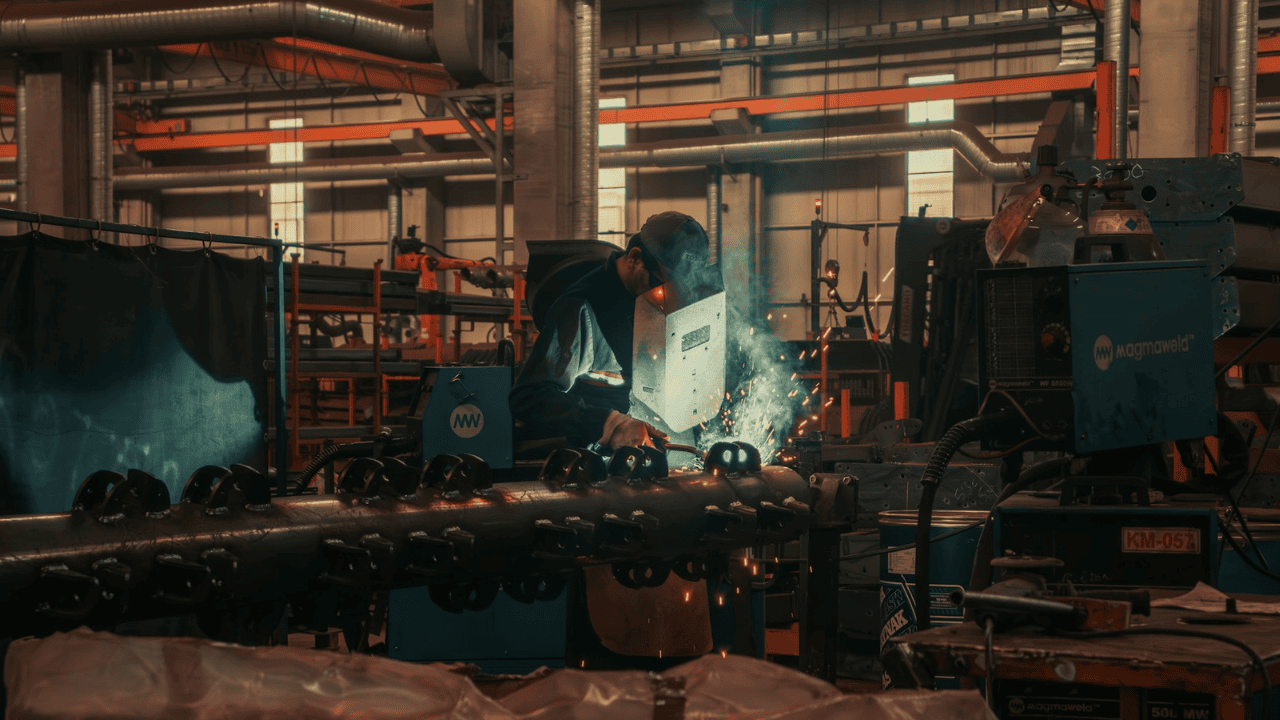
There’s a shortage of skilled tradespeople, and boomers have decades of know-how that younger generations want to learn. Many employers are looking for experienced mentors to teach everything from welding and construction to home repairs and mechanical maintenance.
Even part-time instruction or on-site training can pay well, especially for those who know how to explain things clearly. Younger employers appreciate steady, knowledgeable workers who can pass down the skills that keep their businesses moving.
Project management without software

Before project management apps took over, people relied on real-world organization—and that kind of structure still matters. Boomers who can plan, schedule, and execute projects using logic and communication often find work with small companies that need operational help.
You can offer guidance on workflow, scheduling, and efficiency that doesn’t depend on constant tech updates. Employers value people who can see the bigger picture and keep things on track.
Writing and editing manuals or guides

Many businesses need written materials—training guides, policy manuals, or user instructions—but don’t have anyone experienced enough to write them. Boomers who spent years in administrative or technical roles can take on this kind of work easily.
Clear, organized writing saves companies time and reduces mistakes. Employers pay for writers who can take complex information and make it usable for employees or customers.
Teaching basic home or life skills

Younger adults are hiring experienced people to teach practical skills—gardening, cooking, sewing, or minor home repairs. These services are growing fast through local workshops and online tutoring platforms.
You can teach one-on-one, host small group classes, or create digital tutorials. Many boomers are turning lifelong hobbies into real income by teaching others who never learned the basics.
Consulting for reliability and experience

Younger employers often seek out older consultants for perspective. They want someone who’s seen business cycles, handled tough clients, or navigated real-world challenges. That kind of grounded advice saves them from costly mistakes.
Whether it’s business, construction, or community management, consulting offers flexible, well-paying opportunities. Reliability and long-term experience are hard to find, and that’s exactly what makes boomers so valuable in today’s workforce.
*This article was developed with AI-powered tools and has been carefully reviewed by our editors.
Leave a Reply