
10 spending habits that made me broke without realizing it

Some spending habits feel harmless in the moment but add up fast behind the scenes. It’s not always the big splurges that drain your account—it’s the day-to-day stuff you don’t think twice about. If you’ve ever looked at your balance and wondered where it all went, these are the kinds of habits that sneak up on you.
And the worst part? Most of them feel normal because so many people are doing the same thing.
Grabbing Food on the Go Too Often

A quick drive-thru run or gas station snack doesn’t feel like much at the time, but it adds up fast. You might spend $8 here, $12 there, and by the end of the week, you’ve blown $100 without sitting down for a real meal. It’s convenience that drains you before you know it.
Even if you cook most nights, these in-between food grabs can still sneak into your budget and throw it off. Packing snacks or making coffee at home sounds boring, but it’s one of the fastest ways to cut unnecessary spending.
Subscribing and Forgetting

Streaming services, apps, cloud storage, fitness platforms—it’s easy to subscribe and forget about them. A few $9.99 charges here and there don’t look bad individually, but they can quietly eat up a big chunk of your budget over time.
You don’t have to cancel everything, but you do need to check in. If you’re not using it at least weekly, it’s probably not worth it. Most people don’t even realize how many recurring payments they’ve signed up for until they comb through their bank statement.
Shopping Without a List

Walking into a store without a list opens the door to impulse buys. Even at the grocery store, it’s easy to pick up extras that weren’t on your radar. And if you’re at Target or Walmart, it can spiral even faster.
Making a list keeps you focused and saves money you didn’t mean to spend. It also helps you stop doubling up on things you already have at home, like pantry items or cleaning supplies. The more intentional you are before you walk in, the less damage you’ll do.
Buying Cheap Instead of Buying Smart

Going for the cheapest option seems like you’re saving money, but it can cost more in the long run. Whether it’s clothes, tools, or household stuff, the cheapest version often doesn’t last. You end up replacing it sooner—and spending more overall.
There’s a difference between being frugal and being short-sighted. If you need something to last, sometimes spending a little more upfront is smarter. That doesn’t mean buying the most expensive thing—it means buying the right one the first time.
Ignoring Price Creep on Regular Bills

Your bills don’t always stay the same. Phone plans, internet, streaming, and insurance tend to creep up over time, and if you’re not paying attention, they can increase by $5–$20 a month without you noticing.
Calling to renegotiate or switching providers every so often can save hundreds a year. But you have to be the one to check. Companies aren’t going to tell you they bumped your rate—your statement will, if you look close enough.
Treating Small Wins Like Big Ones

Getting a bonus or paying off a credit card feels great—but it’s easy to blow the win by celebrating too much. You tell yourself you deserve a reward, and before you know it, the money you freed up is already gone.
There’s nothing wrong with treating yourself here and there, but you have to stay grounded. The goal is to keep the momentum going, not spend like the hard part is over. Progress means holding onto the win, not spending it.
Saying Yes to Every Invitation

Last-minute dinner plans, group outings, birthday dinners, kids’ parties—it all adds up. Even if it’s “just dinner,” that can easily turn into $40 or more once you factor in gas, tips, or a little something to bring along.
It’s okay to say no or suggest something low-cost instead. You don’t have to explain your finances to everyone. Protecting your budget doesn’t mean isolating yourself—it means choosing what really matters and leaving room to enjoy it without stress.
Avoiding the Budget Altogether
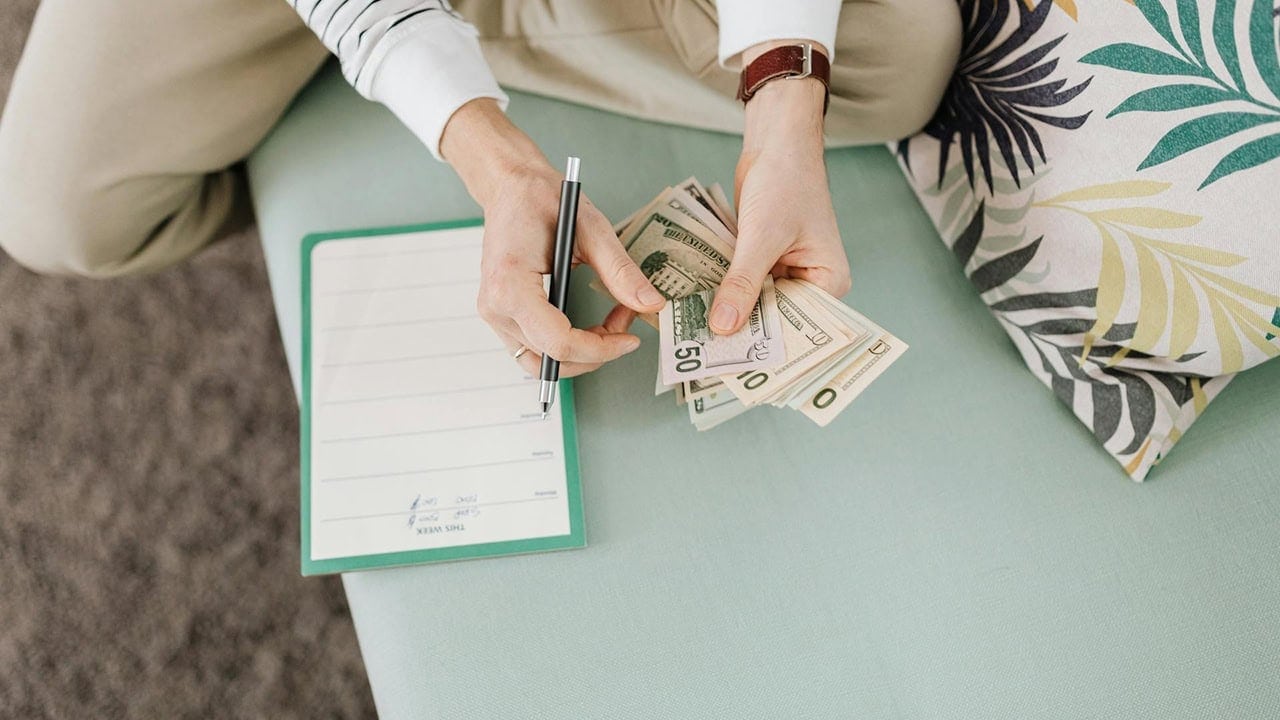
Telling yourself “I kinda know what I spend” is not the same as tracking it. Without a clear budget, you have no real way to see where your money is leaking. And usually, it’s not where you think.
Even a basic spreadsheet or app can give you a clearer picture. You might be surprised how often small, daily habits are doing the most damage. Once you can see the pattern, you can actually change it instead of guessing.
Not Returning Things You Don’t Use
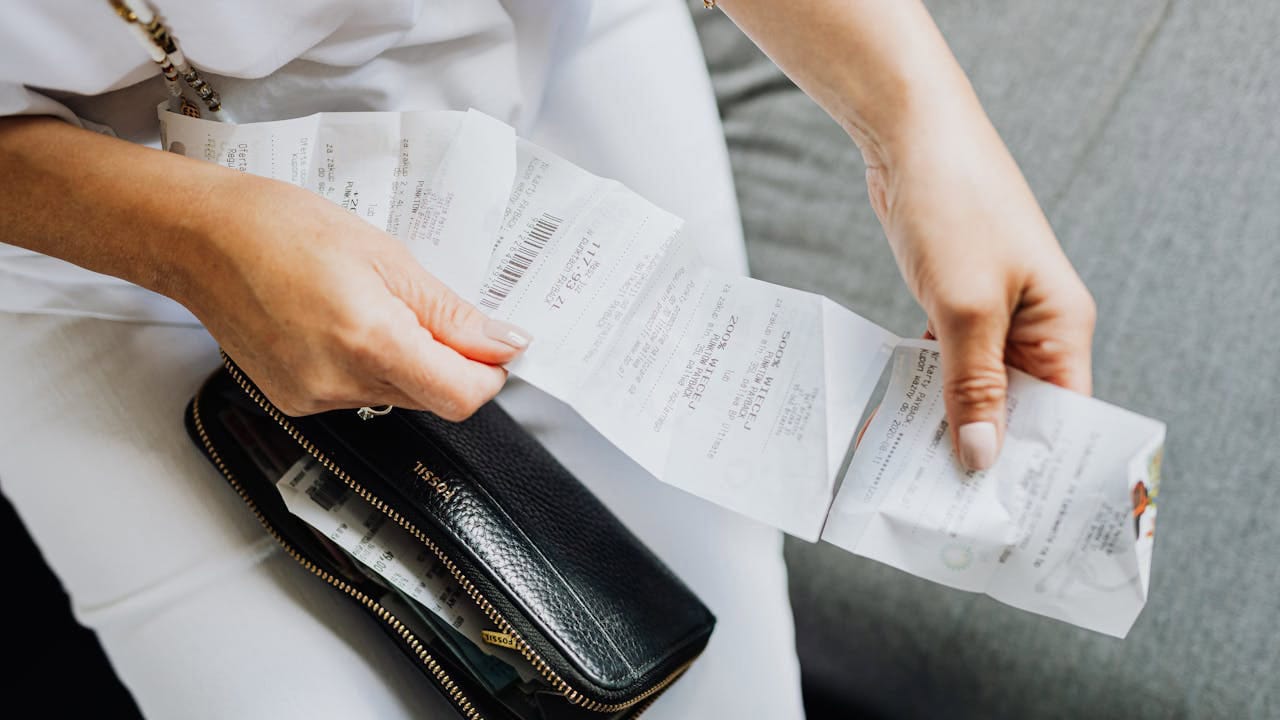
We’ve all bought something, realized it wasn’t right, and left it sitting in the car or on the counter. It feels like a chore to go back, so we let the return window close and write it off as a loss.
Those ignored returns can add up to hundreds over the course of a year. Set a reminder or keep the receipt in your wallet so you don’t forget. If you’re not going to use it, don’t let it keep your money too.
Buying for the Life You Wish You Had

A lot of purchases are made with future-you in mind. That gym outfit, those hosting dishes, the fancy planner—you picture yourself using it, but it ends up in the closet untouched. It’s not that your goals are bad, but spending to feel motivated usually backfires.
Buy for the life you’re actually living right now. Let the habits lead the spending—not the other way around. If something becomes a real part of your routine, you’ll know it’s worth investing in. Otherwise, it’s just another thing collecting dust.
*This article was developed with AI-powered tools and has been carefully reviewed by our editors.
Leave a Reply