
When money’s tight, $100 might not sound like much—but if you use it right, it can take real pressure off. The trick is focusing on what’ll stop the bleeding instead of what feels good in the moment. You don’t have to overhaul your finances overnight. You just need to make small moves that start stacking in your favor.
Whether you’re catching up on bills, building breathing room, or trying to stretch groceries, these ideas can actually help you get your footing again.
Catch up on the smallest overdue bill

Start with the one that’s causing daily stress—a past-due phone, water, or electric bill. Clearing even one overdue notice off your plate gives you a win and stops late fees from growing.
Once you’ve handled the smallest balance, you’ll have one less company calling or charging penalties. That little bit of progress makes it easier to face the rest without feeling overwhelmed.
Stock your pantry strategically

If you’ve been buying takeout because you’re out of basics, $100 can fill your pantry with cheap staples that last. Focus on rice, beans, pasta, canned goods, and frozen vegetables—foods that stretch for weeks.
A stocked kitchen gives you control back. You can make meals without extra trips to the store or impulse buys that eat into your budget. It’s one of the fastest ways to lower costs without cutting comfort.
Set up a small emergency fund

If you’re constantly borrowing from next week’s paycheck, a tiny safety net can break that cycle. Even $100 in a savings account or cash envelope keeps small problems—like a flat tire—from spiraling into debt.
The goal isn’t to build wealth overnight. It’s to create one layer of protection between you and the next setback. That cushion buys you options, and options keep you out of panic mode.
Put it toward high-interest debt

If you’ve got a credit card that’s racking up interest, sending $100 toward that balance can save you far more long-term. High-interest debt snowballs faster than most people realize.
It’s not exciting, but it’s smart math. The less you owe there, the more of your next check stays yours. Even small payments chip away at future stress.
Cover a repair before it gets worse
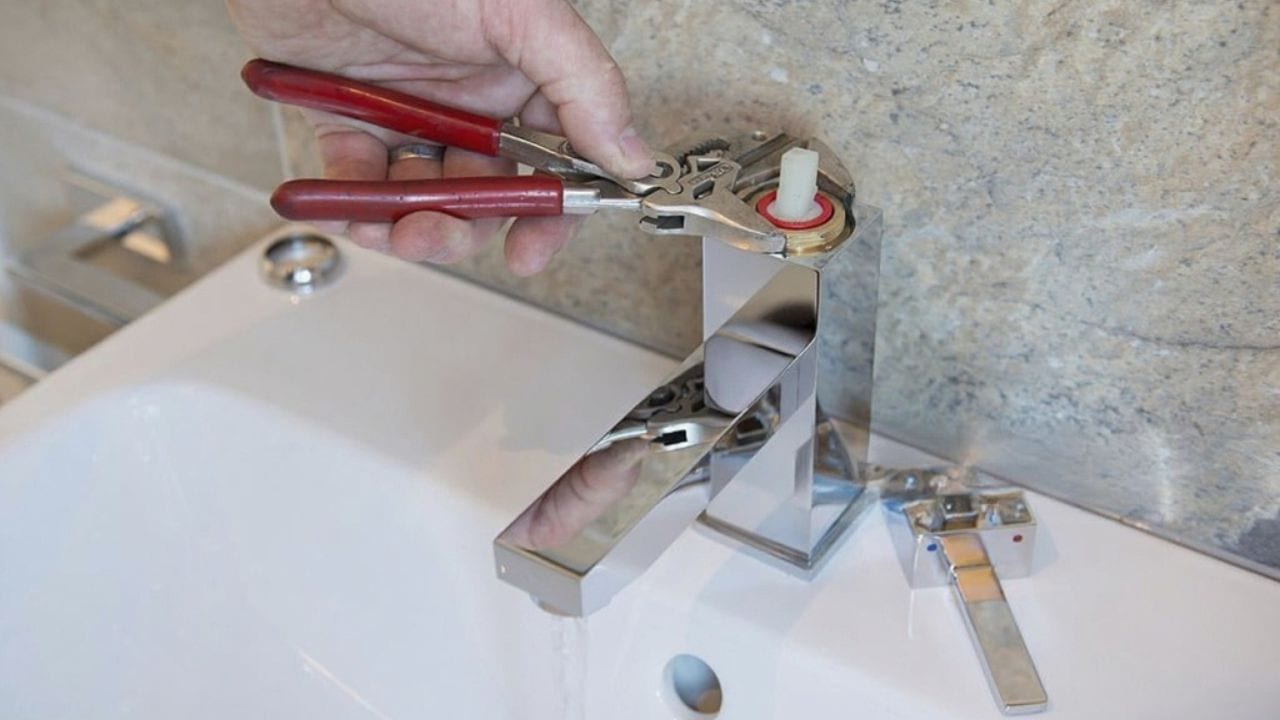
A leaky faucet, bad tire, or small car issue might seem fine to ignore—but waiting usually costs more. Spending $100 on a minor fix now can keep you from facing a $600 bill later.
Preventative maintenance always wins over reaction. You’ll feel more in control when you stop problems before they turn into emergencies.
Refill what keeps you stable

If you’re out of things like cleaning supplies, toiletries, or basic meds, use part of that $100 to restock. Running out of essentials leads to small, expensive trips that destroy your budget.
You don’t need brand names or bulk orders—just enough to keep your house running smoothly. A little restock can make the rest of your week calmer and cheaper.
Invest in something that saves you money later
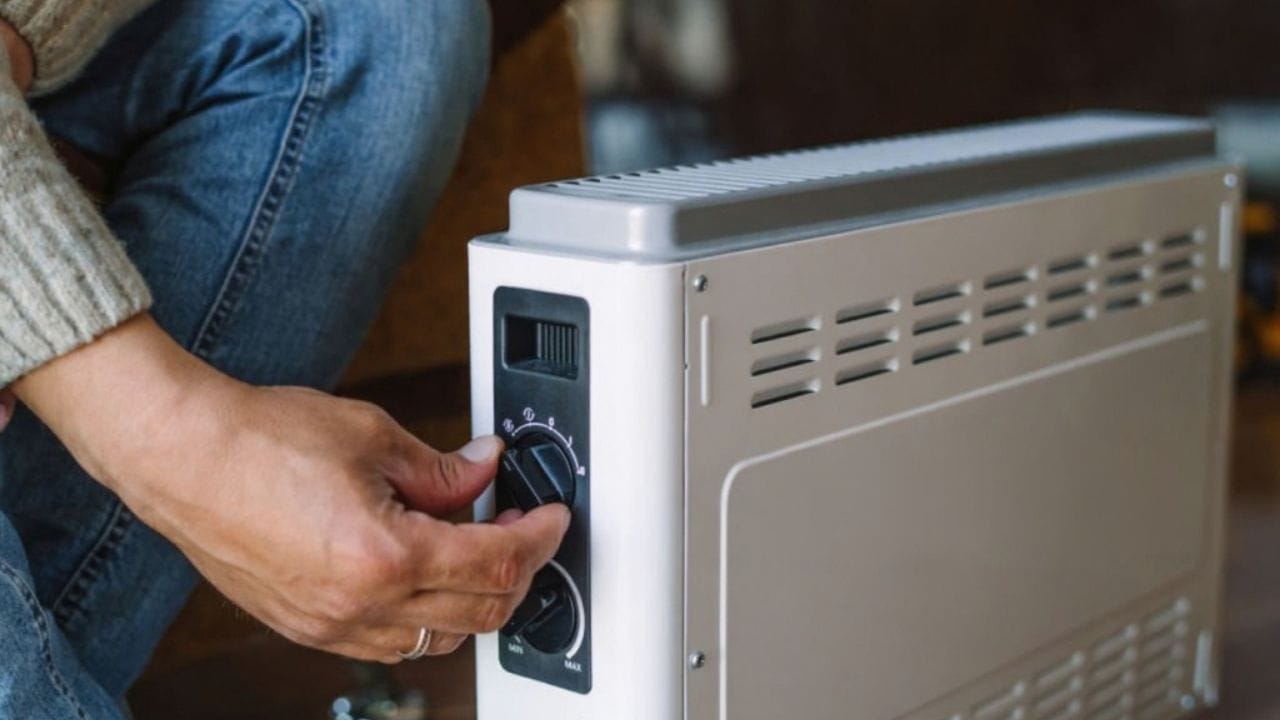
Think about what would actually lower your expenses. Maybe it’s a clothesline, a water filter, or a space heater that cuts your electric bill.
If one small purchase will keep saving you month after month, it’s worth using your $100 there. That kind of spending is practical, not indulgent.
Buy groceries to batch cook

Spending that $100 on ingredients for a week or two of freezer meals can keep you from falling back on takeout or expensive snacks. Soups, casseroles, and crockpot meals stretch your dollar farther.
When you’ve got ready-made food waiting, you skip drive-thrus and delivery fees. It’s one of the easiest ways to make $100 work double time.
Replace something that’s costing you

Sometimes the smartest move is upgrading one worn-out thing. Maybe your shoes are hurting your feet or your phone charger is shorting out and wasting money on replacements.
Fixing or replacing that one item can remove daily friction. It’s not about buying something new—it’s about making life run smoother so you can focus on what really matters.
Get ahead on essentials

If your paycheck always feels late, use the $100 to get a head start. Buy a month’s supply of toilet paper, laundry detergent, or pet food now.
When those costs pop up later, you’ll already be covered. That small bit of breathing room can shift your whole mindset—from constantly catching up to finally getting ahead.
*This article was developed with AI-powered tools and has been carefully reviewed by our editors.
Leave a Reply