
10 small daily choices that saved me thousands

When people think about saving money, they usually picture big sacrifices—canceling vacations or never eating out again. But the truth is, the small daily decisions matter way more. When you start paying attention to those quiet little habits that add up, you realize you’ve been spending hundreds—sometimes thousands—without thinking twice.
The changes that helped me save the most weren’t dramatic. They were consistent. These are the daily choices that started out small but made a big impact over time.
Making Coffee at Home Every Morning

Stopping for coffee doesn’t feel like a big deal until it’s every day. Five dollars here and there adds up fast. Once I added it up monthly, I couldn’t ignore the cost anymore.
I started making coffee at home with a machine that paid for itself in weeks. Now, even if I splurge on a nice creamer or flavored syrup, I’m still saving hundreds a year. Plus, I don’t waste time in drive-thru lines anymore.
Eating What’s Already in the House

It’s easy to say “we have nothing to eat” when dinner feels uninspiring. But forcing yourself to use what you already have before shopping again stops the cycle of wasting food and money.
I started checking the fridge, freezer, and pantry every night before adding anything new to the grocery list. It pushed me to get creative with meals and stopped the extra midweek store runs that always turned into $50 trips.
Packing Snacks Before Leaving the House

Any time I leave the house without food, I end up buying something I didn’t plan for. Whether it’s a gas station snack or a drive-thru stop, it’s almost always overpriced and unneeded.
Now, I throw a protein bar, apple, or something easy in my bag before I head out. It sounds small, but it’s helped avoid dozens of impulse buys, especially when I’ve got the kids with me and everyone’s hungry.
Running the Dishwasher Only When It’s Full
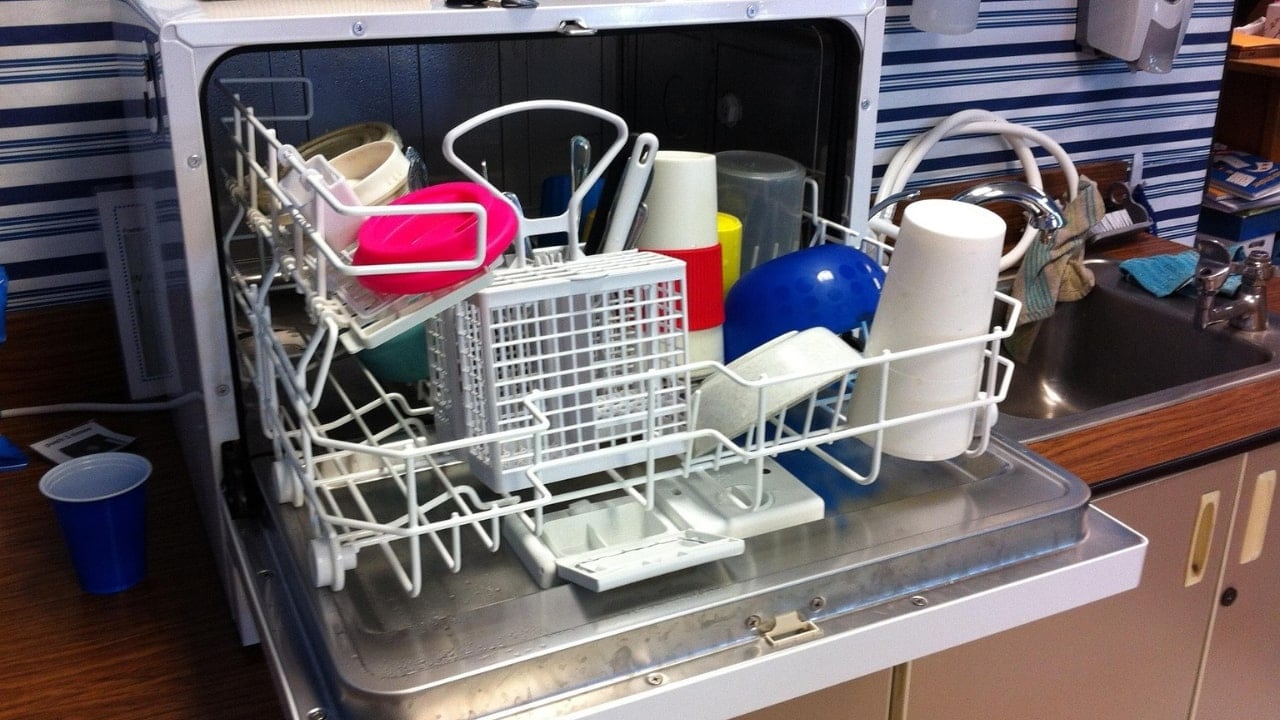
Dishwashers are efficient, but only if you use them right. I used to run it every night out of habit—even if it was half-empty. I didn’t think about how often I was wasting water and electricity.
Now I wait until it’s full. That one small shift lowered our utility bill noticeably over time. It also made me more intentional about what dishes we use and how often we load up the sink.
Buying in Bulk—But Only What You Use
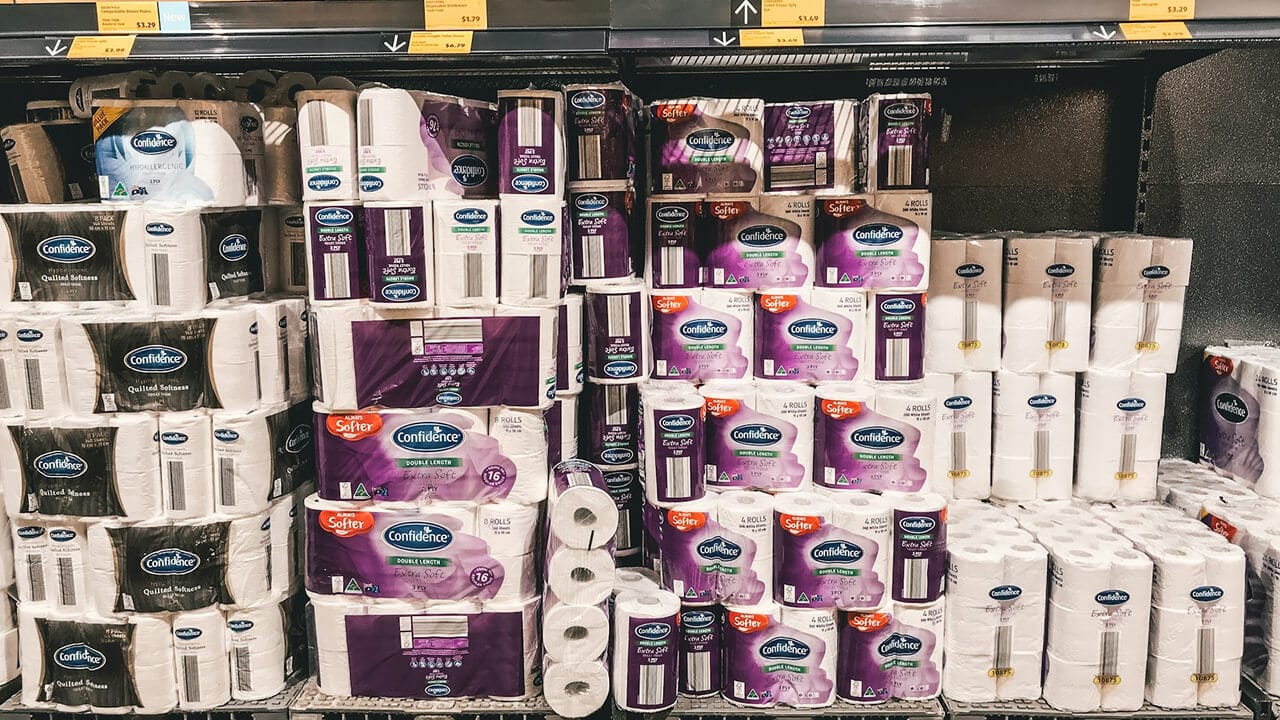
I used to think buying in bulk was always smart, but not everything is worth it. I started tracking which items we actually go through regularly—like toilet paper, rice, or trash bags—and focused on those.
Grabbing bulk deals on things you know you’ll use cuts down on last-minute convenience runs and keeps the cost-per-use way lower. But it only works if you’re honest about your actual habits.
Filling Up Gas Early in the Week
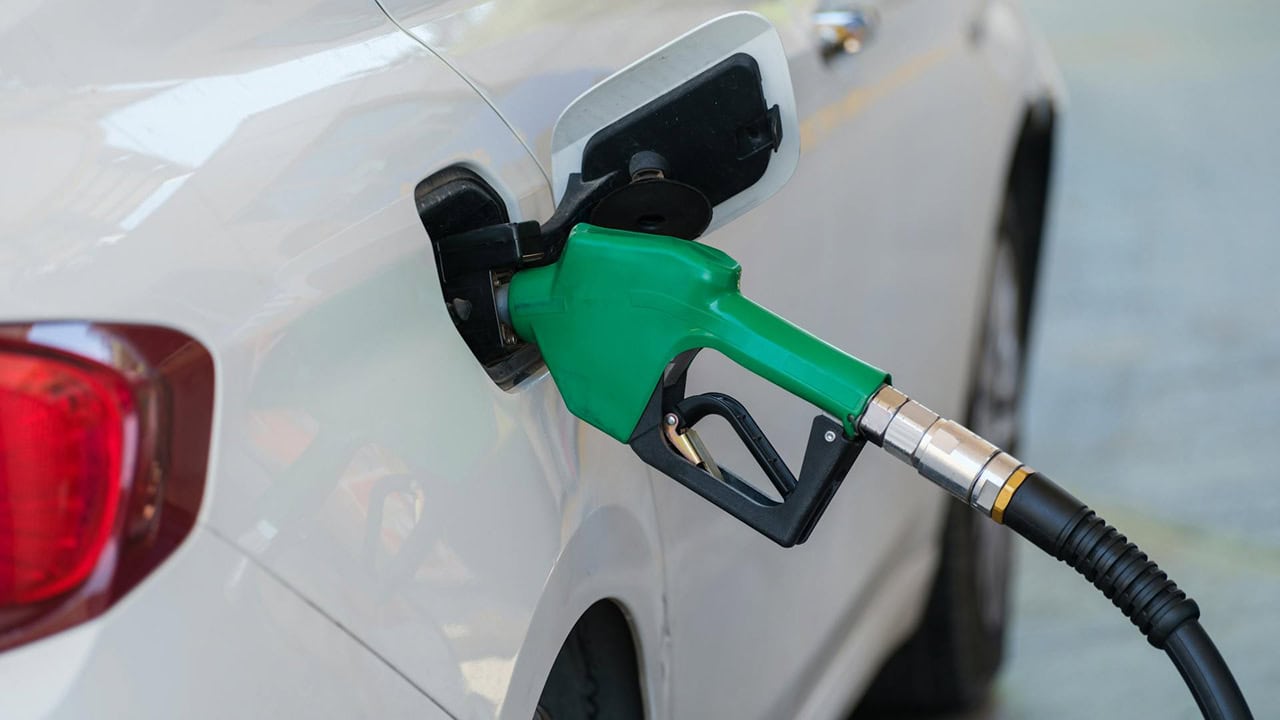
Gas prices tend to spike right before weekends. I started filling up on Monday or Tuesday mornings, and it consistently saves me a few bucks per tank.
It’s not dramatic, but it adds up—especially if you’re driving a lot. That tiny shift in schedule is one of those things you barely notice day to day but see the benefit of by the end of the month.
Leaving the Card at Home More Often
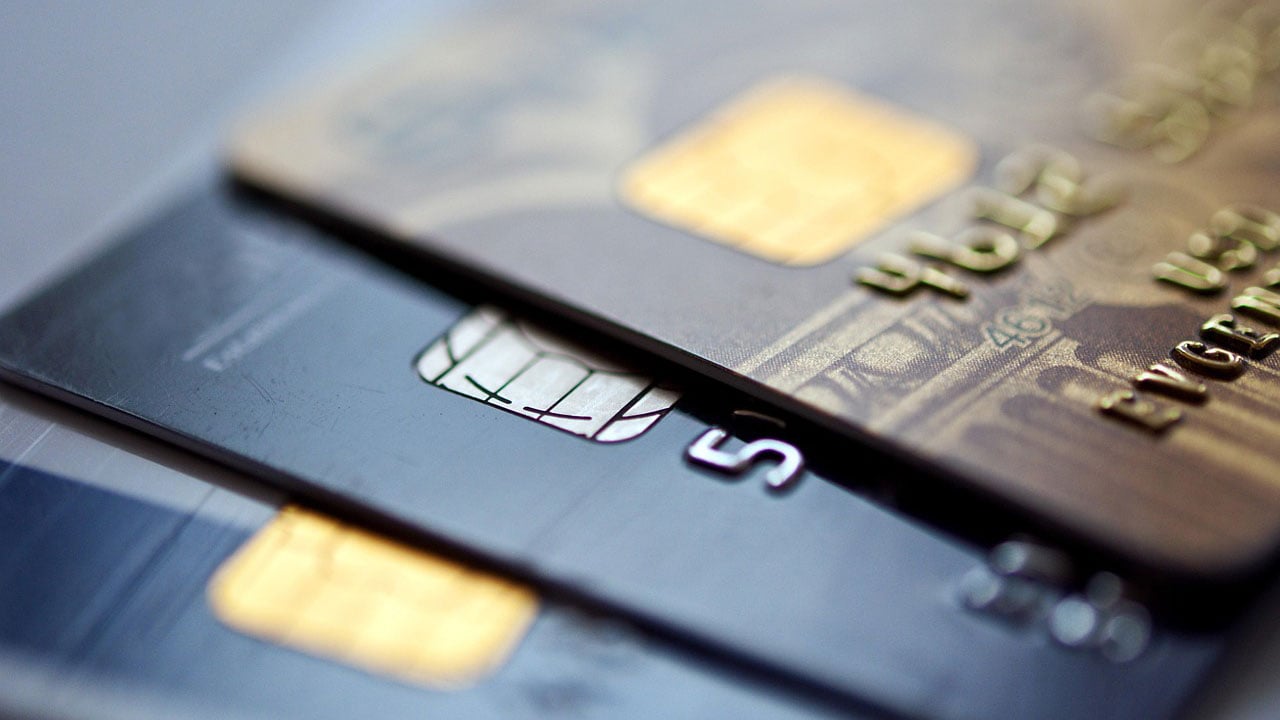
Swiping a card is too easy. So, when I’m running errands or going somewhere that doesn’t require a purchase, I leave it at home or in the car. If it’s not in my hand, I don’t find reasons to spend.
Removing the option forces you to stick to your plan. It’s helped me break the habit of mindless browsing and buying, especially on the days I’m tired and more likely to give in to a “treat.”
Using a Budgeting App Daily

Even if you’re not a spreadsheet person, opening a budgeting app each day gives you a quick pulse on where your money’s going. I don’t obsess over it—I just check it like I check the weather.
It keeps me aware without feeling overwhelmed. A quick glance in the morning helps me make better spending choices throughout the day. It’s like a built-in accountability partner that doesn’t judge.
Turning the Thermostat Down Before Bed
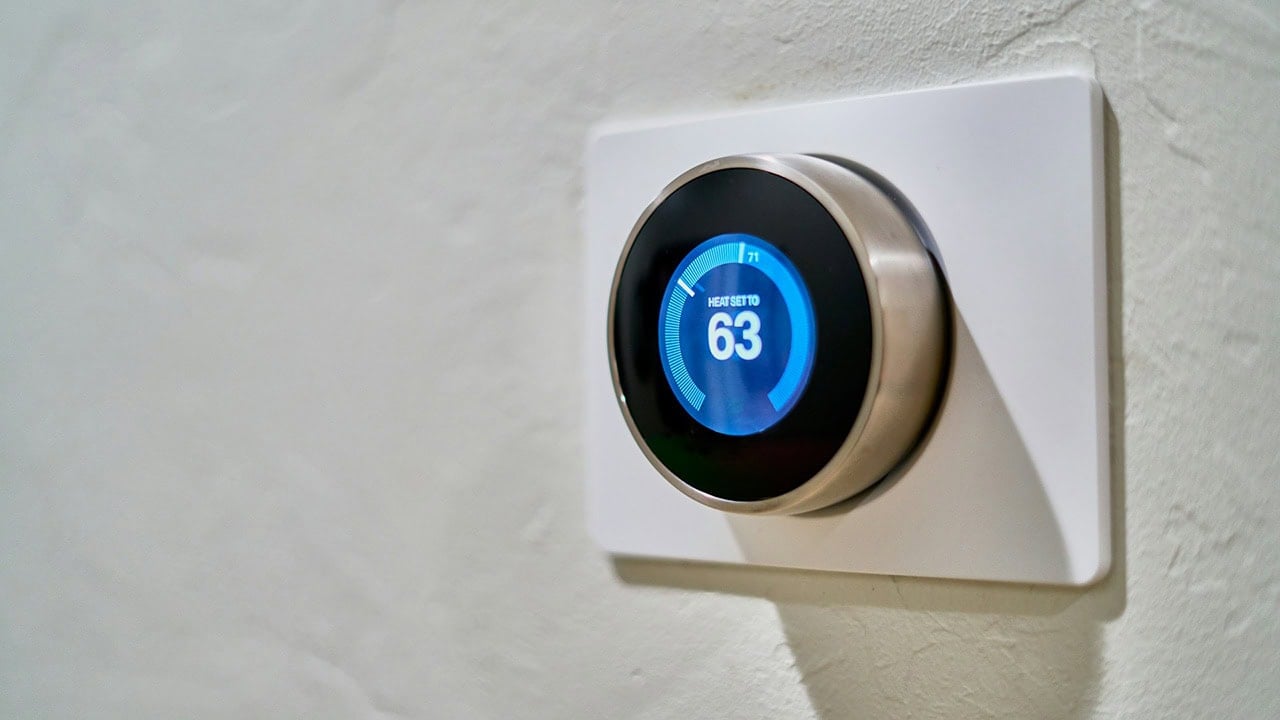
Heating and cooling can drain your electric bill fast. I started lowering the thermostat a couple of degrees before bed and throwing on an extra blanket instead.
It’s a small change you barely feel, but it makes a difference in the monthly bill. Especially during winter or summer, those few degrees add up over weeks. And if you have a programmable thermostat, it’s even easier.
Checking Store Apps Before You Shop

Before I buy anything—groceries, clothes, home supplies—I open the store’s app to check for digital coupons or sales. Most stores make it easy to clip deals right there, and it takes less than a minute.
Over time, those $1–$5 savings really stack up. I’ve gotten used to it as part of my routine, and now it feels weird to shop without checking first. It’s one of the lowest-effort ways to save every day.
*This article was developed with AI-powered tools and has been carefully reviewed by our editors.
Leave a Reply