
10 small changes that made my grocery bill drop $100

Grocery prices add up fast, but small shifts in how you shop can make a real difference. You don’t need extreme couponing or complicated tricks—just a few habit changes that keep you from overspending. The key is planning smarter, avoiding waste, and knowing when to swap convenience for cost-effectiveness. Over time, these adjustments add up to serious savings. Here are ten practical changes that cut my grocery bill by $100 without making me feel like I gave anything up.
Sticking to a Meal Plan
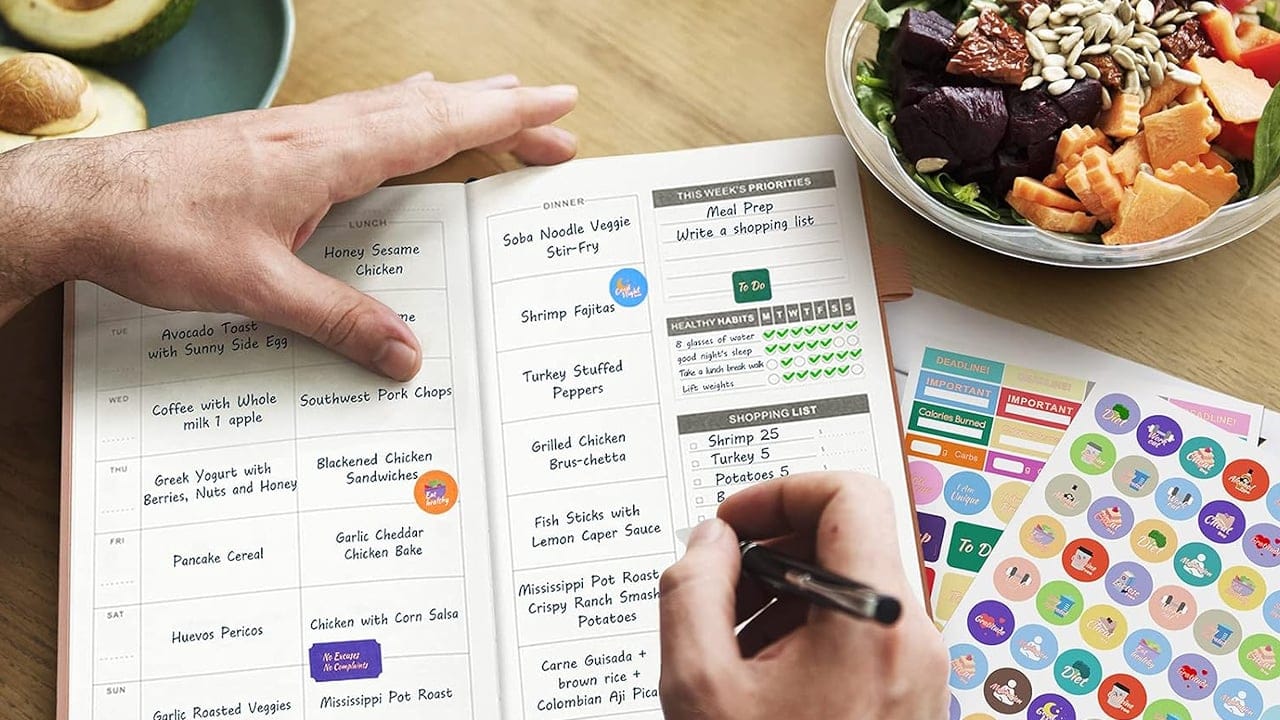
Taking ten minutes to map out meals for the week prevents impulse buys and last-minute takeout runs. You go into the store with a clear list, and every item has a purpose. That means fewer “extras” making their way into your cart.
Meal planning also helps you use ingredients across multiple meals. Buying a pack of chicken for several dinners, for example, is far cheaper than grabbing individual items throughout the week.
Buying in Bulk When It Makes Sense
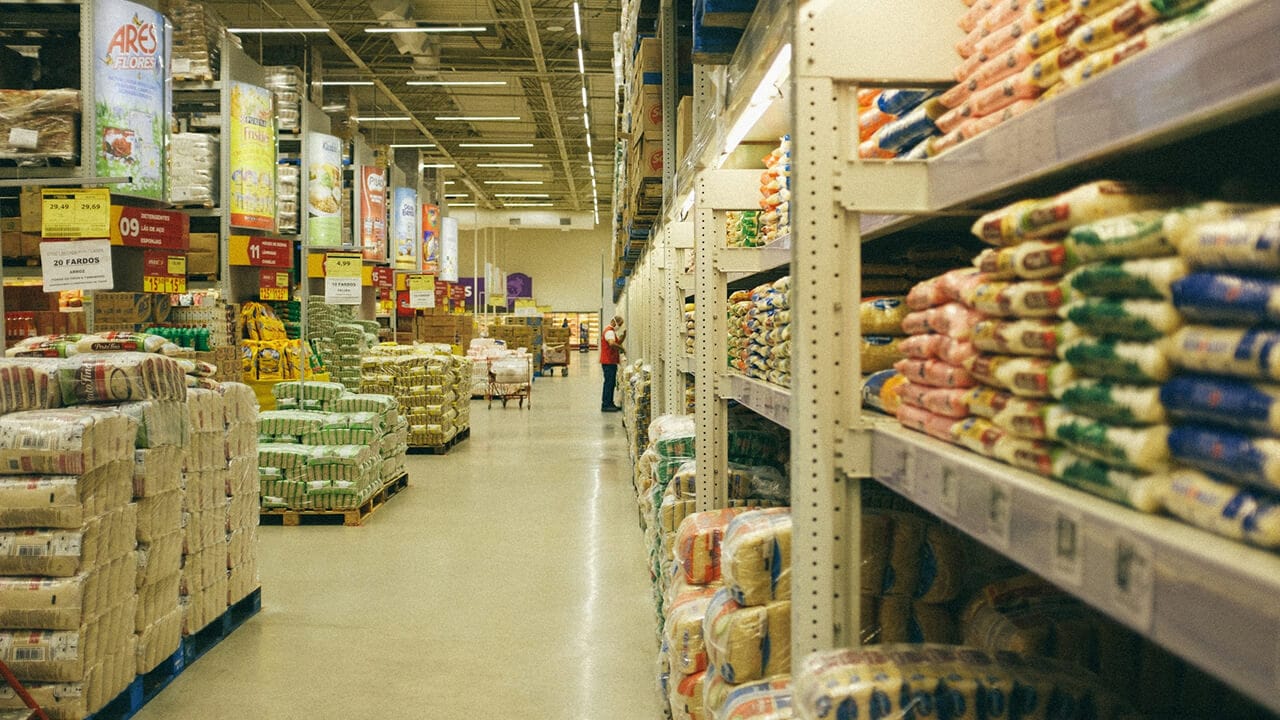
Bulk purchases save money when you’re buying things you know you’ll actually use. Items like rice, pasta, oats, and beans cost far less per ounce when bought in larger quantities.
The trick is not overdoing it on perishable foods. Sticking to shelf-stable or freezable items ensures you’re not wasting food—and money—on things that spoil before you can use them.
Swapping Brand Names for Store Brands

Store brands have come a long way, often made by the same manufacturers as big-name labels. You’ll save significantly by making the switch, especially on staples like canned goods, dairy, and frozen vegetables.
In most cases, the taste and quality are nearly identical. If there’s a product where you prefer the brand name, keep it, but switching even half your list to store brands adds up quickly.
Shopping the Weekly Sales

Checking the weekly ad before shopping makes a big difference. Building meals around what’s on sale saves more than trying to force a set menu every week.
For example, if ground beef is discounted, plan a few dinners that use it. Pairing sales with store loyalty rewards or digital coupons stretches those savings even further without much extra effort.
Reducing Snack and Convenience Foods

Pre-packaged snacks, frozen meals, and ready-to-eat items are the fastest way to rack up a big bill. By cutting back on these and preparing snacks at home, you save more than you’d expect.
Even swapping out a couple boxes of granola bars for a batch of homemade muffins lowers costs. You’re not cutting snacks entirely—you’re just shifting to cheaper, more filling options.
Using the Freezer Wisely
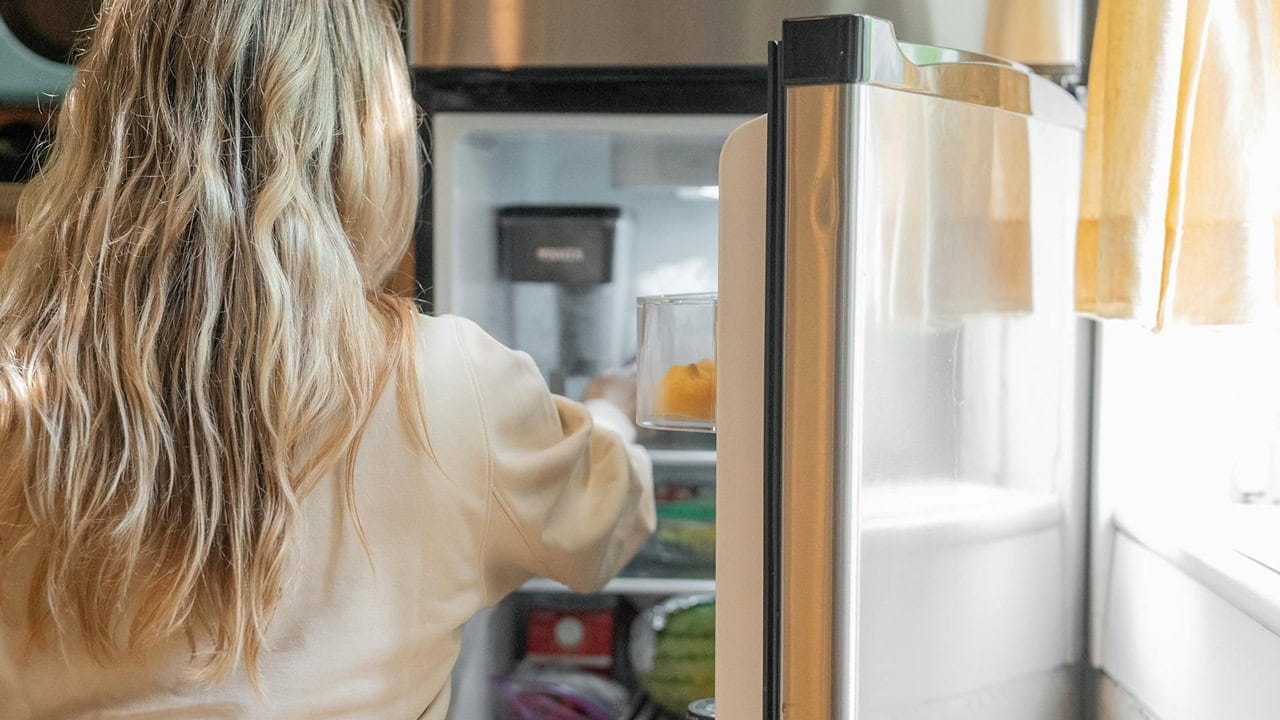
Freezing meat, bread, and produce before they spoil keeps money from going straight into the trash. If you see a great sale, you can buy extras knowing they won’t go bad before you get to them.
Cooking in bulk and freezing portions also helps. Having meals ready to thaw keeps you from grabbing takeout on busy nights, which saves both grocery and restaurant spending.
Cutting Back on Drinks

Soda, bottled juices, and flavored waters eat into your budget without adding much nutrition. By sticking mostly to water and making coffee or tea at home, you cut a surprising amount from the bill.
This doesn’t mean never buying them, but treating drinks as an occasional add-on instead of a weekly staple keeps more money in your pocket.
Shopping Seasonal Produce
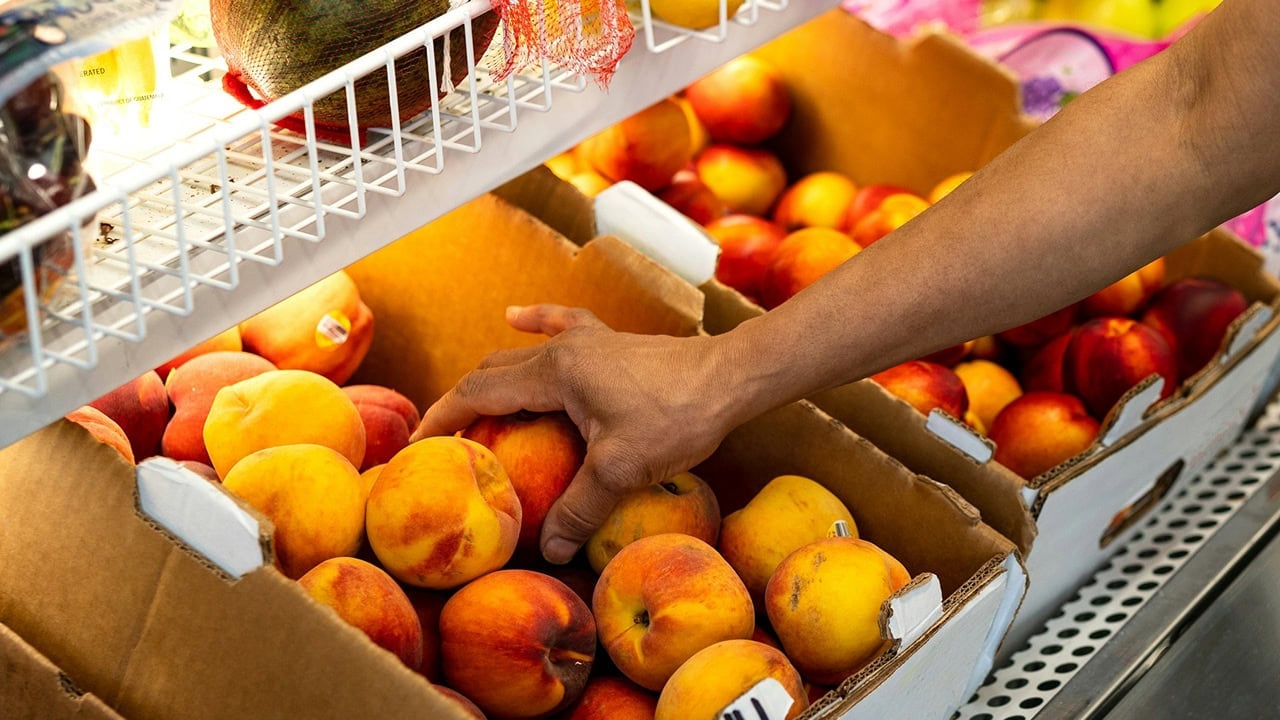
Buying fruits and vegetables that are in season is cheaper and fresher. Out-of-season produce costs more because it’s shipped from farther away.
In the fall, apples and squash are budget-friendly, while in summer, berries and corn are the better deal. Building meals around seasonal produce keeps variety in your diet without the inflated prices.
Limiting Trips to the Store
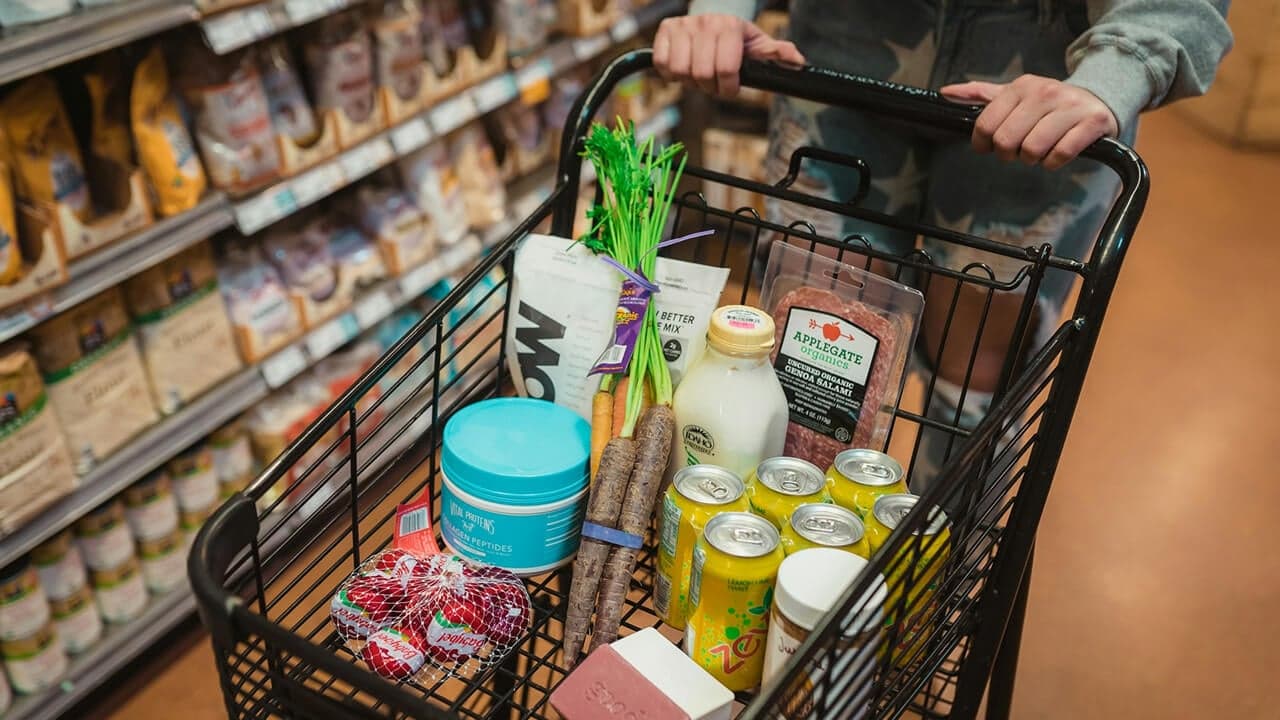
Every extra trip usually leads to impulse buys. Sticking to one big grocery run each week makes it easier to stay on budget. If you run out of something, wait until the next planned trip.
Fewer store visits mean fewer chances to overspend. Planning ahead ensures you’ve got what you need without those “I’ll grab a few things” trips that turn into $50 runs.
Cooking More From Scratch
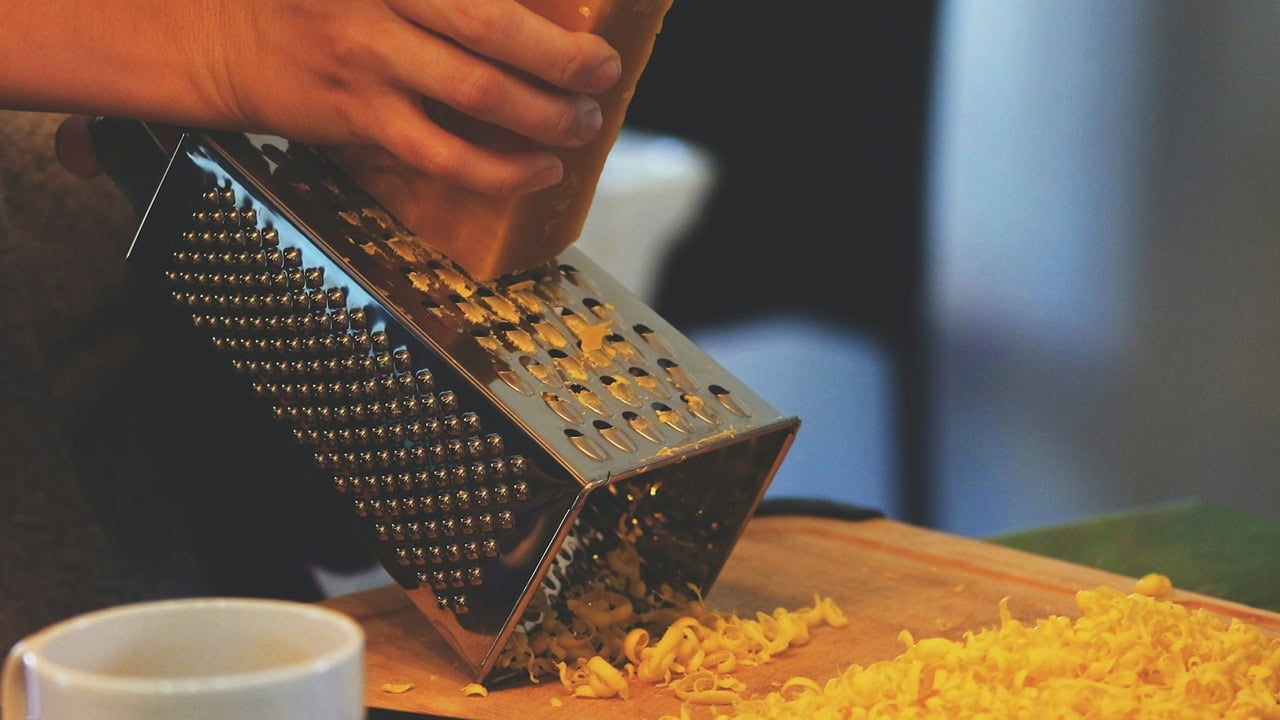
Pre-cut vegetables, shredded cheese, and bagged salads all come with a markup. Doing the prep work yourself saves money and often tastes better. Even baking bread or tortillas occasionally can cut costs significantly.
You don’t have to make everything from scratch, but swapping a few convenience items for homemade versions quickly reduces your total bill. Over a month, those small savings add up fast.
*This article was developed with AI-powered tools and has been carefully reviewed by our editors.
Leave a Reply