
10 shopping habits that make my money go further

Stretching your money at the store doesn’t mean cutting out everything you enjoy—it means getting smarter with how you shop. The way you plan, compare, and even check out can make a huge difference in how far your dollars go.
Over time, these habits add up to real savings without making you feel deprived. Here are the shopping habits that keep more money in your pocket every single month.
Always Check Unit Prices
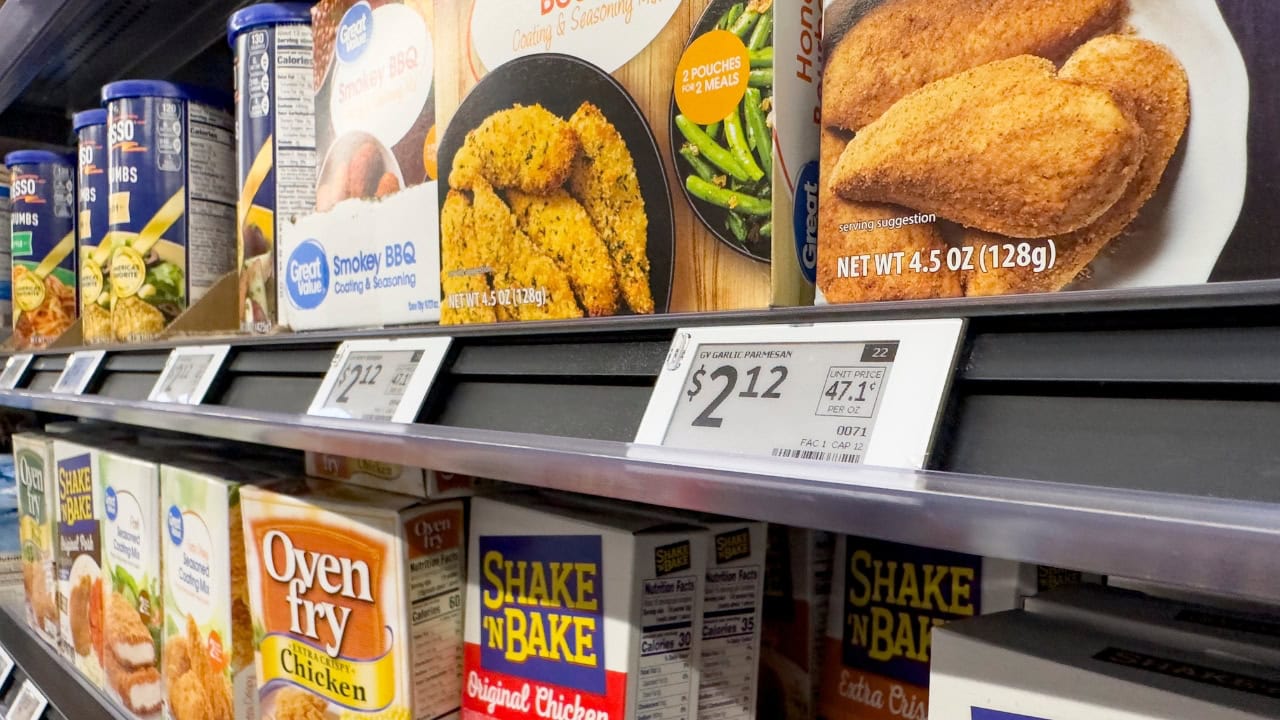
Packages are designed to trick you into thinking you’re getting a deal. That’s why checking the unit price is key. It tells you the cost per ounce, pound, or item, so you know which option really saves money.
You’ll often find that larger packages aren’t always the best buy. Sometimes, the smaller or store-brand option wins out. Once you get in the habit, you’ll never fall for flashy labels again.
Make a List and Stick to It

Impulse buys are what usually wreck a budget. Walking into the store without a plan means walking out with extras you didn’t need. A list keeps you focused and helps you avoid tossing random items in your cart.
It also forces you to think ahead, so you’re buying what your household actually uses. This habit alone can save you more than you’d expect each month.
Compare Store Brands to Name Brands

Many store brands are made in the same facilities as their name-brand counterparts, just with different labels. Testing them out on staples like pasta, flour, or canned goods can cut your grocery bill significantly.
If you don’t like one, you can always switch back—but more often than not, the quality is close enough that you’ll never pay extra for the label again.
Shop Seasonal Produce

Out-of-season produce travels farther, costs more, and often doesn’t taste as good. Sticking to what’s in season saves money and gives you fresher food.
You can also buy extras when prices are low and freeze them for later. It’s a habit that makes your grocery dollar stretch much further throughout the year.
Use Cash-Back and Reward Apps

Downloading a few free apps can turn your everyday purchases into cash or gift cards. Whether it’s scanning receipts or activating offers before you shop, it’s basically free money.
It doesn’t take long either—most can be done in seconds. When used consistently, the small amounts build up and feel like a bonus on top of your regular savings.
Set a Per-Meal Budget

One way to control grocery spending is to break it down by meal. Instead of looking at your cart as a whole, think of the cost per meal you’re creating with it.
If your goal is $2–$3 per serving, you’ll start making choices that actually fit your budget. It makes meal planning easier and helps you cut back without sacrificing variety.
Buy in Bulk for Staples

For items you use regularly, like rice, oats, or beans, buying in bulk almost always pays off. The upfront cost might be higher, but it saves you trips to the store and cuts the cost per serving dramatically.
The key is only buying what you know you’ll use before it expires. Done right, this habit frees up a good chunk of your budget every month.
Time Purchases Around Sales

Sales cycles are fairly predictable, especially for groceries and household goods. Paying attention to when items hit their lowest prices lets you stock up strategically.
Instead of buying something when you run out, you’re buying it when it’s cheapest. That shift alone saves you far more than clipping the occasional coupon.
Skip Pre-Packaged Items
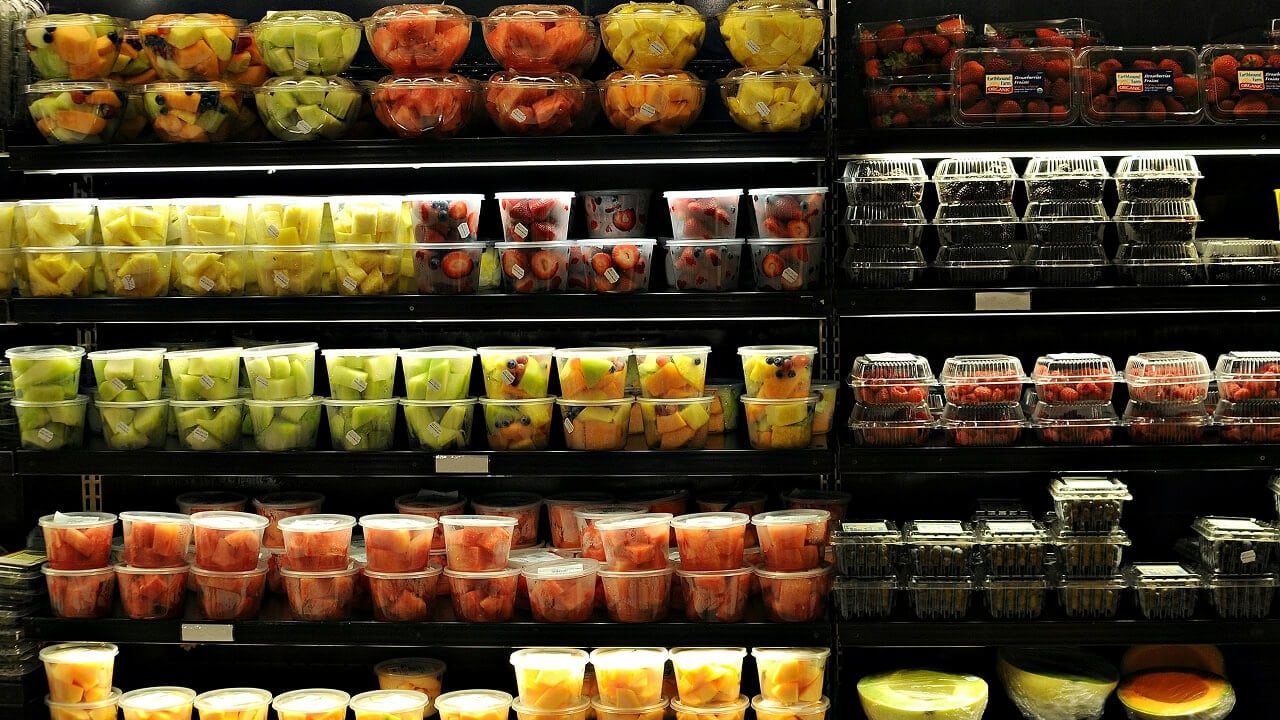
Convenience foods—like pre-cut fruit or shredded cheese—add up fast. You’re paying extra for someone else’s labor, and in most cases, it takes just a few minutes to do it yourself.
Buying whole foods and breaking them down at home is almost always cheaper. Plus, you get more control over portion sizes and freshness.
Track Spending After Each Trip

The habit that ties everything together is reviewing what you actually spent. Looking back at your receipts helps you see where small changes could save you more next time.
It also keeps you accountable to your budget in real time. When you know exactly where your money is going, it’s easier to make sure it’s going further.
*This article was developed with AI-powered tools and has been carefully reviewed by our editors.
Leave a Reply