
10 screen time rules that work in real life

Every parent wants to get a handle on screen time—but half the advice out there either sounds unrealistic or straight-up impossible in a house with actual kids. The truth is, screens aren’t going anywhere, and most of us aren’t ditching them completely. What does help is having real boundaries that actually work in day-to-day life. These are the screen time rules that held up in my house—ones you can adapt to fit your own crew without the daily power struggle.
Create a Screen Schedule That Everyone Knows

When screen time is a free-for-all, it’s harder to cut it off without a meltdown. Setting clear times for screens—like after lunch or only on weekends—gives your kids predictability and takes the pressure off you to keep saying no.
You don’t need a color-coded chart unless that helps you. A consistent rhythm works. Whether it’s 30 minutes a day or movie nights on Friday, having a go-to structure makes expectations clear and keeps the negotiating to a minimum.
No Screens Until Chores and Schoolwork Are Done

This rule reinforces priorities without turning you into the bad guy. If the floor needs sweeping or homework isn’t done, screens can wait. When kids know it’s always “work before screens,” they stop fighting it so much over time.
It also teaches responsibility. Even little kids can understand that screens come after helping out. And it keeps you from turning screen time into a reward that’s always up for debate—it’s just part of the daily routine.
Keep Screens Out of Bedrooms

This one helps more than people think. Keeping TVs, tablets, and phones out of bedrooms limits passive screen use, protects sleep, and cuts down on sneaky late-night viewing. It also gives kids a clear physical boundary between screen time and rest.
Even older kids benefit from this. When screens stay in shared spaces, they’re easier to monitor—and it sets the tone that bedrooms are for winding down, not scrolling until midnight.
Watch With Them When You Can

You don’t need to sit through every episode of Bluey, but when you can watch with them, it changes everything. You can talk about what they’re seeing, ask questions, and help them process it instead of zoning out.
Even ten minutes of co-watching here and there makes a difference. It helps you stay in the loop with what they’re watching and turns screen time into connection time instead of a solo activity that pulls them away from real interaction.
Set Time Limits That Match Their Age

Not every kid needs the same rules. A four-year-old doesn’t need hours of screen time, and a teenager will likely need more flexibility. Base your time limits on their age, maturity, and how they handle it—then adjust if it’s clearly not working.
Be honest about your own household needs, too. If an hour a day works for your family, great. If it needs to be less because they’re getting cranky or struggling to stop, cut it down. There’s no one-size-fits-all number.
No Screens During Meals

Mealtimes are one of the few guaranteed chances to connect, even if it’s a quick breakfast or a chaotic dinner. Keeping screens off during meals protects that time and sets the tone that eating together matters more than another episode.
It also helps with mindful eating. Kids (and adults) tend to overeat or zone out when glued to a screen during meals. This one habit can improve both communication and awareness, and it’s one of the easiest to hold the line on.
Screens Off One Hour Before Bed

Screens before bed mess with sleep more than most parents realize. The blue light can throw off melatonin production, and overstimulating shows or games make it harder for kids to settle down afterward—even if they seem fine.
Shutting off screens at least an hour before bedtime gives their brain time to wind down. It also makes space for bedtime routines like reading, talking, or playing quietly—things that help them actually feel ready to sleep.
Model the Screen Habits You Want Them to Learn
You can’t expect your kid to get off YouTube if you’re scrolling TikTok at every red light. Kids pick up your screen habits way faster than they follow your rules. If you want them to unplug, you have to show them how.
That doesn’t mean you can’t ever relax with a show or scroll your phone. It means being mindful of how often you’re reaching for it—and making time for phone-free moments they can actually see and follow.
Don’t Use Screens to Avoid Every Meltdown

It’s tempting to hand over the tablet when things get tough, especially in public. And sometimes, yes, survival mode wins. But using screens as a constant distraction teaches kids that hard emotions should be avoided instead of worked through.
Save screens for when they make sense—not as your only strategy. There are times when a meltdown needs to run its course or be handled with calm parenting, not a cartoon fix. Over time, you’ll see fewer meltdowns when they learn to self-regulate.
Make Boredom Okay Again

Boredom isn’t something to fix—it’s part of being a kid. When screens fill every quiet moment, your child loses the ability to entertain themselves, think creatively, or sit with their own thoughts.
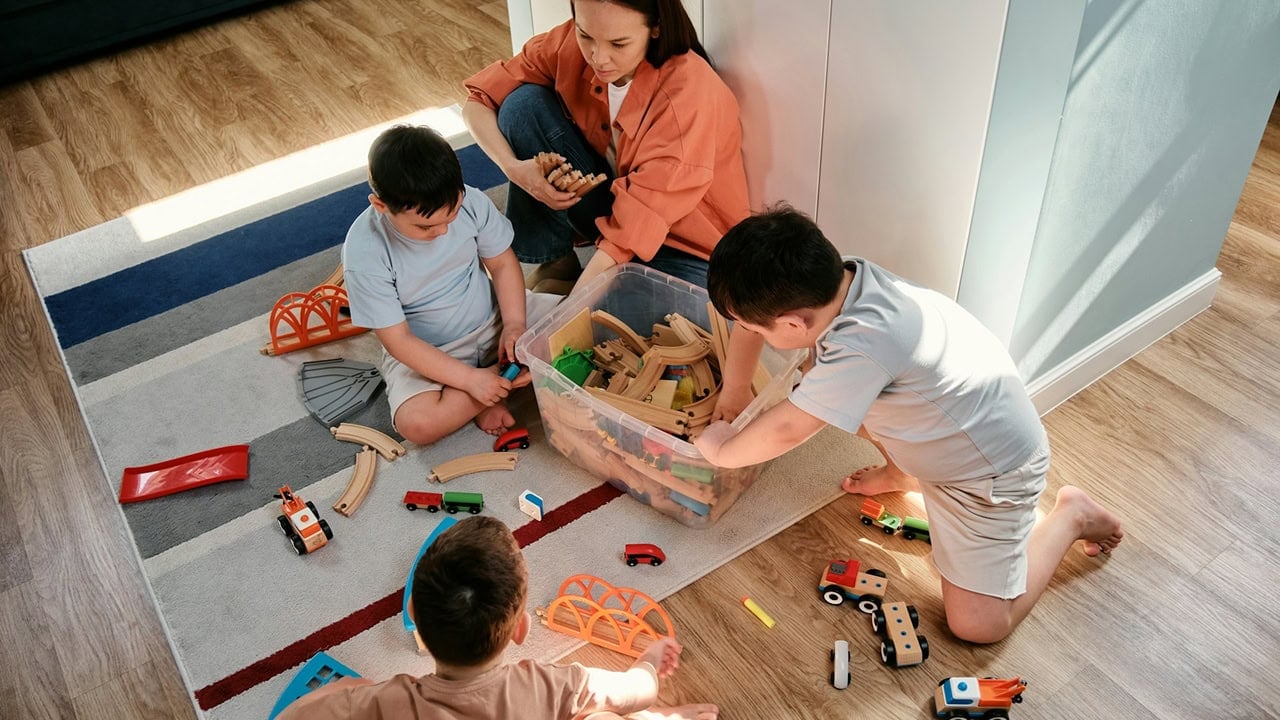
Encourage screen-free pockets of time and let them figure it out. Give access to books, toys, or craft stuff, then step back. When boredom is allowed to exist, their imagination grows—and screen time stops being the only thing that feels fun.
*This article was developed with AI-powered tools and has been carefully reviewed by our editors.
Leave a Reply