
Warehouse stores can be amazing for staples, but some items look like a deal and end up draining your budget or creating waste. The pattern is usually the same: packaging that invites overuse, sizes you won’t finish, or “value” versions that underperform and make you buy twice.
You don’t need to ditch your membership—just steer around the traps and stock what actually lowers your monthly spend.
Here are ten categories to rethink, plus smarter swaps that keep the savings real.
Giant bottles that encourage heavy pours
Oversized ketchup, salad dressing, and syrup look efficient until you watch the serving size creep up. Big pumps and wide-mouth jugs make it easy to use double without noticing. The result is faster rebuys and half-empty containers that expire. Keep one normal bottle in the fridge and decant from bulk into it. You’ll control portions and the giant bottle can live in the pantry until the refill.
If you can’t decant easily—thick dressings, chunky salsa—skip the jumbo and buy two standard sizes on sale at a regular grocery.
Specialty snacks that go stale before movie night three
Party-size chips, exotic cracker assortments, and bakery tubs of cookies are built for large groups, not daily snacking. Unless you’re hosting, the last third turns soft and heads to the trash. For everyday use, buy single-flavor family bags you know will get eaten and keep a few clip-top containers for freshness. If you want variety, divide the big bag into smaller airtight bins the day you get home.
For kids’ lunches, portion a week at a time. You’ll stop opening and closing the main bag and it will actually last.
Trendy health drinks priced like a habit
Protein smoothies, kombucha cases, and vitamin waters feel productive until you add the per-bottle math. If these replace café trips, maybe it pencils out. Often they stack on top of your normal grocery spend. A cheaper approach is a tub of protein powder you like, store-brand seltzer, or tea bags for iced tea. Mix at home and you’ll shave dollars off each serving.
Keep two grab-and-go options cold for busy mornings, but make the rest at home. Convenience doesn’t have to be the default.
Pre-cut fruit that sprints to the finish line
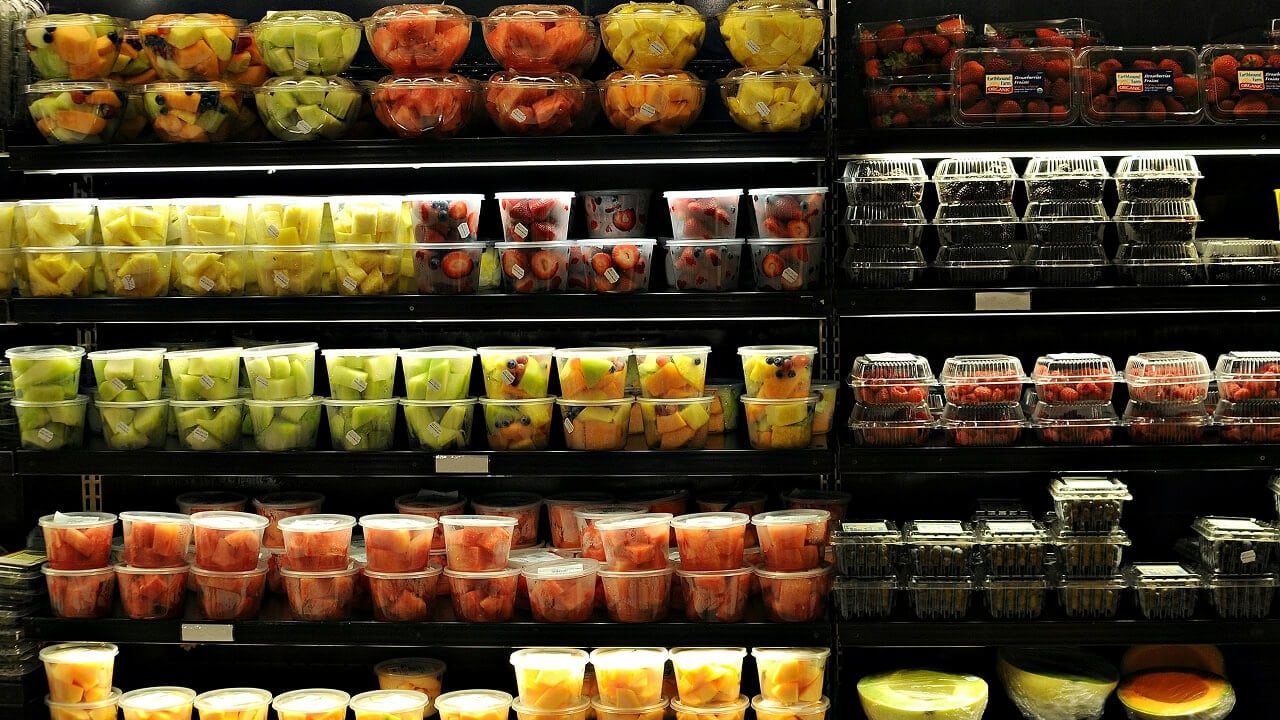
Prepped melon, pineapple, and mixed fruit are time-savers for parties. For a small household, they turn watery within days and cost far more per pound. Whole pineapple and melons are better buys if you’ll cut them once and portion into lidded containers. If time is tight, choose fruit that holds texture longer—apples, oranges, grapes—and prep just enough for two to three days.
When you do buy pre-cut for an event, plan breakfasts that use leftovers—yogurt bowls and smoothies—so nothing sits.
Giant spice jars that lose their punch
Cinnamon, chili powder, and garlic powder smell amazing when new, then fade in a few months if you’re not cooking for a crowd. Dull spices make food taste flat and push you back toward pricey sauces and takeout. Buy bulk only for high-rotation basics like salt, peppercorns, and taco seasoning. For the rest, stick to normal jars, and consider a small refill pack kept sealed in a dark cabinet.
If you already bought the big jar, toast a spoonful in a dry pan to revive aroma before cooking. It helps, but it’s not a long-term fix.
Bargain cookware that warps and sticks
Multi-piece nonstick sets at a tempting price can cost more when the coating peels and you replace pans within months. One solid skillet and one medium saucepan from a trustworthy brand usually outlast a full cheap set. Check handles, base thickness, and lid fit. A warped pan wastes heat and makes you crank the burner, raising utility costs and frustration.
If you’re outfitting a kitchen, buy in twos: one great skillet now, one solid pot next month. You’ll spend the same over time and avoid “buy twice” syndrome.
“Value” paper goods that over-dispense

Ultra-soft or extra-thick toilet paper and select-a-size paper towels can lead to casual overuse because they feel nice and sheets separate loosely. That comfort cost shows up when a mega-pack disappears in two weeks. Test the house brand against a mid-tier national brand and see which actually lasts longer per roll. Often the slightly firmer sheet wins on cost per day, not just cost per roll.
Keep paper towels on a holder away from the cooktop so you’re not ripping sheets out of habit while you cook. A stack of washable rags saves even more.
Bulk condiments you won’t finish this year
Mayo, pesto, and specialty sauces in half-gallon jugs can expire before you’re halfway through, especially if you rotate flavors. Unless you host large cookouts or run a team fridge, skip restaurant sizes. Buy two regular jars and open one at a time. You’ll maintain freshness and avoid tossing expensive leftovers.
If you love a big jug of something, plan recipes that use it—pasta salads, marinades, dips—and schedule them over a month so you move product.
Mixed cleaning bundles that don’t fit your surfaces
Club packs often bundle glass cleaner, surface spray, bathroom spray, and specialty cleaners. If two bottles don’t fit your home surfaces, they collect dust and you still buy what you need later. Choose concentrates or tablets you can dilute into reusable bottles and stick to formulas that work across rooms. You’ll store less, spend less, and cut plastic waste.
Label dilution ratios on the bottle with a marker so you never waste product guessing.
“Deal” electronics with short warranties
Off-brand earbuds, kitchen gadgets, and robot vacuums sometimes look like steals, but replacements and returns erase the savings. If you can’t confirm warranty length and support, hold off. Pay attention to energy use, too—inefficient gadgets cost you on the back end. A well-reviewed, slightly pricier model with a real warranty is usually the thrifty move.
If you do buy a budget device, keep the box and receipt taped inside a cabinet for the full return window. Test every feature in week one.
The warehouse is still a powerful savings tool. Spend on staples you truly rotate—rice, beans, canned tomatoes, oils, dairy, meat in dinner-size packs—and be skeptical of jumbo versions of perishable or rarely used items. Decant where it helps, split with a friend when sizes are ridiculous, and track what you actually finish in a month. That’s how membership math stays in your favor.
*This article was developed with AI-powered tools and has been carefully reviewed by our editors.
Leave a Reply